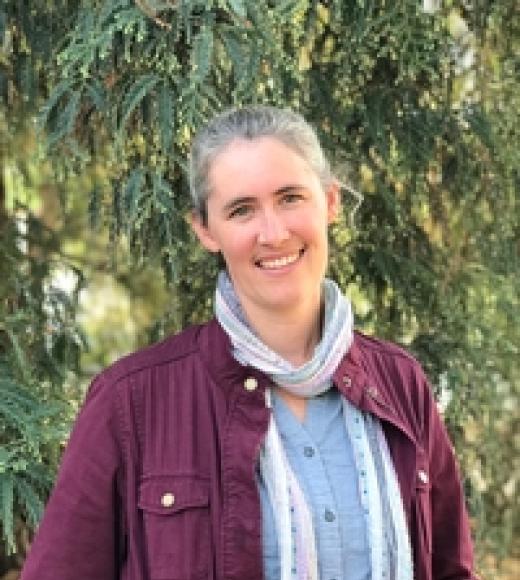
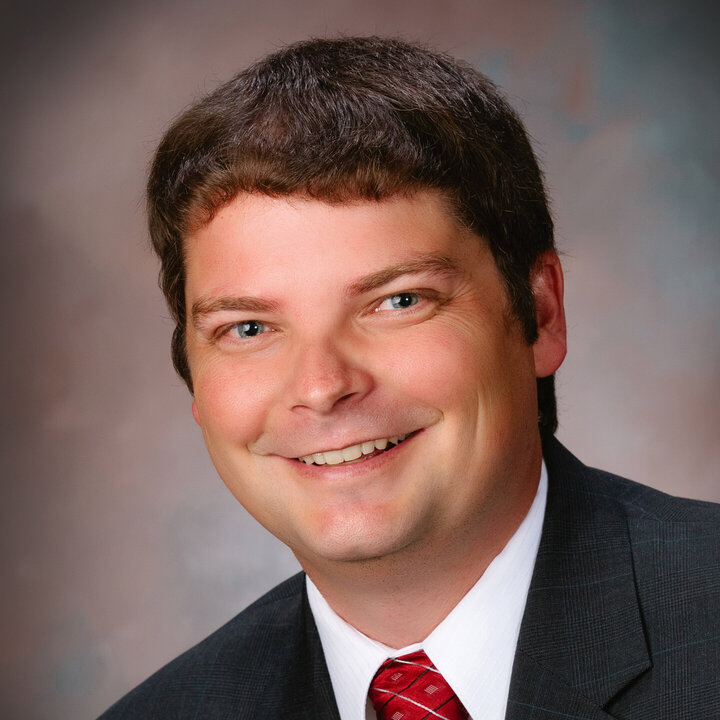
Dr. Heather Campbell is a Senior Lecturer in Entomology at Harper Adams University's Agriculture and Environment Department. Her research focuses on insect biodiversity conservation, community ecology, and social insects, particularly in arid ecosystems of southern Africa. She employs citizen science and explores insect-plant interactions to address ecological challenges. Professional affiliations include Fellowship of the Royal Entomological Society and membership in the British Ecological Society. Education includes a PhD, MSc, and BSc (Hons) in relevant fields. Key research interests span ant ecology, biopesticide development, and sustainable pest control strategies in agricultural systems. Recent work emphasizes integrating citizen science for biodiversity mapping and leveraging technology in ecological research education. Publications highlight innovative approaches to pest control, ant behavior studies, and global entomology priorities. Her work bridges academic research and practical applications, such as developing lure-and-kill systems for thrips and advancing biopesticide solutions for crop pests. Ongoing projects include exploring the impacts of climate change on insect communities in arid regions. Dr. Campbell actively advises on entomology education and outreach, contributing to public understanding of insect conservation through visual guides and media engagement. She leads the Entomology Group at Harper Adams University, fostering collaborative research networks across Africa and the UK.
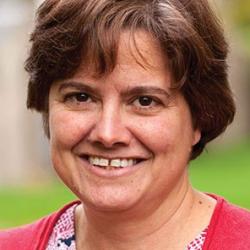
Terry A. Wheeler is a Professor at Texas A&M AgriLife Research in the Department of Plant Pathology and Microbiology , based in Lubbock. Her work focuses on managing soilborne pathogens affecting cotton, including nematodes and fungal diseases like Verticillium and Fusarium wilt. Research Interests : Identification and management of cotton plant pathogens Testing chemical/biological seed treatments for nematode control Systems-based projects analyzing tillage, irrigation, and crop rotation effects on pathogens Publication Trends : Recent articles emphasize cotton variety resistance to nematodes/fungal wilts, field trial methodologies, and integrated pest management strategies across Texas High Plains production systems. Scientific Contributions : Conducted multi-year variety screening trials for bacterial blight and wilt resistance Developed nematode management protocols for cotton producers Provided extension resources for regional pest/disease control Education : B.S. in Plant Science, Worcester Polytechnic Institute M.S. in Plant Pathology, Texas A&M University Ph.D. in Plant Pathology, North Carolina State University
Kirsty Owen is a Senior Lecturer in Crop Nematology at the School of Agriculture and Environmental Science and a Senior Research Fellow at the Centre for Crop Health, University of Southern Queensland. Her expertise focuses on managing root-lesion nematodes in grain crops, with a research emphasis on biotic constraints in farming systems, interactions between soil-borne pathogens, and arbuscular mycorrhizal fungi. She holds a BScAg (1994), MScAg (1996), and PhD (1999), all from Sydney. Education: BScAg, University of Sydney, 1994 MScAg, University of Sydney, 1996 PhD, University of Sydney, 1999 Her research explores interactions between nematodes, soil-borne diseases, and beneficial fungi, aiming to enhance crop resilience. Teaching includes plant physiology, biology, food security, and emerging agricultural technologies. She has supervised over a dozen graduate students, including key projects on root-lesion nematode resistance in wheat and mung bean, and soil legacy effects of invasive species. Current projects address smoke taint mitigation in wine regions and genetic resistance in crops. Publications span nematode management strategies, crop rotation impacts, and advanced detection technologies. Notable contributions include optimizing NDVI for wheat tolerance assessment and systematic reviews of mycorrhizal-nematode interactions. Professional affiliations include the Australasian Plant Pathology Society and the Australasian Association of Nematologists.
Donato Romano serves as Associate Professor at The BioRobotics Institute of Scuola Superiore Sant'Anna, Italy, where he coordinates the Bio-Robotic Ecosystems Lab and co-founded the spin-off company HUBILIFE srl. His interdisciplinary work bridges robotics, biology, and AI to develop biohybrid systems for biodiversity preservation, sustainable environmental management, and life support in extreme scenarios including space exploration. With over 90 publications and an H-index of 27 (Scopus, March 2025), he has established significant academic leadership through editorial roles across 12+ international journals. Romano's educational foundation includes advanced degrees with honors: an M.Sc. in Agriculture Science and Technologies (2014) and a PhD in BioRobotics (2018), both from Scuola Superiore Sant'Anna. His academic journey includes visiting scholar positions at Khalifa University and substantial industry-academia collaboration through HUBILIFE srl, which commercializes bioinspired devices for human daily life improvement. His research program focuses on bioinspired and biomimetic robotics with particular emphasis on animal-robot interaction, biohybrid systems, and natural intelligence. Key projects address critical global challenges: SENSORBEES develops biohybrid environmental surveillance for ecological monitoring; REGOLIFE investigates lunar soil-terrestrial organism interactions for space agriculture; and OCEAN ROBOCTO explores marine ecosystem solutions. This work demonstrates a strategic progression from fundamental behavioral studies toward applied ecological and extraterrestrial systems. Analysis of his recent publications reveals strong trends in AI-driven behavioral analysis, with deep learning increasingly applied to entomological studies and pest management. The research spans agricultural applications (precision monitoring traps, larval detection systems), ecological conservation (biodiversity surveillance), and extreme-environment adaptation (lunar regolith studies). A distinctive feature is the consistent integration of biohybrid approaches where living organisms and robotic systems create synergistic capabilities exceeding either component alone. Romano's scientific recognition includes election as Junior Fellow of the Italian Academy of Engineering and Technology (2025), the Lucani fuori dal Comune award (2024), and multiple best-thesis prizes. His editorial leadership spans high-impact journals including IEEE Transactions on Medical Robotics and Bionics and Pest Management Science, where he serves as Associate Editor. As principal investigator, Romano coordinates major international projects totaling over €15M in funding: HORIZON-EIC's SENSORBEES (2024-2029), ASI's REGOLIFE (2024-2027), National Geographic's OCEAN ROBOCTO (2024-2026), and PRIN's COSMIC (2023-2025). His teaching portfolio includes PhD courses in Biosystems for Biorobotics and M.Sc. instruction in Bionics Engineering at Scuola Superiore Sant'Anna and University of Pisa. The Bio-Robotic Ecosystems Lab under Romano's direction pioneers biohybrid technologies where living organisms and robotic systems create integrated solutions. Current initiatives include SENSORBEES' environmental monitoring swarms, REGOLIFE's moonworm colonization systems, and HUBILIFE's commercial vector-control devices. The lab maintains active collaborations with space agencies, agricultural institutes, and conservation organizations, positioning biohybrid systems as next-generation tools for planetary-scale challenges.
Professor Neil Berry is a distinguished academic and researcher in the Department of Chemistry at the University of Liverpool's School of Physical Sciences. He currently serves as Head of Department (2018-2024) and has held various significant administrative roles including Director of Post Graduate Research for the School of Physical Sciences (2015-2018) and Departmental PGR Lead. His academic journey began at Exeter College, University of Oxford where he earned his MChem in Chemistry (1999) followed by a DPhil (2002) under the supervision of Professor Paul Beer. Professor Berry's research expertise spans computational chemistry with a focus on applying AI, machine learning, and molecular modeling to solve complex problems in chemistry. His work primarily centers on four key areas: medicinal chemistry (particularly antimalarial and antiparasitic drug discovery), materials chemistry (including metal-organic frameworks and supramolecular gels), reaction mechanisms, and chemoinformatics. His group adopts a rational approach to research through molecular and material design, integrating computational modeling with experimental validation through close collaborations with the Liverpool School of Tropical Medicine, University of Washington, and industry partners including GSK, Bayer, and Unilever. His publication record demonstrates a strong focus on applying computational methods to drug discovery for neglected tropical diseases and advanced materials science. Recent work shows increasing integration of machine learning techniques across all research areas, with significant contributions to antimalarial drug development, snakebite treatment, and materials science applications. His research consistently bridges computational prediction with experimental validation, demonstrating the practical impact of his work. Treasurer - Royal Society of Chemistry Chemical Information and Computer Applications Group (2021 - present) Invited committee member - Royal Society of Chemistry Chemical Information and Computer Applications Group (2015 - present) Fellow of Higher Education Academy (2012 - present) Member of Royal Society of Chemistry (2005 - present) Referee for journals including Nature Communications, Journal of Medicinal Chemistry, and Journal of Computer Aided Molecular Design As an educator, Professor Berry has supervised numerous PhD students and postdoctoral researchers, with a particular emphasis on integrating computational approaches with experimental chemistry. His teaching innovations include Chemtube3D (web-based interactive 3D simulations of organic reactions), lecture recording systems, and ChemPreLab (a pre-lab interactive tutoring system). His research group operates at the intersection of chemistry, biology, and computer science, securing substantial funding from EPSRC, MRC, Wellcome Trust, and industry partners.
Stéphane Lair is a Full Professor at the Faculty of Veterinary Medicine , University of Montreal , leading the Department of Clinical Sciences . He serves as Director of the Québec Center for Wildlife Health (CQSAS) and regional director for the Canadian Cooperative Wildlife Health Centre. His expertise focuses on wildlife health, aquatic animal medicine, and exotic species welfare. Education: IPSAV in Avian Pathology (1989) DVM from University of Montreal (1990) Residency in General Pathology (1995) DVSc in Zoo Animal Medicine (1998, University of Guelph) ACZM Diplomate (1999) His research investigates human impacts on wildlife health, including contaminant effects on marine mammals like belugas, and disease ecology in caribou and lemur populations. He leads projects funded by agencies like Fisheries and Oceans Canada and the American Association of Zoo Veterinarians. Recent work includes studying beluga body condition via 'omics techniques, toxin exposure in cetaceans, and pharmacokinetics in exotic species. Over 20 students have been supervised in topics ranging from beluga necropsy trends to analgesia in pigeons. Collaborations include the Nunavik Trichinellosis Prevention Program and studies on Besnoitia tarandi in caribou. His lab actively addresses wildlife health challenges in changing ecosystems, emphasizing conservation and veterinary medicine intersections.
Fabien Duveau is a CNRS Researcher at the Laboratory of Biology and Modelling of the Cell (LBMC) at École Normale Supérieure de Lyon. He leads the eGRIDE project, funded by an ERC Consolidator Grant, investigating evolutionary mechanisms of gene regulation in dynamic environments. His work focuses on understanding how gene expression plasticity and mutational effects shape organismal adaptation. Duveau holds a PhD from Université Paris 7/CNRS (2011), followed by postdoctoral research at the University of Michigan and Université Paris 7. He joined LBMC in 2019 as part of Gaël Yvert’s team, supported by an ANR Young Researchers grant. His research integrates experimental and computational approaches, including high-throughput RNA sequencing and genetic mapping in yeast ( Saccharomyces cerevisiae ), to study how regulatory evolution balances mutational randomness and environmental selection pressures. Key areas include gene expression noise, cis/trans regulatory variation, and fitness outcomes under environmental stress. Recognitions include the prestigious ERC Consolidator Grant (2024), awarded for innovative projects advancing fundamental biological understanding. Duveau collaborates across disciplines, combining evolutionary genetics with systems biology to predict regulatory evolution in natural and pathological contexts.
Prof. Geert Smant is a Full Professor in the Laboratory of Nematology at Wageningen University & Research. His research focuses on plant-parasitic nematodes, particularly their interactions with plants, mechanisms of parasitism, and strategies for resistance in crops. He leads projects on cyst nematodes (e.g., Globodera pallida ), molecular biology of plant defenses, and genomic approaches to understand parasitic mechanisms. His work includes supervising PhD candidates and postdocs in projects like SMART UP (spatial mapping of root transcriptomes) and WORMVACS2.0 (vaccine innovations against helminths). Key contributions include genomic studies of Globodera species and elucidating effector-triggered immunity in plants. Prof. Smant has collaborated internationally, presenting at conferences like the 35th Symposium of the European Society of Nematologists and the 7th International Congress of Nematology . He oversees datasets on nematode genomics and plant responses to parasitism, available via public repositories. His team’s research spans lab-based studies, field applications, and interdisciplinary collaborations, aiming to develop durable resistance strategies against plant pathogens.
Dr. Zane Grabau serves as an Assistant Professor in the Department of Entomology and Nematology at the University of Florida, based in Steinmetz Hall, Gainesville, FL. His dual research-extension program focuses on developing practical nematode management solutions for Florida's agronomic and horticultural industries, with direct engagement with agricultural professionals across the state. Dr. Grabau's research centers on integrated management of plant-parasitic nematodes through chemical controls (fumigant/non-fumigant nematicides), resistant cultivars, and ecological strategies including cover cropping and crop rotation. He investigates soil ecology by analyzing nematode communities as biological indicators of soil health, particularly in subtropical perennial systems on sandy soils. His work emphasizes adapting solutions to Florida-specific cropping systems to enhance crop productivity while maintaining environmental sustainability. Analysis of his 15 most recent publications reveals a dominant focus on managing key nematode pests (Meloidogyne spp., Rotylenchulus reniformis, Belonolaimus longicaudatus) across major Florida crops including peanut, cotton, potato, and sweetpotato. His research consistently evaluates nematicide efficacy, cultivar resistance, and cultural practices while pioneering the use of nematode communities as soil health metrics in cover-cropped and perennial systems. Scientific Awards: None documented in available sources. Dr. Grabau actively disseminates research findings through extension publications targeting agricultural professionals, though specific advising roles and grant details remain unreported. His program bridges laboratory research with field applications to address real-world nematode challenges in Florida agriculture. He leads a research-extension team within the Entomology and Nematology Department conducting field trials and laboratory analyses on nematode ecology and management. The program emphasizes practical solutions for Florida's unique sandy soil environments, with strong collaborations across agricultural industries and extension networks statewide.
Cassandra Swett is an Associate Professor in Cooperative Extension at the University of California, Davis. Her research focuses on fungal pathogen ecology in vegetables and field crops, particularly investigating how adaptive water use strategies impact plant-pathogen interactions. She examines the effects of deficit irrigation, soil salinity, and water recycling on disease dynamics in crops such as tomatoes, hemp, strawberries, and nursery plants. Her work bridges fundamental microbial ecology with applied agricultural solutions to address challenges posed by water scarcity and climate change. Key research areas include: (1) managing Fusarium wilt and root-knot nematode complexes in tomatoes under water-stressed conditions, (2) optimizing irrigation practices to reduce soil-borne disease risks in nursery crops, and (3) identifying resistance-breaking pathogen strains threatening California agriculture. Swett collaborates closely with growers to translate scientific findings into practical management strategies. Her lab (http://swettlab.faculty.ucdavis.edu/) develops disease forecasting tools, evaluates water conservation techniques, and explores symbiotic microbial interactions that enhance crop resilience. She emphasizes co-management approaches that balance disease control with sustainable resource use.
Dr. Michael Wollenberg is an Associate Professor of Biology and Department Chair at Kalamazoo College. He holds a PhD from the University of Wisconsin-Madison and a BA from Swarthmore College. His research focuses on molecular mechanisms of bioluminescence in Photorhabdus luminescens , including its interactions with nematodes and insect hosts. He investigates bacterial symbiosis, microbial ecology, and the regulation of light production genes. Dr. Wollenberg teaches courses in microbiology, molecular biology, and evolutionary biology. Education: PhD in Medical Microbiology and Immunology, University of Wisconsin-Madison BA in Biology, Swarthmore College Research Interests: Photorhabdus luminescens bioluminescence evolution, Photorhabdus -nematode symbiosis, bacterial competition dynamics, and microbial community ecology. His lab uses interdisciplinary approaches including genetics, biochemistry, and computational biology. Grants & Awards: NSF ISO 1755230 (2018–2022) NSF Graduate Research Fellowship (2005–2008) NIH Traineeships in Oral Health & Microbial Disease (2010–2013) Teaching: Courses include BIOL 322 General and Medical Microbiology , BIOL 295 Computational Tools for Biologists , and BIOL 112 Evolution and Genetics . He emphasizes growth mindset and active learning in his pedagogy. Lab & Outreach: The Wollenberg Lab actively involves undergraduates in research. Current projects explore bioluminescence regulation and host-microbe interactions. His work has been featured in Proceedings of the National Academy of Sciences and Applied and Environmental Microbiology .
Dr. Mostafa Elfawal is an Assistant Professor at UMass Chan Medical School in the Program in Molecular Medicine, affiliated with the T.H. Chan School of Medicine. His research focuses on developing novel therapeutics against parasitic infections, particularly targeting soil-transmitted helminths and malaria. He completed his PhD in Medical Entomology/Microbiology at the University of Massachusetts Amherst, following a BA and MS in Animal Science from Ain Shams University in Egypt. His work emphasizes high-throughput drug screening and repurposing existing compounds for anthelmintic use, with recent breakthroughs in PIM kinase inhibitors and broad-spectrum antiparasitic agents. He has extensively studied Artemisia annua's antimalarial properties and its role in overcoming drug resistance. Collaborations with institutions like the NIH and international networks highlight his global impact in parasitology and tropical medicine. Key contributions include identifying metabolic enzyme inhibitors as anthelmintics, elucidating hookworm's cognitive and microbiome effects, and advancing yeast particle encapsulation for controlled drug release. His research bridges basic science with clinical application, addressing critical gaps in treating neglected tropical diseases.
Olaf Schmidt is a Professor at the School of Agriculture and Food Science, University College Dublin (UCD). His academic career includes roles such as Senior Lecturer/Associate Professor (2008–2017) and extends back to a Post-doctoral Research Assistant position (1999–2001). He holds a Ph.D. from UCD (2000), an M.Sc. in Soil Science from the University of Aberdeen (1993), and a Diplom-Agraringenieur from Martin-Luther-University Halle-Wittenberg (1992). Research Focus: Schmidt specializes in soil ecology, earthworm biology, stable isotope analysis, and sustainable agriculture. His work addresses topics like soil restoration, invasive species impacts, food authentication, and ecosystem rehabilitation. He leads projects such as Edaphobase 2.0 and the Gunnera tinctoria invasion studies. His research integrates molecular techniques, isotopic tracing, and large-scale data synthesis. Awards & Recognition: Fellow of the Royal Entomological Society (2023) Honorary Member of the Association of Applied Biologists (2022) Fellow of the Institute of Soil Science (2023) Teaching & Outreach: Coordinates modules on soil science, environmental microbiology, and the circular bioeconomy. Engages in public lectures on topics like earthworm contributions to soil health. Collaborates internationally, including a visiting professorship at the University of Agriculture in Kraków (2022). Grants & Impact: Contributed to the SmartGrass project, enhancing sustainable agricultural practices through multispecies swards. His work on peat alternatives and mine tailings rehabilitation has practical implications for environmental management and policy. Labs & Collaborations: Active in the Global Soil Biodiversity Initiative and Soil BON network. Edaphobase 2.0 exemplifies his data-driven approach to soil biodiversity research.
Julie Ahringer is Professor of Genetics and Genomics at the University of Cambridge and Director of the Wellcome Trust/Cancer Research UK Gurdon Institute. She leads a research group investigating chromatin structure and gene regulation using C. elegans as a model system. Her work integrates genomics, super-resolution microscopy, and computational approaches to understand epigenetic controls in development and disease. She holds fellowships from the Royal Society (FRS) and Academy of Medical Sciences (FMedSci). Research Focus: Her laboratory studies chromatin regulation mechanisms including heterochromatin formation, Polycomb domain function, genome architecture, and enhancer/promoter interactions. Key approaches include single-cell multiomics, high-throughput genomics, and super-resolution microscopy to analyze developmental trajectories. Research areas span: H3K27me3 domain formation and Polycomb repression Constitutive heterochromatin organization Regulatory element characterization 3D genome architecture via ARC-C technology Single-cell resolution developmental mapping Awards & Honors: Fellow of the Royal Society (FRS) Fellow of the Academy of Medical Sciences (FMedSci) Wellcome Senior Research Fellowship Academic Leadership: She mentors PhD students and postdoctoral researchers, with funding from Wellcome, MRC, and CRUK. Her lab develops open-source bioinformatics tools (VplotR, periodicDNA) and maintains the genome-wide C. elegans RNAi feeding library. Lab & Collaborations: The Ahringer Lab is based at the Gurdon Institute and collaborates widely on chromatin dynamics, nuclear organization, and developmental genomics projects across model organisms.
David Hyten, Jr. serves as the Haskins Professor of Plant Genetics within the Department of Agronomy & Horticulture at the University of Nebraska-Lincoln, where he leads research advancing soybean genomics and breeding methodologies for global food security. Education: Ph.D., University of Maryland, 2005 M.S., University of Tennessee, 2002 B.A., Southern Illinois University, 1999 Research Focus: Dr. Hyten's program integrates high-throughput genotyping with quantitative genetics to dissect complex traits including disease resistance (cyst nematode, stem borer), seed composition (protein/oil), and yield stability. His work pioneers genomic selection pipelines and recombination hotspot analysis to accelerate breeding cycles, with emphasis on translating genomic discoveries into practical cultivar development through marker-assisted selection and predictive modeling. Publication Trends: Recent outputs (2021-2025) reveal evolving emphasis from foundational genomics (recombination mapping, QTL identification) toward applied breeding solutions, including cost-effective DNA extraction methods, pedigree-based imputation techniques, and community strategic planning for soybean genomics. His work increasingly addresses genotype-environment interactions and stability of key traits across diverse production systems.


.jpg)