- Bioinformatics
- Genomics
- Computational Biology
- +۷ مورد دیگر
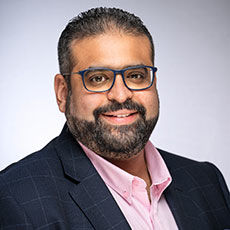
Dr. Mohamed El-Hadidi is an Associate Professor in Bioinformatics at the Department of Cancer and Genomic Sciences, University of Birmingham, Dubai Campus, where he also serves as the Programme Director for the MSc Bioinformatics program. He previously held an Assistant Professor position and led the Bioinformatics Research Group at Nile University, Egypt, and is actively involved in national scientific initiatives such as the Egyptian Genome Project. Educational Background: PhD in Bioinformatics, Eberhard Karls Universität Tübingen, Germany (2016) MSc in Biotechnology, Instituto Superior Técnico, Lisbon, Portugal (2012) MSc in Computational and Systems Biology, Aalto University, Finland (2011) Postgraduate Diploma in Bioinformatics, ITI, Egypt (2011) BSc in Biotechnology, Cairo University, Egypt (2006) His research focuses on Next Generation Sequencing (NGS) data analysis , multi-OMICS integration , and microbiome-host interactions , with applications in precision medicine, infectious diseases, and environmental microbiology. He has made significant contributions to human and microbiome genomics, including work on SARS-CoV-2, cancer, and antibiotic resistance. The most recent publications reflect a strong trend in computational approaches to disease mechanisms, microbiome dynamics, and machine learning applications in genomics. His work spans drug repurposing , cancer bioinformatics , antibiotic resistance tracking , and AI-driven diagnostics , demonstrating a multidisciplinary and translational research profile. Scientific Contributions: Active member of the Scientific Committee of the Egyptian Reference Genome Project Council Vice President, National Egyptian Bioinformatics Network Published extensively in journals such as Frontiers in Molecular Biosciences , Scientific Reports , Cell Host & Microbe , and PLOS Computational Biology Contributed book chapters on metagenomic data analysis and microbiome workflows Dr. El-Hadidi has supervised student projects and led the development of academic programs in bioinformatics. His industry consulting experience complements his academic work, enhancing the practical relevance of his research. He has led projects on benchmarking bioinformatics tools, disease variant identification in Egyptian populations, and AI-based diagnosis of neurodegenerative diseases using microbiome data. He is affiliated with research teams focused on microbiome analysis , genomic data integration , and computational workflows such as MetaFlow and AmpliconNet, contributing to open and reproducible science in bioinformatics.