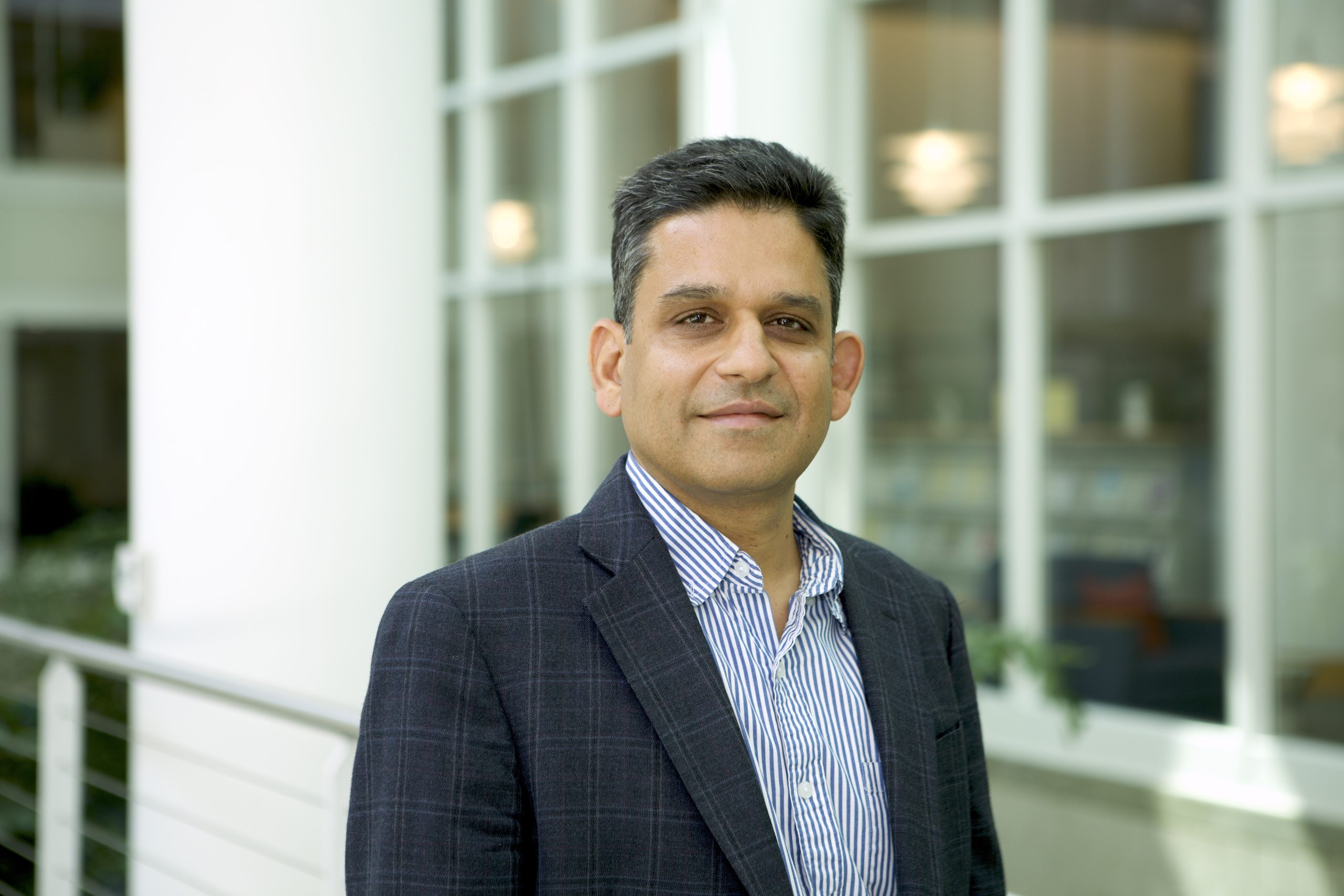
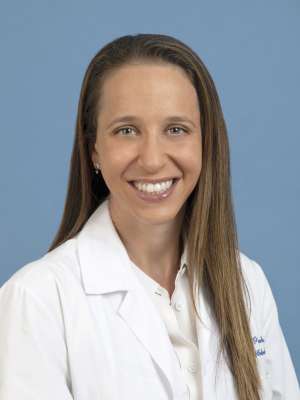
Dr. John Males is a Clinical Senior Lecturer at the University of Sydney and Director of Ophthalmology Training at Sydney Eye Hospital. His clinical and research expertise focuses on corneal surgery, cataract surgery, and laser vision correction. He pioneered Descemet's Stripping Automated Endothelial Keratoplasty (DSAEK) in Australia and is conducting clinical trials on Collagen Cross-Linking for keratoconus. His research spans corneal transplantation techniques, refractive error management, and ocular surface regeneration. Dr. Males holds roles as a consultant at major hospitals and serves as an examiner for the Royal Australian & New Zealand College of Ophthalmologists. Research interests include corneal biomechanics, surgical innovation for keratoconus, and outcomes analysis of cross-linking therapies. He leads studies on corneal densitometry, dry eye correlations, and long-term efficacy of surgical interventions. His work bridges clinical practice with translational research in regenerative medicine and ocular surface engineering. Publications span over 20 years, emphasizing corneal transplantation advancements, keratoconus management, and surgical complication resolution. His contributions to global consensus guidelines for endothelial keratoplasty highlight leadership in standardizing surgical practices.
Wojciech Czakon is a Full Professor and chair of the Strategic Management Department at Jagiellonian University in Poland. He has held leadership roles as Head of the Management Theory Department (University of Economics in Katowice) and Professor at the Higher Schools of Banking in Poznan. His academic career spans multiple institutions, including visiting positions at Universita delli Studi di Roma 2 Tor Vergata. Education: PhD in Management (2002) Habilitation in Management (2007) Professor title in Economics (2013) His research focuses on organizational behavior, strategic management, coopetition, family business dynamics, and qualitative research methodologies. Recent work explores digital transformation, strategic myopia, and the behavioral antecedents of coopetition. Publication Trends: His 2014-2022 papers on coopetition strategies—covering trust, behavioral factors, and performance metrics—have received significant citations. Recent projects analyze innovation ecosystems and entrepreneurial failure. Scientific Awards: 2022 Best book award (Organization and Management Committee of the Polish Academy of Sciences) 2021 Outstanding research achievement award (Prime Minister of Poland) Honoris causa doctor (Wroclaw University of Business and Economics) Top 5 global scholar in coopetition research Community Service: He has served as Vice-president of the European Academy of Management, co-chair of EURAM doctoral colloquium, and organizer for conferences like EURAM, EIASM, and IFERA. He also co-edits anthologies and special issues in journals such as Long Range Planning and Industrial Marketing Management.
Rahul Vashishtha is a Professor of Accounting at Duke University's Fuqua School of Business, where he has served since earning his PhD in Accounting from the University of Pennsylvania in 2012. His research focuses on the determinants of corporate and banking sector disclosure, emphasizing economic consequences such as investment behavior, financial stability, and transparency's impact on institutions. Key areas include how mandated reporting frequency influences managerial myopia, banking sector fragility, and the interplay between mutual fund transparency and corporate decision-making. Dr. Vashishtha's work explores topics like loan covenant violations, bank mergers' effects on disclosure, and the role of analyst recommendations in stock price bubbles. He teaches Financial Statement Analysis in Duke's Daytime MBA program, blending academic rigor with practical business insights. His research has been published in top-tier journals such as the Journal of Financial Economics , Journal of Accounting Research , and Review of Financial Studies . Notable contributions include demonstrating how quarterly financial reporting pressures lead to short-term investment biases and analyzing bank transparency's role in deposit flows. His findings have been widely cited in media outlets like the Wall Street Journal , Financial Times , and Forbes . While no formal awards are listed, his extensive publication record and media engagement highlight his influence in accounting and finance research. Advising roles and grants are not explicitly detailed in available materials. He is actively involved in ongoing research on liquidity transformation in banking and voluntary disclosure strategies during financial crises.
Stacy L. Pineles, MD, MS is a Professor of Ophthalmology and Residency Program Director at the Stein Eye Institute, David Geffen School of Medicine at the University of California, Los Angeles (UCLA). She also serves as Chair-Elect of the Pediatric Eye Disease Investigator Group (PEDIG), a collaborative network funded by the National Eye Institute dedicated to facilitating multicenter clinical research in strabismus, amblyopia, and other eye disorders affecting children. Dr. Pineles is affiliated with Ronald Reagan UCLA Medical Center and UCLA Santa Monica Medical Center as hospital affiliations. Dr. Pineles completed her medical training at the University of Pennsylvania in 2004, followed by ophthalmology residency at UCLA (2005-2008), pediatric ophthalmology fellowship at UCLA (2009), neuro-ophthalmology fellowship at the University of Pennsylvania (2010), and a Master's degree in Clinical Investigation at UCLA (2013). She joined the UCLA faculty in 2010 and became Residency Program Director in 2017. Her primary research interests focus on pediatric neuro-ophthalmology and strabismus, with specific emphasis on binocular vision in children and adults with eye misalignment, systemic effects of pediatric eye disease, and clinical trials in pediatric ophthalmology. Dr. Pineles serves as principal investigator of an NIH-sponsored multicenter study of pediatric optic neuritis. She runs an NIH-sponsored research program evaluating binocular vision in children and adults with eye misalignment. Analysis of Dr. Pineles' publications reveals consistent research activity in pediatric ophthalmology, neuro-ophthalmology, and strabismus, with particular focus on binocular vision, optic neuritis, and surgical outcomes. Her work spans clinical trials, diagnostic accuracy studies, and innovative surgical techniques, demonstrating expertise in both clinical care and research methodology. Super Doctors® Southern California, 2022-2025 AAPOS Young Investigator Award, 2019 University of California OptumLabs Research Credit Award, 2018 Appointment of Jerome and Joan Snyder Chair in Ophthalmology, 2017 American Academy of Ophthalmology Achievement Award, 2016 AAPOS Honors Award, 2016 Dr. Pineles serves on numerous professional committees within the American Academy of Ophthalmology, American Association of Pediatric Ophthalmology and Strabismus, and the North American Neuro-Ophthalmology Society. She travels regularly nationally and internationally to speak on topics related to her research in pediatric neuro-ophthalmology. As Residency Program Director since 2017, she oversees ophthalmology training at UCLA. She is author of more than 100 peer-reviewed publications and 10 book chapters. Dr. Pineles leads the Pediatric Ophthalmology division at the Stein Eye Institute, which is part of one of the world's leading centers of vision science. Her research program includes multicenter clinical trials and NIH-sponsored studies evaluating binocular vision and pediatric optic neuritis. She actively collaborates with the Pediatric Eye Disease Investigator Group (PEDIG), a network of over 100 participating sites with more than 300 pediatric ophthalmologists and optometrists across the United States, Canada, and the United Kingdom.
Dr. Debora M. Lee Chen is an Associate Professor of Clinical Optometry at the University of California, Berkeley’s School of Optometry & Vision Science. She serves as Co-Chief of the Binocular Vision Clinic and Chief Mentor for the Residency in Vision Therapy and Rehabilitation. Her roles also include Berkeley Optometry Disability Officer and active participation in institutional committees like the Clinical Curriculum and Instruction Committee and the Berkeley Optometry Curriculum Committee. Her research focuses on binocular vision disorders, pediatric vision, amblyopia, strabismus, traumatic brain injury, cerebral visual impairment, and innovative treatments using mobile applications. She teaches courses such as Optometry 240 (diagnosis/treatment of binocular vision anomalies), Optometry 241L (advanced strabismus management), and clinical specialty clinics (430B, 441A-C). Key research areas include pediatric vision challenges, neurodevelopmental conditions, and vision-related learning disabilities. She emphasizes community health, including barriers to eye care access and school-based screening initiatives. Her work bridges clinical practice with cutting-edge technologies like AI-driven optometry solutions. Dr. Chen’s contributions extend to neuro-optometric rehabilitation, particularly for patients with acquired brain injuries and developmental differences. She advocates for inclusive healthcare practices through her roles on the Disabled Student’s Program advisory committee and DEIB initiatives.
Prof. Dr. Orkun Müftüoğlu is a Professor at Koç University Hospital (2015–present) and previously at Medipol University School of Medicine (2013–2015). He completed subspecialty training in Cataract & Refractive Surgery (Baylor College of Medicine, 2003), Vitreoretinal Surgery (Duke University, 2006), and Advanced Refractive Surgery (Instituto Alicante, 2007), with over 20,000 surgical cases to his credit. Education: Cataract, Cornea & Artificial Cornea, Refractive Surgery: University of Texas Southwestern Medical Center (2007–2009) Vitreoretinal Surgery: Duke University (2006) Cataract & Refractive Laser Surgery: Baylor College of Medicine (2003) Ophthalmology Residency: Ankara University School of Medicine (1999–2003) Medical Education: Ankara University (1993–1999), Baylor College of Medicine (1999) Clinical Expertise: Specializes in complex cataract surgery, refractive procedures (myopia/hypermetropia/astigmatism), corneal disease management (including keratoconus), glaucoma, artificial cornea, and vitreoretinal surgery. Holds American Medical License (USMLE-ECFMG) and has performed one-on-one surgeries in the U.S. Scientific Recognition: Awarded first prizes by the American Academy of Ophthalmology and ESCRS. Active member of Turkish Ophthalmological Association, American Academy of Ophthalmology, and ESCRS committees for education and young ophthalmologists.
Brenda L Bohnsack, MD, PhD is Associate Professor of Ophthalmology (Pediatric Ophthalmology) and Pediatrics at Northwestern University Feinberg School of Medicine, where she serves as Chief of Pediatric Ophthalmology in the Department of Ophthalmology. She also holds the Lillian Sherman Cowen Reiger and Harold L.S. Cowen Research Professorship of Pediatric Ophthalmology. Dr. Bohnsack practices at Ann & Robert H. Lurie Children's Hospital of Chicago. Her educational background includes: BA from Northwestern University (1999) PhD from Baylor College of Medicine (2004) MD from Baylor College of Medicine (2006) Transitional Year Intern at Oakwood Hospital (2007) Residency in Ophthalmology at University of Michigan (2010) Chief Residency in Ophthalmology at University of Michigan (2010) Postdoctoral Fellowship in Orbital and Ocular Development at University of Michigan (2011) Fellowship in Pediatric Ophthalmology and Adult Strabismus at Duke University (2012) As an academic pediatric ophthalmologist and developmental biologist, Dr. Bohnsack focuses on the clinical aspects and underlying basic science of congenital eye diseases. Her clinical expertise includes the medical and surgical management of complex pediatric eye conditions such as primary congenital glaucoma, Peters Anomaly, Axenfeld-Rieger syndrome, aniridia, microphthalmia, and congenital ectropion uvea. Her research spans both clinical and basic science domains, with clinical research concentrating on identifying new genes associated with congenital eye diseases and outcomes in affected individuals, while her basic science research utilizes zebrafish and human embryonic stem cell models to study ocular neural crest cells and their role in eye development. Analysis of Dr. Bohnsack's most recent publications reveals a strong focus on pediatric ocular conditions with particular emphasis on Stickler syndrome, pediatric glaucoma management, and complications of systemic treatments in children. Her work spans clinical studies, surgical technique evaluations, systematic reviews, and investigations into the genetic basis of pediatric eye diseases. The publications demonstrate her commitment to improving diagnostic approaches, surgical outcomes, and understanding the molecular mechanisms underlying congenital eye disorders. Dr. Bohnsack has received numerous scientific awards and honors throughout her career: Honor Award, American Association of Pediatric Ophthalmology and Strabismus (2025) Secretariat Award, American Academy of Ophthalmology (2024) Academic Leadership Development Program, Association of University Professors of Ophthalmology (2024) Alpha Omega Alpha (2023) Gunter von Noorden Young Investigator Award (2022) Dr. Bohnsack actively participates in multi-center research collaborations focusing on the genetics of childhood glaucomas, long-term outcomes of myopia control, socioeconomic influences on eye disease outcomes, and health disparities in global myopia management. Her laboratory research focuses on molecular regulation of neural crest migration and differentiation in the anterior segment of the eye, with applications for understanding and potentially treating congenital eye disorders. She leads research efforts utilizing both in vivo (zebrafish) and in vitro (human embryonic stem cells) systems to model eye diseases, with particular attention to ocular neural crest cells and their contribution to corneal, iris, and aqueous humor drainage system development. Her work bridges basic science discoveries with clinical applications to improve understanding and treatment of blinding diseases in children.
Justin Kruger is an Associate Professor of Marketing at the Leonard N. Stern School of Business, New York University, where he joined in 2005. His academic journey began with a B.S. in Psychology from Santa Clara University in 1993, followed by a Ph.D. in Social Psychology from Cornell University in 1999. Professor Kruger's research focuses on everyday judgment and decision making, with specific emphasis on: Overconfidence in planning and self-assessment Myopia in comparative judgment Egocentrism in perspective taking Everyday heuristics Consumer Psychology and Behavior His work has been featured in numerous scholarly journals including the Journal of Consumer Psychology, Journal of Consumer Research, Journal of Experimental Social Psychology, Journal of Personality and Social Psychology, and Psychological Science. His research has also gained significant media attention, appearing in Newsweek, US News & World Report, The New York Times, The Harvard Business Review, as well as NPR and the BBC, with his work cited over 2,500 times (Google Scholar, March 2011). Professor Kruger has received several prestigious awards and grants: National Science Foundation Research Grant (2004) Department of Psychology, University of Illinois Hohenboken Teaching Award (2003) University of Illinois Research Board Research Grant (2000) Department of Psychology, Cornell University Graduate Teaching Award (1998) Incomplete List of Teachers Rated "Excellent" by their Students, University of Illinois (2000) At NYU Stern, Professor Kruger teaches Judgment and Decision Making in undergraduate, MBA, and PhD programs. His research reveals patterns in how people make judgments about themselves and others, with particular focus on the cognitive biases that lead to overconfidence, miscommunication, and poor decision making. His most influential work includes studies on the Dunning-Kruger effect (where incompetent people fail to recognize their incompetence) and egocentrism in communication (particularly in digital contexts like email).
Nauman Asghar is a Lecturer (Assistant Professor) in Strategic Management at the University of Liverpool Management School (ULMS), UK. He holds a PhD in Strategy & Business Policy from HEC Paris (2023) and previously served as an Assistant Professor at NEOMA Business School. He is a Rhodes Scholar with degrees in Bachelor of Civil Law (BCL) and MSc in Law and Finance (MLF) from the University of Oxford. Asghar teaches modules like STRATEGIC ORGANISATION (ULMS871/ULMJ871), serving as Module Co-ordinator. His research focuses on behavioral strategy and organizational design, examining biases like inertia in resource allocation and how organizational structures influence decision-making. Key themes include centralized vs decentralized capital allocation, institutional ownership responses to performance feedback, and managerial cognition's role in strategic foresight. He is developing projects on performance-aspiration spillover effects between organizational goals. Asghar actively participates in academic governance, serving as an ad-hoc reviewer for the Strategic Management Journal , member of the Strategic Management Society's Competitive Strategy Interest Group, and reviewer for major conferences like Academy of Management. He contributes to PhD admissions as part of the interview panel and oversees Independent Progress Assessment Panels (IPAP). His publications span topics such as delegation impacts on capital reallocation (2022-2025), aspiration-performance dynamics (2023), and insider trading insights into strategic foresight (2023). While no formal awards are listed, his prolific publication record and editorial board roles highlight academic leadership.
Chris Hammond serves as the Frost Professor of Ophthalmology at King's College London's Faculty of Life Sciences & Medicine, School of Life Course & Population Sciences, and has been Head of Section for Ophthalmology Research since 2011. He is also a Consultant Ophthalmologist specializing in pediatric ophthalmology and squint surgery at St Thomas' Hospital, demonstrating a strong clinical-academic integration in his career. Professor Hammond's research primarily focuses on the genetic basis of common eye diseases including glaucoma, myopia, dry eye disease, and age-related cataract. His work integrates twin research methodologies with advanced genomic approaches to understand the heritability and genetic factors underlying these conditions. He has established himself as one of the leading scientists in ophthalmic genetics through groundbreaking research showing that many age-related eye diseases have significant genetic components. His publication record reveals a strong emphasis on large-scale genetic studies, particularly utilizing the UK Biobank resource. His research spans from basic genetic discovery to clinical applications, with particular focus on dry eye disease mechanisms, myopia development pathways, and glaucoma genetics. The work consistently involves international collaborations across multiple institutions. Professor Hammond actively leads research teams focused on ophthalmic genetics, with his laboratory work centering on understanding the genetic architecture of eye diseases through twin studies and genome-wide association studies. His research has important implications for developing better prevention strategies and personalized treatment approaches for common eye conditions.
Nicola Logan is a Professor of Optometry & Physiological Optics at Aston University, UK, within the College of Health and Life Sciences. Her research focuses on myopia development, progression, and management, including clinical trials of interventions to slow myopia in children. She leads the Optometry & Vision Science Research Group (OVSRG) and runs an active myopia research lab alongside a clinical service in myopia management. Dr. Logan has held academic roles at Aston University since 2002, progressing from Research Fellow to her current position as Professor. She holds a PhD in Optometry (1997) and an MEd (2017), alongside advanced teaching fellowships (SFHEA and FHEA). Her qualifications include registration with the General Optical Council and membership of the College of Optometrists. Her teaching responsibilities include modules on binocular vision, pediatric optometry, evidence-based practice, and myopia for optometry students and professionals. She chairs the International Myopia Institute’s Taskforce and serves on the Myopia Management Committee of the British Contact Lens Association. Key research contributions include the development of the PreMO risk indicator for predicting myopia onset, analysis of age-related myopia progression, and validation of myopia control interventions like dual-focus contact lenses. Over 66 peer-reviewed publications and two notable awards highlight her impact: the Neil Charman Medal (2018) and Life Fellowship of The College of Optometrists (2024). Her work bridges laboratory research and clinical practice, emphasizing translational studies and global collaboration. Ongoing projects include evaluating AI tools for myopia management and conducting long-term trials of novel spectacle and contact lens technologies.
Professor Paolo Volpin holds the rank of Professor of Finance at Bayes Business School, part of City St George's, University of London. He is a Research Fellow at the Centre for Economic Policy Research (CEPR) and a Research Associate at the European Corporate Governance Institute (ECGI). Prior to his current position, he served as an Associate Professor at the London Business School. His research focuses on corporate finance and governance, with notable contributions to understanding mergers & acquisitions, financial reporting impacts, labor market dynamics, and the political economy of financial systems. Volpin earned a PhD in Economics from Harvard University and a Doctorate in Political Economy from Bocconi University. His work has been published in top-tier journals including the American Economic Review, Journal of Finance, and Journal of Financial Economics. He has been recognized with multiple awards for his research in corporate governance and finance. His recent studies explore topics such as the interplay between financial crises and right-wing populism, the role of labor protection laws in corporate leverage decisions, and how institutional debt holders influence governance structures. Volpin’s interdisciplinary approach bridges finance, labor economics, and political science, offering insights into systemic risks and policy implications. Professional contributions include directorship at the European Finance Association (2010–2013) and active participation in shaping academic and policy discourse through his affiliations. His research agenda emphasizes the societal and economic consequences of financial policies, making him a leading voice in global corporate finance studies.
Professor Jeremy Guggenheim is a leading researcher in myopia genetics at Cardiff University's School of Optometry and Vision Sciences. With over two decades of research experience, he has made significant contributions to understanding the genetic and environmental factors contributing to short-sightedness. His work has been instrumental in identifying over four hundred genetic variants associated with myopia susceptibility through international collaborative efforts. His research interests span myopia genetics, genomic epidemiology, and the gene-environment interactions that influence refractive error development. Professor Guggenheim employs advanced genetic techniques including genome-wide association studies, Mendelian randomization, and polygenic risk scoring to unravel the complex etiology of myopia. His work bridges basic science discoveries with clinical applications for early detection and prevention of high myopia. Analysis of his recent publications (2023-2025) reveals a strong focus on genetic risk prediction, environmental modifiers of myopia development, novel treatment mechanisms, and international consensus building for myopia management. His work increasingly incorporates machine learning approaches for disease detection while maintaining a strong foundation in genetic epidemiology. College of Optometrists Biennial Arthur Bennett Prize for Outstanding Research (2012/2013) ARVO Gold Fellow Award (2022) Professor Guggenheim has supervised numerous PhD students throughout his career and currently leads the Investigative Techniques undergraduate module. He serves on editorial boards for Ophthalmic & Physiological Optics, Translational Vision Science & Technology, and as Associate Editor for Investigative Ophthalmology and Visual Science. His research is supported through multiple international collaborations including the Consortium for Refractive Error and Myopia (CREAM) and the UK Biobank Eye and Vision Consortium.
Peter Allen is a Professor of Optometry and Visual Science at Anglia Ruskin University, affiliated with the Vision and Eye Research Institute and directing the Vision and Hearing Sciences Research Group . His expertise spans refractive error development , vision in sports , visual stress , and physical activity’s impact on wellbeing . He collaborates internationally (UK, Australia, Netherlands, US, Germany) and serves as an assessor for the College of Optometrists . Education : PhD in Optometry (Anglia Ruskin University), BSc (Hons) in Ophthalmic Optics (City University) Research interests include myopia progression , visual function in specialist populations , tinnitus therapy , and Paralympic sports classification . Recent publications focus on myopia management , digital interventions for tinnitus , and vision-related athletic performance . Awards include the Neil Charman Medal (2013), a landmark optical research honor. Allen supervises postgraduate projects on topics like sport-specific vision classification and color optimization in cricket , with active recruitment in vision loss and depression . He has secured grants from organizations including NIHR-EME (£1.25M+) for myopia research and Agitos Foundation for Paralympic classification studies .
Dr. Amy Sheppard is a Senior Lecturer at Aston Optometry School within Aston University's College of Health and Life Sciences. She serves as Deputy Head (Education) and maintains UK optometry registration. Her academic appointments include roles as External Examiner for the University of Central Lancashire's MSci Optometry programme and iPRO research adviser for the College of Optometrists. She also chairs Vision Care for Homeless People. Education: 2018: Master's in Education with Distinction (Aston University) 2014: Senior Fellow of Higher Education Academy 2010: PhD in Optometry (Aston University) 2003: BSc (Hons) Optometry, First Class Honours (Aston University) Research Focus: Dr. Sheppard's work centers on anterior eye physiology with specialization in Digital Eye Strain, ocular accommodation mechanisms, and presbyopia management. Her investigations employ clinical optometry approaches to address contemporary vision challenges, particularly screen-related visual fatigue and age-related focusing disorders. Recent work explores mobile health applications for vision assessment and AI integration in ophthalmic care. Publication Trends: Her recent articles demonstrate strong focus on digital eye health epidemiology, innovative myopia control interventions, presbyopia diagnostics, and technological applications in optometry. Collaborative work frequently addresses clinical guidelines development and vision-related public health challenges across different demographics. Awards & Honors: Senior Fellow of Higher Education Academy (2014) Fellow of UK Higher Education Academy (2013) Master's in Education with Distinction (2018) Academic Leadership: She leads modules in Clinical Practice (undergraduate) and Ageing Eye (postgraduate), supervises research dissertations, and directs educational initiatives. She accepts PhD students and contributes to curriculum development across optometry programs. Affiliations: Member of Optometry & Vision Science Research Group (OVSRG) and Aston Research Centre for Health in Ageing. Maintains active collaborations with national optometry organizations and international research teams.