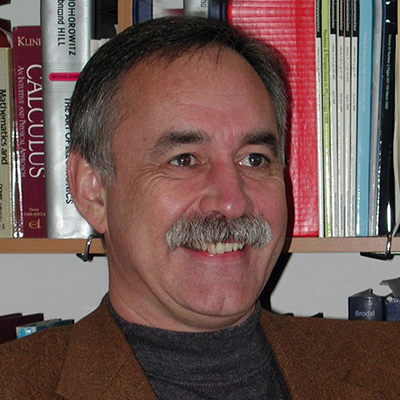
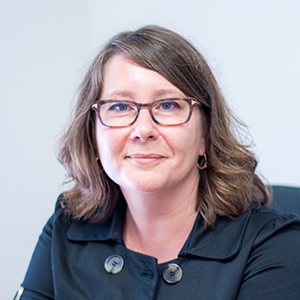
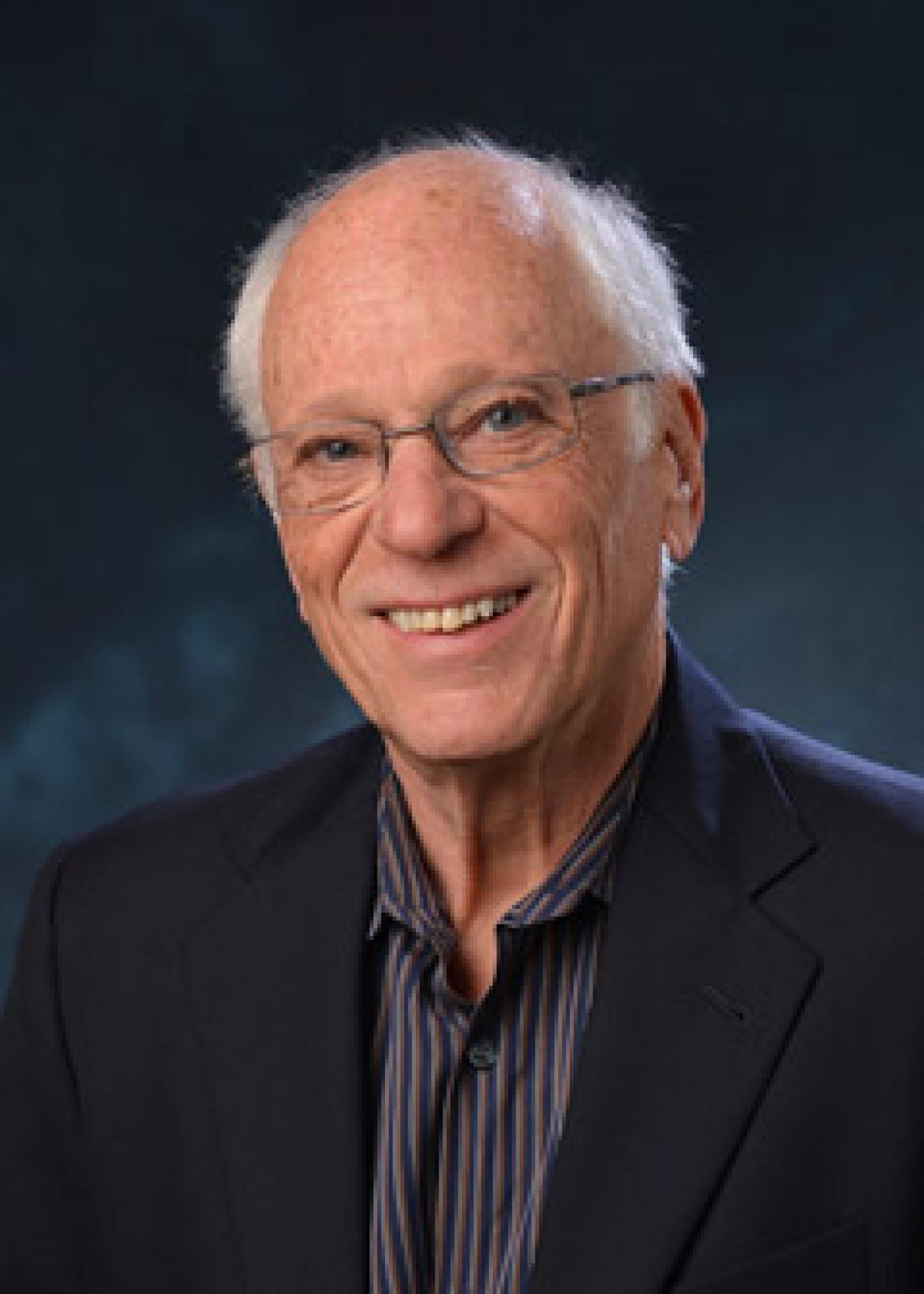
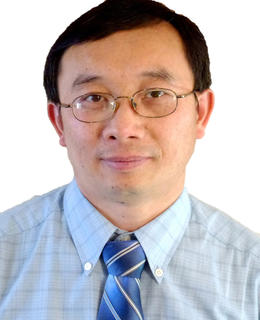
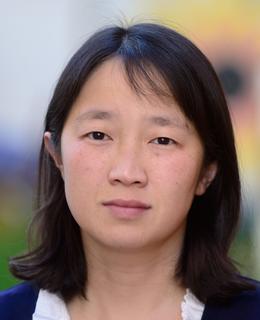
Dr. Cassandra Sampaio Baptista is a Lecturer at the University of Glasgow's School of Psychology & Neuroscience. Her research focuses on brain plasticity in adulthood, particularly exploring how experiences like skill learning or rehabilitation influence structural and functional changes in the brain. She employs neuroimaging techniques such as fMRI neurofeedback and MRI to investigate mechanisms of myelin and white matter plasticity. Her work emphasizes translational applications, including stroke rehabilitation and promoting healthy aging. Key contributions include demonstrating myelin's role in motor learning and developing MRI protocols for white matter analysis. She collaborates on projects funded by the BIAL Foundation (2025–2026) and has supervised multiple postgraduate students. Recent publications highlight studies on oligodendrocyte dynamics, neurofeedback interventions for stroke survivors, and cross-species neuroscience approaches. While no specific awards are listed, her extensive publication record reflects her leadership in neuroplasticity research.
Istvan Mody is a Professor at the University of California, Los Angeles (UCLA) with appointments in the Department of Neurology and Department of Physiology . His research focuses on synaptic signaling in health and disease, including mechanisms of GABAergic transmission, calcium homeostasis, and their roles in neurological disorders such as epilepsy, Alzheimer's disease, Huntington's disease, stress, alcoholism, and postpartum depression. He utilizes advanced techniques like patch-clamp electrophysiology, neuroanatomical and immunohistochemical methods, and molecular biology in animal models and human brain tissue . Research Interests: Dr. Mody investigates the physiology, pharmacology, and pathology of synaptic transmission and extrasynaptic receptor activation , with a particular emphasis on GABA(A) receptors and their subunit-specific modulation. His work explores how disruptions in excitation-inhibition balance contribute to neurological diseases, including mechanisms of tonic inhibition , calcium signaling , and neurosteroid interactions . He also studies the effects of chronic stress and hormonal fluctuations on neural excitability and behavior. Publications Trends: Recent studies highlight his work on gamma oscillations in Alzheimer's models, microglial dynamics , and rehabilitation strategies for stroke. His lab develops optical tools like dqGEVI for neuronal activity monitoring and investigates human brain organoids to model network dysfunction in epilepsy and intellectual disability. Laboratory Location: 635 Charles Young Dr S, Los Angeles, CA 90095, United States.
Sonia Mayoral is the Robert J. and Nancy D. Carney Assistant Professor of Neuroscience at Brown University. Her research focuses on studying cell-cell interactions in the brain, particularly the development and function of oligodendrocytes – glial cells critical for myelin formation. She explores how these cells contribute to myelination, remyelination processes, and their roles in neurological disorders like multiple sclerosis. Her work integrates cellular neuroscience, immunology, and drug screening methodologies. Research interests include glial cell biology, neuron-glial interactions, and the molecular mechanisms governing myelin repair. She investigates how environmental cues and signaling pathways regulate oligodendrocyte differentiation and function. Notable projects involve developing high-throughput screening platforms for MS therapeutics and studying sex-specific responses to neurodegenerative challenges. Her lab’s recent work includes clinical trials (Re-WRAP) evaluating Bazedoxifene for remyelination in women, and fundamental studies on regulatory T cell roles in myelin regeneration. She also examines how mechanical stimulation and epigenetic changes influence oligodendrocyte behavior. Her research bridges basic science and translational efforts, aiming to advance treatments for myelin-related disorders. Dr. Mayoral’s lab is active at Brown University, with a dedicated website detailing ongoing projects and collaborations. While no specific grants or students are listed here, her work reflects a strong focus on interdisciplinary approaches to neurodegenerative disease mechanisms.
Inna Fishman, Ph.D., is a Research Associate Professor at San Diego State University's Department of Psychology within the College of Sciences. Her research investigates brain network organization in autism spectrum disorder (ASD) using multimodal MRI techniques, focusing on developmental trajectories from toddlerhood to adulthood. She directs studies on sensory processing, socioeconomic influences, and neural connectivity patterns in ASD. Research Focus: Dr. Fishman's work bridges social neuroscience and clinical neuropsychology, examining: Early biomarkers of ASD via functional/diffusion MRI Impact of bilingualism and socioeconomic factors on neurodevelopment Sleep disorders and sensory sensitivities in autistic children Aging-related neural changes in adults with ASD Publication Trends: Her recent articles (2021-2025) emphasize: 1) Advanced neuroimaging of ASD across lifespan stages, 2) Machine learning applications for diagnostics, 3) Socioeconomic and environmental modulators of brain development, and 4) Sleep/auditory processing comorbidities. Student Advising & Grants: She mentors doctoral candidates (Lindsay Olson, Jiwandeep Kohli, Bosi Chen) and leads NIH-funded projects including a clinical psychology fellowship for autism evaluation across ages. Laboratory Affiliation: Dr. Fishman co-directs the Brain Development Imaging Laboratories (BDIL), which investigates ASD manifestations through behavioral and neuroimaging approaches.
Dr. Conny Kopp-Scheinpflug is an Associate Professor (PD) at the Faculty of Biology, Ludwig Maximilian University of Munich, where she leads a research group focused on auditory neuroscience. Her laboratory investigates the function and mechanisms of activity-dependent neuromodulation in the mammalian auditory system, with particular interest in how ambient sensory stimulation activates neuromodulators and how these influence neural processing of relevant information. Dr. Kopp-Scheinpflug's research spans auditory neuroscience, neuromodulation, neuronal excitability, and synaptic transmission. She employs electrophysiological (single cell in vivo and patch clamp in brain slices), anatomical, and optogenetic techniques to study how hyper- or hypo stimulation lead to acquisition or loss of function in the auditory system. Her work has significant implications for understanding and potentially treating functional disorders of neuronal excitability. Current research examines potassium channels, nitric oxide signaling, and neuromodulators like urocortin 3 in auditory processing. Analysis of Dr. Kopp-Scheinpflug's recent publications (2016-2022) reveals consistent focus on auditory processing mechanisms, particularly potassium channels (Kv3.1, Kv3.3, Kv1.1), nitric oxide signaling, and activity-dependent changes in myelination. Her research spans molecular mechanisms to systems-level auditory processing, with emphasis on sound localization, temporal processing, and recovery from hearing impairment. Key findings include how sound-evoked activity influences myelination, how nitric oxide regulates postsynaptic excitability, and how urocortin 3 aids hearing recovery. Dr. Kopp-Scheinpflug has secured funding from multiple research agencies. She maintains active collaborations with researchers at Lehigh University (Michael Burger Lab), University of Edinburgh (Matthias Hennig Lab), Ben-Gurion University of the Negev (Michal Hershfinkel Lab), and UCL (Dr. Jennifer Linden). Her laboratory currently includes Ezhilarasan Rajaram, Dr. Mihai Stancu, Oskar Kalle Juhani Markkula, Sara Pagella, and Katharine Krueger. Past lab members who have completed their training include Dr. James Sinclair, Dr. Matthew Fischl, Max Bayer, Alkmini Damkou, Alyahyay Mansour, Leander Mrowka, Joseph Kroeger, and Myriam Schmidt-Pauly.
Li Min is an Associate Professor at the University of California, Los Angeles (UCLA), affiliated with the Department of Anthropology. His research focuses on Chinese prehistoric and Bronze Age archaeology, emphasizing state formation, social memory, and climatic responses. He also studies maritime archaeology of the Asiatic Trade in the Early Modern Era, using ceramic analysis to trace global trade impacts. Li teaches graduate seminars in archaeology theories and undergraduate courses on Chinese civilizations, collaborating across Anthropology, Asian Languages and Cultures, and the Interdepartmental Program of Archaeology. He co-directs the Wen-Si River Basin archaeological project with Chinese institutions. His 2018 book, Social Memory and State Formation in Early China , is a key contribution to the field. His education includes a Ph.D. from the University of Michigan (2008). Research interests further encompass landscape archaeology, integrating ceramics analysis with remote sensing and historical records. Subfield expertise includes social archaeology, material culture studies, and historical anthropology. Recent publications (2023–2025) concentrate on neuro-oncology imaging innovations, including MRI techniques for glioma characterization, adaptive clinical trials (e.g., GBM AGILE), and biomarker development. These studies highlight advanced applications of AI in medical imaging and molecular targeting therapies for brain tumors. Despite no listed awards, his work on imaging biomarkers and tumor response assessment has advanced clinical neuro-oncology standards. He advises on interdisciplinary collaborations, such as the Wen-Si project, and participates in global clinical trials for glioblastoma therapies.
Naftali Raz is a Professor of Psychology at Stony Brook University, specializing in Integrative Neuroscience. He holds a Ph.D. from the University of Texas at Austin (1985) and a B.A. from the Hebrew University of Jerusalem (1979). His research focuses on understanding age-related changes in the brain and cognition, particularly exploring metabolic, vascular, and inflammatory risk factors influencing cognitive aging. He employs neuroimaging techniques such as MRI, MRS, and fMRI to study brain structure, function, and metabolism in healthy aging populations. Raz’s research emphasizes the 'FRIENDS' model (Free-Radical Induced Energetic and Neural Decline in Senescence), linking aging to energy production decline. His work includes longitudinal studies on brain atrophy, myelin content, and iron accumulation. He investigates how physiological risk factors like cardiovascular disease and metabolic syndrome impact neurocognitive trajectories. Current grants include NIA funding for neural correlates of cognitive aging and hippocampal glutamate modulation studies. Education: Ph.D. in Psychology, University of Texas at Austin (1985) B.A. in Psychology, Hebrew University, Jerusalem, Israel (1979) Labs/Facilities: Integrative Neuroscience Group, SCAN Center (Stony Brook Advanced Neuroimaging) His publications span over three decades, with recent works on recognition memory strategies, hippocampal subfield analysis, and cerebral blood flow dynamics. Collaborations include multi-institutional projects on neuroimaging protocols and aging mechanisms.
Robert Hill is an Associate Professor at Dartmouth College, affiliated with the Biological Sciences department and the Dartmouth Graduate Program in Integrative Neuroscience and Molecular & Cellular Biology. His lab studies neuron-glia interactions focusing on oligodendrocyte development, plasticity, and regeneration in contexts like multiple sclerosis, aging, and Alzheimer's disease. Techniques include high-resolution optical imaging, molecular labels, genetic manipulation, and cellular physiology sensors. Education: B.S. from Trinity College, Ph.D. from University of Connecticut, Postdoctoral Fellow at Yale School of Medicine Research interests span Neuroscience , Developmental Biology , Myelination , and Neurodegenerative Diseases . Recent work explores mitochondrial reorganization in oligodendrocyte generation, CX3CR1-mediated microglial phagocytosis, and age-related myelin plasticity. Scientific awards include the Klingenstein-Simons Fellowship (2022). His lab has received NIH R01 grants (2021, 2025) and seed funding from the Brain Research Foundation (2019). Current lab members include PhD students Zoela Gilani, Kiera Schwarz, and postdoctoral fellows like Yasmine Kamen.
Professor David Bannerman is a leading academic in Behavioral Neuroscience at the University of Oxford's Department of Psychiatry. He heads the Behavioural Neuroscience Unit, focusing on neural mechanisms underlying anxiety, learning, and memory. His research integrates neurophysiological, genetic, and pharmacological approaches to study neuropsychiatric disorders such as Alzheimer’s, schizophrenia, and sleep disturbances. Education: BSc (Hons) and PhD qualifications are listed. His research interests span synaptic plasticity, neurodegenerative processes, and the neurobiology of fear/anxiety. Notable areas include the role of orexin pathways in anxiety, tau protein effects on spatial cognition, and the impact of psychedelics like 5-MeO-DMT on neural states. He also investigates sleep spindles’ role in brain state regulation and the consequences of SSRI discontinuation on serotonergic systems. Recent work emphasizes Alzheimer’s disease mechanisms (e.g., amyloid β’s synaptic effects), schizophrenia models (NMDA receptor dysfunction), and the neuroplasticity linked to working memory training. His lab employs cutting-edge techniques, including optogenetics and in vivo neural recordings, to dissect complex behaviors and circuit-level dysfunction. His publications highlight interdisciplinary approaches, bridging basic neuroscience with translational research. Key themes include: synaptic dysfunction in neurodegeneration, environmental influences on neurobehavioral outcomes (e.g., magnetic fields), and the neurobiological basis of psychiatric symptomatology.
Rick Dobrowsky is a Professor and Director of the Graduate Program in Neuroscience at the University of Kansas School of Pharmacy , Department of Pharmacology & Toxicology. His research focuses on diabetic peripheral neuropathy, molecular chaperones, and sphingolipid signaling in neuronal degeneration. Location: Malott Hall, Room 5064, Lawrence, KS Contact: dobrowsky@ku.edu | 785-864-3531 Research Overview : The Dobrowsky Lab investigates how hyperglycemia alters neurotrophin signaling and mitochondrial proteomes in diabetic neuropathy. Key projects include: Hyperglycemia and IGF-1 signaling effects on superoxide generation Neuregulinism's role in segmental demyelination Development of HSP90 inhibitors for neuroprotection Publications (15 Most Recent): 2025: PERK signaling and Cemdomespib therapy in Charcot-Marie-Tooth disease 2024: Demyelination progression in R75W-Connexin 32 models 2023: Biphenyl amides as HSP90/HSP70 modulators 2022: Cyclohexyl noviomimetics and mitochondrial function 2021: HSP70/thioredoxin interactions in diabetic neurons 2020: HSP90 inhibition and c-Jun proteasomal clearance 2019: Mitochondrial superoxide reduction with KU-596 2018: HSP70 targeting for demyelination 2016: Cemdomespib and neurotrophin receptor dynamics 2015: Molecular chaperones and mitochondrial bioenergetics 2014: KU-32 and heat shock protein mechanisms 2013: Neuregulin-1 isoforms in diabetic neuropathy 2012: C-terminal HSP90 inhibitors in sensory neuron protection 2011: Mitochondrial proteome changes in diabetes 2010: P35/CDK5 in beta-amyloid toxicity
Steven F. Maier is a Distinguished Research Professor in Behavioral Neuroscience at the University of Colorado, serving as Director of the Center for Neuroscience. His PhD was awarded by the University of Pennsylvania in 1968. His research focuses on neurochemistry and neuropharmacology of stress, drug addiction, and bidirectional brain-immune interactions. Key areas include psychoneuroimmunology, neuroinflammation, and the mechanisms underlying stress-induced cognitive and behavioral changes. Research highlights include studies on SARS-CoV-2-induced neuroinflammation, the role of probiotics in mitigating CNS inflammation, and the impact of stress controllability on resilience. His work also explores exercise-mediated neuroprotection, TLR signaling in opioid-induced cognitive dysfunction, and Mycobacterium vaccae's effects on stress resilience. The Maier/Watkins Laboratory employs rodent models to investigate these topics. Recent articles emphasize neuroinflammatory priming, the interplay between stress and immune signaling, and translational applications of immunomodulation. His studies often integrate behavioral, biochemical, and molecular approaches to dissect complex neurobiological pathways. Ongoing work addresses age-related neuroinflammatory sensitization and novel therapeutic strategies for chronic pain and cognitive decline.
Dr. Chang-Chun Ling is a Professor in the Department of Chemistry at the University of Calgary, affiliated with the Arnie Charbonneau Cancer Institute. He holds a PhD from the Université de Paris Sud (1991) and completed postdoctoral research in Dublin, Paris, and Edmonton. His research focuses on bioorganic chemistry, carbohydrate-based vaccines, glycosyltransferase inhibitors, and neuroinflammation modulation. He leads projects at the Alberta Glycomics Centre targeting infectious diseases and cancer. Education: B.S. Chemistry, University of Lanzhou, 1986 PhD Chemistry, Université de Paris Sud, 1991 Research interests include carbohydrate-protein interactions, synthetic carbohydrate chemistry, and glycoconjugate vaccines. His lab explores inhibitors for tumor-associated enzymes, conjugate vaccine design, and ECM-driven neuroinflammation in multiple sclerosis and stroke. Key achievements include developing fluorinated glycans for myelin regeneration and cyclodextrin-based liquid crystal electrolytes. Notable awards include the Alberta/Pfizer Translational Research Fund Award (2013) and Alberta Ingenuity New Faculty Award (2007). Current projects involve multidisciplinary approaches to combat multidrug-resistant infections and autoimmune conditions.
Jose Luis Cantero Lorente is a University Professor in the Department of Physiology, Anatomy and Cell Biology at Pablo de Olavide University, specializing in neuroscience with a primary focus on Alzheimer's disease and neurodegenerative disorders. His work bridges electrophysiology, neuroimaging, and biomarker discovery to understand cognitive decline in aging. Education: Doctorate from the University of Seville (1999) with thesis: "Electrophysiological characterization of alpha activity in three states of brain activation in human subjects: relaxed wakefulness, drowsiness and REM phase", supervised by Dr. Carlos María Gómez González. Research Interests: Dr. Cantero Lorente's research spans Alzheimer's Disease , Neuroscience , and Biomarkers , with emphasis on early detection mechanisms through salivary, blood, and CSF analysis. He investigates sleep-memory interactions , metabolic drivers of neurodegeneration (e.g., insulin resistance), and neuroinflammatory pathways using multimodal approaches including proteomics, lipidomics, and functional MRI. His pioneering work established salivary lactoferrin as a diagnostic tool for Alzheimer's. Publication Trends: His 2022-2025 publications reveal a strategic shift toward multimodal biomarker integration , combining amyloid-beta, tau, and metabolic markers for early Alzheimer's detection. Key themes include Parkinson's disease proteomics (e.g., candesartan neuroprotection), herpes virus-amyloid links in aging, and intracortical myelin alterations as precursors to cognitive decline. Recent work increasingly incorporates machine learning for database analysis and explores angiotensin-based neuroprotective strategies. Scientific Awards: No awards were specified in the source material. Advising and Grants: He supervises doctoral candidates in the Biotechnology, Biomedicine and Health Sciences program at Pablo de Olavide University, specifically guiding the "Early Detection of Alzheimer's Disease" track. His research is supported by Spain's PAIDI framework (Health Science and Techniques), with projects focusing on interdisciplinary audiological databases and neural network alterations in mild cognitive impairment. Labs and Teams: As leader of the LNF Functional Neuroscience research group, he directs studies on electrophysiological correlates of cognitive decline, utilizing EEG, MRI, and molecular techniques to map structural-functional brain changes in Alzheimer's progression. The group collaborates extensively on national initiatives for biomarker validation in neurodegenerative diseases.
Dr. Thomas Neylan is a Professor in Residence in the Departments of Psychiatry and Neurology at the University of California, San Francisco (UCSF) School of Medicine. He serves as the Director of the Posttraumatic Stress Disorders (PTSD) Clinic and the Stress and Health Research Program at the San Francisco Veterans Affairs Medical Center. His work bridges clinical practice, research, and education in the fields of trauma, sleep, and neurodegenerative disorders. Dr. Neylan's research primarily focuses on the role of sleep in emotion regulation, cognitive function, and metabolic health, particularly in patients with PTSD and aging populations with neurodegenerative disorders. His work spans several key areas including the mechanisms linking trauma to PTSD development, sleep disturbances in neurodegenerative conditions, and the development of novel treatments for trauma-related disorders. He has pioneered research examining how sleep dysfunction contributes to PTSD pathophysiology and has investigated the role of maladaptive myelination as a mechanism underlying brain abnormalities associated with PTSD. Dr. Neylan's scientific contributions have been recognized with prestigious awards including the UCSF 2017 J. Elliott Royer Award for Academic Psychiatry and the International Society for Traumatic Stress Studies 2021 Laufer Outstanding Scientific Achievement Award. His research has been consistently funded by major organizations including the National Institute of Aging, National Institute of Mental Health, National Institute of Justice, Department of Defense, Department of Veterans Affairs, and various foundations. As a principal investigator, Dr. Neylan has led numerous significant research projects, including studies on sleep and circadian factors in PTSD risk and resilience, human-animal translational studies of myelination in PTSD, and clinical trials of novel treatments for PTSD. His work often takes a multidisciplinary approach, integrating neuroscience, psychology, and clinical medicine to advance our understanding of trauma-related disorders.
Ning Cheng is an Assistant Professor (Teaching & Research) at the University of Calgary's Faculty of Veterinary Medicine, with affiliations to the Alberta Children's Hospital Research Institute (ACHRI) and Hotchkiss Brain Institute (HBI). Their research focuses on neurodevelopmental disorders, particularly autism and Fragile X Syndrome, using rodent models to investigate mechanisms and develop experimental therapeutics. PhD in neuroscience from Johns Hopkins School of Medicine Postdoctoral work on neurological disorders at NIH Research spans molecular mechanisms, neural circuitry, and translational approaches to address social, communication, and behavioral challenges in autism spectrum disorders. The lab utilizes in vivo recording/modulation of brain activity, biochemical analyses, and multidisciplinary collaborations. Recent publications highlight expertise in EEG biomarker discovery, auditory processing abnormalities, ketogenic diet interventions, and ERK pathway modulation in mouse models of neurodevelopmental conditions. Key technologies developed include wireless cortical hemodynamic monitoring systems (TinyIOMS) and open-source electrophysiology tools (OSERR). As part of ACHRI's Precision Medicine & Disease Mechanisms program and HBI's Neurodevelopment/SCNIP strategic initiatives, Cheng contributes to university-wide efforts in Brain and Mental Health (2015-2021) and Child Health and Wellness (2020-2025).