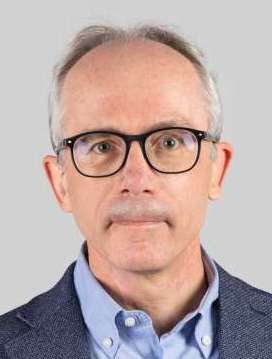
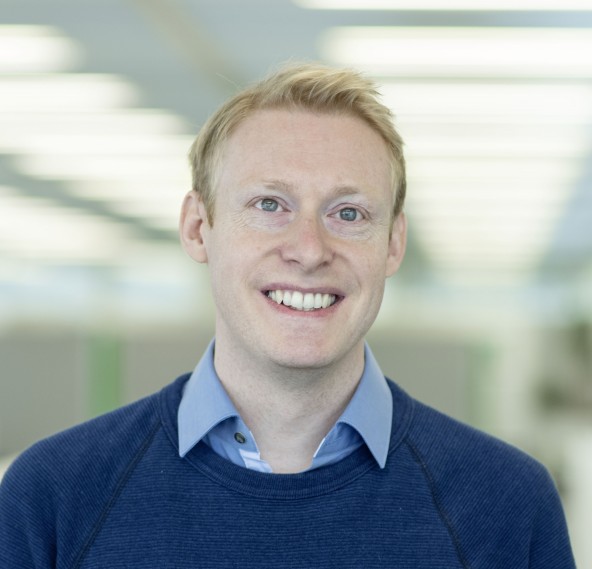
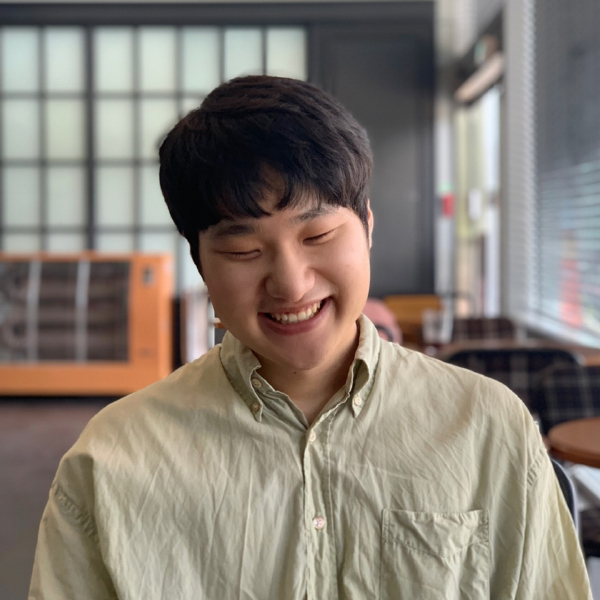
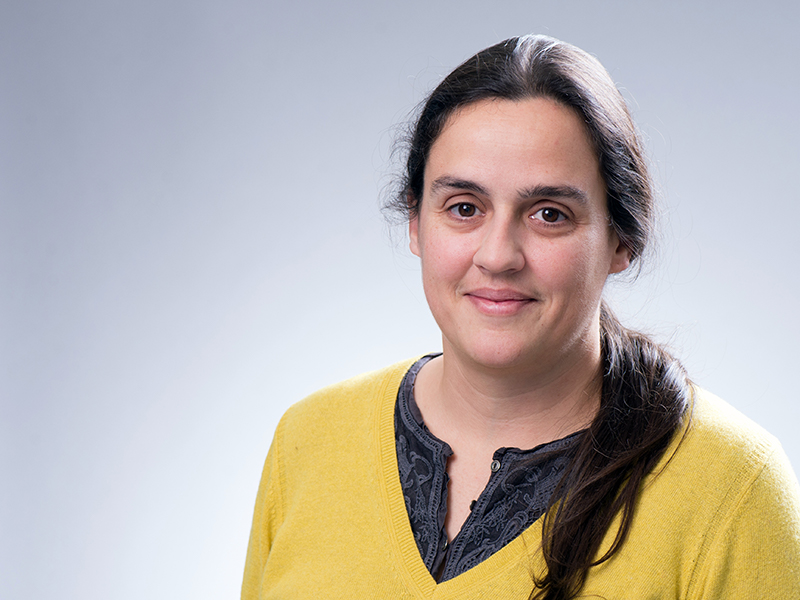
Paolo Tonella is a Full Professor and Director of the Software Institute at the Faculty of Informatics, Università della Svizzera italiana (USI) in Lugano, Switzerland. He also holds an Honorary Professorship at University College London (UK) and previously led the Software Engineering group at Fondazione Bruno Kessler (Italy). His research focuses on software testing, analysis, and AI-driven systems. He has authored over 200 peer-reviewed papers and 100 journal articles, with an H-index of 72. He teaches courses in Data and Software Engineering and Informatics, including Information Modeling, Probability & Statistics, and Knowledge Search. Key contributions include foundational work on web application testing (ICSE MIP award), evolutionary testing techniques (eToc/EvoSuite tools), and reverse engineering of object-oriented systems. He led the ERC-funded PRECRIME project on anticipatory testing. His recent work addresses AI dependability, autonomous systems testing, and deep learning fault analysis. Scientific awards include the ICSE MIP Award (2001) and ERC Advanced Grant (2018). He has served on editorial boards for major journals like IEEE Transactions on Software Engineering and ACM TOSEM. Current roles include leadership in the Software Institute and organizing the SIESTA summer school.
Swiss Federal Institute of Technology in LausanneSwitzerland
Mathias Payer is an Associate Professor at EPFL's School of Computer and Communication Sciences (IC), leading the HexHive Laboratory . His work focuses on software security, particularly addressing memory corruption and type violations through binary analysis and compiler-based techniques. He contributes to research in secure system design, fault isolation, and fuzzing methodologies. Current PhD students : Di Bartolomeo Luca, Feng Zhiyao, Hofhammer Florian, Lyu Tao, Mao Philipp Yuxiang, Zhang Chibin, Zheng Han Past EPFL PhD students: Badoux Nicolas Daniel, Bhattacharyya Atri, Hazimeh Ahmad His research explores software security in areas like: Protecting applications from vulnerabilities Binary exploitation and mitigation Compiler-driven security hardening Strong sanitization and privilege separation Memory corruption detection The HexHive group develops tools and frameworks for: Automated fuzz driver generation Gradual compartmentalization State inference for feedback optimization Secure cell architectures Recent publications highlight advancements in: Fuzzing hybrid approaches (e.g., DUMPLING, MendelFuzz) Memory safety validation (QMSan, Pacmem) Compiler-assisted defenses (Gradient, Type++)
Carlo Alberto Furia is an Associate Professor and Vice Dean at the Faculty of Informatics, Università della Svizzera italiana (USI). He is affiliated with the Software Institute, where he leads the ATOM research group. His academic journey includes prior roles as an Associate Professor at Chalmers University of Technology and a Senior Researcher at ETH Zurich’s Chair of Software Engineering. PhD in Computer Science, Politecnico di Milano Master of Science in Computer Science, University of Illinois at Chicago Laurea in Computer Science and Engineering, Politecnico di Milano His research centers on formal methods for software engineering, aiming to enhance software correctness, reliability, and quality through rigorous techniques. Key areas include automated program verification, contract-based development, loop invariant inference, and empirical evaluation using Bayesian data analysis. He emphasizes practical applicability and automation in formal methods. His recent publications reflect a strong focus on program analysis at the bytecode level, multilingual software analysis, automated repair of Android security issues, and empirical methodologies. These works span topics such as JVM substitutability, exception behavior in Java bytecode, and information flow security, demonstrating a consistent thread in improving software robustness through formal and automated techniques. He is actively involved in the software engineering research community as an Associate Editor of the Empirical Software Engineering (EMSE) journal and as a Program Committee member for major conferences including FASE, FM, ASE, ICSE, and CauSE. Carlo Furia has advised multiple research projects and supervised student theses. He has led and contributed to funded research initiatives, particularly in program analysis and verification. His group has developed tools such as AutoProof and other software artifacts available through the ATOM software page. He regularly teaches courses such as Software Analysis, Programming Fundamentals, and Software Design & Modeling. He leads the ATOM research group, which focuses on advancing automated techniques for software testing, analysis, and verification. The group develops practical tools and conducts empirical studies to validate research outcomes.
Prof. Dr. Soeren Lienkamp is an Assistant Professor at the Institute of Anatomy , Faculty of Medicine , University of Zurich . His work bridges digital education and genetic research , focusing on enhancing medical teaching through innovative formats. Research Interests : Genetics, developmental biology, kidney disease modeling, CRISPR applications, digital medical education, and advanced microscopy. Methodologies : Combines Xenopus tropicalis models, deep learning , and bioengineering to study genetic kidney disorders and improve diagnostic tools. Publication Trends : His recent articles highlight predictable genome editing , 3D imaging technologies , and mechanistic insights into kidney and eye development. Earlier works focus on ciliary function , Wnt signaling , and metabolic stress in renal cells.
Jinhan Kim is a Postdoctoral Researcher at the Università della Svizzera italiana (USI) in the Faculty of Informatics, working in the TAU lab under Prof. Paolo Tonella. He earned his Ph.D. from KAIST under Prof. Shin Yoo, focusing on software engineering research in mutation testing, fault localization, and deep learning system testing. His work bridges traditional software engineering techniques with AI-driven methodologies, emphasizing AI4SE and SE4AI paradigms. Education: Ph.D. in Software Engineering, KAIST, 2023 Research Interests: Mutation Testing Deep Learning System Testing Autonomous Systems Testing Adversarial Attack Detection Empirical Software Engineering Service and Leadership: Organized SBFT 2026 and DeepTest 2026 (co-located with ICSE 2026) Program Committee Member for ASE, ISSTA, Mutation, and DeMeSSAI Board of Distinguished Reviewers for TOSEM (2024–2025) Labs and Teams: Active contributor to the TAU Lab at USI, focusing on advanced software testing and AI integration.
Nargiz Humbatova is a postdoctoral researcher at the Testing Automated (TAU) research group within the Software Institute (SI) at Università della Svizzera italiana (USI). She holds a PhD from USI (2023), an MSc in Advanced Computing from the University of Bristol, and a BSc in Mathematics from Moscow State University. Her research focuses on mutation testing of deep learning systems, fault localization, and program repair, with a particular emphasis on real-world fault analysis and testing methodologies for AI systems. Education: PhD in Informatics, Università della Svizzera italiana (2023) MSc in Advanced Computing, University of Bristol BSc in Mathematics, Moscow State University Research interests include mutation testing techniques, test input prioritization, deep learning fault benchmarks, and the application of large language models (LLMs) to fault localization and repair. She has contributed to the ERC-AdG project PRECRIME, dedicated to testing AI-based systems. Her work emphasizes practical validation through empirical studies and real-world fault injection. Her publications span topics such as mutation testing pipelines (e.g., muPRL), spectral analysis of neural activation values, and the development of tools like DeepCrime for deep learning testing. These articles highlight advancements in evaluating and improving the robustness of AI systems through rigorous testing frameworks. Labs/Teams: Member of the TAU (Testing Automated) research group at USI’s Software Institute, collaborating on interdisciplinary projects at the intersection of software engineering and artificial intelligence.
Caroline Arber Barth is an Associate Professor at the University of Lausanne (UNIL), affiliated with the Faculty of Biology and Medicine and the UNIL-CHUV Department of Oncology. She specializes in hematology and immuno-oncology, with a focus on hematopoietic cell transplantation and immunotherapy using genetically modified cells. Her research spans basic, translational, and clinical domains, aiming to improve cancer immunotherapies through adoptive T cell transfer and neoantigen identification. She has pioneered approaches to reduce post-transplant infections and enhance immune reconstitution. Her work targets long-term tumor control while minimizing toxicity in patients. The trends in her publications reflect a strong focus on cellular therapies, particularly CAR-T and TCR-modified T cells, for treating hematological malignancies such as leukemia, lymphoma, and myeloma. Her research integrates molecular engineering, tumor immunology, and clinical applications, emphasizing personalized treatment strategies. Awarded international recognition, her scientific honors include: Dean's Recognition, Stanford University (2002) L'Oréal UNESCO Award for Women in Science (2010) Award from the American Society of Bone Marrow Transplantation (2012) Award from the American Society of Hematology (2013) She has secured major research funding from the NIH, SNSF, Oncosuisse, the Leukemia and Lymphoma Society, and the Cancer Prevention and Research Institute of Texas. She has supervised multiple undergraduate and doctoral students and is actively involved in teaching at both Swiss and U.S. institutions. Her laboratory, based at the Center for Cellular and Gene Therapy (CAGT) during her time in Houston and now at UNIL-CHUV, focuses on developing next-generation cell therapies for cancer.
Prof. Dr. Annette Liesegang serves as a Professor at the Institute of Animal Nutrition and Dietetics within the Vetsuisse Faculty of the University of Zurich. Her research focuses on bone and cartilage physiology, obesity, and clinical nutrition impacts across multiple animal species including ruminants, dogs, reptiles, pigs, and birds. Her primary research interests encompass bone metabolism, mineral nutrition, comparative physiology, and veterinary diagnostics. She specializes in bone marker analysis, bone mineral density measurement via quantitative peripheral computed tomography, and calcium absorption mechanisms using immunohistochemical methods. Her work investigates physiological and nutritional influences on bone resorption/formation dynamics during critical periods like gestation and lactation, with extensive species-specific expertise. Analysis of her 2024-2025 publications reveals dominant research themes in calcium metabolism (particularly in sheep/goats), urolithiasis pathogenesis across species, vitamin D optimization, and clinical dietary interventions for conditions like intestinal malabsorption. Methodological innovations include in-vitro digestion models and UVB-irradiated feed development, reflecting her translational approach from basic bone physiology to practical animal nutrition solutions. Scientific awards: No scientific awards were documented in the provided materials. Prof. Liesegang mentors thesis students and leads collaborative research projects, notably with Prof. Brigitte von Rechenberg on growth plate physiology in foals and lambs. Her work leverages institutional facilities including specialized CT equipment and laboratory infrastructure for biochemical analysis, though specific grant details remain unreported in the source text. The Institute of Animal Nutrition and Dietetics operates dedicated animal research facilities with stables for multiple species and managed sheep/goat herds under veterinary supervision. These resources enable controlled studies on bone metabolism, dietary interventions, and species-specific nutrition, supporting her extensive publication record in veterinary and comparative nutrition science.
Dr. Yuanyuan Yuan is a Researcher at the Department of Computer Science, ETH Zurich, Switzerland, based at CNB H 104.1, Universitätstrasse 6, 8092 Zurich. Her work bridges computer security and machine learning with a focus on practical vulnerabilities in deployed AI systems. Her research centers on exposing and mitigating security flaws in deep learning deployments, particularly targeting trusted execution environments (TEEs) and on-device inference systems. Key contributions include pioneering side-channel attacks against TEE-shielded neural networks (CipherSteal, HyperTheft), bit-flip attack surfaces in DNN executables (BitShield), and novel testing methodologies for neural network robustness. She investigates cache/timing side channels, ciphertext analysis, privacy leakage in partitioned ML, and concept-based explainability. Analysis of her 2023-2025 publications reveals a cohesive focus on offensive security research for AI infrastructures, with consistent contributions to top venues in security and machine learning. Her work demonstrates expertise in low-level system interactions (memory, cryptography) applied to ML security, spanning attack vectors, defensive mechanisms, and validation frameworks. The research trajectory shows increasing sophistication in exploiting hardware-software interfaces while developing practical hardening techniques for real-world deployments.
Matteo Biagiola is a Researcher in the Faculty of Informatics at Università della Svizzera italiana (USI), Lugano, Switzerland, and a PostDoctoral researcher at the University of St. Gallen (HSG). He specializes in software testing, particularly test generation for Web applications, deep reinforcement learning systems, and autonomous driving software. His work focuses on enhancing AI robustness through testing and improving software testing via AI techniques. Biagiola holds a Ph.D. from Università degli Studi di Genova (Italy) in collaboration with Fondazione Bruno Kessler, Trento. He has conducted postdoctoral research at USI on the Precrime ERC Advanced Grant project under Paolo Tonella. His research tools include μPRL (mutation testing for RL agents), STILE (web test parallelization), and GenBo (boundary state generation for autonomous systems). Education: Ph.D.: Università degli Studi di Genova / Fondazione Bruno Kessler (2016–2020) M.Sc.: Università Politecnica delle Marche (2014–2016) Affiliations: PostDoc & Scientific Collaborator: University of St. Gallen / USI (2025–present) PostDoc: USI (2020–2025) Visiting Ph.D. Student: University of British Columbia (2018) His research interests span AI-driven testing tools, autonomous system validation, and simulation-based testing. He has received the Distinguished Paper Award at ICST 2025 and serves on program committees for major conferences like FSE, ICSE, and ICST. He co-organizes workshops like DeepTest (co-located with ICSE) and the Cyber-Physical Systems tool competition (SBFT).
Prof. Dr. med. Janine Reichenbach is a full professor and head of the Somatic Gene Therapy department at the University of Zurich, affiliated with the University Children's Hospital Zurich. She holds dual board certifications in Pediatrics and Adolescent Medicine (Germany/Switzerland) and Allergology & Clinical Immunology (Switzerland). Her career spans over two decades of translational research bridging basic science and clinical implementation of gene therapies. Education: MD from Goethe University Frankfurt (1995-1997), medical training in Germany (1997-2000), and specialist certifications in Switzerland (2005-2009). Research Focus: Translational development of hematopoietic stem cell-based gene therapies for primary immunodeficiencies, particularly chronic granulomatous disease (CGD) and ataxia telangiectasia (A-T). Key projects include lentiviral vector design, genome editing at ATM locus, and myeloid-targeted therapies with brain-crossing potential. Awards: Recipient of the 2010 Walther und Gertrud Siegenthaler Stiftung prize. Grants: Leads Swiss National Science Foundation projects, University Research Priority Programs (URPP Itinerare), Clinical Research Priority Programs (CRPP ImmuGene), and Wyss Centre collaborations. Leadership: Principal investigator in EU-FP7 projects CELL-PID and NET4CGD, steering committee member for SCID newborn screening, and co-founder of international research networks.
Western Switzerland University of Applied SciencesSwitzerland
Professor Zinn Manfred serves as a Professor HES Ordinaire and leads the Biotechnology and Sustainable Chemistry research group at HES-SO Valais-Wallis, specifically within the Haute Ecole d'Ingénierie (School of Engineering) in the Department of Chemistry and Life Sciences. His work focuses on developing sustainable biopolymer solutions with emphasis on biodegradable materials that can replace conventional plastics. Professor Zinn's primary research interests center around biotechnology and sustainable chemistry, particularly in the field of polyhydroxyalkanoates (PHA) and other bioplastics. His work spans microbial biosynthesis of biopolymers, process analytical technology for bioreactor monitoring, biocompatibility testing, and the development of sustainable production methods using renewable resources. His research addresses critical environmental challenges related to plastic pollution by developing biodegradable alternatives with applications in biomedical engineering, packaging, and other industrial sectors. He investigates both fundamental microbial metabolism and applied industrial scale-up challenges, working at the intersection of microbiology, polymer science, and process engineering. Analysis of Professor Zinn's publication record reveals a strong focus on advancing biodegradable polymer technology, particularly polyhydroxyalkanoates (PHA). His work spans fundamental research on microbial biosynthesis mechanisms, enzyme engineering for improved polymer production, and practical applications of bioplastics in industrial settings. A significant portion of his recent work addresses the challenges in scaling up bioplastic production and bringing these materials to market, including metallization techniques for biodegradable plastics, continuous production methods, and value chain analysis for commercialization. His research demonstrates an integrated approach that combines microbiology, polymer chemistry, and process engineering to develop sustainable materials solutions. Prime de soutien au montage de projets Innosuisse - projet "Biosynthesis of Chlorella" (2019-2024) FNS IZJFZ2_185638 / 1 Electroplating processes for biodegradable materials (2019-2023) ITV19socle_Online flow cytometry analysis of microbial bioplastic production (2019) BIOFLEX, HES-SO Interdisciplinary Programme (2013-2015) Professor Zinn has secured significant research funding from multiple sources including Innosuisse, the Swiss National Science Foundation (FNS), and internal HES-SO grants. His projects typically involve interdisciplinary collaboration with researchers across Switzerland and internationally, such as with the Frauenhofer Institute and Chulalongkorn University Bangkok. He has supervised numerous research projects focusing on bioplastic production, characterization, and application development. His laboratory, the Biotechnology and Sustainable Chemistry research group, employs advanced techniques including flow cytometry for bioprocess monitoring, bioreactor systems for microbial cultivation, and polymer characterization methods. The group actively develops methods for producing PHA from various carbon sources, including waste streams and synthesis gas, with applications ranging from medical devices to sustainable packaging solutions.
Patrice Nordmann is a Full Professor in the Department of Medicine at the University of Fribourg, part of the Faculty of Mathematics, Natural Sciences and Medicine. His research focuses on antibiotic resistance mechanisms, particularly in Gram-negative bacteria, with an emphasis on beta-lactamase inhibitors, carbapenemase-producing pathogens, and novel antibiotic combinations. He leads studies on rapid diagnostic methods for antimicrobial susceptibility testing and investigates pharmacokinetic/pharmacodynamic interactions of last-resort antibiotics. His work bridges clinical microbiology, molecular biology, and therapeutic innovation to combat multidrug-resistant infections. Research interests include: antimicrobial resistance mechanisms, beta-lactamase enzymology, antibiotic susceptibility testing methodologies, and pharmacodynamic optimization of combination therapies. Recent studies explore resistance emergence to novel agents like cefiderocol, ceftazidime-avibactam, and meropenem-vaborbactam, as well as cross-resistance patterns in KPC, NDM, and OXA-producing strains. Key contributions involve developing rapid diagnostic tools such as the Rapid CAZ/AVI NP Test and evaluating synergistic antibiotic pairs against carbapenem-resistant Acinetobacter baumannii and Pseudomonas aeruginosa. His studies also address epidemiological aspects like plasmid-mediated resistance in veterinary and human clinical settings. Notable collaborations include genomic analyses of Klebsiella pneumoniae and Acinetobacter baumannii isolates, and investigations into the role of porin modifications and efflux pumps in antibiotic resistance. His work frequently integrates in vitro time-kill models with clinical trial data to inform treatment regimens.
Diana Hall is an Associate Professor at the Faculty of Biology and Medicine, University of Lausanne (UNIL), and leads research at the Forensic Genetics Unit of the Romandie University Center for Forensic Medicine (CURML) since 2010. She also teaches at the UNIL School of Criminal Justice and was appointed to her current academic rank in 2024. Her research focuses on forensic genetics, particularly the development of molecular methods for analyzing complex and unbalanced DNA mixtures. Her pioneering work on DIP-STR markers has advanced forensic DNA profiling in criminal investigations, prenatal paternity testing, and transplant monitoring. She has conducted extensive research on individual ancestry inference using genetic markers as investigative leads. The recent publications highlight a consistent trend in the development and validation of DIP-STR technology for forensic applications, especially in cases involving trace DNA, touch samples, and high-ratio mixtures. These studies demonstrate both technical innovation and practical implementation in real forensic settings. Scientific Affiliations: Faculty of Biology and Medicine, University of Lausanne Romandie University Center for Forensic Medicine (CURML) UNIL School of Criminal Justice Research and Advising: Diana Hall leads a research group focused on novel molecular approaches in forensic genetics. She has not publicly listed any students, but her team has produced impactful research in forensic DNA analysis. Her work is supported by institutional affiliations rather than specific grant mentions in the text. She has contributed significantly to forensic science through methodological innovation. Laboratories and Teams: She is affiliated with the Forensic Genetics Unit at CURML, where her research integrates molecular biology, genetics, and forensic science to solve practical challenges in criminal justice and clinical monitoring.
Roland Robert Regös serves as a Lecturer at ETH Zurich's Department of Environmental Systems Science within the Institute of Integrative Biology. His research bridges theoretical modeling and empirical studies to investigate evolutionary dynamics in infectious disease systems, with particular focus on viral evolution, antimicrobial resistance mechanisms, and host-pathogen coevolution. His primary research domains include Evolutionary Ecology , Infectious Disease Modeling , and Antimicrobial Resistance , employing mathematical frameworks to analyze pathogen adaptation across diverse systems from HIV to bacterial infections. Current investigations examine resistance evolution under drug pressure, viral transmission bottlenecks, and the interplay between host immunity and pathogen persistence. Analysis of his recent publications (2018-2021) reveals consistent methodological integration of mathematical modeling with experimental evolution across virology and bacteriology. Key thematic clusters include HIV evolutionary dynamics (40% of recent work), antimicrobial resistance mechanisms (35%), and host-pathogen interaction modeling (25%), demonstrating cross-cutting applications in pandemic response and therapeutic development.