Dr. Saima Ahmad is a Senior Lecturer at RMIT University's School of Management, focusing on cultivating sustainable work environments and investigating leadership's impact on individual well-being. With a PhD in Management from Monash University, her research spans organizational behavior, workplace dynamics, and leadership ethics, addressing critical issues such as bullying, resilience, and digital disruption. She coordinates courses in the RMIT MBA program and serves on editorial boards for the European Management Journal and PLoS One . Education: PhD in Management from Monash University Her research emphasizes positive leadership styles and their influence on employee engagement and organizational sustainability. Recent work explores servant leadership in the construction industry and the role of green human resource management in fostering environmental citizenship. She has pioneered studies on workplace bullying and its mitigation through ethical leadership frameworks. Her scientific awards include the 2022 RMIT GSBL Dean’s Merit Award for HDR Leadership Excellence for her contributions as HDR Coordinator (2022-2024), where she enhanced PhD completion rates and student support systems. She actively supervises Masters and PhD research candidates, focusing on leadership and organizational behavior.
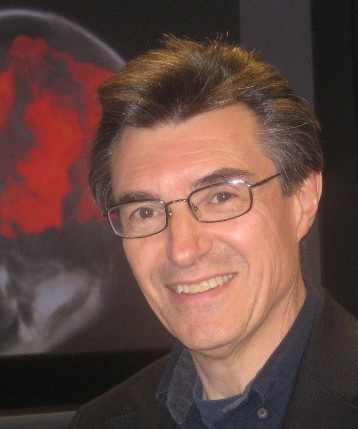
Marcel Just is the D.O. Hebb University Professor of Psychology and Biomedical Engineering at Carnegie Mellon University, where he also serves as the Director of the Center for Cognitive Brain Imaging. His academic journey began with a B.Sc. in Honors Psychology from McGill University in 1968, followed by a Ph.D. from Stanford University in 1972. Over his distinguished career, Just has pioneered the application of fMRI technology to investigate the neural basis of cognitive processes. His research focuses on understanding how concepts are neurally represented in the brain, with particular emphasis on: How familiar and technical concepts are represented through fMRI-measured brain activation patterns The decomposition of these patterns into meaningful components (e.g., how motor regions represent the action of holding an apple) Applications for diagnosing psychiatric illnesses by detecting alterations in concept representations Assessing how students learn new technical concepts in educational settings Just's work has made significant contributions to both conceptual and language processing research (funded by ONR and NIMH grants) and autism research (funded by NICHD). His laboratory developed the influential frontal-posterior underconnectivity theory of autism, which has shaped understanding of neural connectivity differences in autism spectrum disorders. His research employs machine learning and dimension reduction techniques applied to fMRI data, bridging cognitive psychology with advanced neuroimaging methodologies. This interdisciplinary approach has yielded insights across multiple domains including language comprehension, visual thinking, problem-solving, working memory, social judgment, and multi-tasking. Among his notable scientific awards are: Appointment as University Professor at Carnegie Mellon (2013) Distinguished Scientific Contribution Award from the Society for Text & Discourse (2012) Outstanding Research Award from the Advisory Board on Autism and Related Disorders (2001) NIMH Senior Scientist Award (1997) Throughout his career, Just has mentored numerous researchers and collaborated extensively with colleagues across disciplines. His work has been supported by multiple grants from organizations including the Office of Naval Research (ONR), National Institute of Mental Health (NIMH), and National Institute of Child Health and Human Development (NICHD). These collaborations have led to innovative applications of neuroimaging in understanding both typical cognitive processes and clinical conditions. At the Center for Cognitive Brain Imaging, Just leads a multidisciplinary team that combines expertise in psychology, neuroscience, biomedical engineering, and machine learning to advance the field of cognitive neuroimaging. The center serves as a hub for cutting-edge research that continues to deepen our understanding of the relationship between brain activity and cognitive processes.
Emmanuel Guerre is a Professor at the School of Economics and Finance at Queen Mary University of London. His research focuses on theoretical and applied econometrics, with emphasis on nonparametric methods, auction models, quantile regression, and time series analysis. He has contributed to advancements in nonparametric identification and inference for auctions, particularly through rate-optimal estimation techniques and quantile-based approaches. His work has been published in leading journals such as the Annals of Statistics , Econometrica , and the Review of Economic Studies . Education: PhD in Statistics, University of Paris (Paris 6, Université Pierre et Marie Curie) BSc in Economics and Statistics, ENSAE Research interests include nonparametric identification in auctions, optimal testing for time series, and quantile methods. He is an associate editor for Econometric Theory and the Journal of Econometrics . Awards: Journal of Econometrics Zellner Award (2022-23) for the paper Quantile regression methods for first-price auctions Publications highlight contributions to auction modeling, quantile regression, and nonparametric estimation techniques, reflecting his expertise in both theoretical and applied econometrics.
Professor Jian Zhang is a Professor of Statistics at the University of Kent's School of Mathematics, Statistics and Actuarial Science. His research focuses on non-parametric and high-dimensional statistics, bioinformatics, computational biology, statistical genetics, neuroimaging methods, and Bayesian modeling. He has advised students including Jie Li and Tong Wang. His work spans theoretical advancements and applied methodologies across diverse fields such as genomics, neuroimaging, and biomedical data analysis. Publications highlight contributions to Bayesian inference, neuroimaging techniques, and statistical genetics. Notable collaborations include studies on mixture models for genetic association analysis and beamforming methods for functional connectivity. He holds an ORCID iD and is based at Canterbury Campus, University of Kent.
Changyong Feng, PhD, is a Professor of Biostatistics and Computational Biology, Anesthesiology, and Dentistry at the University of Rochester Medical Center. He serves as Co-Director of the Department of Dentistry and holds a faculty position in the Department of Biostatistics and Computational Biology. He earned his PhD in Statistics from the University of Rochester in 2002. Dr. Feng’s research focuses on multivariate survival analysis, empirical processes theory, longitudinal data analysis, and statistical methods in epidemiology and clinical trials. His work spans interdisciplinary collaborations, including studies on anticoagulant efficacy in cardiovascular surgery, microbiome data analysis, and behavioral predictors of oral health. He has contributed to clinical trials, anesthesiology practices, and veterinary pharmacology. His expertise includes developing statistical models for complex biomedical data. Dr. Feng is affiliated with multiple departments at URMC, reflecting his role in bridging statistical methodologies with clinical and translational research. His publications address diverse topics from drug dosing optimization to influenza antibody dynamics. His research underscores the application of advanced statistical techniques to real-world medical challenges.
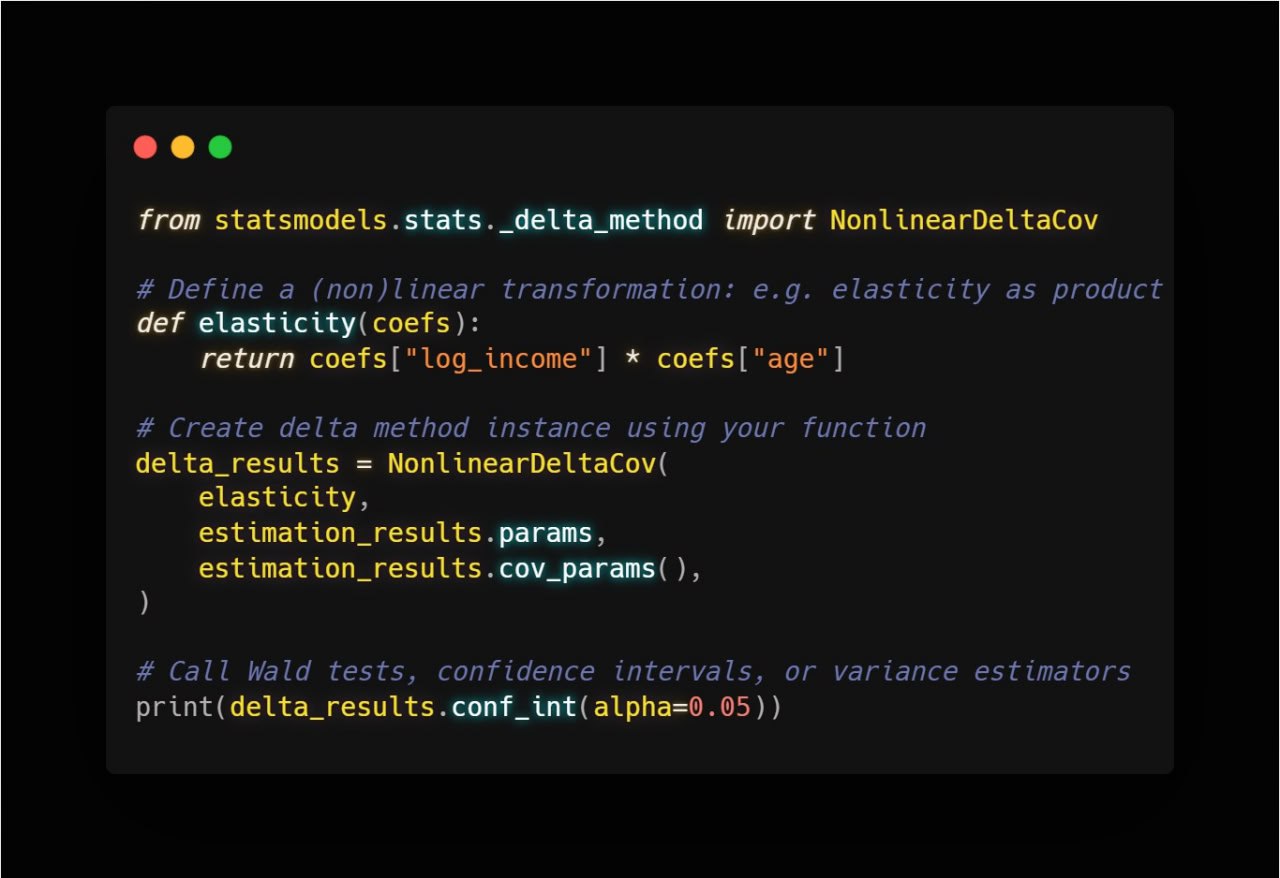
Vladislav Morozov is a tenure track Assistant Professor (W1) of Econometrics and Statistics at the Institute for Financial Economics and Statistics within the Department of Economics at the University of Bonn. He holds a PhD in econometrics from Universitat Pompeu Fabra, Barcelona, and maintains an active research program focused on developing practical statistical methods for handling unobserved heterogeneity in economic applications. His research interests encompass Econometrics , Nonparametric Statistics , Semiparametric Statistics , and methods for addressing Unobserved Heterogeneity . Dr. Morozov investigates how unobserved differences between economic agents affect causal inference, with particular attention to heterogeneous treatment effects and parameters that vary across populations. His work demonstrates that even with limited data (such as just two periods of panel data), it's possible to identify average causal effects despite infinitely many unobserved differences between individuals. His recent publications and blog posts reveal a strong focus on practical statistical methods, including applications of the delta method in statsmodels, visualization of statistical convergence concepts, and critical examinations of common econometric practices like fixed effects modeling and hypothesis testing procedures. His work bridges theoretical econometrics with practical implementation for empirical researchers. Dr. Morozov maintains active engagement with the academic community through his lecture notes on econometrics with unobserved heterogeneity, which cover topics from linear models with heterogeneous coefficients to nonparametric approaches. He has recently shifted from LaTeX Beamer to Quarto Reveal.js for creating reproducible, maintainable presentations that integrate code execution directly into slides. He is an active contributor to methodological discussions in econometrics, particularly regarding the challenges posed by unobserved heterogeneity in non-experimental settings, which can lead to significant bias and invalid inference if not properly addressed. His work provides robust methods for handling these pervasive issues in economic research.
Jolanda Veldhuis is an Associate Professor in Communication Science at Vrije Universiteit Amsterdam, specializing in Health and Risk Communication and Media Psychology. She holds affiliations with the Faculty of Social Sciences and Humanities, Network Institute, and Communication Choices, Content and Consequences (CCCC) research group. Her research focuses on negotiating media effects, particularly the impact of social media on adolescent well-being, body image, and health communication strategies. She has conducted studies on selfie behavior, peer feedback dynamics, and the role of social media in normalizing cosmetic procedures. Education: Master of Biomedical Sciences (Communication & Education), Master in Teaching Biology, with visiting scholar experiences at Ohio State University, University of Cape Town, and University of Namibia. Research Interests Media effects on youth: self-presentation, peer interactions, and well-being Health communication via social media and serious gaming Body image interventions targeting adolescents Emotional appeals in HIV/AIDS stigmatization Social marketing for environmental sustainability Recent Trends in Publications Her 2023-2025 work emphasizes cross-cultural studies on social media pressures (e.g., Dutch vs. Japanese adolescents), qualitative exploration of cosmetic surgery attitudes, and systemic analysis of photo-sharing impacts. Earlier work (2017-2020) pioneered fMRI studies linking peer feedback to media exposure effects in adolescents. Awards & Grants Recipient of the 2017 grant: Brain Activation upon Ideal-Body Media Exposure and Peer Feedback in Young Females Teaching & Supervision Teaches courses on health communication, media processing, and communication campaigns at both BA/MA levels. Supervised 1 completed PhD thesis. Labs/Teams Participates in interdisciplinary projects through the Network Institute and CCCC group, focusing on digital media's societal impacts.
Dr. Stig Hellebust is a Lecturer in Physical Chemistry at the School of Chemistry, University College Cork (UCC), Ireland. Based in Room 206B of the Kane Building, he can be contacted at s.hellebust@ucc.ie or +353 214902680. His research focuses on atmospheric chemistry, environmental monitoring, and advanced data analysis techniques for understanding air quality and pollution sources across Ireland. Dr. Hellebust's research interests span several key areas of environmental chemistry and data science: Atmospheric observational data analysis, particularly high-dimensional datasets collected over extended time periods Application of multivariate statistical methods and machine learning for environmental data interpretation Source apportionment of atmospheric pollutants using receptor modeling techniques Development of algorithms for processing large environmental datasets Application of clustering and classification techniques to identify pollution sources Fourier-transform infrared spectroscopy data analysis His extensive publication record demonstrates expertise in air quality monitoring, particularly focusing on PM2.5 sources, urban pollution dynamics, and health impacts. He frequently employs advanced statistical methods including principal component analysis (PCA), positive matrix factorization (PMF), and various machine learning approaches to extract meaningful information from complex environmental datasets. His work bridges atmospheric science, public health, and data analytics, with significant contributions to understanding Ireland's air quality challenges. Dr. Hellebust has secured substantial research funding from multiple sources including the Environmental Protection Agency (EPA), Health Research Board, Science Foundation Ireland, and European Union programs. His current major projects include "Sources of PM2.5 in the Air of Irish Towns" (2024-2027, €233,796.00) and "Impact of Agricultural Emissions on Rural and Urban Air Quality" (2022-2025, €119,700.00), demonstrating his leadership in addressing critical environmental challenges. He currently supervises doctoral student Rósín Eileen Byrne and has previously supervised Eimear Heffernan who completed her PhD in 2022 on "Spatial and temporal variation of ambient carbonaceous aerosol in Ireland and strategies for effective monitoring of source contributions." His mentorship extends to interdisciplinary research connecting chemistry, environmental science, and public health. Dr. Hellebust is an active member of UCC's Atmospheric and Environmental Chemistry research group, collaborating with colleagues across Ireland and internationally on air quality monitoring and pollution source identification projects. His work has significant policy implications for urban planning, public health interventions, and environmental regulation in Ireland and beyond.
Bekzod Khakimov is an Associate Professor in the Department of Food Science at the University of Copenhagen, specializing in Food Analytics and Biotechnology. He has held this position since 2017, following his postdoctoral work (2013-2017) and PhD fellowship (2010-2013) at the same institution. His research group focuses on advanced analytical techniques for food quality assessment and nutritional value determination. His educational background includes: PhD in Plant Metabolomics, Department of Food Science, University of Copenhagen (2013) MSc in Chemical Research, Queen Mary, University of London, UK (2009) BSc in Chemistry, Faculty of Chemistry, National University of Uzbekistan (2006) Dr. Khakimov's research centers on food molecular composition (foodomics) and its health impacts through untargeted molecular screening of bio-fluids (metabolomics). His team works on optimizing standard operating procedures, developing efficient algorithms for processing raw instrumental data, and extracting information from complex omics data using multivariate data analysis (chemometrics). His analytical expertise spans high resolution liquid state NMR spectroscopy, GC-Tof-MS and LC-QTof-MS techniques, with applications ranging from plant foods to dairy products and human health studies. His publication record demonstrates consistent advancement in foodomics methodology and applications, with recent work focusing on metabolomics approaches to understand food quality, nutritional value, and health impacts across diverse food matrices including grapes, potatoes, dairy products, and botanical resources. His research increasingly incorporates advanced statistical modeling and deep learning approaches to overcome analytical challenges like the 'cage of covariance' in metabolomics data. His notable scientific achievements include: Nils Foss Talent Prize (2016) - International Award for ground-breaking science in advanced technologies for improved food quality and safety Best Young Investigator Award in Plant Metabolomics (2015) - 10th International Conference of the Metabolomics Society Dr. Khakimov currently serves as main supervisor for three postdocs, one PhD student, and two MSc students. He has successfully secured multiple competitive research grants as PI or Co-PI from sources including the Independent Research Fund Denmark, UCPH Funding, Danish Dairy Research Foundation, and the European Union. His laboratory maintains state-of-the-art analytical capabilities with responsibility for multiple GC-MS systems, LC-QTof-MS, and co-responsibility for NMR spectrometers. His research infrastructure includes four high-throughput GC-MS systems (Agilent GC-singleQ-MS, LECO Pegasus HT GC-TOF-MS and Bruker EVOQ QQQ systems), one LC-QTof-MS (Bruker Impact II), one LC-UV/Vis-FC system (Thermo Ultimate 3000), and co-responsibility for three NMR spectrometers (600, 500, and 400 MHz) from Bruker.
Dr. Daisha Jane Cipher is a Professor with Tenure at the University of Texas at Arlington (UTA), affiliated with the College of Nursing and Health Innovation (CONHI). She serves in the Dean's Office, Nursing-Grad program and holds the Myrna R. Pickard Endowed Professorship. Her research focuses on biostatistical methodologies, health outcomes analysis, and educational tools for nursing and medical students. Cipher has authored over 100 publications and textbooks, including Statistics for Nursing Research: A Workbook for Evidence-Based Practice . Education: PhD in Psychology from Southern Methodist University (1998), MS in Psychology from University of Texas Southwestern Medical Center (1996), BA in Psychology from University of Texas at Austin (1994). Research Interests : Multivariate statistical modeling (structural equation modeling, hierarchical linear models), analysis of large national healthcare databases, development of statistical education resources for healthcare professionals. Current projects include investigating clinical outcomes in cardiovascular patients, optimizing nursing education curricula, and evaluating interventions for vulnerable populations such as veterans and dementia caregivers. Professional Contributions : Principal biostatistician on 25+ funded grants; recipient of 2021 and 2018 American Journal of Nursing Book of the Year Awards. Active in mentoring over 40 graduate students and postdoctoral researchers. Leads the Nursing Education Research Initiative, focusing on evidence-based practice and statistical literacy in healthcare education. Labs/Teams : Directs the Nursing Education Research Initiative and collaborates with interdisciplinary teams at UTA's Center for Research and Scholarship. Partnerships include VA medical centers, spinal cord injury programs, and global health initiatives in Kenya.
Dr. Jean-Paul G.J.A. Fox is an Associate Professor at the University of Twente with a focus on Bayesian covariance structure modeling, psychometrics, and data-based decision making. His research spans educational psychology, response time analysis, and statistical methods for nested data structures. Active researcher with recent publications (2024) in journals like Journal of Multivariate Analysis and Journal of Educational and Behavioral Statistics Recipient of the prestigious VIDI-beurs (2007) for methodological research Expert in modeling complex data patterns including negative associations and interval-censored survival data Research interests: Bayesian statistical modeling Joint modeling of response accuracy and timing Educational assessment frameworks Covariance structure analysis Data-based decision making systems Psychometric measurement theory Scientific contributions show trends in computational statistics for education and healthcare applications, with recent work on multi-way nested data structures and small-sample item response modeling. Scientific Awards: VIDI-beurs (2007) - Methodology award for innovative research Supervised work includes doctoral research on educational data analysis and Bayesian modeling applications. Collaborative network spans national and international institutions, particularly in psychometrics and educational statistics domains.
Lihua Chen is a Professor of Statistics at the Department of Mathematics & Statistics, James Madison University, since 2009. His research focuses on model combining methodologies, categorical data analysis, Bayesian approaches, and statistical procedure integration. He teaches courses such as StatAssess in Spring 2025. Education: PhD in Statistics, Iowa State University (2005) MS in Finance, Beijing University (1993) BS in Economics, Beijing University (1990) His research interests emphasize advancing statistical frameworks for complex data structures and their applications. Notable contributions include work on factorial data analysis and econometric problem-solving techniques. His publications span theoretical advancements and applied methodologies across statistics and economics. Dr. Chen maintains a professional website at educ.jmu.edu/~chen3lx , which includes teaching materials and datasets like the 'StatAssess' resources.
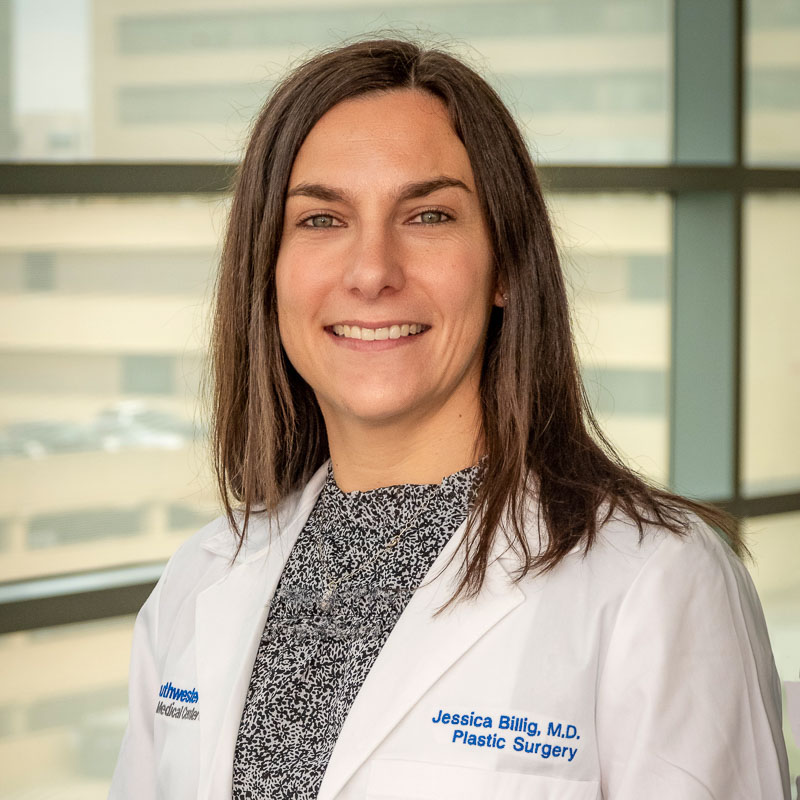
Jessica I. Billig, M.D., M.S., is an Assistant Professor in the Departments of Plastic Surgery and Orthopaedic Surgery at UT Southwestern Medical Center, appointed in 2023. She is a dual-trained hand and upper-extremity surgeon and microsurgeon whose clinical and research efforts center on improving the delivery, affordability, and outcomes of hand care. Education & Training M.D., New York University Integrated Plastic Surgery Residency, University of Michigan Hospital (Administrative Chief Resident) Fellowship in Hand & Upper Extremity Surgery, Barnes-Jewish Hospital & Washington University in St. Louis National Clinician Scholars Program Fellowship in Health Services Research, University of Michigan Institute for Healthcare Policy & Innovation M.S. in Health & Health Care Research, University of Michigan Research Interests Dr. Billig’s scholarly work bridges surgical subspecialty care and health-services science. She investigates how health-system factors influence patient experiences, costs, and outcomes in hand and upper-extremity surgery. Core themes include: Financial toxicity and catastrophic health expenditures related to surgical care Comparative effectiveness and cost-effectiveness of operative vs. non-operative interventions Opioid stewardship and evidence-based prescribing patterns after common hand procedures Disparities in access, treatment, and outcomes across racial and socioeconomic groups Quality-improvement collaboratives and implementation of best-practice guidelines Publication Trends Across >25 peer-reviewed publications since 2021, Dr. Billig has consistently focused on real-world evidence, large-database analyses, and multi-institutional cohort studies. Her work spans high-impact journals in plastic surgery, orthopaedics, pain medicine, and health-policy, with a clear trajectory toward translational health-services research that directly informs policy and practice. Professional Memberships & Awards American College of Surgeons American Society of Plastic Surgeons American Society for Surgery of the Hand American Association for Hand Surgery Grants & Collaborative Networks Dr. Billig actively collaborates within the Michigan Collaborative Hand Initiative for Quality in Surgery and similar multi-center consortia. These partnerships support her ongoing federally and institutionally funded projects aimed at reducing unwarranted variation and improving value in hand surgical care. Laboratory & Clinical Teams She operates within the integrated clinical and research environments of the Departments of Plastic Surgery and Orthopaedic Surgery at UT Southwestern, leveraging institutional resources in health-services research, biostatistics, and quality improvement to advance her investigative agenda.
Tatjana Pavlenko is a Professor in Statistics at Uppsala University, affiliated with the Department of Statistics. Her research bridges mathematical statistics, probability theory, and computational methods, focusing on high-dimensional data analysis in biomedical and machine learning contexts. Key research areas include: High-dimensional statistical inference and Bayesian graph structure learning Sparse signal detection and adaptive thresholding methods Statistical machine learning with applications to biomedical datasets Her recent publications demonstrate expertise in: Bayesian model averaging and junction tree sampling Asymptotic theory for high-dimensional classifiers Testing independence and covariance structures L2-type statistics and empirical process theory She supervises PhD students working on: High-dimensional causal inference in media Bayesian graphical models Sparse classification algorithms Currently active in Uppsala University's AI4Research initiative, Pavlenko develops adaptive data-driven procedures for statistical learning problems with complex sparsity patterns.
Dr. Kai Lin is a Lecturer in Criminology at the Faculty of Design and Society, University of Technology Sydney , where he has been employed since January 2023. He previously held academic positions at California State University (Assistant Professor, 2020-2023), University of Vermont (Lecturer, 2019-2020), and Quinnipiac University (Visiting Assistant Professor, 2018-2019). Education: Ph.D. in Sociology from the University of Delaware, USA His research focuses on violence in physical/digital spaces , victimization dynamics , and criminal justice responses . He examines lifestyle exposure theory , routine activity patterns , and social control mechanisms across diverse populations, including Chinese youth , left-behind children in rural China , and sexual minority groups in the US . The 15 most recent publications analyze topics such as cyber-fraud risk factors , victim-offender overlap in digital crimes , and police responses to domestic violence in China. His work employs multivariate regression , latent class analysis , and cross-national comparisons to inform evidence-based policy development . Grants include funding from the Social Sciences and Humanities Research Council of Canada (2024) and the UTS ECR Research Capabilities Development Initiative (2024). He emphasizes teaching as a transformative process , aiming to help students contextualize abstract concepts through criminal justice and technology-focused courses .