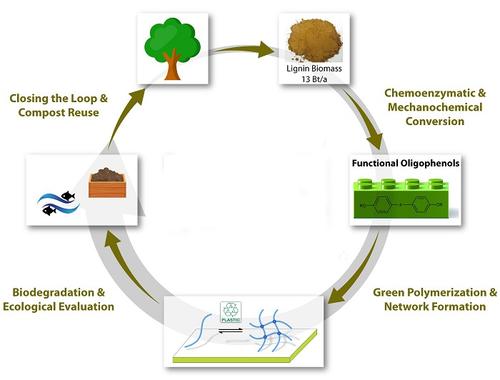
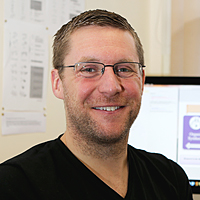
Rainer Haag is a Professor at the Department of Chemistry, Freie Universität Berlin, leading the Haag Group in the Institute of Chemistry and Biochemistry. His research focuses on biodegradable and sustainable materials, dynamic hydrogels, and polymeric nanosystems for biomedical applications. Department of Chemistry, Freie Universität Berlin Member of SFB 1449: Dynamic Hydrogels at Biointerfaces Collaborator in the StemGel startup project Co-founder of CSR|Berlin interdisciplinary research institute Research Interests: Development of stimuli-responsive polymers, multivalent virus inhibitors, and functional biointerfaces. Key projects include: Antiviral coatings using heteromultivalent polymers Thermoresponsive hydrogels for stem cell expansion Graphene derivatives for bacterial capture and disinfection Lignin upcycling for sustainable resin materials Supramolecular nanosystems for drug delivery Publication Trends highlight interdisciplinary work in polymer chemistry, nanotechnology, and biomedical applications. Recent articles focus on: 2D polyglycerols for virus interactions Redox-responsive nanogels Mucus-inspired adhesive hydrogels Tumor-targeting micelles Bacterial disinfection using graphene composites Labs & Collaborations include the Polymeric and Supramolecular Nanosystems subgroup, the Dynamic Hydrogels and Biointerfaces team, and partnerships with MIT in developing bioinspired adhesives. His group contributes to DFG-funded SFB 1449 and CSR|Berlin initiatives.
Professor Roland J. Pieters is a distinguished academic at Utrecht University's Faculty of Science, where he serves as a full Professor in the Department of Chemical Biology and Drug Discovery. With over two decades of experience at the institution, he has progressed from Assistant Professor (1998) to Associate Professor (2005) and ultimately to Full Professor (2010-present). His research group is internationally recognized for groundbreaking work at the intersection of carbohydrate chemistry, chemical biology, and drug discovery, with particular emphasis on developing novel therapeutic approaches against bacterial infections and pathogenic mechanisms. Full Professor, Utrecht University (2010-present) Associate Professor, Utrecht University (2005-2010) Assistant Professor, Utrecht University (1998-2005) NWO Talent Post-doctoral Fellow, ETH-Zürich (1995-1996) Postdoctoral Researcher, University of Groningen (1996-1998) Professor Pieters earned his M.Sc. in Organic Chemistry from the University of Groningen in 1990, where he worked with Professor Ben Feringa, and completed his Ph.D. at MIT in 1995 under the supervision of Professor Julius Rebek Jr. His doctoral research focused on molecular recognition and template effects in bisubstrate systems, establishing the foundation for his lifelong interest in molecular interactions. Professor Pieters' research primarily centers on glycodrugs and the strategic interference with protein-carbohydrate interactions using multivalent systems of varying architectures. His laboratory has made significant contributions to understanding how rigid spacers in multivalent ligands can dramatically enhance binding affinity to target proteins, with applications against viral and bacterial adhesion proteins, toxins, galectins, and glycosidases. A particular focus has been on developing inhibitors for Pseudomonas aeruginosa lectin LecA, cholera toxin, influenza virus hemagglutinin, and more recently, SARS-CoV-2 spike protein interactions with host cell receptors. His group also pioneered the use of glyco- and peptide-microarrays for high-throughput screening of carbohydrate-protein interactions and drug discovery, particularly in the area of O-GlcNAcylation research. The publication record of Professor Pieters demonstrates consistent innovation in the field of multivalent carbohydrate-based therapeutics. His recent work (2020-2024) shows a strategic expansion into viral pathogenesis (particularly influenza and SARS-CoV-2), immune modulation through glycan recognition, and novel approaches to vaccine development. A notable trend is the increasing sophistication of multivalent architectures, moving from simple divalent systems to tetra- and hexavalent ligands with precisely engineered spatial arrangements. His research bridges fundamental chemical principles with practical therapeutic applications, maintaining strong connections to pharmaceutical development while advancing basic science understanding of carbohydrate-mediated biological processes. Professor Pieters' scientific achievements have been recognized with prestigious awards including a Fellowship from the Royal Netherlands Academy of Arts and Sciences (KNAW) in 1999 and a VICI personal grant from the Netherlands Organisation for Scientific Research (NWO) in 2008. These competitive awards reflect the significance and innovation of his research program. He has also served on editorial advisory boards, notably as Section Editor-in-Chief for Chemical Biology in the journal Molecules (2018-2022), contributing to the scholarly community through peer review and academic leadership. Fellowship of Royal Netherlands Academy of Sciences (KNAW), 1999 VICI, personal grant, NWO, 2008 Section Editor-in-Chief Chemical Biology for Molecules (2018-2022) Throughout his career, Professor Pieters has coordinated significant research projects including the EU project POLYCARB and secured competitive funding that has sustained his innovative research program. His laboratory has fostered numerous collaborations across Europe and internationally, creating a vibrant research environment that has trained many scientists now working in academia and industry. His research on multivalent carbohydrate systems represents a sustained intellectual contribution to chemical biology with direct relevance to developing new anti-infective strategies and therapeutic approaches. Professor Pieters leads an active research group within Utrecht University's Department of Chemical Biology and Drug Discovery, situated in the David de Wied Building. His laboratory maintains strong connections with other research groups both within Utrecht University and internationally, particularly in the fields of glycobiology, infectious diseases, and drug discovery. The research environment he has cultivated emphasizes interdisciplinary approaches, combining synthetic chemistry, biophysical analysis, and biological testing to address fundamental questions in carbohydrate-mediated biological processes with therapeutic applications.
Professor Gavin J. Miller is a Professor of Biological Chemistry at Keele University, UK, affiliated with the Lennard-Jones School of Chemical and Physical Sciences. He holds a MChem from UMIST and a PhD in carbohydrate chemistry from the University of Manchester. His research focuses on glycoscience at the chemistry-biology interface, with expertise in synthesizing carbohydrates and nucleosides using chemoenzymatic and biocatalytic methods. He leads the Miller Research Group, which explores biomolecule synthesis for chemical biology applications and medicinal chemistry. Education BSc Chemistry (Medicinal Chemistry focus) – UMIST PhD in Carbohydrate Chemistry – University of Manchester Research Interests Professor Miller’s work emphasizes synthetic approaches to heparan sulfate oligosaccharides, nucleoside analogs, and glycoconjugates. His group develops scalable methods for glycan assembly and explores applications in antiviral therapies, cancer drug design, and SARS-CoV-2 interaction studies. Key areas include: Chemoenzymatic synthesis of glycoconjugates Biocatalytic nucleotide production Structural glycoscience for biomedical insights Publications Recent work highlights structural studies of glycans, antiviral heparin interactions with SARS-CoV-2 spike proteins, and inhibitor design targeting bacterial dehydrogenases. His publications span Journal of the American Chemical Society , Angewandte Chemie , and RSC Chemical Biology , reflecting interdisciplinary impact. Awards & Grants No specific awards listed, but his research has received institutional support through Keele’s Glycoscience Centre and collaborations with Manchester Institute of Biotechnology. Labs & Teams Mozilla Research Group at Keele University, part of the Glycoscience Centre, focusing on automated glycan assembly and biocatalytic processes.
Prof. Roland J. Pieters is a Full Professor of Chemical Biology and Drug Discovery at Utrecht University, leading research in glycodrugs and protein-carbohydrate interactions. He earned his MSc from the University of Groningen (1990) and PhD from MIT (1995), followed by postdoctoral research at ETH Zurich and Utrecht University. His work focuses on multivalent carbohydrate systems targeting bacterial and viral adhesion proteins, including lectins like LecA and Shiga toxin. He has held grants such as the VICI (2008) and a KNAW fellowship (1999), and chairs the Chemical Biology of Multivalent Systems. His research group uses glyco-microarrays and advanced inhibitors to combat pathogens, with applications in vaccines and antivirals. Key achievements include developing polymer-based cholera toxin inhibitors and anti-influenza agents. He contributes to education as a Program Leader in the Pharmaceutical Sciences department and serves on editorial boards, including Molecules (Chemical Biology section). Education: M.Sc., University of Groningen, 1990 Ph.D., MIT, 1995 Research Interests: Glycodrugs, protein-carbohydrate interactions, multivalency, and drug discovery with an emphasis on bacterial/viral adhesion inhibition and immune modulation. His lab designs inhibitors using rigid spacers and explores O-GlcNAc transferase (OGT) inhibitors for therapeutic applications. Grants & Awards: 2023: VICI grant (NWO) 1999: KNAW Fellowship Teaching & Service: Program Leader for Pharmaceutical Sciences education since 2006, member of examination committees, and curriculum developer for Molecular Life Sciences programs. Editorial role in Chemical Biology (Molecules). Labs/Teams: Leads the Chemical Biology and Drug Discovery department, focusing on glycobiology, antiviral strategies, and carbohydrate-based therapeutics.
Dr. Anna Barnard is an Associate Professor (Senior Lecturer) in the Department of Chemistry at Imperial College London, affiliated with the Institute of Chemical Biology and multiple research groups including the Barnard Group. Her research focuses on developing chemical tools to target protein-protein interactions (PPIs), with applications in infectious diseases, cancer, and antibiotic resistance. She holds a Wellcome Trust Sir Henry Dale Fellowship (2019-2025) and leads a multidisciplinary team in drug discovery, peptide engineering, and chemical biology. Education: PhD in Chemistry (University of York, 2012), postdoctoral training at the University of Leeds, Imperial College London, and a Junior Research Fellowship at Imperial (2015). She has authored over 30 publications in journals like Chemical Science , Journal of the American Chemical Society , and ACS Chemical Biology . Research Interests: Design of helix mimetics, stapled peptides, and small molecule inhibitors; targeting bacterial toxins (e.g., Doc in Salmonella); malaria transmission-blocking agents; and applications of molecular rotors for live-cell imaging of PPI inhibition. Her work bridges organic chemistry, synthetic biology, and translational medicine. Awards: Wellcome Trust Sir Henry Dale Fellowship, Imperial College Network of Excellence in Malaria. Collaborations include Imperial’s Department of Medicine, the Institute of Infection, and industry partners like FreshCheck. She mentors over 20 current and past students, including PhD candidates and MRes researchers. Labs/Teams: Barnard Group (Chemical Biology), Institute of Chemical Biology (CDT in Chemical Biology), and cross-disciplinary initiatives with the Kuimova, Fuchter, and Tate groups. Research is funded by Wellcome Trust, EPSRC, and Imperial College scholarships.
Dr. Zoi Diamantopoulou is a Beatson Research Fellow at the Cancer Research UK Scotland Institute (School of Cancer Sciences), Glasgow. Previously, she held Senior Postdoctoral Marie Curie Fellowships at ETH Zürich and University of Basel. Her research focuses on the interplay between circadian rhythms and cancer metastasis, particularly through circadian regulation of Circulating Tumour Cells (CTCs). Education: PhD in Cellular Biology (2010), University of Patras, Greece BSc in Biology (2005), University of Patras, Greece Her work employs in vivo mouse models, microfluidics, genetic engineering, and next-generation sequencing to explore how circadian disruptions influence metastatic progression. She also investigates chronotherapy for optimized drug administration and analyzes patient blood samples to identify circadian-related molecular vulnerabilities. Scientific Awards: 2021 Marie Skłodowska-Curie Postdoctoral Fellowship 2018 The BACR Chris Marshall Prize for Cell Signalling Lab Members: Senior Scientific Officer Gurman Pall, PhD Student Sara Ortega.
Mario Jolicoeur is a Full Professor in the Department of Chemical Engineering at Polytechnique Montréal. His research focuses on metabolic engineering, biomedical applications, and bioreactor design. He is affiliated with Spheroid AI Inc. (Co-founder, Scientific Director), Viridios (Collaborating Researcher), and the Institute of Biomedical Engineering (Member). Education: B.Sc.A., M.Sc.A., Ph.D. (Polytechnique Montréal and Paul-Sabatier University, Toulouse), Visiting Engineer (MIT) Jolicoeur develops metabolic engineering tools for cancer therapies and therapeutic agent production, designs mathematical models for cellular metabolism regulation, and creates aseptic culture equipment for diverse cells. His work spans CHO cells , microalgae , and tissue engineering . Recent publications highlight metabolic therapies for ovarian cancer, dynamic modeling of CHO cultures, and lipid production in Chlorella. Trends include cancer metabolism, mitochondrial dynamics, and bioreactor optimization. Supervision: He has mentored 43 graduate students since 1990, including those working on metabolic models, bioreactors, and biotherapies. Notable projects involve methylene blue in cancer treatment, ABE fermentation, and chondrocyte culture systems. Labs & Teams: Collaborates with interdisciplinary groups in biomedical engineering and chemical engineering, utilizing advanced bioreactor platforms and computational models.
Nathaniel R. Landau is a Professor in the Department of Microbiology at NYU Grossman School of Medicine. His research spans HIV molecular biology, dendritic cell immunology, lentiviral vector vaccine development, and SARS-CoV-2 therapeutics. He has pioneered tools for neutralizing antibody assays and developed a soluble ACE2-based therapeutic for coronavirus infections. PhD in Biology from Massachusetts Institute of Technology Postdoctoral Fellowships: University of California, San Francisco (Microbiology & Immunology); MIT Biology Department Dr. Landau's work focuses on innate immunity mechanisms, including restriction factors like APOBEC3 and SAMHD1 that inhibit retroviruses, and how viruses counteract these defenses. His lab has engineered lentiviral vectors that overcome SAMHD1 barriers for dendritic cell transduction and developed second-generation dendritic cell vaccines for HIV and cancer. Recent research includes creating SARS-CoV-2 spike-pseudotyped lentiviruses for neutralization assays and a recombinant ACE2 microbody with enhanced antiviral activity. The lab has validated these tools in convalescent sera studies and developed rapid assays for antibody titers. Key trends in his publications include innate immune evasion, lentiviral vector innovations, and cross-disciplinary approaches to viral pathogenesis. His team has automated neutralization assays using robotic platforms to process large sample volumes efficiently. Dr. Landau's laboratory has contributed to understanding how toll-like receptor agonists like imiquimod induce antiviral states via ISGs, and explored Vpr/Vpx accessory protein functions in lentivirus immune escape. Current projects extend these findings toward immunotherapeutic cancer strategies.
Sabrina Pacor is an Associate Professor in Applied Biology (BIO/13) at the University of Trieste , where she teaches Pharmacology in the Pharmacy LM and STB BSc programs. With over 30 years of research experience in experimental oncology and host defense peptides, she has made significant contributions to studying antimicrobial peptides (AMPs) and their interactions with bacterial membranes. Her research focuses on: Direct antimicrobial activity of AMPs against Gram-positive and Gram-negative bacteria Indirect immunomodulatory effects of host defense peptides Development of drug delivery systems using nanomaterials (carbon nanotubes, gold nanoparticles) Mechanistic studies of ruthenium-based antimetastatic drugs She leads extensive cytofluorimetry research using flow cytometry platforms, particularly for evaluating: Cytotoxicity (necrosis/apoptosis, proliferation index) Modulation of host biological responses (chemotaxis, phagocytosis, ROS production) Peptide-bacterial membrane interactions through fluorescent labeling Her recent work demonstrates trends in: Proline-rich antimicrobial peptides against ESKAPE pathogens Hybrid antibiotic design (peptide-aminoglycoside conjugates) Structure-activity relationships in membranolytic peptides Evolutionary insights into defensin and cathelicidin families Prof. Pacor has co-authored over 100 peer-reviewed publications and actively mentors students, having supervised: 70 experimental/thesis reviews for Pharmacy/CTF Master's students 20 Bachelor's degree theses
Prof. Jörg Rademann is a Professor of Pharmaceutical/Medicinal Chemistry at Freie Universität Berlin since 2013. His research group specializes in fragment-based drug discovery and chemical biology , focusing on protein-ligand interactions for disease-related targets in cancer , Alzheimer's , tuberculosis , and viral infections (SARS, Zika, dengue, West Nile). The group integrates synthetic organic chemistry with bioanalytical , biochemical , and biophysical techniques , operating within the Department of Pharmacy at Freie Universität Berlin. B.Sc., M.Sc., and Ph.D. teaching: Inorganic and organic drug chemistry, pharmaceutical analysis Co-initiator of national ChemBioNet for chemical biology collaboration Developed Dynamic Ligation Screening (DLS) for fragment identification Research Interests include: Fragment-based ligand discovery for proteases, phosphatases, and protein-protein interactions Chemical probe development for structural and functional protein studies Solid-phase synthesis of peptides, peptidomimetics, and carbohydrates Multivalent constructs for enhanced binding and pharmacological properties Glycosaminoglycan (GAG) interactions in disease mechanisms Synthetic methodology for C-acylation and phosphorus/sulfur ylides Scientific Awards : Innovation Award in Medicinal Chemistry (GDCh/DPhG) (2002) Thieme Journal Award (2002) DFG Junior Research Group (2002) Landesgraduiertenförderung Baden-Württemberg (1994-97) Rutgers exchange fellowship (1990) Jugend forscht award (1986) Email : joerg.rademann@fu-berlin.de
Jacek Otlewski is a Professor and Dean of the Faculty of Biotechnology at the University of Wrocław, where he leads the Department of Protein Engineering. He earned his M.S. in Biochemistry with Distinction (1980), Ph.D. in Biochemistry (1983), and D.Sc. in Biophysical Chemistry (1991) from the same institution. His career includes positions as Visiting Professor at the University of Virginia and Purdue University, Alexander von Humboldt Fellowship at Max-Planck-Institut für Biochemie, and extensive leadership roles including Vice Director for Research and membership in scientific councils across multiple institutes. His research focuses on protein engineering, protein-protein interactions, and structural biology. Key areas include: Design of stable protein scaffolds and therapeutic proteins Mechanisms of serine proteinases and their inhibitors Applications of phage display and directed mutagenesis Structural analysis using NMR and X-ray crystallography Analysis of his 15 most recent publications (2006-2011) reveals strong emphasis on protein domain interactions (particularly PDZ domains), therapeutic protein engineering, and structural characterization of proteins involved in cellular signaling and disease mechanisms. Research frequently combines experimental biochemistry with computational approaches. Scientific Awards and Honors: Leon Marchlewski Medal (2003) Polish Minister of Higher Education Awards (4 total) International Research Scholar, Howard Hughes Medical Institute (2001) Foundation for Polish Science Scholarship (2000) Mozolowski Award (1981) 8 University President Awards He has served on editorial boards for Annexins and The Central European Journal of Biology , and as referee for over 30 scientific journals. Major service includes coordination of international symposia, membership in ERC grant panels, and leadership positions in Polish and European scientific committees including the National Committee of Biochemistry and Biophysics.
Dr. Janet Kumita is a Researcher at the Department of Pharmacology , University of Cambridge , focusing on protein aggregation, amyloid formation, and neurodegenerative diseases such as Alzheimer's and Parkinson's. Her work explores the structural, biophysical, and cellular mechanisms of amyloidogenic proteins like alpha-synuclein and lysozyme, using advanced techniques such as microscopy , molecular simulations , and nanoscale optical tweezers . Major Research Themes : Biophysical properties of biomolecular condensates Role of post-translational modifications in protein misfolding Therapeutic strategies to modulate amyloid aggregation Key Article Trends : 2025: Microscopy techniques for condensate material properties 2024: Structural analysis of PR65 and synthetic condensates for protein degradation 2023: Tandem-repeat proteins, designer therapeutics, and N-terminal acetylation effects
apl. Prof. Dr. Miriam Breunig is Associate Professor (apl. Prof.) of Pharmaceutical Technology at the University of Regensburg, Germany, and heads a research group developing nanoparticle-based drug- and vaccine-delivery systems. Since 2023 she serves as Co-Editor-in-Chief of the European Journal of Pharmaceutics and Biopharmaceutics and in 2024 was appointed Galenus Foundation Guest Professor at MIT. Education & Career: 1996-2001: Undergraduate pharmacy studies, Ruprecht-Karls-University Heidelberg 2002-2005: Graduate researcher, Univ. Regensburg (Prof. Göpferich) 2008 & 2009: Post-doctoral fellow, MIT (Prof. Robert Langer) 2013: Habilitation in Pharmaceutical Technology, Univ. Regensburg since 2012: Akademische Rätin (Associate Professor), Dept. Pharmaceutical Technology, Univ. Regensburg Research Focus: The Breunig group engineers innovative delivery platforms for small molecules, proteins and nucleic acids. Core projects include silica- and mesoporous-silica nanoparticle vaccines against HIV-1 and SARS-CoV-2 , injectable hydrogels that provide sustained nanoparticulate antigen release for single-dose immunisation, and nanoparticle-based glaucoma therapy targeting the trabecular meshwork/Schlemm's canal with siRNA or ROCK inhibitors. Publication Trends: Recent articles (2020-2024) concentrate on multivalent antigen display on silica nanoparticles to enhance B-cell activation and durable antibody responses, long-acting hydrogel depots for HIV vaccines, ocular nanoparticle targeting for glaucoma, and mechanistic studies on nanoparticle functionalisation, ECM penetration and controlled release. Editorial & Honours: Co-Editor-in-Chief, Eur J Pharm Biopharm (since 2023) Co-Editor, same journal (2013-2023) Galenus Foundation Guest Professor, MIT (2024) Collaborations & Funding: She coordinates projects within the HIVacToGC consortium, collaborates with Prof. Mika Lindén (mesoporous silica), Prof. Rudolf Fuchshofer (ocular pharmacology) and partners at MIT, and has secured funding for vaccine and glaucoma nanomedicine initiatives.
Nicole Sampson is a Professor in the Department of Chemistry at Stony Brook University. She holds membership in graduate programs in Chemistry, Biochemistry & Structural Biology, and Molecular & Cellular Pharmacology. Her research focuses on understanding protein structure-function relationships and developing chemical tools to probe biological systems, with emphasis on tuberculosis drug discovery, cholesterol metabolism, and polymer-based diagnostics. Education: B.S. from Harvey Mudd College (1985), Ph.D. from University of California, Berkeley (1990), Postdoctoral Fellowship at Harvard University (1991-1993). Research Interests: Her lab investigates three core areas: (1) precision polymer synthesis for studying fertilization and cholera intoxication mechanisms; (2) lipid-protein interactions in biological systems; and (3) tuberculosis drug discovery via mycobacterial steroid metabolism. Recent work includes identifying novel biomarkers for TB diagnosis and developing glycopolymer-based tools to study sperm-egg interactions. Awards: Recipient of prestigious awards including the Camille Dreyfus New Faculty Award (1993-98), NSF CAREER Award (1996-2000), ACS Arthur C. Cope Scholar Award (2001), and election to American Chemical Society Fellowship (2017). Lab & Collaborations: Leads the Sampson Group, collaborating with institutions globally on projects spanning chemical biology, enzymology, and infectious disease research. Active in training graduate students and postdoctoral researchers in interdisciplinary approaches to biomedical challenges.
Gerardo R. Vasta, PhD is a Professor in the Department of Microbiology and Immunology at the University of Maryland School of Medicine and the Institute of Marine and Environmental Technology. With a distinguished academic career spanning over four decades, Dr. Vasta has established himself as a leading research scientist in glycosciences, particularly in the field of protein-carbohydrate interactions in innate immunity, development, and cancer. Dr. Vasta's research program has been continuously supported by major funding agencies including the National Science Foundation, National Institutes of Health, and National Oceanic and Atmospheric Administration. His work has revealed key insights into the structural and functional relationships of carbohydrate binding proteins across diverse model systems including zebrafish, C. elegans, eastern oyster, and mice. Early in his career, he focused on C-type lectins in innate immune recognition in non-mammalian models, which later evolved into extensive studies on galectins in development, immune regulation, and pathogen recognition. His laboratory has made significant contributions to understanding galectin roles in skeletal muscle development, eye lens development, retinal regeneration, prostate cancer diagnostics, and host-pathogen interactions. Notably, his research demonstrated that galectins can recognize pathogenic viruses such as influenza A and facilitate viral infection while promoting subsequent pneumococcal pneumonia. His work spans fundamental structural and biophysical aspects of protein-carbohydrate interactions to translational applications including the development of natural and synthetic inhibitors for lectin binding. Dr. Vasta's scientific contributions are reflected in numerous high-impact publications, including a seminal 2009 review in Nature Reviews Microbiology titled 'Roles of galectins in infection.' His research shows a consistent evolution from basic characterization of lectins in invertebrate systems to sophisticated molecular understanding of galectin functions across species, with implications for human health and disease. J. William Fulbright Scholar International Award (2007) National Award 'Raíces' from Argentina's Department of Science, Technology, and Innovation (2016) Faculty Award from University of Maryland Biotechnology Institute (2006) Board of Scientific Counselors Review at National Institute of Dental and Craniofacial Research (2011) Editorial Board Member for Glycobiology, Journal of Marine Biology, and Invertebrate Immunity Throughout his career, Dr. Vasta has been deeply committed to education and training, mentoring numerous PhD and MSc students while regularly hosting high school and undergraduate summer interns in his laboratory. His research has involved extensive collaborations across disciplines, demonstrating his ability to bridge fundamental glycobiology with practical applications in immunology, infectious disease, and cancer research.