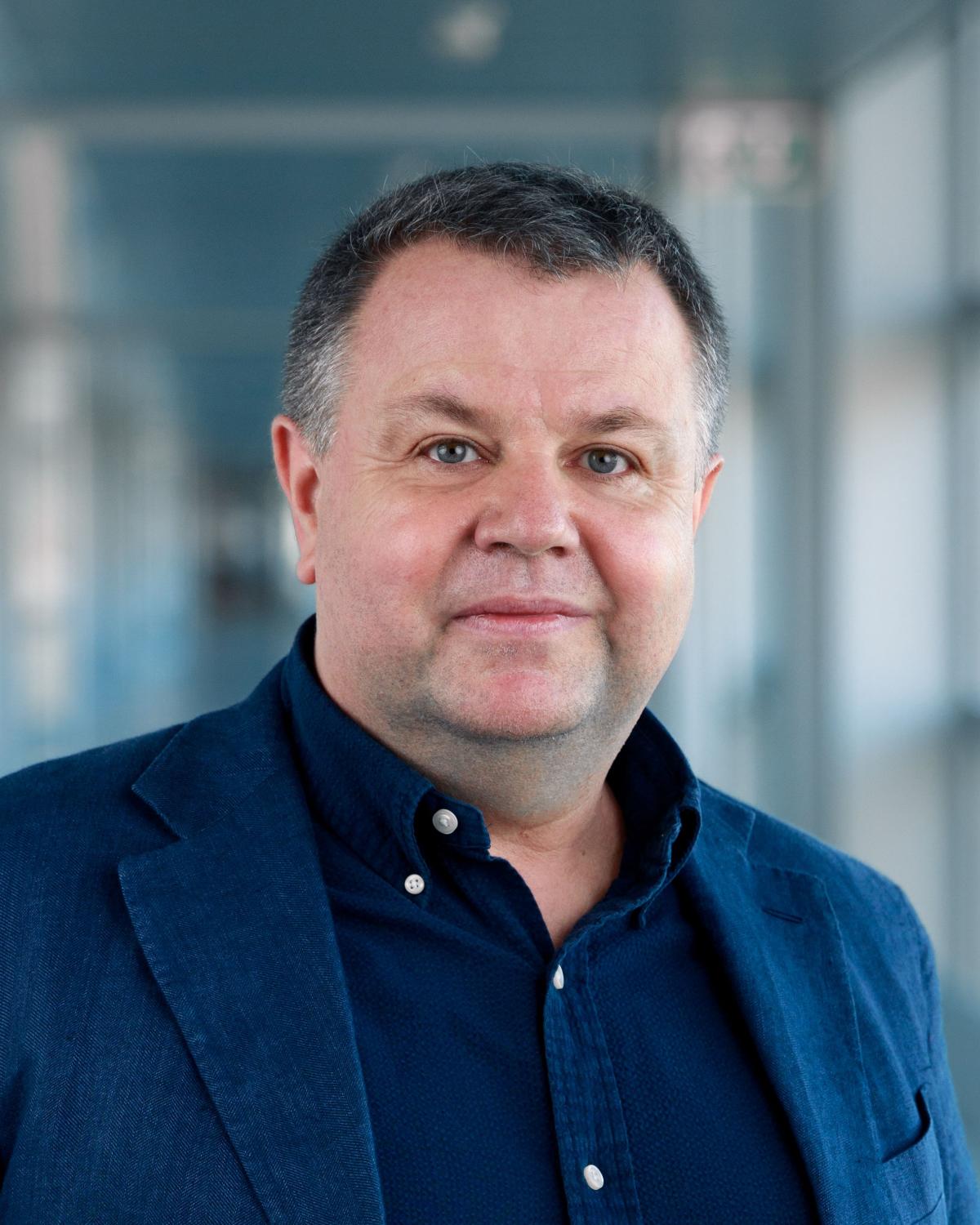
Jörg F. Löffler is a Full Professor of Metal Physics and Technology at the Department of Materials, ETH Zürich , where he has been since 2003. He previously served as Chairman of the Department (2010–2013) and holds Adjunct Professor positions at Tohoku University (Japan) and a Visiting Faculty role at Caltech. His research focuses on bulk metallic glasses , metallic biomaterials , and magnetic materials , combining synthesis, characterization, and applications in biomedical and structural contexts. Educations : Studied Physics and Materials Science at Saarland University (Germany), earned his doctorate at ETH Zurich and Paul Scherrer Institute on magnetism and neutron scattering (1997). Research Trends : Recent work explores additive manufacturing (e.g., laser powder bed fusion), biodegradable magnesium alloys for implants, and magneto-structural coupling in metallic glasses. Collaborative efforts integrate in situ analysis with computational modeling. Scientific Awards : International Magnesium Science and Technology Award (2023) MRS Fellow (2021) DGM 'Breakthrough' Prize (2016) Masing Memorial Prize (2005) ETH Zurich Medal (1998) Alexander von Humboldt Fellowship (1998-2001) Löffler advises the Department of Materials Science and Engineering at UC Davis and serves on editorial boards. His group at ETH Zürich investigates advanced metallic materials using synchrotron radiation and neutron scattering facilities.
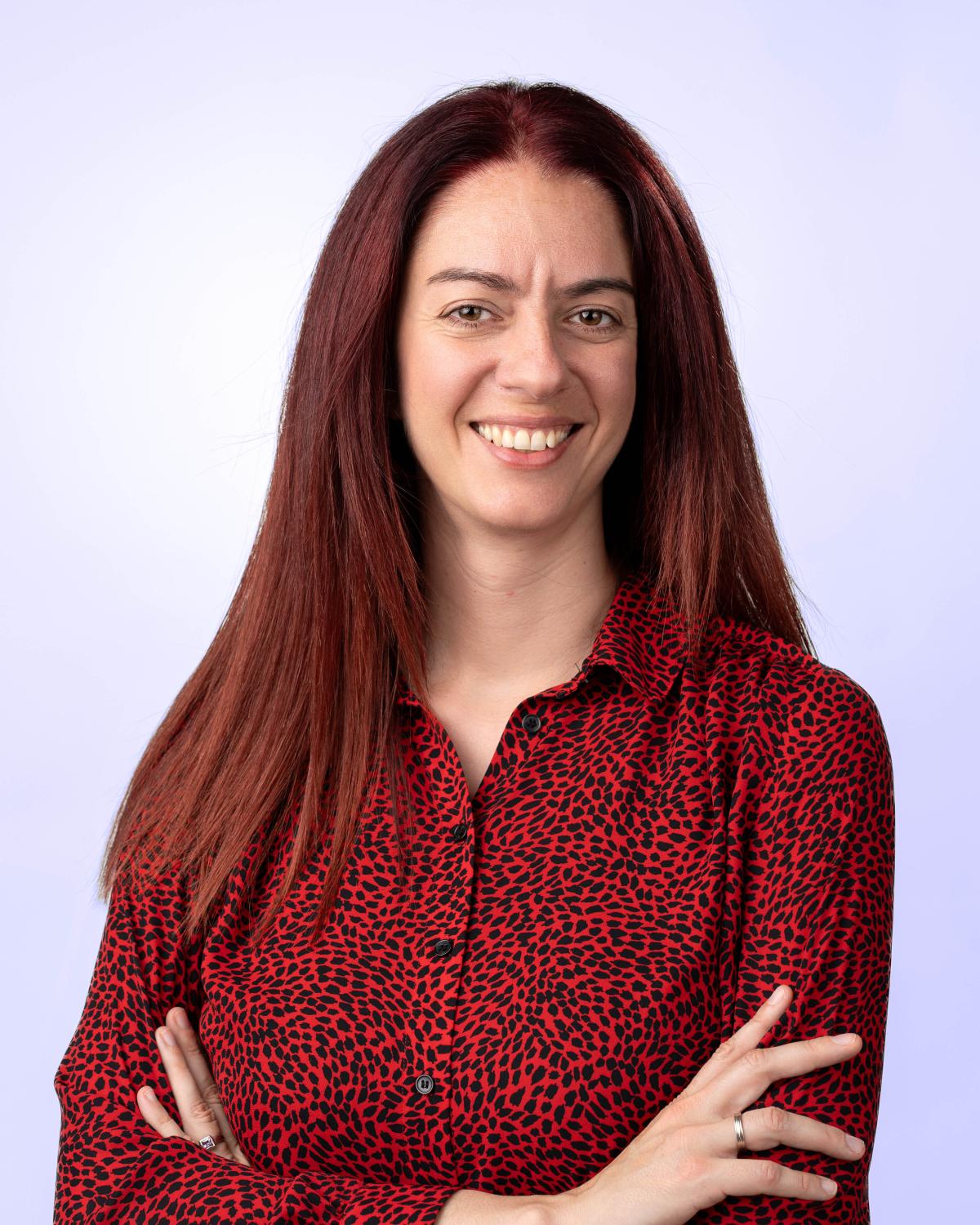
Prof. Eleni Chatzi is a Full Professor and Chair of Structural Mechanics at ETH Zurich's Department of Civil, Environmental and Geomatic Engineering. She holds a PhD from Columbia University (2010) and has held roles from Assistant to Full Professor at ETH since 2010. Her research focuses on intelligent structural monitoring and data-driven asset management, emphasizing nonlinear dynamics and sensor integration. Affiliations : Institute of Structural Engineering, European Academy of Wind Energy (EAWE President), Swiss Community for Computational Methods (SWICCOMAS Chair) Research interests include Structural Health Monitoring (SHM), system identification, and advanced simulation tools. She pioneered work on data-driven diagnostics and self-aware infrastructure, supported by grants like the ERC Starting Grant (2015). Awards include the 2020 Walter L. Huber Prize and 2024 SHM Person of the Year Award. Her work spans wind energy infrastructure, metamaterials for vibration control, and AI-driven structural analytics. Over 600 publications and 200k+ citations highlight her impact. She teaches computational science and structural dynamics in ETH's programs and collaborates globally on sustainable infrastructure projects.
Dr. Igor V. Pivkin is a Full Professor at the Institute of Computing within the Faculty of Informatics at the Università della Svizzera italiana (USI) in Lugano, Switzerland. His academic journey includes degrees from Novosibirsk State University (B.Sc./M.Sc. Mathematics), Brown University (M.Sc. Computer Science and Ph.D. Applied Mathematics), and postdoctoral research at MIT's Department of Materials Science and Engineering. His research focuses on multiscale/multiphysics modeling , numerical methods , and large-scale simulations of biological and physical systems. Key areas include biophysics, cellular/molecular biomechanics, stochastic modeling, and coarse-grained molecular simulations. He leverages high-performance computing (HPC) and particle-based methods to address complex biological phenomena. His work spans diverse applications, from understanding cellular mechanosensitivity and biofilm engineering to modeling cancer cell behavior and red blood cell dynamics in the spleen. His contributions bridge computational science, biotechnology, and biomedical research. He has published extensively in top-tier journals, with recent work advancing automated biofilm analysis, deep learning for microbial classification, and systems biology approaches to metal bioleaching. His lab collaborates on interdisciplinary projects, emphasizing computational innovation for real-world biological challenges.
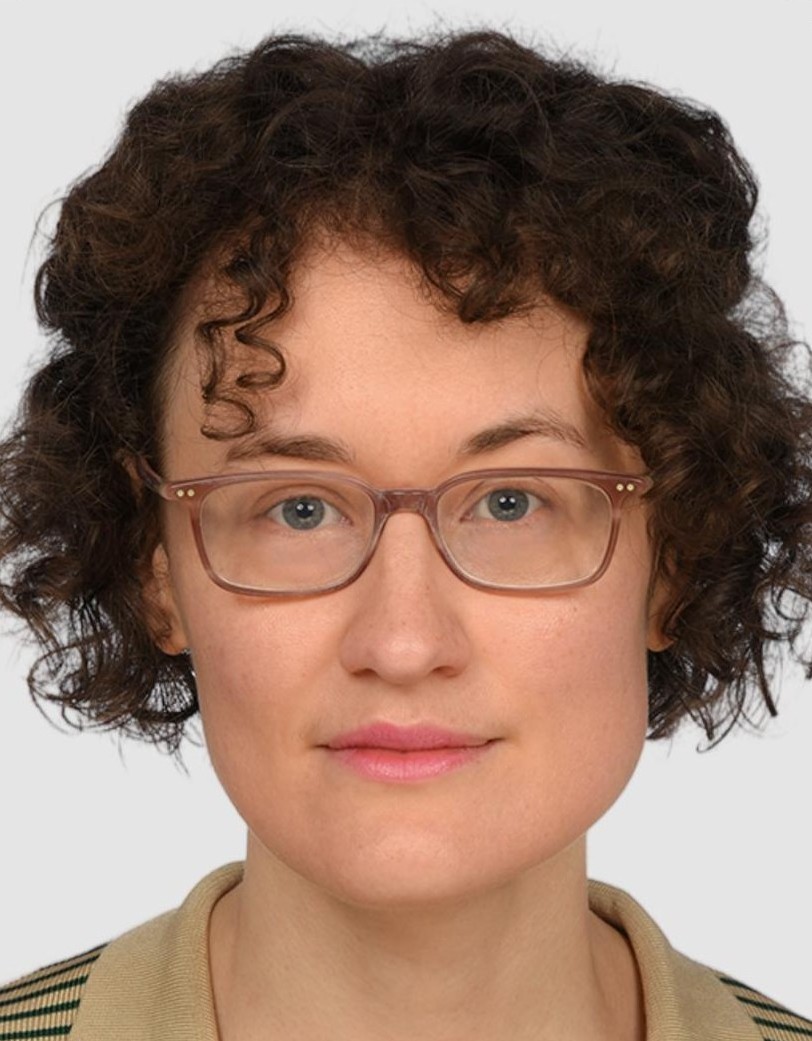
Konstantinos Karapiperis is a Tenure Track Assistant Professor at EPFL's Laboratory of Multiscale Modeling of Materials (LMD), within the School of Architecture, Civil and Environmental Engineering (ENAC). His research integrates mechanics , multiscale modeling , and data science to study geomaterials and structural materials. PhD in Applied Mechanics (minor in Applied Mathematics), Caltech Postdoctoral Researcher & Lecturer, ETH Zürich (Marie Skłodowska-Curie Fellowship) Research focuses on granular materials , architected materials , and nonlocal modeling using techniques like Level-Set Discrete Element Method (LS-DEM) and machine learning . Recent work explores fracture control via graph neural networks and thermodynamics-informed models. Selected scientific award: Marie Skłodowska-Curie Fellowship Teaches courses in Soil Mechanics and Multiscale Modeling . PhD students include Thomas Henzel and Hrishikesh Gopakumar Menon. His Data-Driven Mechanics Laboratory (LMD) develops predictive tools for granular and structured material behavior.
Edward Andò is a Principal Scientist and Lecturer at École Polytechnique Fédérale de Lausanne (EPFL) , with affiliations to the IMAGING group and the College of Engineering (ENAC) . His work bridges software development, experimental geomechanics, and educational initiatives in image analysis. Principal Scientist, IMAGING-GE (EPFL) Lecturer, Sciences et Génie Civil (SGC-ENS) Lecturer, Enseignement à la Défense (EDEE-ENS) Research Interests Andò specializes in 3D image analysis , with a focus on X-ray tomography , digital volume correlation (DVC) , and micromechanical modeling of granular materials. His work addresses geomechanical failure mechanisms, soil dynamics, and open-source software tools like SPAM for practical material analysis. Publication Trends His recent articles (2025–2023) emphasize X-ray tomography for studying granular deformation , rock failure , medical imaging , and soft particle compaction . Topics span geomechanics, computational modeling, and software development for experimental validation. Labs and Teams Andò contributes to the IMAGING group at EPFL, where he co-develops the SPAM (Software for Practical Analysis of Materials) . His teaching includes courses like Fundamentals of Image Analysis and Quantitative Imaging for Engineers , which integrate hands-on training with theoretical frameworks.
Dr. Parth Chansoria is a Lecturer at the Department of Health Sciences and Technology at ETH Zürich, where he leads biofabrication research within the Tissue Engineering and Biofabrication (TEB) group. His work focuses on structured light technology for regenerative medicine applications, including in vivo bioprinting and microgravity-based tissue engineering. He holds Ambizione and Spark grants from the Swiss National Science Foundation and has pioneered innovations in light-guided biofabrication, collagen-based resins, and anisotropic tissue design. Research domains include: Filamented light biofabrication for aligned tissues Minimally invasive light-based in vivo bioprinting Musculoskeletal tissue engineering in microgravity Isotonic collagen-based photocrosslinkable resins He has secured over 6 patents and received prestigious awards including the ISBF Early Career Investigator Award (2022), Marie Curie Actions Fellowship (2021), and SME 30 Under 30 recognition (2021). His interdisciplinary research bridges bioengineering, materials science, and clinical applications. Key collaborations include projects at UNC Chapel Hill (USA) and NC State (USA), where he developed biomimetic patches for dynamic organ pathologies and ultrasound-assisted cell patterning. His lab explores novel bioinks, hybrid fabrication techniques, and translational applications in regenerative medicine.
Dr. Neashan Mathavan is a Lecturer in the Department of Health Sciences and Technology at ETH Zürich, affiliated with the Institut für Biomechanik . His research focuses on musculoskeletal biomechanics, aging-related bone deterioration, and spatial omics approaches to study fracture healing and mechanoregulation. He has pioneered work on mouse models of premature aging (e.g., PolgA mice) to investigate sex-specific mechanisms of bone regeneration and frailty. Key areas include spatial transcriptomics, osteocyte function, and the role of mechanical loading in musculoskeletal repair. Dr. Mathavan’s research integrates advanced imaging techniques (e.g., spatial μProBe, super-resolution spatial transcriptomics) with biomechanical testing to elucidate molecular and structural changes in aging bones. His recent studies emphasize the interplay between mechanical signals and molecular pathways in bone regeneration, particularly in contexts like osteoporosis and osteoarthritis. He has also developed novel osteochondral explant models to study cartilage-bone crosstalk in osteoarthritis. His publications span 2009–2025, with a focus on translational studies linking mechanobiology to clinical outcomes. Notable contributions include investigating the efficacy of BMP-7 and zoledronate therapies in bone regeneration, as well as the role of IL-1β in osteochondral tissues. His work has implications for personalized therapies targeting musculoskeletal aging and degenerative diseases. Dr. Mathavan supervises PhD students like Riyin Tay, who explored palliative care for advanced dementia patients. He collaborates on grants involving biomechanical modeling, spatial omics, and transgenic mouse models. His laboratory at ETH Zürich’s Institut für Biomechanik is equipped for advanced imaging, mechanical testing, and molecular biology.
Jan Carmeliet is a Full Professor at the Department of Mechanical and Process Engineering at ETH Zürich , holding the Chair of Building Physics since 2008. He previously held academic positions at Katholieke Universiteit Leuven and Eindhoven University of Technology . His research focuses on multiscale modeling of porous and granular materials , urban heat-air-moisture flows , and energy-efficient urban systems . His work integrates advanced computational techniques (e.g., lattice Boltzmann methods , CFD , FEM ) with experimental approaches ( X-ray tomography , wind tunnel PIV ). He leads major projects such as the RePoDH and Urban Multiscale Energy Modelling initiatives, aiming to decarbonize urban energy systems and understand local heat islands. Current projects emphasize renewable-powered district heating networks and urban climate modeling . Key collaborations include institutions like Empa , University of Illinois , and Los Alamos National Laboratory . He has secured significant grants from the Swiss National Science Foundation (SNSF) and ETH Domain , focusing on urban energy resilience and material science. His leadership roles include directing the Energy Science Center ETH Zürich and coordinating the SCCER-efficiency program.
Dr. Yinghe Qi is a Professor in the Department of Experimental Fluid Dynamics at ETH Zürich, Switzerland. His research focuses on multiphase flows, turbulence, and free-surface dynamics, with applications in aerospace, marine engineering, and computational fluid dynamics. He has contributed extensively to understanding bubble dynamics, flow instabilities, and turbulence modulation through experimental and phenomenological studies. Research Interests: Dr. Qi’s work addresses complex phenomena in multiphase flow instabilities free-surface turbulence deformable bubble dynamics supersonic jet interactions vortex-induced fragmentation machine learning in fluid dynamics Recent Publications: His recent studies (2023–2025) explore multiscale bubble deformation, free-surface turbulence structure, and supersonic jet-plume interactions. Key themes include turbulent fragmentation, vortex-bubble coupling, and novel computational methodologies. Laboratory Affiliations: He collaborates with the Coletti Group, Jenny Group, and Supponen Group at ETH Zürich, advancing experimental and computational techniques in fluid dynamics.
Martin Rajman is a Senior Scientist at École Polytechnique Fédérale de Lausanne (EPFL) with multiple affiliations across the institution. He holds positions in the School of Computer and Communication Sciences (SIN - Teaching, SCI IC MR Group, SSC - Teaching) as well as in the Vice Presidency for Strategic Development (VPS Artificial Intelligence) and the Vice Presidency for Academic Affairs (SNAI Administration). He serves as the Executive Director of Nano-tera.ch, a large Swiss Research Program funding collaborative multi-disciplinary projects in Health and the Environment. Rajman's research spans the intersection of artificial intelligence, natural language processing, and information retrieval. His work demonstrates a consistent focus on developing practical applications of computational linguistics and machine learning techniques. Early in his career, he contributed significantly to syntactic parsing, stochastic language models, and vector space representations for text. More recently, his research has expanded into deep learning applications for 3D reconstruction, empathetic conversational agents, and distributed analytics systems. His publications reveal a trajectory from foundational NLP research toward increasingly applied and interdisciplinary work connecting AI with healthcare, environmental monitoring, and human-computer interaction. Analysis of his recent publications (2015-2024) shows a clear evolution toward more applied AI research with strong interdisciplinary connections. While maintaining his core expertise in natural language processing and information retrieval, his work has expanded into computer vision, healthcare applications, and sustainable computing. The publications demonstrate increasing collaboration across disciplines, with applications in medical imaging, mental health support systems, environmental monitoring, and human-centered AI. His leadership role in the Nano-tera.ch program reflects this interdisciplinary approach, connecting computing research with real-world challenges in health and environmental contexts. Rajman has mentored several PhD students including Ailomaa Marita, Eckard Emmanuel, Melichar Miroslav, and Veselý Martin. His research has been supported through the Nano-tera.ch program, which has funded more than 100 research projects with over 95 million CHF in public funding. He has also managed more than 20 European projects during his tenure as Director of the EPFL Global Computing Center. As Executive Director of Nano-tera.ch, Rajman leads a significant research initiative connecting EPFL with national and international partners. His work bridges academic research with industry applications, notably through collaborations with eBay on product ranking technology and with Elsevier on article recommendation systems. His leadership extends to managing large-scale research programs while maintaining an active research agenda and mentoring the next generation of computer scientists.
Clarissa Alicia Kroll is a Research Fellow affiliated with the Professorship for Climate Dynamics at ETH Zurich's Department of Environmental Systems Science. Her research focuses on tropical atmospheric circulation, stratospheric water vapor dynamics, and process-based model evaluation. She holds an ETH Postdoctoral Fellowship (2024) and contributes to high-performance computing projects involving km-scale weather and climate simulations on systems like Alps and Daint. Her work spans interdisciplinary fields including climate dynamics, atmospheric chemistry, and medical physics. Key research areas include the impact of volcanic eruptions on stratospheric moisture, hydrometeor transport pathways in the tropical tropopause layer, and improving computational models for MRI-guided radiation therapy. Research Highlights: Analysis of indirect stratospheric moisture changes post-volcanic eruptions Development of high-resolution climate models (ICON-Sapphire) Investigation of spatial distortion effects in medical imaging Publications reflect her dual expertise in climate science and medical physics, with recent contributions to Communications Earth and Environment , Environmental Research Letters , and Geoscientific Model Development . She actively collaborates with global research networks on both climate systems and computational healthcare technologies.
Jinghui Luo is a Research Professor and Principal Investigator at the Paul Scherrer Institute's Laboratory for Multiscale Bioimaging in Switzerland. Her research focuses on neurodegenerative diseases, particularly amyloid protein aggregation mechanisms. Luo's team investigates amyloid oligomers using nanopore engineering, cryo-electron microscopy, and single-molecule techniques to understand their role in Alzheimer's and Parkinson's diseases. Key research areas include α-synuclein phase separation, tau protein dynamics, and metal ion interactions with amyloid proteins. Her recent work demonstrates strong emphasis on protein oligomer characterization, liquid-liquid phase separation phenomena, and developing innovative trapping methods for single-molecule analysis. Publications consistently integrate structural biology with biophysical approaches. Luo has received prestigious awards including the NIH Director's Early Independence Award and Siebel Scholarship. She currently mentors six graduate students and postdoctoral researchers in her laboratory.
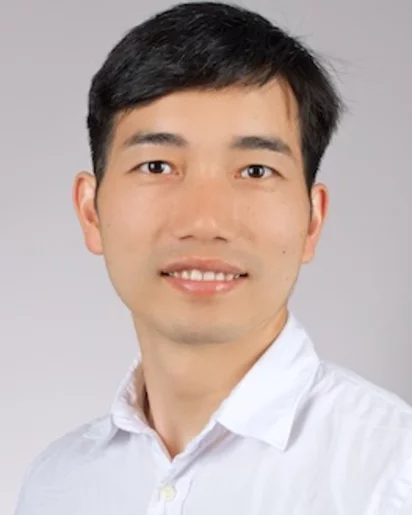
Prof. Xiao-Hua Qin is an Assistant Professor in the Department of Health Sciences and Technology at ETH Zürich, leading the Biomaterials Engineering research team and co-leading the Laboratory for Bone Biomechanics. He specializes in creating biomaterials for tissue biomanufacturing and regenerative medicine, with a focus on miniaturized in vitro bone models for disease modeling and drug discovery. His work has been recognized by prestigious grants such as the ERC Starting Grant and SNSF NRP 79, and he co-leads editorial roles for Biomedical Materials . He teaches courses on engineering with living materials and multiscale bone biomechanics. His research emphasizes constructing 3D microenvironments to study bone physiology/pathology, with recent breakthroughs in hydrogel-based systems for cell network formation and organoid-on-chip tools. He has pioneered techniques like two-photon subtractive biofabrication and volumetric bioprinting. Qin's honors include Young Academy of Europe membership and multiple awards for innovative biomaterials and poster presentations. He mentors 6 PhD students and collaborates across disciplines, aiming to replace animal experiments with human organoid models (3Rs principle). His lab's innovations span biodegradable hydrogels, photoresponsive materials, and microscale 3D printing technologies.
Matteo Dal Peraro is an Associate Professor at École polytechnique fédérale de Lausanne (EPFL) in the School of Life Sciences, where he leads the Laboratory for Biomolecular Modeling (LBM) within the Interfaculty Institute of Bioengineering (IBI). He also holds significant administrative roles as Head of IBI-SV Administration and Co-Director of IBI-STI Administration, demonstrating his leadership across both the School of Life Sciences and School of Engineering. His research bridges computational approaches with experimental validation to understand complex biological systems at multiple scales. His educational background includes a B.S. and M.S. in Physics from the University of Padua (2000), followed by a Ph.D. in Biophysics from the International School for Advanced Studies (SISSA) in Trieste (2004). He then completed postdoctoral training at the University of Pennsylvania under Professor M. L. Klein before joining EPFL as a Tenure Track Assistant Professor in late 2007. Dal Peraro's research focuses on computational biophysics and multiscale modeling of biological systems, with particular emphasis on membrane-protein interactions, nanopore sensing technologies, and structural biology. His work spans fundamental molecular mechanisms to applied educational technologies, demonstrating a commitment to both scientific discovery and knowledge dissemination. He has made significant contributions to understanding protein-membrane interactions, antibiotic resistance mechanisms, mitochondrial disorders, and viral pathogenesis through advanced computational approaches. His publication record shows a strong trend toward integrating augmented and virtual reality technologies with molecular modeling, exemplified by his development of the moleculARweb platform for chemistry and structural biology education. His research spans computational methods development, structural characterization of biomolecules, membrane biophysics, and applications to medically relevant problems including antibiotic resistance and neurodegenerative disorders. This interdisciplinary approach connects fundamental biophysical principles with practical applications in medicine and education. Dal Peraro has mentored numerous doctoral students through EPFL's PhD programs, particularly in Computational and Quantitative Biology. His leadership extends to serving on PhD program committees and directing research groups focused on computational molecular biology. He has established collaborations across multiple disciplines, facilitating integrative approaches to complex biological problems. He leads the Laboratory for Biomolecular Modeling (LBM), which develops and applies computational methods to study biological systems at multiple scales. The lab bridges molecular simulations with experimental validation, creating a synergistic approach to understanding complex biological phenomena. Dal Peraro's team has made significant contributions to membrane biophysics, protein folding, and the development of educational technologies that make structural biology accessible through augmented reality platforms.
Prof. G.V. Shivashankar is a Full Professor of Mechano-Genomics at ETH Zurich and holds a joint appointment at the Paul Scherrer Institute (PSI), Switzerland. He previously served as Deputy Director of the Mechanobiology Institute (MBI) at the National University of Singapore (NUS), where he also held the IFOM-NUS Chair Professorship. His research focuses on nuclear mechanics, genome regulation, and cancer diagnostics, integrating optical imaging, machine learning, and functional genomics. Educated at The Rockefeller University (PhD, 1994–1999) and with postdoctoral training at NEC Research Institute, he has led groundbreaking studies on nuclear mechanogenomics and mechano-driven cell fate transitions. Awards include the Birla Science Prize (2006), Swarnajayanthi Fellowship (2007), and EMBO membership (2019). His work bridges disciplines, exploring how mechanical forces influence nuclear architecture and gene regulation. He leads the Laboratory of Multiscale Bioimaging at PSI, collaborating with IFOM in Milan. Current projects include developing nuclear biomechanical markers for early cancer diagnosis and AI-driven analysis of chromatin dynamics. Grants include support from the Mechanobiology Institute, Ministry of Education (Singapore), and the IFOM-MBI Joint Lab. Notable achievements include detecting chemoresistant cancer cells via chromatin biomarkers and reprogramming fibroblasts for tissue regeneration. His lab actively mentors students and collaborates globally on mechanobiology applications in health and disease.