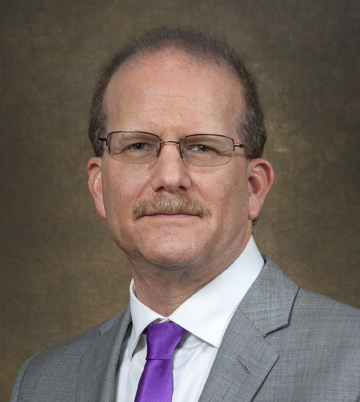
John Harry Evans is the III Katz Alumni Professor of Accounting at the Department of Accounting, Katz School of Business, University of Pittsburgh. His research focuses on economic perspectives of accounting phenomena, analytical models of incentives, experimental studies in managerial and tax reporting, and empirical investigations of healthcare incentives. He teaches courses in Financial Accounting, Financial Statement Analysis, Managerial Accounting, and Strategic Cost Management. Research spans incentive design, corporate governance, healthcare accounting, and empirical methodologies. Recent publications address CEO turnover, physician compensation, tax reporting ethics, and organizational incentive structures. Awarded multiple honors including the Outstanding Management Accounting Paper Award (2012), Provost Award for Excellence in Mentoring (2011), and multiple Best Paper Awards across journals. Active in professional service as a financial consultant to the Department of Defense and expert witness in legal cases. Designed financial analysis training programs for healthcare managers at University of Pittsburgh Physicians and Highmark Insurance Company.
Luc Sels has served as Rector of KU Leuven since August 1, 2017, and was re-elected for a second four-year term in May 2021. He is a full professor in the Faculty of Economics and Business (FEB), where he joined in 1996, became full professor in 2004, and served as Dean from 2008 to 2017. He concurrently holds an honorary professorship at Cardiff University and advisory roles at Friedrich-Alexander Universität Erlangen-Nürnberg, National University of Singapore, and Korea University. His research centers on labour market projections (employment, skill levels, regional forecasts), active labour market policies, and cooperative entrepreneurship. As Chairholder of the Randstand Chair on Employer Branding, VBO-FEB Chair on Belgian Business Champions, and CERA-Boerenbond Chair on Cooperative Entrepreneurship, he publishes in top journals including Journal of Management and Harvard Business Review. His work bridges academic research and policy impact through the Centre of Expertise in Labour Market Monitoring. Analysis of Sels' 2021-2025 publications reveals two dominant research streams: human resource management (particularly employer branding mechanics and line manager roles in training effectiveness) and cooperative enterprise dynamics (focusing on social capital in agri-food cooperatives). Methodological innovations in survival analysis for organizational research complement these themes, demonstrating interdisciplinary rigor across management, economics, and policy domains. Scientific Awards: No specific prizes, fellowships, or medals are mentioned in the source text. Sels actively supervises doctoral research, including S. Friedel's work on agri-food cooperative legitimacy, A. Billiet's study of member 'voice' mechanisms, K.G. Tamayo's analysis of line manager HRM involvement in Philippine call centers, and S. Ghielen's employer branding equity research. His current funded projects include Intercooperation (2024-2028) examining cross-cooperative legitimacy, Centre of Expertise for Labour Market Monitoring (2021-2025), and Relationships Matter (2019-2024) investigating social capital in agricultural cooperatives. He conducts research through KU Leuven's Department of Work and Organisation Studies and Leuven Economics of Education Research Centre (LEER), while directing the Centre of Expertise in Labour Market Monitoring for Flemish government policy advising. His cooperative entrepreneurship work operates through the CERA-Boerenbond Chair, integrating academic research with industry partnerships.
E. Jennifer Edelman, MD, MHS is a Professor of Medicine (General Internal Medicine) at Yale School of Medicine and an Associate Professor on Term in Social and Behavioral Sciences at Yale School of Public Health. She serves as an HIV provider at the Yale-New Haven Hospital Nathan Smith HIV Clinic and is the physician consultant in the Addiction Medicine Treatment Program. Dr. Edelman is certified as an internist, HIV specialist, and in Addiction Medicine, and holds multiple appointments across Yale's medical and public health institutions. Professor of Medicine, General Internal Medicine (Primary) Associate Professor on Term, Social and Behavioral Sciences (Secondary) Addiction Medicine Fellowship Program AIDS Care Program Internal Medicine Program in Addiction Medicine Yale Center for Clinical Investigation (co-Director of Education) Yale-Drug use, Addiction, and HIV prevention Research Scholars (DAHRS) Dr. Edelman's research focuses on optimizing HIV prevention and treatment in the context of substance use, including opioid, alcohol, and tobacco use. Applying a range of methodologies, she leads and collaborates on NIH-funded projects to evaluate novel and implement evidence-based addiction treatment in medical settings, especially HIV treatment settings. Her work has focused on understanding harms associated with opioid use among people with HIV and promoting HIV prevention, including use of pre-exposure prophylaxis (PrEP). She collaborates extensively with community-based and public health partners to advance these goals. Analysis of her recent publications (2024-2025) reveals a strong emphasis on integrated care models addressing substance use disorders within HIV treatment settings. Her research spans multiple methodologies including randomized controlled trials, implementation science, qualitative studies, and epidemiological analyses. Key themes include contingency management for alcohol use disorder among people with HIV, PrEP implementation among high-risk populations, and interventions for tobacco cessation in HIV clinics. Her work demonstrates a consistent focus on addressing health disparities and improving outcomes for vulnerable populations. Dr. Robert A. Savitt & Dr. George D. McCormack Award (2022) Lipkin Award Finalist, Society of General Internal Medicine National Annual Meeting (2021) Lipkin Award Finalist, Society of General Internal Medicine National Annual Meeting (2019) Veterans Affairs Locally-Initiated Project Funding Award New England Society of General Internal Medicine Award for Excellence in Clinical Investigation Society of General Internal Medicine Lawrence Linn Award Dr. Edelman actively mentors trainees including post-doctoral fellows and public health students, and serves as Associate Director of the Research on Addiction Medicine Scholars (RAMS) Program. She regularly serves on NIH grant review committees and is Associate Editor of Addiction Science and Clinical Practice. Her current research includes the EXHIT ENTRE trial (Exemplar Hospital Initiation Trial to Enhance Treatment Engagement), which focuses on addressing untreated alcohol use disorder in hospital settings. She has received substantial grant funding from the National Institutes of Health, National Institute on Alcohol Abuse and Alcoholism, and National Cancer Institute to support her work in addiction medicine and HIV care.
Lori Sisk is an Associate Professor of Teaching in Global Supply Chain Management at the Mike Ilitch School of Business, Wayne State University. She brings over 28 years of industry and consulting experience in supply management to her academic role, where she teaches strategic procurement, operations, and supply chain courses. She also serves as Program Coordinator for the WSU/AIAG Supply Chain Certificate Program, Advisor to student organizations, and member of multiple academic and industry committees. Education: MBA, Bowling Green State University BSBA, Bowling Green State University (Major: Procurement) CPSM, Institute of Supply Management Six Sigma Green Belt Certified, Delphi Corporation Lori's teaching and research focus on applied, experiential learning in supply chain and procurement. Her courses emphasize solving real-world business problems, and she integrates industry challenges into classroom learning. Her research interests include applied decision-making tools for supply chain executives, strategic sourcing, risk management, and lean operations. She is passionate about preparing students for careers in supply chain through hands-on education and mentorship. Her publications reflect a practitioner-oriented approach, covering topics such as crisis recovery, strategic sourcing, and total cost of ownership. The articles show a consistent focus on operational resilience, cost optimization, and strategic procurement across manufacturing and global supply chains. Scientific Awards: Inspirational Teacher of the Year Award, Wayne State University (2019) Service Award, Wayne State University Mike Ilitch School of Business (2020) Teacher of the Year Award, Denver Transportation Club (2018) Leadership District Person of the Year, ISM Public Relations District Person of the Year, ISM Troy Volunteer of the Year Award (nominated, 2020) Lori is deeply involved in academic and industry service. She advises student organizations including the Global Supply Chain Management Association (GSCMA) and Warrior Consulting Group (WCG). She co-leads the Supply Chain Advisory Council and is a member of the AIAG SC Steering Committee. She has delivered over 200 training sessions for professionals at global automotive OEMs and aerospace firms and has presented at international conferences including ISM, APICS, and PMAC. She has also developed and delivered curriculum for the AIAG/WSU Automotive Supply Chain Certificate Program since 2013. Lori leads initiatives that bridge academia and industry, particularly through the WSU/AIAG partnership. She has designed and facilitated workshops for suppliers and corporate teams on JIT, cost reduction, and risk management. Her work enhances workforce development and strengthens industry-academic collaboration in supply chain education.
Balbinder Singh Gill is an Assistant Professor of Finance and Sustainability at the School of Business, Stevens Institute of Technology. He holds a PhD in Finance from Temple University (2021). His research focuses on sustainable finance, climate finance, fintech, the political economy of finance, real estate finance, and labor dynamics in financial contexts. He has authored multiple peer-reviewed articles in leading finance journals, with a focus on disaster impacts, corporate finance, and regulatory frameworks. Education: PhD in Finance (2021), Temple University Research interests include analyzing how natural disasters influence corporate capital structures, the relationship between CEO leadership and employee compensation, and the intersection of healthcare access with mortgage interest rates. His work frequently bridges environmental, political, and financial systems to address modern economic challenges. Recent articles explore topics such as mortgage interest rate fluctuations tied to health uninsurance, retail gasoline pricing impacts, and the moderating role of CEO leadership styles in firm leverage decisions. These studies highlight Gill’s interdisciplinary approach to finance, combining environmental, political, and labor economics perspectives. Awards: 2024 Provost Award for Excellence in Undergraduate Advising and Mentoring Teaching and Learning Fellow (2023) Multiple teaching excellence commendations (2021–2023) Gill advises students across undergraduate and graduate programs, teaching courses like Sustainable Finance (FIN540) and International Business (BT360). He actively participates in institutional service roles, including membership in the Center for Research toward Advancing Financial Technologies (CRAFT) and the Finance Ph.D. Student Search Committee. Outside academia, Gill maintains a commitment to personal well-being through daily running and soccer, balancing rigorous academic work with healthy lifestyle practices.
Maria Sydnes serves as an Associate Professor in the Department of Technology and Security at UiT The Arctic University of Norway, Tromsø. Her academic work focuses on emergency management and organizational resilience within high-risk Arctic environments, with particular emphasis on maritime safety and cross-border crisis coordination between Norway and Russia. Her research interests span interorganizational coordination during emergencies, organizational learning for resilience building, and practical applications of lean production principles in crisis contexts. She investigates Arctic-specific challenges including avalanche response in Longyearbyen, oil spill management in polar waters, and integration of unorganized volunteers into formal emergency systems, consistently addressing the intersection of climate change impacts and security vulnerabilities. Analysis of her publication record reveals a strong trend toward interdisciplinary solutions for Arctic safety, with recurring themes of Norwegian-Russian cooperation, maritime risk assessment, and adaptive governance structures. Her work bridges theoretical frameworks with real-world case studies—from Svalbard waters to the Barents Sea—demonstrating practical approaches to disaster risk reduction in extreme environments. Dr. Sydnes actively participates in multiple research initiatives including the Climate Change Adaptation and Secure Societies groups. Her current projects encompass Co-producing knowledge about risk and safety of maritime activities around Svalbard SPRICE (spray icing modelling for maritime decision support) GLOBSEC (North-South security partnerships) NoCoU (civil security for Norwegian communities) Beredt! (risk-based governance for climate-driven natural hazards) highlighting her commitment to scalable, community-focused security solutions in vulnerable Arctic regions.
Xinming He is a full Professor of Marketing and Director of the Global Studies Centre at Durham University Business School. He holds dual PhDs from Xiamen University and King’s College London. His research focuses on international strategy, digitalization, export channels, and emerging markets. He advises Study UK HEI and the British Council, and serves on editorial boards of journals like Journal of Business Research and Asian Business & Management . He has examined PhD theses at institutions worldwide and previously worked in roles at Xiamen University, King’s College, and industry positions including Export Manager at China Xinxing Group. Education: BA, MA, PhD (Xiamen University) PhD (King’s College London) Research Interests: Digitalization’s impact on internationalization, export channels, FDI, innovation, and emerging markets. His work employs frameworks like institutional theory and transaction cost analysis. Awards: 2022 S Tamer Cavusgil Best Paper Award Multiple Emerald Literati Awards European Journal of Marketing Award (2013) Grants & Roles: AHRC grants, Charles Wilson Grant, and roles as UKRI FLF Peer Review member. Supervises 6 current PhD students and has examined over 20 theses globally. Labs/Teams: Leads the Global Studies Centre (GSC), fostering interdisciplinary research on international business challenges.
Taylor Johnson is an Associate Professor of Computer Science and Electrical and Computer Engineering at Vanderbilt University's School of Engineering. He directs the Verification and Validation for Intelligent and Trustworthy Autonomy Laboratory (VeriVITAL) and serves as a Senior Research Scientist in the Institute for Software Integrated Systems. Previously, he was an Assistant Professor at the University of Texas at Arlington from 2013 to 2016. His research focuses on formal verification techniques for cyber-physical systems (CPS), emphasizing safety, reliability, and security through hybrid systems, formal methods, and control theory. He has published extensively on neural network verification, earning best paper awards and recognition from IEEE, IFIP, and ACM. Education: Ph.D., Electrical and Computer Engineering (University of Illinois at Urbana-Champaign, 2013) M.Sc., Electrical and Computer Engineering (University of Illinois at Urbana-Champaign, 2010) B.S.E.E., Electrical and Computer Engineering (Rice University, 2008) Research Interests: Formal verification of neural networks and CPS, safety-critical systems, autonomous systems, and AI/ML security. His work bridges theoretical foundations (e.g., hybrid systems) with practical applications in aerospace, energy systems, and robotics. Key Contributions: Developed the NNV tool for neural network verification, led the Verification of Neural Networks Competition (VNN-COMP), and pioneered techniques for robust federated learning and malware detection. Awards: AFOSR YIP Award (2016), NSF CRII Award (2015), and multiple best paper honors. His research is funded by AFRL, NSF, Intel, NVIDIA, and industry partners. Labs & Collaborations: VeriVITAL Lab (Vanderbilt), collaborations with United Technologies Research Center, Boeing, and Toyota.
Dr. Shuangshuang Jin is an Associate Professor in the School of Computing with a joint appointment in the Department of Electrical and Computer Engineering at Clemson University's College of Engineering, Computing and Applied Sciences. Previously, she served as a Senior Research Scientist at Pacific Northwest National Laboratory. Her educational background includes a Ph.D. in Computer Science (2007), M.S. in Computer Science (2003) from Washington State University, and a B.S. in Computer Science (2001) from Wuhan University. Ph.D., 2007 - Washington State University, Computer Science M.S., 2003 - Washington State University, Computer Science B.S., 2001 - Wuhan University, Computer Science Dr. Jin specializes in high-performance computing (HPC), distributed and parallel computing, general-purpose computation on graphical processing units (GPGPU), and HPC-based big data analysis, machine learning, scientific computation, and visualization. Her research focuses on applying these technologies to electrical engineering (power and energy systems, power electronics), automotive engineering, systems biology, and computer graphics. She leads the High-Performance Computing Enabled Science and Engineering (HPCeSE) Lab, where she supervises six PhD students working on HPC implementations for power system dynamic simulation, GridPACK application development, data-driven model-based smart control of power electronics converters, and other cutting-edge projects. Her recent publications demonstrate expertise in accelerating power system simulations, PV inverter reliability assessment, edge computing for power systems, and virtual prototyping of vehicle powertrain systems. The research trends show increasing focus on GPU acceleration, real-time simulation capabilities, and integration of HPC with emerging power system challenges. Junior Faculty Excellence in Teaching award (2021) Churchill Carter Fellowship (2022-2023) Zucker Graduate Education Center PhD Grant (2023) Doctoral Dissertation Completion Award (2023-2024) Outstanding Masters Student in Computer Science award (2022) Dr. Jin has successfully secured multiple grants from DOE, DOD, and other agencies for projects including 'Vehicle Propulsion Digital Twins', 'GridPACK-Wind', and 'Tool for Reliability Assessment of Critical Electronics in PV (TRACE-PV)'. She has advised numerous PhD and Master's students who have gone on to positions at national laboratories and industry. Her HPCeSE Lab maintains strong connections with Pacific Northwest National Laboratory, Fermi National Accelerator Laboratory, and other research institutions, providing students with valuable internship opportunities. Dr. Jin leads the High-Performance Computing Enabled Science and Engineering (HPCeSE) Lab at Clemson University, which focuses on developing optimized HPC-based parallel programming algorithms and architectures to solve complex scientific and engineering domain problems. The lab works on smart grid modeling and simulation, power electronics reliability assessment, ground vehicle systems prototyping, and advanced grid analytics, utilizing OpenMP, MPI, Pthreads, and CUDA/OpenCL on various computing platforms.
Dr. María Yanotti serves as a Senior Lecturer in Economics at the Tasmanian School of Business and Economics (TSBE) within the University of Tasmania. Her academic appointment is based at the Rivers Edge Building, Inveresk campus in Launceston, Tasmania. With a specialization in housing finance, banking, and household economics, Dr. Yanotti has established herself as an expert in mortgage markets and residential property investment, frequently sought for media commentary on these subjects. Dr. Yanotti's research interests span housing finance, mortgage markets, residential property investment, banking economics, and household financial decision-making. Her work frequently examines the intersection of financial systems and housing markets, with particular attention to Australian market dynamics. She has published extensively on mortgage choice determinants, financial inclusion, and the relationship between housing finance systems and economic outcomes. Her research methodology often combines economic theory with sophisticated statistical analysis to address practical questions in housing finance. Analysis of Dr. Yanotti's publication record reveals a strong focus on housing economics and mortgage markets, with significant contributions to understanding residential investment patterns, mortgage choice determinants, and housing finance systems. Her research spans both theoretical and applied economics, with numerous publications in leading domestic and international journals. She has also expanded her research interests to include environmental economics topics such as marine plastic pollution valuation and climate change impacts, demonstrating interdisciplinary reach while maintaining her core expertise in housing finance. Dr. Yanotti has received research funding from the Australian Housing and Urban Research Institute (AHURI) and is affiliated with the Economic Society of Australia and the Women in Economics Network. Her work on residential property investment, particularly the phenomenon of investors favoring properties near their own residence, has received significant attention in both academic and policy circles. At the University of Tasmania, Dr. Yanotti teaches across multiple economics and finance subjects including microeconomics, statistics and quantitative methods, economics for managers, finance for managers, and data analysis for managers. Her teaching reflects her research expertise, connecting theoretical economic concepts with practical applications in housing and financial markets.
Julie Battilana is the Joseph C. Wilson Professor of Business Administration at Harvard Business School and the Alan L. Gleitsman Professor of Social Innovation at Harvard Kennedy School. She founded the Social Innovation and Change Initiative at Harvard Kennedy School and teaches Power and Influence in the MBA program. Her research spans organizational behavior, social entrepreneurship, and hybrid organizational forms. Education: B.A. in sociology and economics, M.A. in political sociology, M.Sc. in organizational sociology and public policy from École Normale Supérieure de Cachan, joint Ph.D. in organizational behavior from INSEAD and École Normale Supérieure de Cachan. Research Interests focus on divergent organizational change, hybrid organizing (social enterprises combining nonprofit and corporate models), power dynamics in institutions, and gender in organizational contexts. She examines how organizations balance social and financial goals. Article Trends show her expertise in hybrid governance (2024), sustainable product development (2023), workplace democracy (2022), ethical power use (2021), and foundational studies on social enterprises. Her work addresses institutional resistance (2012), network strategies (2013), and gender dynamics (2017). Scientific Honors include the George R. Terry Book Award (2022), Academy of Management Fellowship (2022), and multiple teaching awards (Charles M. Williams 2019, Apgar 2013). She was named a Chevalier dans l'Ordre des Palmes Académiques (2019). Teaching & Practice involves Harvard’s doctoral program, executive education, and case development. She studies network strategies for change agents and institutional entrepreneurship frameworks. Labs & Initiatives include the Social Innovation and Change Initiative at Harvard Kennedy School and contributions to the Democratizing Work Initiative, which she co-launched with global scholars.
Mark Greenwald is a Professor and Associate Chair for Research in the Department of Psychiatry at Wayne State University School of Medicine. His work focuses on substance abuse research, particularly on pharmacological and neurobiological mechanisms of opioid and other substance use disorders. With numerous publications and significant contributions to the field of addiction medicine, Dr. Greenwald leads the Substance Abuse Research Division and collaborates extensively with researchers across multiple disciplines to advance understanding and treatment of addiction. Dr. Greenwald's research spans multiple domains of addiction science, with particular expertise in pharmacological determinants of drug-seeking behavior , neuroimaging of addiction-related neural processes , and development of novel treatment approaches for opioid use disorder . His work employs advanced methodologies including PET imaging of opioid and dopamine systems, fMRI, EEG, and 1H spectroscopy to investigate the biological underpinnings of addiction. A significant portion of his research focuses on optimizing buprenorphine treatment protocols and understanding individual differences in treatment response. Dr. Greenwald's recent publications reveal a strong focus on advancing precision medicine approaches for opioid use disorder, with particular attention to pharmacogenetic factors, neuroimaging biomarkers, and individualized treatment protocols. His work increasingly integrates neurobiological, psychological, and social determinants of addiction to develop comprehensive treatment models. Notably, his research bridges basic science with clinical applications, translating neuropharmacological insights into improved treatment strategies for patients struggling with opioid addiction. National Institutes of Health awarded Wayne State $1.19 million for addiction neuroscience predoctoral training Contributed to $16.6 million drug development project for treatment of opioid use disorder Provost's Social & Behavioral Determinants of Health Steering Committee member Led clinical trial proving neurostimulation device to treat opioid use disorder is effective As Associate Chair for Research, Dr. Greenwald oversees research initiatives within the Department of Psychiatry and mentors junior faculty and research staff. His substantial NIH-funded research program supports multiple clinical trials investigating novel approaches to treating opioid use disorder. Dr. Greenwald has secured significant grant funding for projects including a $1.19 million NIH award for addiction neuroscience predoctoral training and contributions to a $16.6 million drug development project for opioid use disorder treatment. His leadership extends to serving on the Provost's Social & Behavioral Determinants of Health Steering Committee. Dr. Greenwald leads the Substance Abuse Research Division at Wayne State University, which employs a multidisciplinary approach to addiction research. His team collaborates with key researchers including Leslie Lundahl, David Ledgerwood, and Cynthia Arfken (focusing on substance use disorders and HIV/AIDS); Jeffrey Stanley (specializing in 1H spectroscopy); Vaibhav Diwadkar (fMRI, learning/memory); Sylvie Naar-King and Paul Burghardt (stress, physical activity and obesity); Terrance Albrecht, Ann Schwartz and Jennifer Beebe-Dimmer (chemotherapy-induced peripheral neuropathy); Timothy Roehrs (Henry Ford: EEG, sleep, pain); and Margit Burmeister (University of Michigan: pharmacogenetics).
Prof. Dr. Torsten-Oliver Salge is a University Professor and Co-Director of the Institute for Technology and Innovation Management (TIM) at RWTH Aachen University, where he heads the Innovation, Strategy and Organisation (ISO) Group since April 2013. He also serves as a Fellow of Cambridge Digital Innovation at the University of Cambridge, maintaining strong international academic connections. His work bridges theoretical organizational research with practical applications across multiple sectors. Salge completed his business administration studies across multiple European countries including Germany, France, Italy, and England. He earned both his Ph.D. and M.Phil. degrees from the University of Cambridge. His academic journey includes positions as interim professor at the University of Duisburg-Essen (2012-2013), junior professor at the Ruhr-University Bochum (2009-2012), and post-doctoral research associate at Cambridge (2009). His research focuses on organizational behavior in innovation contexts , particularly examining collaboration across disciplinary, organizational, and institutional boundaries. He investigates how organizations learn from performance feedback, approach problem-solving, and implement strategic HRM practices that enhance employee well-being. A distinctive feature of his work is the examination of technology legitimation, adoption processes, and payoff realization in complex organizational settings. His research combines behavioral and institutional perspectives to understand innovation processes. Analysis of Salge's publication record reveals a strong emphasis on healthcare innovation management, with numerous studies examining hospital information systems, infection control, and healthcare service improvement. His work often applies dynamic capabilities theory to innovation processes and demonstrates methodological sophistication through both quantitative and qualitative approaches. The publications show consistent contributions to top-tier management journals including Academy of Management Review , MIS Quarterly , and Journal of Product Innovation Management . Scientific Recognition: Nominated for European Research Paper of the Year 2016 (CIONET) Multiple Best Paper awards at Academy of Management conferences across various divisions Shortlisted for Strategic Management Society (SMS) Best Conference Paper Awards Recipient of prestigious scholarships including ESRC, DAAD, and Cambridge European Trust funding Recognized with the Knut Holt Best Paper Award from ISPIM Throughout his career, Salge has maintained active collaborations with organizations across healthcare, central government, and financial services sectors. His international scholarly network is evidenced by visiting appointments at universities in Auckland, Buenos Aires, Cambridge, Oxford, and Philadelphia. At RWTH Aachen, he leads an interdisciplinary team within the TIME Research Area, which comprises over 100 senior and junior researchers working at the intersection of innovation, technology management, marketing, and entrepreneurship. As Co-Director of the RWTH TIM institute, Salge oversees a research unit with approximately 30 doctoral candidates, 5 postdocs, and more than 20 student researchers. The institute maintains strong industry connections and focuses on strategic technology management, open innovation, innovation culture, organizational change, business model development, and customer-oriented value creation.
Bish Sanyal is the Ford International Professor of Urban Development and Planning at MIT, serving as Director of the Special Program for Urban and Regional Studies (SPURS)/Hubert Humphrey Program. He previously led the Department of Urban Studies and Planning (1994–2002) and chaired MIT’s faculty (2007–2009). His multidisciplinary background includes a BA in Architecture from IIT Kharagpur, an MUP from the University of Kansas, and a PhD in International Development Planning from UCLA. Research focuses on urban development, particularly spatial/economic integration of informal housing, and international development planning. He advises governments and agencies in South Asia, the Middle East, Africa, and Latin America. Sanyal sits on six professional journal editorial boards. His work emphasizes comparative planning cultures and hybrid governance models, with recent articles addressing contingent universalism in planning theory and technology evaluation in global development. Key themes include urban informality, cross-cultural learning, and policy innovations in low-income contexts. Awards: MacVicar Award (MIT), Gill-Chin Lim Global Award, ACSP Distinguished Educator Award Leadership: SPURS program director, MIT faculty leadership roles Global Engagement: Advised multilateral agencies and governments across multiple regions Advocates for equitable urbanization through education and policy, integrating academic rigor with practical development challenges. His writings explore tensions between theory and practice in planning, emphasizing reflective and anticipatory approaches to urban transformation.
Kathryn E. Spier is the Domenico De Sole Professor of Law at Harvard Law School and a Research Associate at the National Bureau of Economic Research (NBER). She previously held faculty positions at Northwestern University’s Kellogg School of Management and Harvard University’s Economics Department. She served as President of the American Law and Economics Association (2015–2016) and has held editorial roles at the RAND Journal of Economics and the American Economic Review. Education: Ph.D. in Economics, Massachusetts Institute of Technology, 1989 B.A. in Mathematics and Economics, Yale University, 1985 Her research centers on law and economics, with a focus on litigation, contracts, tort law, antitrust, and business organizations. She employs theoretical and experimental methods to analyze settlement bargaining, platform liability, class actions, and product safety. Her work integrates insights from industrial organization and game theory to address legal and regulatory challenges. Recent publications explore the liability of digital platforms, class action waivers, IPO disclosure, and litigation finance. Her articles frequently appear in top journals such as the American Economic Review, RAND Journal of Economics, and Journal of Law, Economics, and Organization. The research demonstrates a consistent focus on incentive design, strategic behavior, and institutional mechanisms in legal contexts. Scientific Awards and Honors: Honorary Doctorate, BI Norwegian Business School, 2023 Garvin Prize in Law & Economics, Berkeley, 2001 National Science Foundation Graduate Fellowship, 1985–1988 Sidney J. Levy Teaching Award (twice), Kellogg, 2002 & 2006 Multiple Yale University prizes for academic excellence, 1984–1985 Olin Fellowship, University of Chicago Law School, 1993–1994 She has advised numerous doctoral students and collaborated extensively with scholars such as Albert H. Choi, Claudia M. Landeo, and J.J. Prescott. Her research has been supported by the National Science Foundation and the Searle Foundation. She is actively engaged in academic service, including editorial board memberships and leadership in professional associations. Professor Spier leads research initiatives on platform regulation and civil litigation reform. She teaches courses in analytical methods for lawyers, business strategy, and graduate workshops in contracts and organizations. Her work continues to shape policy debates on liability, antitrust, and consumer protection.