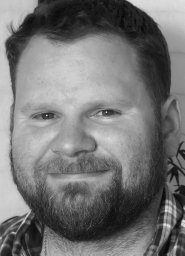
Richard Allen White III is an Assistant Professor in the Department of Bioinformatics at the University of North Carolina at Charlotte, affiliated with the College of Computing and Informatics. His work spans bioinformatics, computational biology, virology, and microbial ecology, with a focus on understanding viral lifestyles in diverse ecosystems. Education: B.S. in Cellular and Molecular Biology from California State University – East Bay M.S. in Biology (Molecular Virology) from California State University – East Bay Ph.D. in Microbiology and Immunology from the University of British Columbia Postdoctoral training in Computational Biology at Pacific Northwest National Lab (PNNL) Dr. White's research investigates how viral dynamics influence microbial communities in the rhizosphere, mammalian hosts, and modern microbialites. He combines multiomics approaches with computational tools for de novo genome assembly and functional annotation. Recent work includes developing bioinformatics platforms like NFixDB and MerCat2. Scientific Awards: NAR Genomics and Bioinformatics Editors' Pick (2024)
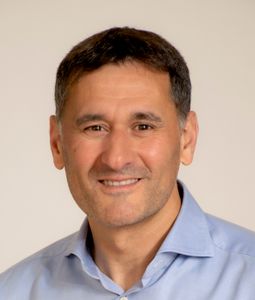
Dr. Xaralabos (Bob) Varelas is a Professor in the Department of Biochemistry & Cell Biology at Boston University School of Medicine, where he serves as Principal Investigator of the Varelas Lab. His research focuses on molecular mechanisms directing cell fate decisions during development, homeostasis, and disease, with emphasis on Hippo-YAP/TAZ signaling pathways. Education includes: PhD from University of Alberta (Edmonton, Canada) Postdoctoral training at Lunenfeld-Tanenbaum Research Institute, Mount Sinai Hospital (Toronto, Canada) Research interests span Hippo-YAP/TAZ signaling, lung epithelial biology, cancer biology, tissue regeneration, fibrosis, and immune cell regulation. The lab employs molecular/genetic approaches to study transcriptional regulators YAP/TAZ across biological contexts including cancer progression, lung injury repair, and immune modulation. Recent publications demonstrate strong focus on: Hippo pathway dysregulation in cancer microenvironments Stem cell applications in lung regeneration Epithelial-immune crosstalk mechanisms Computational modeling of cellular signaling networks with frequent use of single-cell analyses and genetic engineering techniques. Dr. Varelas actively mentors graduate students and postdoctoral researchers, with current advisees including PhD and MD/PhD candidates studying lung injury, cancer biology, and immune evasion. The lab maintains collaborations with institutions globally. The Varelas Lab investigates fundamental mechanisms of cell signaling through wet-lab and computational approaches, with ongoing projects in mammary carcinoma, pulmonary fibrosis, and head/neck cancer biology.
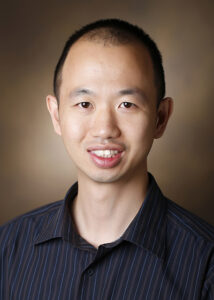
Vivek Bhardwaj is an Assistant Professor at the Institute of Biodynamics and Biocomplexity, Department of Biology, Utrecht University. He leads the Quantitative Biology and Data Integration research group, focusing on combining high-throughput genomics and machine learning to understand and manipulate cell fate decisions. Research Interests: His work lies at the intersection of bioinformatics, genomics, and developmental biology. The lab investigates how epigenetic landscapes and transcription factors guide cell identity during animal development. Using single-cell and single-molecule genomics technologies, they generate large-scale datasets to build statistical and machine learning models that explain cellular decision-making processes. Research Approach: The lab employs a dual strategy: (1) extracting biological insights from multi-omics data of developing cells to model cell identity and function, and (2) developing open-source bioinformatics tools and workflows for analyzing single-cell (epi)genomics data. Their long-term goal is to enable in-vivo reprogramming of stem cells for applications in regenerative medicine, healthy aging, and cancer therapy. Publications Trend: Recent research, such as the 2025 preprint on zebrafish embryos, demonstrates a strong focus on single-cell multiomics, integrating histone modification and gene expression data to dissect developmental mechanisms. The work emphasizes quantitative modeling, data integration, and tool development for the broader biological community. No scientific awards listed in the provided text. Advising and Grants: While specific students and grant details are not mentioned, the lab actively hosts interns and new members, indicating a commitment to training and mentorship. The development of multiple open-source software tools suggests involvement in collaborative and computationally driven research projects, likely supported by external funding. Labs and Teams: The Bhardwaj Lab is an inter-divisional group within Utrecht University. They maintain a strong open-science ethos, with tools like sincei, scChICflow, and snakepit publicly available on GitHub. The lab also shares protocols, datasets, and news about open positions, reflecting an integrated and transparent research environment.
Rezaul Karim is a Sr. Data Scientist at ALDI SÜD - International Data & Analytics and Guest Researcher at RWTH Aachen University's Faculty of Computer Science, Department of Computer Science 5. He completed his PhD in Explainable AI at RWTH Aachen University with distinction (Summa Cum Laude) under the supervision of Prof. Dr. Stefan Decker. His research focuses on machine learning, explainable AI, and their applications in healthcare and bioinformatics. Karim has developed methods for cancer susceptibility prediction from multiomics data, explainable knee osteoarthritis diagnosis, and privacy-preserving analytics for sensitive medical data. His work bridges the gap between theoretical machine learning and practical applications in medical diagnostics and biological data analysis. Karim's publication record shows consistent output in top venues, with recent work emphasizing interpretable models for complex biomedical problems. His research integrates machine learning with semantic web technologies to create data and knowledge-driven analytical solutions that maintain model transparency. Best paper (NLP) award at a top data science conference ICT Young Researcher Award 2020 for significant contributions to ICT-related research As an educator, Karim teaches Data Science in Medicine Seminar (WS 2025) and has previously taught courses on building Large Language Model Applications and Semantic Web technologies. His industry experience at Fraunhofer FIT and ALDI SÜD provides practical context to his academic work, ensuring his research addresses real-world challenges in data science and machine learning deployment.
Ken Lau is a Professor in the Department of Cell and Developmental Biology and the Department of Surgery at Vanderbilt University School of Medicine. He leads the Lau Lab, which focuses on understanding epithelial tissue function and organization using systems biology and single-cell technologies. His lab is based in the Medical Research Building IV at 2215 Garland Avenue, Nashville, TN. Ph.D. in Bioinformatics and Proteomics, University of Toronto (2008) Postdoctoral Fellowship, MIT/Massachusetts General Hospital Established Lau Lab at Vanderbilt in 2013 Dr. Lau's research centers on the intestinal epithelium and how inflammatory microenvironments influence epithelial cell behavior, fate decisions, and plasticity. His lab integrates high-content experimental techniques such as single-cell RNA-seq, multiplex imaging (MxIF), and DISSECT-CyTOF with computational and machine learning approaches to generate systems-level insights into gut biology. The lab uses mouse and human models, organoids, and clinical specimens to study diseases like Inflammatory Bowel Disease and colorectal cancer. Key interests include niche signaling, cell differentiation, metaplasia, and cancer stem cell dynamics. The recent publications from the Lau Lab demonstrate a strong trend in spatial and single-cell multiomics, focusing on colorectal cancer progression, cellular plasticity, and microenvironmental interactions. These works employ advanced computational modeling and machine learning to extract biological insights from complex datasets, indicating a deep integration of data science and experimental biology. Scientific awards and recognitions are primarily reflected through the fellowships and honors received by his trainees, including: F31DK127687 (Paige Spencer) VICC Graduate Student of the Year (Mirazul Islam) F31GM143909 (Dora Obodo) Lai Sulin Scholarship (Cody Heiser) T32LM012412 (Bob Chen) T32AI007281 (Cherie’ Scurrah) T32AI138932 (Amrita Banerjee) F31GM120940 (Charles Herring) U2CCA233291S1 (Andrea Rolong) Dr. Lau has mentored a large number of students and postdoctoral fellows, many of whom have gone on to postdoctoral positions at institutions like MIT, Harvard, and St. Jude’s, or to industry roles at Regeneron, Genentech, and GSK. His lab actively develops both experimental and computational methodologies, and he emphasizes vertical integration of technology development, algorithm design, and biological discovery. The Lau Lab fosters a collaborative environment with regular retreats and team-building activities, and it maintains a strong presence in both basic and translational research. The Lau Lab is a key contributor to the Vanderbilt Epithelial Biology Center, utilizing cutting-edge single-cell and spatial profiling tools to investigate epithelial biology in health and disease. The team combines molecular biology, imaging, and data science to build comprehensive models of tissue architecture and function. Current research includes lineage tracing of quiescent stem cells, microbial interactions in inflammation, and BRAF mutation effects on stemness.
Professor Wolfgang Enard, Chair of Divisional Anthropology & Human Genomics at Ludwig Maximilian University of Munich (LMU), leads groundbreaking research at the intersection of molecular neuroscience, evolutionary biology, and genomics. As a GSN full faculty member and regular at the Munich Center for Neurosciences (MCN), he investigates evolutionary mechanisms shaping human-specific traits through advanced single-cell RNA-seq and comparative primate studies. His work spans from FOXP2 transcription factor roles in speech evolution to epigenomic regulation in neural development. Primary Research: Molecular & Developmental Neuroscience, Behavioral & Cognitive Neuroscience Key Methods: Mouse models, induced pluripotent stem cells, single-cell RNA-sequencing Collaborations: Hellmann Lab (computational approaches) Recent publications highlight his expertise in RNA sequencing innovations (Prime-seq), cross-species iPSC generation from primates, and evolutionary analysis of gene networks. His lab contributes to understanding lipid metabolism in neurodegenerative models and immune axes in thrombosis. Advisees include Dr. Aleksandar Janjic, a GSN graduate. Contact: enard@bio.lmu.de | Phone: +49 (0)89 / 2180-74 339.
Patrick Thorwarth is a Professor and Academic Director at the State Plant Breeding Institute of the University of Hohenheim, focusing on applied plant breeding and genetic research. His work integrates machine learning, multi-omics analysis, and traditional methods like GWAS and genomic selection to develop sustainable agricultural solutions for wheat, maize, and triticale. He leads projects on genetic resistance, nutrient efficiency, and climate adaptation. Education: PhD in Crop Biodiversity and Breeding Informatics (University of Hohenheim) Teaching: Leads courses in Plant Genetic Resources, Quantitative Genetics, and Breeding Methodology His research spans Phenomic Prediction , Genotype-Environment Interactions , and Optimization of Field Trials , with a strong emphasis on digitalization and open-source platforms. Recent projects include bwHemp2.0 for industrial hemp breeding and SENSOJA for sensor-based soybean selection. He secures third-party funding from agencies like BMEL and DFG. Key publications analyze NIRS data preprocessing for phenomic prediction, feature engineering in durum wheat trials, and genetic diversity in staple crops. His work demonstrates how digital tools can bridge the gap between theoretical research and practical agricultural challenges.
Dr. Isaac T. Schiefer is a Professor of Medicinal and Biological Chemistry at the University of Toledo, serving as Director of the Center For Drug Design And Development (CD3) and Associate Director of the Shimadzu Laboratory For Pharmaceutical Research Excellence within the College of Pharmacy and Pharmaceutical Sciences. His laboratory is housed in the Frederic and Mary Wolfe Center. Dr. Schiefer's educational background includes a Post-doctoral Fellowship in Chemical Biology from Northwestern University (2013), a Ph.D. in Medicinal Chemistry from the University of Illinois at Chicago (2012), and a B.S.P.S. in Medicinal and Biological Chemistry from The University of Toledo (2007). His research program focuses on CNS drug discovery at the interface of medicinal chemistry and chemical biology. The Schiefer lab conducts work in two primary areas: target identification using chemical and cellular biology techniques, and small molecule hit-to-lead optimization using synthetic, bioanalytical, and bioorganic chemistry approaches. The lab employs a genuine multi-disciplinary approach including organic synthesis; bioanalytical characterization in primary neurons; metabolic stability analysis; in vivo pharmacokinetic studies (using HPLC and LC-MS-MS); analysis of pharmacodynamic markers (via ELISA, western blot, microscopy); and behavioral efficacy studies using murine and zebrafish models of learning, memory, and motor function. Analysis of Dr. Schiefer's recent publications (2021-2024) reveals a strong focus on neurodegenerative disorders, particularly Alzheimer's disease, with significant work on nitric oxide mimetics and furoxans. His research has expanded into the gut-brain axis, investigating how gut microbiome components affect drug efficacy, especially for cardiovascular medications. This emerging research direction demonstrates his ability to identify innovative paths with potential clinical impact across multiple therapeutic areas. Dr. Schiefer has received substantial research funding as Principal Investigator on multiple grants including a New Investigator Award from the American Association of Colleges of Pharmacy, an NIRG grant from the Alzheimer's Association, and multiple NIH grants (R01, R03) from NIA and NIDA. He serves on NIH study sections including The Blood-Brain Barrier, Neurovascular System and CNS Therapeutics, and has been a guest editor for a special issue on 'Pharmacology & Medicinal Chemistry of Nitric Oxide' in the journal Nitric Oxide. As Director of CD3 and Associate Director of the Shimadzu Laboratory, Dr. Schiefer leads research teams focused on translating basic discoveries into clinical applications. His laboratory maintains state-of-the-art facilities for organic synthesis, bioanalytical characterization, and in vivo studies using zebrafish and murine models, creating an integrated environment for drug discovery from target identification through preclinical development.
Adam Ameur is an Associate Professor in Genomics and Bioinformatics at Uppsala University, affiliated with SciLifeLab. His work develops genomic technologies and infrastructure to advance human genome understanding and disease diagnostics, with expertise in long-read sequencing applications for medical genetics. He leads Sweden's national reference genome project and co-founded the Precision Omics Initiative Sweden (PROMISE). His research spans: Long-read Sequencing Clinical Genomics Human Genomics Bioinformatics Transcriptomics Medical Genetics Specializing in structural variant analysis, tandem repeat characterization, and genomic data integration for clinical translation. Recent publications (2024-2025) emphasize long-read sequencing in population-scale chromosomal rearrangement studies, nanopore-based tandem repeat analysis (pathSTR), and multiomic cancer characterization. A unifying theme is healthcare integration, exemplified by PROMISE's framework for connecting genomic research with clinical practice in Sweden. He directs the Swedish reference genome initiative and co-leads PROMISE, operating through SciLifeLab's national infrastructure for molecular biosciences.
Mingyao Li, PhD, is an Associate Professor of Biostatistics whose scholarship bridges high-dimensional statistics with modern genomics and spatial biology. Her work is recognised for advancing computational methods that dissect complex tissue architecture and disease heterogeneity at single-cell resolution. Research Interests Bioinformatics and computational biology Statistical methods for high-dimensional genomic data Single-cell and spatial multi-omics integration Genetics and genomics of cardiovascular and cancer systems Systems biology approaches to disease mechanisms Across more than one hundred peer-reviewed publications, Li’s research exhibits a clear trajectory from developing rigorous statistical frameworks—such as hypothesis testing in stochastic block models—to large-scale applications in human disease. A dominant theme is the fusion of spatial transcriptomics, single-cell multi-omics and AI-driven image analysis to uncover cell-type heterogeneity, lineage relationships and microenvironmental crosstalk in atherosclerosis, lung adenocarcinoma, pancreatic cancer and neurodegenerative disorders. Scientific Awards & Recognition While specific awards are not listed in the provided text, the consistent appearance of Dr Li as senior or corresponding author on high-impact papers in Nature family journals and the development of widely-used computational tools (e.g., MISO, iSCALE) attest to significant scholarly recognition. Research Support & Teams Granting agencies and collaborative networks are not explicitly detailed, but the scale and scope of the projects—from whole-organ spatial atlases to primate genome-editing studies—imply substantial multi-institutional funding and interdisciplinary teams integrating biostatisticians, wet-lab scientists and clinician-scientists.
Benjamin Voight, PhD, is an Associate Professor of Systems Pharmacology and Translational Therapeutics. His research program sits at the intersection of computational biology, genomics, and clinical translation, with a particular focus on understanding how human genetic variation influences complex disease susceptibility and therapeutic response. Research Interests Bioinformatics & Computational Genomics: Development of algorithms and statistical frameworks for large-scale genomic data integration. Human Genetics & Population Genetics: Leveraging diverse global cohorts to uncover ancestry-specific and shared genetic signals underlying cardiometabolic traits. Systems Pharmacology: Translating genetic discoveries into therapeutic hypotheses and pharmacogenomic applications. Across more than 60 recent publications (2020-2025), Dr. Voight’s group has consistently advanced multi-ancestry genome-wide association studies (GWAS), polygenic risk score development, and single-cell multi-omic dissection of pancreatic, hepatic, renal, and cardiovascular tissues. These works collectively illuminate pleiotropic networks connecting type 2 diabetes, coronary artery disease, heart failure, atrial fibrillation, gallstone disease, and non-alcoholic fatty liver disease. Scientific Recognition No specific awards are listed in the provided text. Advising & Collaborative Teams While individual trainees are not named, the extensive co-authorship patterns across the Million Veteran Program, trans-ancestry consortia, and interdisciplinary pharmacogenomic initiatives indicate substantial mentorship and collaboration with both pre- and post-doctoral researchers.
Jesper Grud Skat Madsen is an Associate Professor at the Department of Biochemistry and Molecular Biology, University of Southern Denmark (SDU), and Principal Investigator of the MadLab research group. His work bridges computational biology with experimental genomics, focusing on transcriptional regulation in tissue plasticity and metabolic diseases. Current affiliation: SDU (Department of Biochemistry and Molecular Biology) Previous affiliation: SDU (Department of Mathematics and Computer Science, 2021-2023) Research centers: ATLAS, Human Gene Regulatory Map (HGRM), ADIPOSIGN
Nikos Tapinos is the Sidney A. Fox and Dorothea Doctors Fox Associate Professor of Ophthalmology, Visual Science, and Neuroscience at Brown University, affiliated with the School of Engineering and Department of Neurosurgery. He leads the Molecular Neuroscience & Neurooncology Lab, focusing on epigenetics, glial cell biology, and neuro-oncology. Research spans myelination mechanisms, glioma stem cell migration, RNA epigenetics, and novel therapies like GliaTrap hydrogels. Collaborations include departments of Pathology, Engineering, and Molecular Biology across Brown University. Recent work emphasizes epigenetic regulation in glioblastoma using machine learning, enhancer RNAs, and HDAC inhibitors. Key technologies include enzyme-free tissue dissociation and electric field therapy platforms. His lab investigates chromatin remodeling via antisense RNAs (e.g., Egr2 regulation) and mechanisms of glioma invasion in 3D models. Publications highlight integrative approaches to targeting glioma stem cells and Schwann cell biology.
Pengfei Liu, Ph.D. , is an Associate Professor in the Department of Molecular and Human Genetics at Baylor College of Medicine and Associate Clinical Director of NGS/Molecular at Baylor Genetics . He directs the ACGME/ABMGG Laboratory Genetics and Genomics Fellowship Program and leads the Medical Genetics and Multiomics Laboratory (MGML), a CLIA-certified diagnostic facility. Education: PhD from Baylor College of Medicine (2012), BS from Nankai University Certifications: American Board of Medical Genetics (Clinical Molecular Genetics #2015130, Laboratory Genetics and Genomics #2023143) Dr. Liu's research focuses on genomic medicine for rare diseases , with emphasis on clinical implementation of whole genome/exome/transcriptome sequencing . His lab pioneers patient-derived cell transdifferentiation for functional variant analysis and antisense oligonucleotide therapies for Mendelian disorders. Current projects include integrating low-cost sequencing technologies (Ultima Genomics) and characterizing genetic modifiers in recurrent deletions (e.g., 1q21.1 and 17q12 syndromes). His publications span genomic structural variation mechanisms , transcriptome diagnostics , and AI applications in Mendelian disease diagnosis (AI-MARRVEL system). The lab contributes to national initiatives including NIH Undiagnosed Diseases Network (UDN), GREGoR, RADIANT, and PrenatalSEQ consortia. Scientific Awards: C. W. Cotterman Award (ASHG 2012) NHGRI Top 10 Genomic Advances (2019) ACMG Michael S. Watson Innovation Award (2022) NHGRI Genomic Innovator Award (2021) The MGML, under Dr. Liu's leadership, operates the first clinical RNA-seq pipeline for the NIH Undiagnosed Diseases Network. The lab trains clinical geneticists through its ACGME-accredited fellowship program and collaborates with families affected by SPTAN1 mutations to develop individualized therapies.
Qian Zhu is an Assistant Professor at Baylor College of Medicine in the Department of Molecular Genetics . He earned a BSc in Computer Science and Biochemistry from the University of Ottawa , a PhD in Computational Biology from Princeton University , and completed postdoctoral training at Dana-Farber Cancer Institute/Harvard Medical School . Research Focus : Computational Biology, Cancer Genomics, Spatial Transcriptomics Key Projects : Spatial Multiomic Integration, Triple Negative Breast Cancer Disparities, Chromatin Structure Analysis, Software Development Recent Trends : His 15 most recent publications (2025-2018) focus on spatial transcriptomics tools ( Giotto , Xenomake ), cancer disparities research, chromatin structure analysis, and computational methods for single-cell data integration. These works reflect expertise in machine learning application to biomedical imaging, tumor microenvironment characterization, and epigenetic regulation. 2025 : Spatial omics analysis of racial disparities in TNBC 2024 : BCL11A tetramer function, xenograft data processing 2023 : CRISPR screening in leukemia 2022 : Chromatin regulators in developmental disease Awards : 2025 - Marion R. Wright Award for Scientific Excellence 2022 - CPRIT Tenure-Track Faculty Recruitment Award Collaborations : Works with experimental biologists on tumor progression, therapy resistance, and hematopoietic development. His lab includes bioinformatics programmers and graduate students.