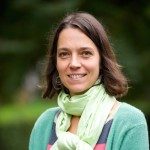
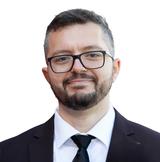
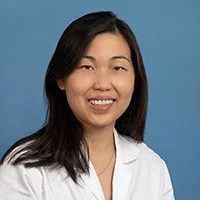
Jean-Louis is a Professor at the University of Lorraine, affiliated with the Department of Mathematics, Computer Science, and Mechanics under the Analysis and Number Theory team. Current position: Professor Institution: University of Lorraine Department: Mathematics, Computer Science, and Mechanics Research team: Analysis and Number Theory His research spans mathematical analysis applied to biological systems, with a focus on metabolic disorders , genetic variations , and multi-omics modeling . Key areas include vitamin B12 deficiency pathophysiology, microbiome dynamics, and systems medicine approaches for inherited diseases. Computational modeling of metabolic pathways Epigenetic signatures in disease states Integration of genomics with clinical outcomes Mathematical frameworks for personalized medicine Biostatistical analysis of population health data Jean-Louis has published extensively in translational medicine journals , addressing topics like sepsis biomarkers, drug hypersensitivity, and dietary toxicants. His work bridges mathematical rigor with clinical applications in metabolic and genetic disorders.
Laura Smyth is a Lecturer at Queen's University Belfast in the School of Medicine, Dentistry and Biomedical Sciences, specifically within the Centre for Public Health. Her research focuses on the molecular epidemiology of kidney disease and multi-omic risk factors for diseases with a focus on aging populations. She maintains an active research program with numerous publications, projects, and collaborations. Dr. Smyth's research interests span Genetics, Epigenetics, Genomics, Transcriptomics, DNA Methylation, Bioinformatics, Kidney Disease, Renal Disease, Complex Diseases, Chronic Diseases, and Healthy Ageing. Her work contributes to several UN Sustainable Development Goals related to health and wellbeing. She employs multi-omics approaches to understand complex disease mechanisms, particularly in diabetic kidney disease and age-related conditions. Her recent publications demonstrate a strong focus on integrating genetic, epigenetic, and clinical data to improve disease understanding and diagnosis. The research shows particular emphasis on kidney disease in diabetic populations, epigenetic clocks as biomarkers of aging, and polygenic risk scores for age-related conditions like macular degeneration. Scientific Awards: European Diabetic Nephropathy Study Group (EDNSG) Rising Star Award (2023) Finalist, Vice Chancellor's Research Culture Prize (2020) QUB Staff Excellence Award shortlist for Making a Difference (2022) QUB Staff Excellence Award shortlist for Team of the Year (2019) QUB STAR award recipient (2020) Dr. Smyth actively supervises research projects (BMS3112 since 2015) and mentors students in professional skills courses. She leads and contributes to significant research grants including 'Innovative multi-omics approaches to improve detection, diagnosis and prognosis of medical conditions arising from metabolic syndrome' (as PI) and 'Transforming Diabetic Kidney Disease Care' (as CoI). She has secured substantial funding for her research in diabetic kidney disease and aging. She is actively involved in the NICOLA (Northern Ireland COhort for the Longitudinal study of Ageing) research program and collaborates extensively within the kidney research community, including organizing events like 'Kidney Canvas' and 'The Future of Kidney Research is STEAM Powered' public engagement event.
Mudassar Iqbal holds the position of Senior Lecturer in Health Data Sciences within the Division of Informatics, Imaging & Data Sciences. His research focuses on integrating computational methods with biological data to study gene regulatory networks, circadian rhythms, and cancer biology. He earned a Doctor of Philosophy from the University of Kent in 2009, specializing in machine learning applications for protein-protein interaction prediction. His work contributes to UN Sustainable Development Goals related to health and innovation. Key research interests include spatial transcriptomics, single-cell multiomics analysis, and computational modeling of biological systems. His recent studies explore age-related gene networks in AML, chronotype associations with psoriasis, and algorithm development for integrating imaging and genomic data. He collaborates internationally on projects analyzing gene expression, circadian biology, and cancer genomics. His methods like CellPie and TriTan advance scalable tools for spatial and multi-omics data analysis. Research affiliations include the Digital Futures, Lydia Becker Institute, and Christabel Pankhurst Institute. He has supervised three academic works and published widely in journals like Nucleic Acids Research and eLife , focusing on bioinformatics-driven discoveries in health and disease.
Dr. Andrew Roth is an Assistant Professor in the Departments of Pathology & Laboratory Medicine and Computer Science at the University of British Columbia, with additional appointments at the BC Cancer Research Centre and BC Cancer Agency's Department of Molecular Oncology. His interdisciplinary work bridges computational science and cancer biology, focusing on developing novel methods to understand tumor evolution and heterogeneity. Dr. Roth's research centers on applying statistical machine learning to high-dimensional cancer biology, with expertise in probabilistic graphical models, non-parametric Bayesian methods, and computational statistics. His primary focus is developing computational methods for studying clonal population structures and tumor evolution. His work leverages variational and sequential Monte Carlo methods to extract biologically interpretable insights from complex genomic datasets, with significant implications for understanding cancer progression, treatment resistance, and metastasis. Dr. Roth's publication record demonstrates consistent innovation in computational cancer genomics, particularly in clonal evolution, tumor heterogeneity, and single-cell analysis. His methodological contributions (including PyClone, ReMixT, and TITAN) have advanced our ability to reconstruct evolutionary histories of tumors and identify critical transitions in cancer progression across multiple cancer types including breast, ovarian, and medulloblastoma. Scientific Recognition Publications in high-impact journals including Nature, Nature Methods, Genome Biology, and Genome Research Work applied in high-profile studies of breast and ovarian cancer published in Nature and Nature Genetics Academic Supervision Dr. Roth actively mentors graduate students across Bioinformatics and Computer Science programs. His lab currently includes PhD student Eric Lee working on 'Computational approaches for exploring the spatial dynamics of the cellular ecosystem,' along with numerous other graduate students and trainees. He has supervised Master's theses on liquid biopsies for cancer monitoring, differential RNA expression analysis using Bayesian phylogenetic modeling, and spatial characterization of tumor microenvironments with spatially aware clustering methods. Research Environment Dr. Roth leads a research group at the BC Cancer Research Centre within the Genome Sciences Centre, a high-throughput genome sequencing facility recognized as a leader in genomics and bioinformatics. His lab collaborates extensively with clinicians, molecular biologists, and bioinformatic scientists to develop and apply single-cell multiomic methods for studying cancer evolution, particularly in follicular lymphoma. The lab operates within one of Canada's premier cancer research environments with access to robust computational and sequencing technology facilities.
Kevin Lin is an Assistant Professor in the Department of Biostatistics at the University of Washington, joining in Fall 2023. His research focuses on developing statistical methods for analyzing single-cell data to uncover cellular mechanisms in diseases like Alzheimer’s and immune resistance. He holds a PhD from Carnegie Mellon University and completed postdoctoral training at the University of Pennsylvania. His work bridges computational methods with biological questions, emphasizing matrix factorization, network modeling, and changepoint detection. Education: PhD in Statistics & Data Science (Carnegie Mellon University, 2020) Previous Role: Postdoctoral Researcher at University of Pennsylvania (Wharton Statistics) Research interests include high-dimensional data analysis, statistical genetics, and single-cell RNA-Seq. Notable contributions include methods like Tilted-CCA for multimodal data integration and eSVD-DE for cohort-wide differential expression analysis. His work has been recognized with awards such as the Wikimedia Foundation Research Award (2023). Lin’s lab collaborates on projects involving endolysosomal dysfunction in Alzheimer’s, yeast cell division dynamics, and lineage-aware machine learning. Key achievements include over 20 publications in journals like Nature Biotechnology , PNAS , and Biometrics . He advises on grants related to single-cell technologies and serves on the EDI subcommittee for mental health initiatives at UW. Outside academia, Lin enjoys zumba and cooking.
Dima Kozakov is a Research Professor in the Department of Biomedical Engineering at Boston University. He holds a PhD in Biomedical Engineering from Boston University and an M.Sci. in Applied Mathematics and Physics from the Moscow Institute of Physics and Technology. His research focuses on macromolecular recognition, signaling protein-protein interaction networks, genome drugability, and protein design. He is affiliated with the Research Faculty at BU and has contributed to advancements in computational methods for structural biology and drug discovery. His work integrates advanced Fourier and optimization techniques to explore macromolecular interaction landscapes, including structure determination of macromolecular complexes from low-resolution data and validation of protein interaction networks. He develops methods for fragment-based drug design, identifying cryptic binding sites amenable to small molecule inhibition in cancer pathways, and designs peptidic chaperones for crystallization. His contributions include the ClusPro docking server and FTMap pharmacophore identification tools. Recent publications highlight his exploration of ligand interaction landscapes in E. coli, targeted protein degradation mechanisms, and AlphaFold-based structural predictions. He investigates multiomic profiles of immune cells and metabolic reprogramming in disease contexts. His research emphasizes druggable site identification, computational modeling of protein interactions, and advancing machine learning applications in structural biology. Key innovations include MHC-Fine for precise MHC-peptide complex prediction and E-FTMap for fragment-based drug discovery. His work bridges computational methods with experimental validation, addressing challenges in protein structure prediction and drug target identification. Kozakov collaborates on projects like the CASP15 CAPRI experiment, assessing computational methods for protein complex modeling.
Elizabeth Neumann is an Assistant Professor in the Department of Chemistry at the University of California, Davis, where her lab focuses on the molecular and cellular architecture of neurological diseases using advanced analytical tools. Her research integrates matrix-assisted laser desorption/ionization mass spectrometry imaging (MALDI MSI) with multimodal technologies like immunofluorescence, spectroscopy, and transcriptomics to decode complex biological systems. Education: BS in Chemistry from Baylor University, PhD from University of Illinois at Urbana-Champaign under Jonathan Sweedler Postdoctoral training: NIH Postdoctoral Fellow at Vanderbilt University under Richard Caprioli and Jeffrey Spraggins The Neumann lab specializes in developing high-resolution imaging methods for spatial lipidomics and metabolomics, with applications spanning neuroscience, nephrology, and electrochemistry. Their work enables non-destructive molecular profiling of tissues while preserving spatial context. Recent publications emphasize MALDI TIMS IMS for lipid distribution analysis, multimodal integration with CODEX immunofluorescence, and innovative approaches in single-cell chemical analysis. Collaborative efforts include contributions to the NIH Human Biomolecular Atlas Program. Scientific awards: NIH/NIDDK F32, NSF Graduate Research Fellowship, multiple institutional scholarships Leadership: Active in developing community guidelines for antibody-based imaging and FAIR data stewardship Research collaborations span Vanderbilt, University of Illinois, and cross-institutional consortia, with a focus on advancing analytical methods for biomedical discovery.
Dr. Shila Ghazanfar is an Australian Research Council DECRA Fellow at the University of Sydney, Faculty of Science. She is an expert in statistical and computational analysis of spatial transcriptomics and single-cell RNA-seq data, with a focus on developing bioinformatic approaches for integrating complex biological datasets across various omics modalities. Her educational background includes: Undergraduate studies in statistics and statistical bioinformatics at The University of Sydney PhD in statistics and statistical bioinformatics at The University of Sydney Royal Society Newton International Fellowship at The University of Cambridge under Dr. John Marioni in computational biology Dr. Ghazanfar's research interests center on developing statistical bioinformatic and biomedical data science approaches for meaningful integration of complex and high-dimensional biological datasets. Her multidisciplinary expertise spans statistics, statistical bioinformatics, and computational biology, enabling her to devise strategies to jointly model processes generating diverse data sources. Her work aligns with the University of Sydney Faculty of Science Research Strengths in Complex Systems, Precision and Digital Health, and Data and Decisions. Analysis of her recent publications (2021-2025) reveals strong focus areas including spatial transcriptomics infrastructure development, single-cell data integration methodologies, and applications in cancer research and cardiovascular biology. Key trends show progression from foundational method development to increasingly sophisticated multi-modal integration approaches, with significant emphasis on creating open-source computational tools for the research community. Her scientific recognition includes: Australian Research Council DECRA Fellowship Royal Society Newton International Fellowship Dr. Ghazanfar actively mentors research students, including Angel GUAN working on melanoma immunotherapy research. Her grant portfolio demonstrates substantial research support: 2023: Statistical Bioinformatics for Single Cell, Spatial and Multiomic Biotechnologies (Faculty of Science) 2022: Defining spatiotemporal mechanisms for peripheral nerve regeneration (Partnership Collaboration Award) 2022: Multiscale data integration for single cell spatial genomics (Chan Zuckerberg Initiative) Australian Research Council DECRA for statistical approaches in spatial genomics As a member of the Charles Perkins Centre, Dr. Ghazanfar participates in interdisciplinary research addressing complex health challenges through computational biology approaches, with collaborations spanning multiple domains from basic science to clinical applications.
Akdes Serin Harmanci is an Assistant Professor of Neurosurgery at Baylor College of Medicine, with prior roles as an Associate Research Scientist and Postdoctoral Researcher at Yale University and as an Assistant Professor at the School of Biomedical Informatics, University of Texas Health Science Center. She holds a PhD in Computational Biology from the Max Planck Institute for Molecular Genetics and a BS in Computer Science and Engineering from Sabanci University. Primary Affiliation: Assistant Professor, Department of Neurosurgery, Baylor College of Medicine Secondary Affiliations: Associate Research Scientist, Neurosurgery, Yale University; Assistant Professor, School of Biomedical Informatics, University of Texas Her research focuses on neurosurgery and computational biology, particularly the genomic and transcriptomic analysis of brain tumors. She employs advanced techniques such as single-cell RNA sequencing, multiomic profiling, and molecular diagnostics to study meningioma and glioma progression, radiation resistance, and immune interactions. Her work bridges clinical neurosurgery with computational methods to identify novel therapeutic targets and prognostic markers. The 15 most recent publications highlight her contributions to understanding: AAV vector transduction mechanisms in brain tissue, NF2-hypoxia synergy in meningioma radioresistance, CD83's immunomodulatory role in glioma, and the impact of genetic variants on tumor-immune dynamics. These studies span neurogenetics, tumor microenvironment analysis, and translational applications of genomic data.
Milena Hasan is a Researcher at the Institut Pasteur in Paris, France, specializing in UTechS Single Cell Biomarkers unit. Her work focuses on cutting-edge single-cell transcriptomics , immune profiling , and cytometry data analysis across diverse conditions including viral infections, autoimmune diseases, and cancer immunotherapy. Lead investigator for multiple projects (TPAI, TTP, VARIANCE) involving single-cell technology training and advanced immune response analysis Key contributor to the Milieu Intérieur program studying immune system heterogeneity She actively develops tools for multi-omics data integration and leads courses on Single Cell Gene Expression and Beyond (2022, 2025) and Advanced Immunology (2025). Her research spans host-pathogen interactions , T cell dynamics , and inflammatory disease mechanisms through innovative technologies like spectral cytometry and single-cell proteomics.
Slim Fourati, PhD, is an Assistant Professor in the Department of Allergy and Immunology at Northwestern University's Feinberg School of Medicine. He holds affiliations with the Center for Human Immunobiology and the Robert H. Lurie Comprehensive Cancer Center. Dr. Fourati completed his BS (2007) and PhD (2022) at Université de Montréal. Research Focus His research explores host-pathogen interactions through: Bioinformatic analysis of high-throughput data (RNA-Seq, flow cytometry) Machine learning models predicting infection severity and therapeutic responses In silico modeling for novel therapeutic target identification Primary research domains include computational immunology, systems biology, and pathogen response mechanisms. Publication Trends Recent publications (2024-2025) demonstrate strong focus on: Molecular mechanisms of allergic reactions and anaphylaxis Computational modeling of vaccine immune responses COVID-19 immunopathology in immunocompromised hosts HIV-related immune dysfunction and vaccine efficacy Professional Activities Review Editor, Frontiers in Virology (2021-Present) Member, International Society of Computational Biology (2012-Present) Research Affiliations Center for Human Immunobiology Robert H. Lurie Comprehensive Cancer Center
Professor Marina Kennerson is a leading academic at the University of Sydney , affiliated with the Faculty of Medicine and Health and the School of Medical Sciences . She serves as Director of the Northcott Neuroscience Laboratory (ANZAC Research Institute), Principal Hospital Scientist at Concord Hospital's Molecular Medicine Laboratory, and Deputy Director (Research) for the Sydney Local Health District Institute of Precision Medicine and Bioinformatics. Her work focuses on Neurogenetics , particularly identifying causative genes for Inherited Peripheral Neuropathies (IPN), with over 25 years of experience in the field. Research Interests Gene discovery for IPN using genetic linkage and next-generation sequencing Functional genomics via iPSC-derived motor neurons and C. elegans models Transition of genomic technologies to clinical neurogenetic testing Leadership in global consortia like the Peripheral Nerve Society and Asian Oceanic Inherited Neuropathy Consortium Scientific Contributions Her research program integrates multiomics approaches with AI tools to analyze genomic data. She has identified 10 causative IPN genes and two structural variation mutations (DHMN1 and CMTX3), advancing pre-clinical modeling and therapeutic development. Her lab's work has established Concord Hospital as a reference center for IPN testing in Australia. Collaborations International partnerships include collaborations with: University of Malaya (Malaysia) – Dr. Azlina Ahmad-Annuar and Dr. Nortina Shahrizaila University of Miami (USA) – Professor Stephan Zuchner
Dr. Jessica J. Wang is an Hs Associate Clinical Professor in the Department of Medicine at the University of California, Los Angeles (UCLA). She serves as Director of the UCLA Cardiovascular Genetics Clinic and Principal Investigator of the UCLA Inherited Cardiovascular Disease Registry. Her research focuses on understanding genetic contributions to cardiovascular health, particularly in cardiac remodeling and inherited cardiomyopathies using mouse models. Dr. Wang holds dual MD and PhD degrees from the University of Pennsylvania and UCLA, respectively, and has received NIH funding for her work on MYH14 and stress-induced cardiac remodeling. Education BS in Biology, Massachusetts Institute of Technology (2000) MD in Medicine, University of Pennsylvania (2004) PhD in Human Genetics, UCLA (2014) Research Interests Dr. Wang’s research integrates clinical cardiology with genetic analysis to identify novel genes and pathways involved in cardiovascular diseases. Key areas include: Genetic basis of cardiac hypertrophy and heart failure Mouse model systems for studying cardiomyopathies Translational approaches for inherited cardiovascular disorders Grants & Funding NIH R03HL157012 (2022–2024): Investigating MYH14’s role in cardiomyocyte hypertrophy NIH K08HL133491 (2017–2022): Functional validation of Myh14 in cardiac remodeling Labs & Collaborations As PI of the UCLA Inherited Cardiovascular Disease Registry, she leads efforts to archive clinical and genetic data for novel gene discovery. Collaborators include Aldons Lusis and Thomas Vondriska, focusing on systems genetics and precision medicine.
Professor Jose Antonio Lopez-Escamez is a leading researcher in Meniere's disease and neurosciences at the University of Sydney's School of Medical Sciences. He established the Otology and Neurotology Research Group in Spain and leads the Meniere’s disease Neuroscience Research Program at Sydney, with a laboratory at The Kolling Research Institute. Established international research group (2002) Recipient of Frontiers Spotlight Award (2018) Stanford World Top 2% Scientists (2021-22) Supervised 12 PhD and 27 Master's students Secured >7 million in competitive European funding Research Focus: Genetics and immune mechanisms of Meniere’s disease and severe tinnitus, using multi-omic data, cellular models, and animal studies to uncover molecular pathways and develop cures. His work bridges genomic medicine with clinical neurotology. Recent Article Trends: 2025 publications emphasize genetic variants (ANK2, KIF1B), immune profiling (cytokines, NK cells), and machine learning for disease classification. Translational studies link mitochondrial dysfunction to familial Meniere’s and explore AI-driven treatment recommenders. Scientific Awards: Frontiers Spotlight Award (2018) Global Otology Research Forum Prize (2018) Bronze Medal - Spanish Society of Otolaryngology (2009) Outstanding PhD Award - University of Granada (1998) Supervision & Grants: Mentored over 39 students. Secured substantial funding for Meniere’s disease research. Collaborates with institutions like Universidad de Granada, Genyo, and top universities in Europe and Australia.
Martin Turner is a Research Fellow at the University of Cambridge , affiliated with the Cambridge Stem Cell Institute and Immunology Programme . His work focuses on post-transcriptional gene regulation in lymphocytes. First systematic application of molecular biology to cytokine gene expression in human immune cells Defined phosphoinositide 3-kinase roles in lymphocyte development Instrumental in microRNA-155 biology research Developed cutting-edge methods like iCLIP and ribosome profiling His research combines mouse genetics with multiomics to study RNA binding proteins' regulatory roles in B-cell diseases and immune responses . Collaborative work with ICOS Corporation established PI3K inhibition rationale. 2016 Wellcome Investigator awardee 2007 MRC Senior Non-Clinical Fellowship recipient 2005 Research Council Individual Merit promotion Publications reveal expertise in RNA-protein interactions and lymphocyte signaling pathways , with recent work on translational control and multi-omics integration . Leads a team of 12 researchers including PhD students and postdocs at The Babraham Institute .