Jesse Wrightمشاهده پروفایل
استادیار
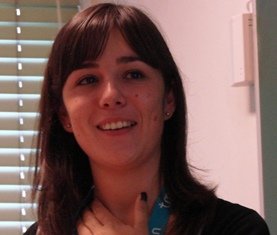
Jesse Wright serves as a Teaching Assistant Professor of Journalism at the Reed School of Media and Communications, West Virginia University, appointed in February 2020 as a Mellon Foundation-funded practitioner in residence. He teaches beat reporting and contributes as a visual/audio editor for 100 Days in Appalachia, a digital publication housed at the WVU Media Innovation Center. Wright earned his bachelor's degree in journalism from West Virginia University after moving from South Africa in 1996, where he witnessed the end of Apartheid. His professional background includes serving as copy desk chief at the Dominion Post and news director/executive producer at West Virginia Public Broadcasting for programs including Inside Appalachia and Legislature Today . His research centers on community documentary storytelling and regional multimedia journalism , with emphasis on Appalachian communities. Wright co-developed a trans-disciplinary minor in community documentary storytelling with Professor Joel Beeson and integrated 100 Days in Appalachia into curriculum with Professor Dana Coester. His work spans collaborative projects like Appalachia Health News and the Ohio Valley ReSource , addressing democratic processes and health issues through visual/audio narratives. Scientific Awards: No scientific awards or fellowships were documented in the source material. Wright's academic contributions include program development through the Mellon Foundation residency and leadership in editorial collaborations. While specific student advising details are absent, his curriculum innovations directly impact journalism education. He maintains active partnerships with the WVU Media Innovation Center, West Virginia Public Broadcasting, and regional news consortia to bridge academic training and professional media practice. He operates within the WVU College of Creative Arts and Media ecosystem, leveraging the Media Innovation Center for 100 Days in Appalachia while advancing documentary storytelling as both pedagogical framework and community engagement tool across the Appalachian region.