- Composition
- Performance Art
- Installation Art
- +۷ مورد دیگر
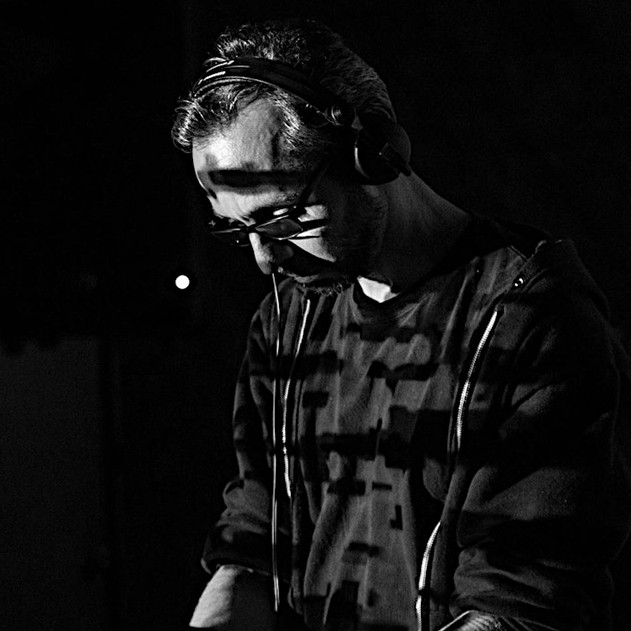
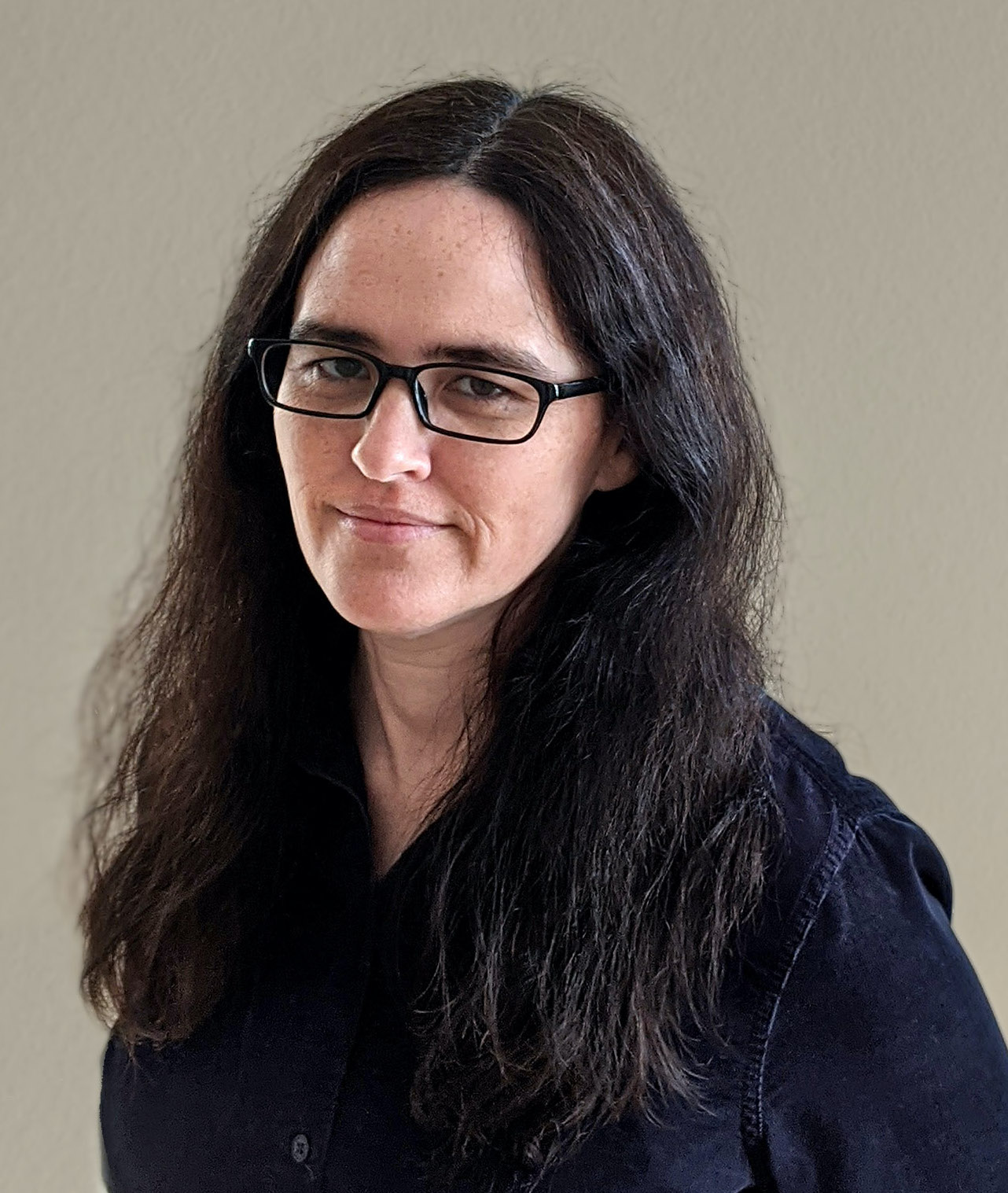
Raven Chacon is a Pulitzer Prize-winning composer, performer, and installation artist from Fort Defiance, Navajo Nation. He teaches at the Institute of American Indian Arts and has mentored over 300 Native high school composers through the Native American Composers Apprenticeship Project (NACAP). Chacon was awarded the 2022 Pulitzer Prize in Music for his composition Voiceless Mass and is a 2023 MacArthur Fellow. Chacon's research interests span composition, performance art, sound installation, and graphic notation, with a focus on Indigenous perspectives and political expression. His work explores the intersection of sound, history, and cultural identity, often addressing themes of colonialism, resistance, and historical memory. He creates site-specific works that engage with architectural spaces and historical contexts, using sound as both artistic medium and political statement. His scholarly output demonstrates consistent exploration of Indigenous musical traditions within contemporary contexts, with a particular emphasis on graphic notation systems and experimental sound practices. Chacon's work often challenges conventional Western musical structures while honoring Indigenous knowledge systems and histories. Among his notable awards are the United States Artists Fellowship in Music, Creative Capital Award in Visual Arts, Native Arts and Cultures Foundation Artist Fellowship, American Academy's Berlin Prize, and the MacArthur Fellowship. These honors recognize his innovative contributions to both the musical and visual arts fields. Chacon has mentored over 300 Native high school composers through NACAP since 2004 and has received significant grant support including the Foundation for Contemporary Arts Grants to Artists Award (2022) and Pew Fellow-in-Residence (2022). His collaborative projects often involve community engagement and cross-disciplinary approaches to sound and performance. His creative practice extends to radio art (founding Radio Coyote during his Capp Street residency) and multimedia installations that combine sound, video, and visual elements to create immersive experiences that address historical and contemporary Indigenous issues.