- Mental Health Services for Older Adults
- Latino Gerontology
- Immigration and Ethnic Identity
- +۴ مورد دیگر
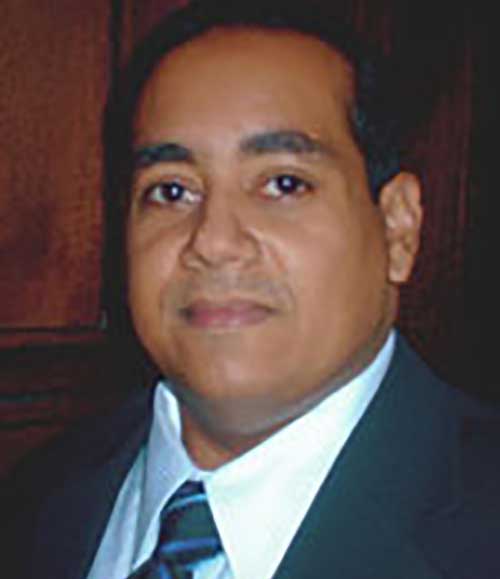
Daniel Vélez Ortiz serves as an Associate Professor and Affiliated Faculty at Michigan State University's School of Social Work within the College of Social Science. Based in 118 Baker Hall, his research and teaching focus on mental health services for older adults, particularly within Latino communities, addressing critical intersections of immigration status, racial/ethnic identity, and healthcare system integration. His work consistently centers on vulnerable elderly populations through culturally responsive frameworks. Dr. Vélez Ortiz's primary research domains include gerontological mental health services, Latino aging studies, immigration impacts on healthcare access, systems of care integration, organizational dynamics in health settings, health technology applications, and higher education diversity initiatives. His scholarship emphasizes cultural competence and systemic approaches to addressing health disparities among minority elders, with particular attention to Puerto Rican communities. Recent publications demonstrate deep engagement with dementia care across Asian and Latino populations, disaster resilience following Hurricane Maria, and transformative diversity, equity, and inclusion program development in academic institutions. Analysis of his 2020-2025 publications reveals three dominant thematic trajectories: 1) Cultural determinants of dementia care among minority elders, 2) Post-disaster mental health and resilience in displaced Puerto Rican families, and 3) Structural approaches to embedding DEI principles in university systems. His methodological range spans community-based participatory research, qualitative disaster studies, health literacy interventions, and policy analyses of elder financial abuse, consistently highlighting discrimination's role in health outcomes. While specific grant details remain unreported in available sources, Dr. Vélez Ortiz has actively mentored undergraduate social work students through faculty-mentored research experiences, as evidenced by publications on BASW research mentorship outcomes. His community engagement extends to initiatives like the 'LATINOS 2025' Southeast Michigan needs assessment and Michigan dementia caregiver outreach programs, demonstrating commitment to translating research into community impact.