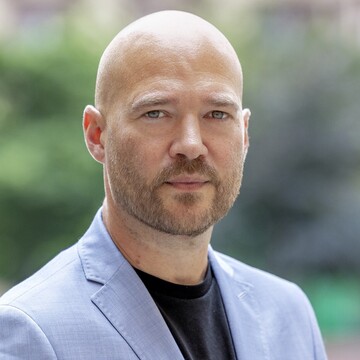
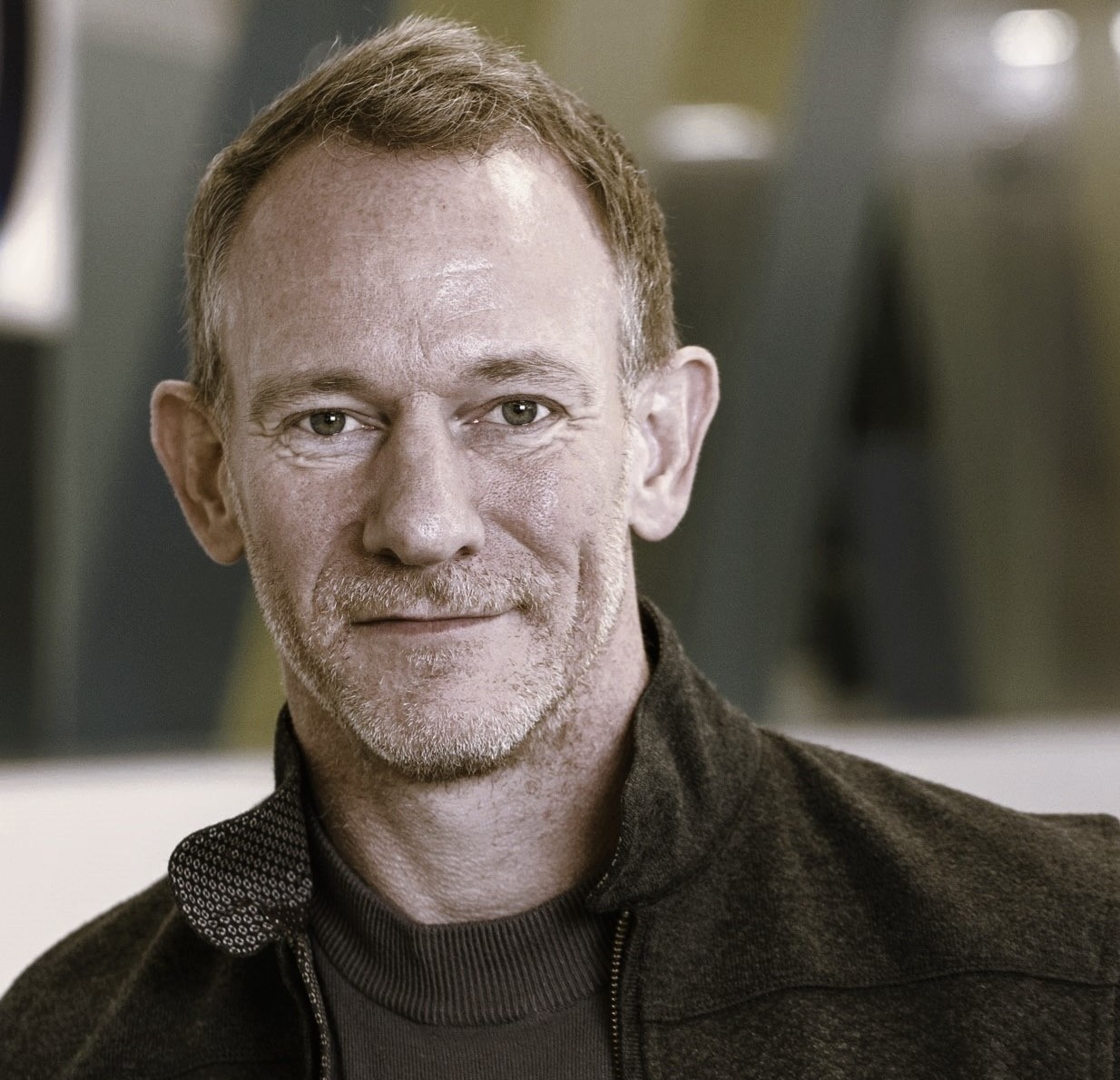
Dagmar Schiek is a Full Professor of EU Law and Labour Law at University College Dublin's Sutherland School of Law, where she directs the ERC-funded RIGHTS TO UNITE project developing a socio-legal theory of European integration. Her research examines EU non-discrimination law, intersectionality, and social governance. Schiek holds a Jean Monnet Chair and has led multiple EU research consortia, including projects on economic/social constitutionalism post-Lisbon and Brexit's impact on Ireland. She has drafted gender equality legislation for German states and serves on pension fund investment committees. Her scholarship critically analyzes multidimensional discrimination through the lens of race, gender, and disability. Recent publications explore the disintegration risks of Brexit for Northern Ireland and the constitutional conditioning of EU internal markets.
Salvatore Ruggieri is a Full Professor at the Department of Computer Science, University of Pisa, Italy. He coordinates the National PhD Program in Artificial Intelligence for Society and teaches in the Master Program in Data Science and Business Informatics. His research focuses on algorithmic fairness, explainable AI, causality, and discrimination discovery, with contributions to tools like YaDT, X-SPELLS, and SCube. He co-chaired FAT*2020 and contributed to projects such as NoBias and HumanE-AI. His work bridges theoretical foundations with practical applications in fairness, privacy, and societal impact. Education: Ph.D. in Computer Science (1999), University of Pisa. Research Interests: Algorithmic Fairness and Non-Discrimination Explainable AI (XAI) Causal Inference Methods Decision Tree Algorithms Social Network Analysis Key Contributions: Developer of YaDT (decision tree tool) and SCube (segregation discovery). Advocacy for ethical AI through policy frameworks and GDPR-compliant explanations. Scientific Awards: Recipient of the Best Ph.D. Thesis in Theoretical Computer Science (EATCS, 1999).
Scott Morris is a Professor and Nambury S. Raju Endowed Chair in Psychology at Illinois Institute of Technology (IIT), leading the Industrial/Organizational Psychology Program within the Lewis College of Science and Letters. He holds a Ph.D. from the University of Akron (1994) and a B.A. from the University of Northern Iowa (1987). A Fellow of the Society for Industrial and Organizational Psychology and the American Psychological Association, Morris is also an associate editor for the Journal of Applied Psychology . His research focuses on advanced statistical methods in personnel selection systems, including meta-analysis, adverse impact analysis, and computer adaptive testing. He explores bias in subjective hiring practices and develops psychometric models to ensure fairness in employment decisions. Morris’s work bridges quantitative methodology with real-world applications, emphasizing ethical and equitable employment practices. Key research areas include adverse impact measurement, meta-analytic techniques, differential item functioning, and the design of efficient testing systems. He co-authored Adverse Impact Analysis: Understanding Data, Statistics and Risk (2017), a foundational text in the field. Morris’s lab, the Personnel Selection & Analytics Lab , investigates topics like multidimensional adaptive testing and statistical methodologies for EEO compliance. Awards: Fellowships from SIOP and APA, recognition for contributions to organizational psychology and statistical rigor. Media Expertise: Regularly consulted on psychology, data science, and ethics in employment. Labs/Teams: Leads the IIT Personnel Selection & Analytics Lab, focusing on quantitative methods in HR and equity analysis.
Professor Frank Rudy Cooper is the William S. Boyd Professor of Law and Director of the Program on Race, Gender, and Policing at the University of Nevada, Las Vegas Boyd School of Law. He graduated from Duke University Law School (J.D., 1995) and Amherst College (B.A. in Political Science & English, 1991). A former clerk for Judge Solomon Oliver, Jr. (N.D. Ohio) and Boston practitioner, he has taught at six law schools including Boston University and Suffolk University. Education : J.D. (Duke Law School, 1995), B.A. (Amherst College, Political Science & English, 1991) His scholarship focuses on Criminal Procedure , Masculinities Studies , and Critical Theory , co-editing Masculinities and the Law: A Multidimensional Approach (NYU Press 2012). He examines policing through intersectional lenses of race, gender, and class, with recent work on Blue Lives Matter and Cop Fragility . His 2024 article in California Law Review proposes criminal procedure futurism to address systemic inequities. Scientific Awards include the AALS Minority Section's C. Clyde Ferguson, Jr. Award (2024) and three Derek Bok Center teaching awards from Harvard. He has co-founded academic initiatives like the SALT-LatCrit Junior Faculty Development Workshop and John Mercer Langston Writing Workshop , and participated in panels addressing polarized legal education and Terry doctrine's legacy. His work appears in top journals like George Washington Law Review , Nevada Law Journal , and California Law Review .
Floor Middel serves as an Assistant Professor in the Department of Pedagogical and Educational Sciences at the Faculty of Behavioural and Social Sciences, University of Groningen. Her academic work bridges research, teaching, and practical application in child protection systems with a focus on decision-making processes and addressing systemic biases. Dr. Middel's research interests center on understanding and improving decision-making in child protection systems through rigorous examination of how ethnicity, migration background, and gender influence child welfare investigations and outcomes. Her work employs intersectional analysis to uncover disparities in decision-making processes and examines how stereotypes might mediate these disparities. She also explores the role of digital technologies in modern social work practice and develops assessment tools to measure meaningful participation of children in protection systems. Analysis of Dr. Middel's scholarly output reveals a cohesive research trajectory focused on equity and evidence-based practice in child protection. Her publications demonstrate growing international recognition, with work spanning comparative analyses of child protection systems across Europe, investigations into decision-making ecology, and development of practical assessment tools. The research consistently addresses the UN Sustainable Development Goals related to reducing inequalities and promoting just, peaceful, and inclusive societies. Fulbright scholarship (2019) Jo Kolk travel grant (2019) NWO idea generator (2019) Travel grant for U4 Summer school 'Methods and Methodologies: Complexities and Responsibilities in Gender Research' (2018) Travel grant Swiss National Science Foundation (2018) As an educator, Dr. Middel mentors undergraduate students and teaches across multiple courses including Interview Practical, Report Practical, Statistical Models 2, and Qualitative Research Methods. She delivers guest lectures on Decision-making in Child Protection for master's students, supervises traineeships and theses in Orthopedagogy, and coordinates the international summer school 'The Future of Child and Family Welfare Policy: Looking Through Different Lenses.' Her teaching directly connects with her research expertise, providing students with evidence-based perspectives on contemporary child protection challenges.
Kerem Böge is a clinical psychologist, researcher, and lecturer at Charité - Universitätsmedizin Berlin, where he leads the Psychotic Disorders Research Department. His work focuses on developing novel psychotherapeutic approaches for mental illnesses, particularly in migration contexts, and conducting interdisciplinary global health projects emphasizing capacity building, public attitudes, and stigma research in low- and middle-income countries. Primary Affiliation: Charité - Universitätsmedizin Berlin Research Themes: Migration and mental health, mindfulness-based interventions, digital mental health solutions, schizophrenia spectrum disorders Geographic Focus: Low- and middle-income countries, Vietnam, Germany Research Expertise Dr. Böge's research combines clinical practice with global health initiatives, exploring: Psychotherapeutic interventions for auditory hallucinations and negative symptoms Integration of oxytocin and mindfulness-based therapies Public attitudes toward mental illness across cultures Digital health tools for relapse monitoring and treatment engagement Cultural adaptation of diagnostic tools like the MINI-AR Publication Trends (2023-2025) His recent work emphasizes: Multicenter clinical trials for schizophrenia spectrum disorders Scientific analysis of mindfulness and empathy in psychosis Stigma research across Germany, Vietnam, India, and Turkey Development of culturally sensitive assessment tools Evaluation of digital mental health platforms Cross-national comparisons of treatment approaches Professional Context Dr. Böge operates in interdisciplinary spaces between clinical practice, research methodology, and global health policy. His roles include: Leading research on psychotic disorders Developing innovative treatment frameworks (PRoGO) Conducting cross-cultural studies on mental health literacy Training and education on mindfulness-based interventions Advocating for terminology reform in psychiatric diagnosis
Dr. Ahmed Hamid serves as an Assistant Professor in the Department of Chemistry and Biochemistry at Auburn University . A graduate of Virginia Commonwealth University (Ph.D., 2012) and Alexandria University (B.Sc., 2004), his career spans academia and industry, including senior roles at MOBILion Systems and postdoctoral work at Pacific Northwest National Laboratory and Purdue University. Ph.D. Chemistry, Virginia Commonwealth University B.Sc. Chemistry, Alexandria University, Egypt Research focuses on ion mobility mass spectrometry for clinical diagnostics (infectious diseases, Alzheimer’s biomarkers) and environmental analysis (pesticide detection). His group develops portable devices for non-expert users like nurses and farmers, aiming to reduce antibiotic resistance and foodborne illness through rapid pathogen identification. Key publications highlight isomer separation , pathogen discrimination , and multidimensional spectrometry (LC-IM-MS/MS). Recent patents cover ion mobility-mass spectrometer coupling and waveform control for structural analysis. Awards include 2024 Emerging Investigator , NIH MIRA , and multiple R&D 100 recognitions. 5+ granted patents 41 peer-reviewed publications 2025 Brian Wilson Award Teaching includes CHEM 7560: Mass Spectrometry and CHEM 3050: Analytical Chemistry . The Hamid Lab operates in Labs 273, 276, 279 of the Chemistry Building, mentoring postdocs, Ph.D. candidates, and undergraduates in advanced analytical techniques.
John Ruiz serves as Professor in the Department of Psychology within the College of Science at the University of Arizona, where he directs the Social Risk and Resilience Factors (SuRRF) Lab and holds key leadership roles including Assistant Director of Strategy and Workforce Engagement at the University of Arizona Cancer Center. His research program investigates how social experiences constitute both risk and resilience mechanisms for physical health, with particular emphasis on racial/ethnic and cultural differences in health outcomes. The SuRRF Lab employs diverse methodologies including community cohort studies, ecological momentary assessment, ambulatory physiological monitoring, and laboratory paradigms to examine stress effects on cardiovascular health, social integration as resilience factor, and the mechanisms underlying the Hispanic Health Paradox. Current foci include stress-cardiovascular risk relationships, social vigilance as a modifiable factor, and drivers of ethnic health disparities. Ruiz's scholarly impact is reflected through his editorship of Health Psychology (2023-2028) and leadership roles with the US Preventive Services Task Force (2022-2026), APA Council of Editors (2025-2026), and Behavioral Medicine Research Council. His publication record demonstrates consistent contributions to understanding social determinants of health, with recent work spanning preventive service guidelines, cardiovascular psychophysiology, border health research, and climate-health intersections. Editor-in-Chief of APA's Health Psychology (2023-2028) Chair of APA Council of Editors (2025-2026) Member of US Preventive Services Task Force (2022-2026) President of Behavioral Medicine Research Council Member of APA Presidential Task Force on Psychology and Health Equity As Clinical Director of the SuRRF Lab, Ruiz leads research examining how social phenomena influence health through cardiovascular responses, population health patterns, and sociocultural experiences in daily life. His team investigates conditions including lung cancer, long COVID-19, and health disparities through innovative methodological approaches spanning electronic medical records analysis to acute laboratory paradigms. Current projects include the North Texas Heart Study examining longitudinal effects of social vigilance on atherosclerosis.
Prof. Dr. Richard Traunmüller is a Professor of Political Science and Empirical Democracy Research at the University of Mannheim. He serves as Scientific Director of the German Internet Panel (GIP) and is affiliated with the Research Institute Social Cohesion (RISC) at Goethe University Frankfurt. His research spans multidimensional social change, immigration policy, wartime sexual violence, and quantitative methodology. School of Social Sciences, University of Mannheim Goethe University Frankfurt University of Essex University of Bern University of Konstanz His research focuses on: Democratic challenges from social structural reconfiguration Religious diversity and social cohesion Free speech regulation in digital democracies Long-term effects of wartime sexual violence Recent work analyzes: Causal impacts of immigration policies Contextual speech norms Gendered consequences of conflict trauma Bayesian approaches to sensitive topics Scientific awards include: BEST PAPER AWARD (CES Immigration Research Network, 2017) BEST ARTICLE AWARD (APSA Migration & Citizenship, 2017) He teaches courses on: Bayesian Statistics Data Visualization Free Speech & Censorship Political Methodology Conflict Studies
Scott Morris is the Nambury S. Raju Endowed Chair in Psychology and a Professor at Illinois Institute of Technology's Lewis College of Science and Letters. He directs the Industrial/Organizational Psychology Program and leads the Personnel Selection & Analytics Lab. Dr. Morris holds a Ph.D. in Industrial-Organizational Psychology from the University of Akron (1994) and a B.A. in Psychology from the University of Northern Iowa (1987). His research examines psychometric methods for fair personnel selection systems, with emphasis on: Advanced statistical models for employment testing Adverse impact analysis and workplace equity Meta-analysis methodology and validity generalization Computer adaptive testing and item response theory Bias in subjective hiring practices and interviews His publications demonstrate consistent focus on quantitative methods for employment decisions, with recent works concentrating on meta-analytic techniques, adverse impact analytics, and adaptive testing systems. Earlier research established foundations in effect size estimation and differential item functioning. Honors include: Fellow, Society for Industrial and Organizational Psychology Fellow, American Psychological Association Dr. Morris serves as Associate Editor for the Journal of Applied Psychology and develops open-source psychometric software. His lab investigates selection system design, AI in hiring reactions, and multidimensional testing applications.
Natalie Stoljar is a Professor at McGill University with a joint appointment in the Department of Equity, Ethics & Policy (Faculty of Medicine & Health Sciences) and the Department of Philosophy. She serves as Director of the Institute for Gender, Sexuality and Feminist Studies. Her academic roles include Associate Editor of Philosophical Studies and Subject Editor for Gender and Feminism in The Routledge Encyclopedia of Philosophy . Education: BA (Hons) and LLB (Hons) from the University of Sydney; PhD from Princeton University. Prior appointments include positions at Australian National University, Monash University, and the University of Melbourne. Research focuses on feminist philosophy, political philosophy, and philosophy of law. Key themes include relational autonomy, legal interpretation, gender essentialism, and procedural justice. Current projects explore vulnerability, equality, and ethical dimensions of legal processes. Recent articles emphasize themes like dialogical trust in legal contexts, constraints on legal interpretation, and intersectional approaches to discrimination. Her work integrates theoretical philosophy with applied ethics in law, medicine, and public policy. Grants include SSHRC Insight Grants for research on autonomy and equality. She has held leadership roles including Chair of the Department of Philosophy (2008-2012) and Interim Director of the Institute for Health and Social Policy (2018-2019). Led initiatives at the Institute for Gender, Sexuality and Feminist Studies, fostering interdisciplinary research on feminist theory and social justice. Her teaching includes philosophy of law courses (PHIL 348 and PHIL 648).
Dr. Elena Doldor is a Senior Lecturer in Organisational Behaviour at Queen Mary University of London's School of Business and Management, while also holding a Visiting Fellow position at Cranfield School of Management. Her academic journey includes a PhD from Cranfield University, an MSc in Organizational Psychology from Pierre Mendes University, and a Fulbright Visiting Fellowship at Northwestern University. Senior Lecturer at Queen Mary University of London Co-Director, Centre for Research in Equality and Diversity Representative-at-Large, Academy of Management's Gender & Diversity Division Collaborations with Government Equalities Office and European Parliament Dr. Doldor's research focuses on diversity in leadership , particularly examining how gender and ethnic minorities navigate organizational politics. Her work combines attribution theory with script theory to analyze political cognition in workplace settings. Through mixed methods approaches , she investigates how marginalized groups develop political scripts that shape their career trajectories. Her 15 most recent publications reveal strong patterns in organizational behavior research, with particular emphasis on racialized workplace politics , gender bias in feedback systems , and identity negotiation under stigma . These works employ critical incident techniques and latent class analysis to uncover how political experiences form embedded motivational tracks. Recipient of Fulbright Visiting Fellowship Contributor to major policy reviews (Davies Review, Hampton-Alexander Review) Collaborator with multinational corporations (KPMG, EY, Barclays) Dr. Doldor actively bridges academic research with organizational practice , working with policy-makers and private sector entities to implement diversity management strategies. Her methodological innovations include naturalistic data analysis and attribution coding systems that reveal how political scripts develop from lived experiences in organizations.
Dr. Anna Stone is a Senior Lecturer in the Department of Psychology & Human Development within the School of Childhood and Social Care at the University of East London. She serves as programme leader for BSc Psychology by Distance Learning and teaches modules including Anomalistic Psychology, Research Methods, and Applied Cognitive Psychology across undergraduate and postgraduate programmes. Research Focus Stone's research explores two primary domains: (1) Social perceptions of facial disfigurement, examining emotional responses, attention mechanisms, employment discrimination, and intervention strategies; and (2) The psychology of unsubstantiated beliefs including paranormal, moral, and political convictions. Her current projects include developing a multidimensional belief questionnaire and investigating perceptual categorization of facial differences. Teaching & Supervision She leads modules on cognitive psychology and belief systems while supervising student research projects. As Responsible Officer for Psychology, she handles academic regulation compliance. Stone employs experimental methods including eye-tracking and develops psychometric instruments to quantify social attitudes. Publication Trends Her recent articles demonstrate consistent focus on facial perception biases and belief psychology, with emerging work in educational integrity and technology impacts. Research methodologies span experimental psychology, qualitative analysis, and psychometric validation with strong emphasis on real-world applications in social justice contexts. Advising & Academic Service Supervises undergraduate and postgraduate research projects Serves as departmental Responsible Officer handling academic regulations Leads the BSc Psychology by Distance Learning programme
Fredrica Nyqvist is an Associate Professor at the Faculty of Natural Sciences and Engineering, Health Sciences, at Åbo Akademi University. Her research focuses on aging, loneliness, social exclusion, and civic engagement among older adults, with particular attention to minority populations including Swedish-speaking Finns. Dr. Nyqvist's research interests span multiple dimensions of aging and wellbeing: Loneliness in Later Life : Examining micro, meso, and macro perspectives on loneliness among older populations Civic Engagement : Studying multidimensional participation of older adults across European countries Minority Aging : Focusing on Swedish-speaking older adults in Finland and their experiences with social exclusion Informal Caregiving : Investigating experiences of family caregivers and peer support mechanisms Health and Wellbeing : Exploring connections between social capital, self-rated health, and longevity Her recent publication trends show a strong focus on macro-level analyses of loneliness, multidimensional civic engagement across European countries, and the experiences of linguistic minorities in aging. She employs both quantitative and qualitative methods, often conducting comparative studies between Finland and Sweden. Dr. Nyqvist leads several significant research projects: GERDA : Gerontological Regional Database tracking aging in Western Finland CIVEX : Exclusion from civic engagement of diverse older populations AgeMin : Social inclusion of older adults from a minority perspective Brain health in the very oldest : GERDA home visits project She actively mentors students and collaborators, serving on examination committees and hosting academic visitors. Her work contributes to multiple UN Sustainable Development Goals, particularly those related to health, wellbeing, and reduced inequalities.
Dr. Alasdair M. Goodwill is a full-time tenured Associate Professor in the Department of Psychology at Toronto Metropolitan University. He holds dual registration as a Clinical and Forensic Psychologist with the College of Psychologists of Ontario and has over 20 years of experience in behavioral investigative analysis, threat assessment, and forensic risk evaluation. Previously, he served as a Lecturer and Doctorate in Forensic Psychology Course Director at the University of Birmingham (UK) before joining Ryerson University (now Toronto Metropolitan University) in 2009. His education includes a PhD in Psychology from the University of Birmingham (UK) and an MSc from the University of Liverpool (UK). His doctoral research focused on pragmatic approaches to suspect prioritization in criminal investigations, establishing foundational work in offender profiling methodologies. Dr. Goodwill's research integrates forensic psychology with criminological investigation techniques. Primary interests include behavioral investigative advice, geographical profiling, threat assessment frameworks (e.g., TRAP-18), risk assessment protocols (e.g., HCR-20, STATIC-99), and the dynamics of sexual offending. His work frequently examines offender decision-making, crime scene behavior consistency, and recidivism prediction models across violent and sexual crimes. His publications demonstrate a strong focus on forensic applications, with recurring themes in criminal profiling validation, sexual recidivism predictors, terrorism threat assessment, and diagnostic tools for paraphilic disorders. Recent work emphasizes quantitative methods like multidimensional scaling to analyze behavioral patterns in lone-actor terrorism and sexual offenses. Scientific awards and fellowships include: Fellow of the International Association of Investigative Psychology (F-IAIP) Fellow of the Royal Statistical Society (RSS) Associate Fellow of the British Psychological Society (AFBPsS) Chartered Scientist (CSci) from the BPS Science Council Dr. Goodwill maintains an active clinical practice and consults with law enforcement agencies globally on cases involving homicide, sexual offenses, and threat assessment. He has trained professionals in forensic tools like the TRAP-18 and PCL-R. Affiliations include the Forensic Psychology Research Centre (Ottawa), Carleton Police Research Laboratory, and Centre for Investigative and Forensic Psychology (UK).