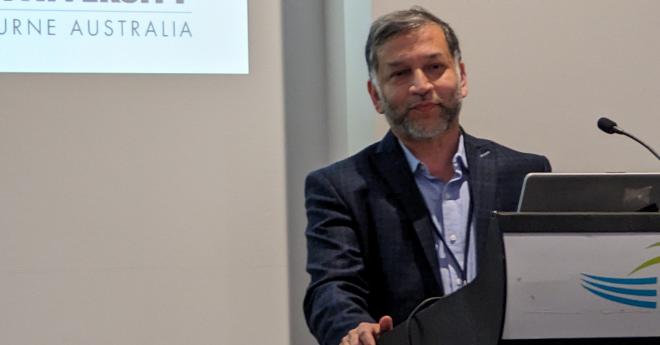
Antreas Kalliمشاهده پروفایل
دانشیار
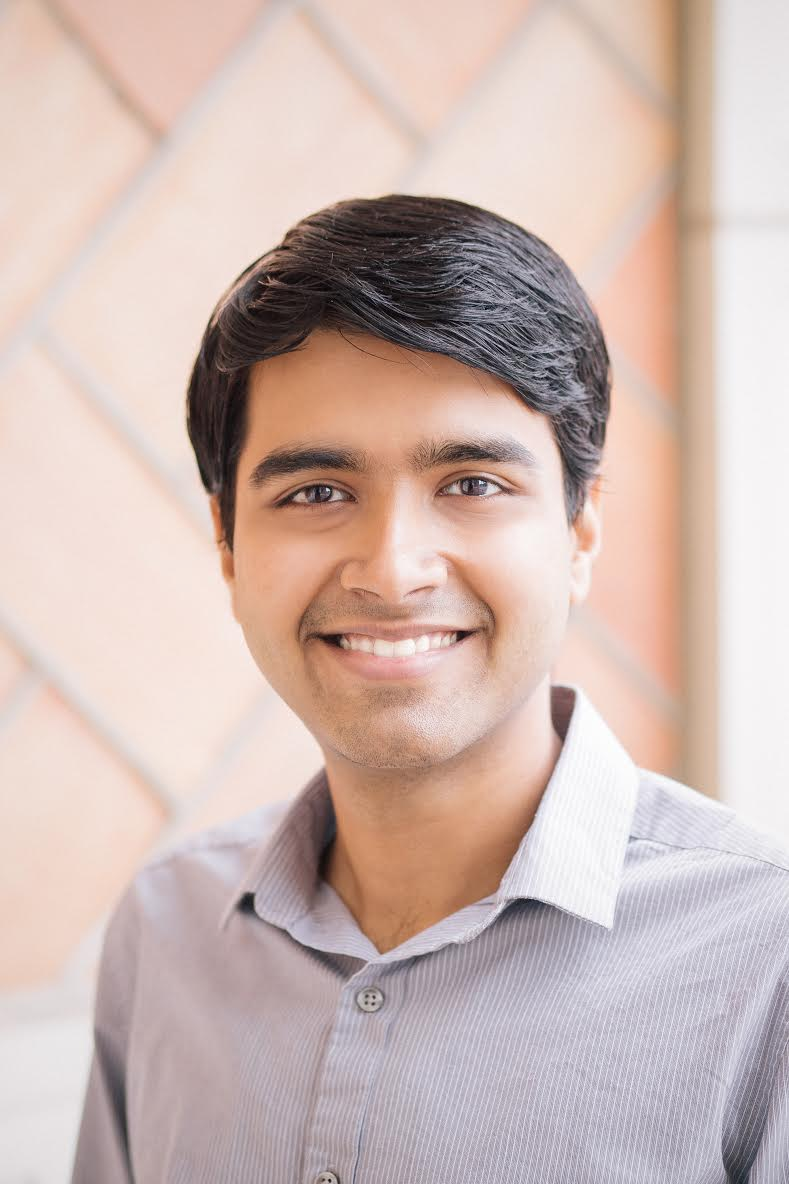
Dr. Antreas Kalli serves as Associate Professor at the School of Medicine, University of Leeds, within the Faculty of Medicine and Health. He leads a computational research group focused on membrane protein dynamics, utilizing multi-scale molecular simulations to investigate protein function in native-like lipid environments. His work is closely affiliated with the Leeds Institute of Cardiovascular and Metabolic Medicine (LICAMM) and the British Heart Foundation Cardiovascular Research Centre. His academic background includes a DPhil in Structural Biology from the University of Oxford (2012) and a BSc in Physics from the University of Cyprus (2008). Prior to his current position, he conducted postdoctoral research in the Sansom group at Oxford, specializing in computational methodologies for membrane protein analysis. Research centers on membrane proteins—critical components in cellular signaling, transport, and mechanosensation—using coarse-grained and all-atom molecular dynamics simulations. Key themes include Piezo1 channel mechanotransduction, T-cell receptor signaling, membrane transporter function (particularly Band 3 anion exchanger), and peripheral membrane protein-lipid interactions. His group develops advanced computational approaches to simulate protein behavior in asymmetric lipid bilayers that mimic native cellular environments. Analysis of recent publications (2021-2025) reveals consistent focus on mechanosensitive channels (especially Piezo1), immune receptor dynamics, and lipid-regulated protein function. His work demonstrates how specific lipid interactions govern channel activation, transporter mechanisms, and signaling complex assembly, with direct implications for cardiovascular disease and immune disorders. Scientific awards: No specific honors or fellowships were documented in the provided materials. Dr. Kalli supervises PhD researchers Jiehan Chong and Dheeraj Prakaash, while offering undergraduate and postgraduate projects in membrane protein simulation. His research is institutionally supported through LICAMM and the Multidisciplinary Cardiovascular Research Centre, with teaching responsibilities spanning undergraduate and postgraduate programs in Medicine and Biological Sciences. His laboratory operates within the LIGHT Building (Room 6.30), collaborating with cardiovascular research teams to investigate force-sensing mechanisms in endothelial cells and red blood cells. The group specializes in constructing complex asymmetric membrane models to study lipid-protein co-regulation, with particular emphasis on how membrane composition modulates Piezo1 function in vascular physiology.