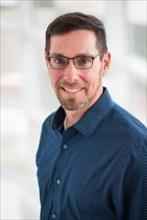
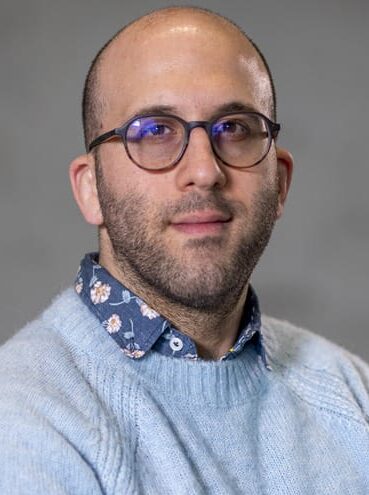
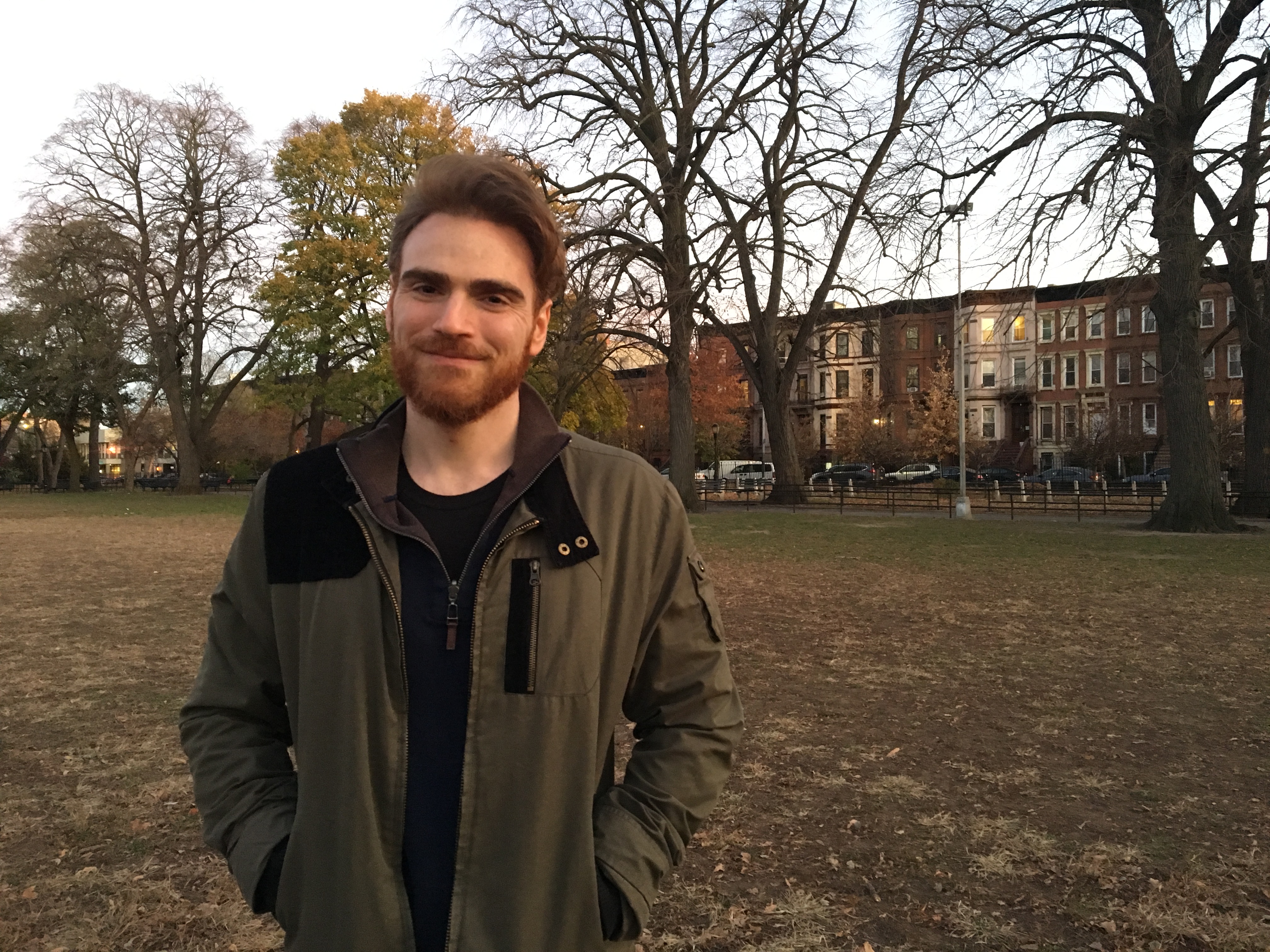
Lu Ting is a Professor at the Department of Mathematics within the Courant Institute of Mathematical Sciences, New York University. Their research integrates mathematical statistics and biostatistics with applications in oncology, environmental health, and precision medicine. Key focuses include molecular pathway analysis in glioma, biomarker development for drug resistance, and statistical methods in translational research. Research interests span mathematical modeling of cancer therapies, environmental exposure impacts on human health, and optimization algorithms. Notable projects include longitudinal studies on World Trade Center (WTC) exposure effects and sphericity testing in high-dimensional covariance matrices. Publications from 2015–2024 reflect interdisciplinary work combining mathematical rigor with biomedical challenges, particularly in cancer treatment optimization and environmental health surveillance. No scientific awards or grants are explicitly documented in the provided text.
Professor Owen Sansom is Director of the Cancer Research UK Scotland Institute in Glasgow, where he leads the Colorectal Cancer and Wnt Signalling research group. His work focuses on understanding the molecular mechanisms underlying colorectal cancer initiation, progression, and metastasis using state-of-the-art preclinical models. His educational background includes a PhD from the University of Edinburgh (2002), MRes in Biology from the University of Manchester (1997), and BSc in Genetics (First Class Honours) from the University of Nottingham (1996). Prior to his current role as Director (since 2017), he served as Deputy Director of the CRUK Beatson Institute (2011-2017) and has been a Group Leader at the institute since 2005. Professor Sansom's research interests center on colorectal cancer biology, particularly Wnt signaling pathways, cancer stem cells, and therapeutic resistance mechanisms. His lab utilizes genetically engineered mouse models to investigate how key driver mutations contribute to cancer development and response to therapy. He is particularly interested in developing stage- and subtype-specific targeted therapies for colorectal cancer patients. His recent publications reveal significant trends in colorectal cancer research, with strong emphasis on cellular plasticity, tumor heterogeneity, metabolic reprogramming, and the tumor microenvironment. His work spans molecular mechanisms, preclinical models, and translational applications, with particular focus on WNT-dependent colorectal cancer, therapeutic vulnerabilities, and metastasis mechanisms. Fellow of the Academy of Medical Sciences (2017) CRUK Future Leaders in Cancer Research Prize (2012) Fellow of the Royal Society of Edinburgh (2012) BACR/AstraZeneca Young Scientist Frank Rose Award (2007) Professor Sansom actively mentors numerous PhD students and postdoctoral researchers in his lab, supervising projects related to colorectal cancer biology, metastasis, and therapeutic resistance. His research is supported by multiple funding sources including Cancer Research UK, industry partnerships with Novartis, and participation in major cancer consortia such as ACRCelerate, CRUK Grand Challenge Rosetta, and CRUK Grand Challenge SpecifiCancer. His lab operates as part of the Cancer Research UK Scotland Institute, where they utilize advanced preclinical models, organoid culture systems, and multi-omics approaches to investigate colorectal cancer biology. The team includes bioinformaticians, postdoctoral scientists, clinical research fellows, and graduate students working collaboratively on various aspects of colorectal cancer research.
Pankaj Singh is a microbial ecologist and computational biologist at the University of Western Australia , affiliated with the School of Agriculture and Environment . His work focuses on plant-microbe interactions, soil microbiome dynamics, and ecosystem sustainability through multi-omics approaches. He holds a PhD in Microbial Ecology from Western Sydney University (2019–2024). Doctor of Philosophy, Western Sydney University His research expertise spans bioinformatics , transcriptomics , and soil biology , with applications in sustainable agriculture and climate resilience. Recent publications highlight his work on drought resistance mechanisms (2025), biochar for soil health (2025), and microbial community dynamics in Australian ecosystems (2024, 2023). Dr. Singh received the School Citizen Award (2024) and has conducted over 15 workshops globally, including two UWA workshops on R programming (2024) and microbiome analysis (2024). His work aligns with UN Sustainable Development Goals for agriculture, biotechnology, and environmental sustainability.
Markus Perola serves as a University Researcher at the University of Helsinki, holding dual roles as Supervisor for the Doctoral Programme in Biomedicine and the Doctoral Programme in Population Health. He maintains an active external position at THL (Finnish Institute for Health and Welfare) since 2001, demonstrating long-term commitment to national public health research. His research spans Biomedicine , Genetic Epidemiology , and Population Health , with particular focus on Genetic determinants of autoimmune diseases and diabetes Chronobiology and socioeconomic interactions Mitochondrial mechanisms in liver disease Large-scale biobank analytics (FinnGen) Electronic health record mining for clinical insights cutting-edge methodologies in precision medicine and population-scale data integration. Analysis of his 367 publications reveals dominant themes in genomic epidemiology and translational biomedicine , with recent work emphasizing AI-driven risk prediction (particularly for COVID-19 outcomes), mitochondrial pathways in chronic diseases, and fine-scale genetic ancestry mapping. His research increasingly integrates multi-omics data with real-world clinical records. His scientific leadership includes major EU-funded initiatives: B1MGplus (€10,420 funding) EU/PROPHET (€66,681 funding) PRIMUS privacy-preserving meta-learning project GoE: Genome of Europe initiative FinnGen biobank consortium Perola actively supervises doctoral candidates through two university programs while contributing to 34 media engagements that translate complex genomic findings for public understanding. His work demonstrates consistent translational impact from basic genetic mechanisms to clinical applications and public health policy.
Margareth Øverland is a Professor at the Norwegian University of Life Sciences (NMBU), affiliated with the Faculty of Biosciences and the Department of Animal and Aquacultural Sciences. She serves as the Center Director of the Center for Research-based Innovation (CRI) Foods of Norway , a leading initiative in sustainable aquafeed development. Her work integrates advanced biotechnology and biorefinery approaches to create novel, renewable feed ingredients for aquaculture and livestock. Her research focuses on utilizing alternative resources such as tree biomass, marine macroalgae, insect meals, and microbial proteins (e.g., Paecilomyces variotii , yeast) to replace traditional feed components. She investigates their effects on animal growth, gut health, immune function, and product quality, with a strong emphasis on sustainability and circular economy principles. Her recent publications (2022–2025) reveal a clear trend toward high-impact, interdisciplinary studies involving meta-analyses, controlled field trials, and multi-omics approaches (proteomics, microbiome analysis). These works span aquaculture (Atlantic salmon, rainbow trout) and terrestrial livestock (pigs, poultry, dairy cows), demonstrating the broad applicability of her research. Keywords across her articles include sustainable feed, alternative proteins, immunonutrition, gut microbiota, and biorefinery technology. While no specific scientific awards are listed in the provided text, her leadership of a major CRI indicates national and likely international recognition. She is actively involved in advising through her research center and supervising projects, though individual student names are not provided. Her laboratory and team operate under the Foods of Norway CRI, which brings together interdisciplinary researchers to develop innovative feed solutions. The center likely includes expertise in bioprocessing, nutrition trials, microbiology, and environmental assessment, supporting large-scale, real-world applications of sustainable feed technologies.
Professor David E James is the Leonard P Ullmann Chair of Metabolic Systems Biology at the Charles Perkins Centre, University of Sydney. He holds concurrent professorial positions in the School of Life and Environmental Sciences and School of Medical Sciences. His research focuses on understanding metabolic diseases through systems biology approaches, particularly insulin signaling pathways and gene-environment interactions. His academic journey includes a PhD from UNSW (1985), postdoctoral work at Boston University and Washington University, and leadership roles at the Garvan Institute and Charles Perkins Centre. He has supervised 32 PhD students and mentored 42 early career researchers. Research interests span metabolic disease mechanisms, protein phosphorylation networks, and translational strategies for diabetes prevention. Notable achievements include pioneering methods to measure insulin action in vivo and identifying novel targets for metabolic drug development. Major awards include the NSW Premier’s Medical Research Prize (2016) and Fellowship of the Australian Academy of Science (2007). His lab collaborates internationally with groups studying model organisms (flies, mice) and clinical cohorts to bridge basic science and human health applications. Current projects include: Phosphoproteomic analysis of insulin resistance Exercise-induced metabolic adaptations Genetic modifiers of metabolic health His work integrates multi-omics data to uncover deterministic features of metabolic systems, with implications for precision medicine and food technology innovation.
Tejesvi Mysore, PhD and Docent, serves as a Senior Research Fellow at the Research Unit of Clinical Medicine within the Faculty of Medicine, University of Oulu, Finland. His work bridges microbiome science, extracellular vesicle biology, and computational analytics to investigate bacterial and fungal extracellular vesicles (BEVs) across diverse biological samples including fecal, amniotic, salivary, and meconium specimens. His research examines how diet, antibiotics, and environmental exposures modulate BEV composition and function, employing multi-omics, network analysis, and machine learning to identify microbial biomarkers for precision interventions in maternal and child health. Primary research domains span Microbiome, Extracellular Vesicles, Mycobiome, Machine Learning, Bacteriome, and Maternal and Child Health, with emphasis on clinical translation and preventive strategies. Dr. Mysore leads investigations within the Pediatric-Fetal Health and Microbes (PEHMIS) research group, focusing on early-life microbial exposures and host physiology. His cross-disciplinary approach integrates Medicine and Health Sciences, Fungi biology, and computational innovations to address maternal-fetal health challenges through multidisciplinary collaboration.
Erik Ullian is a Professor at the University of California San Francisco (UCSF), with a focus on neuroscience. His research spans astrocyte biology, synaptic plasticity, and neurodegenerative diseases, supported by prestigious awards such as the NIH New Innovator Award and Allen Distinguished Investigator Award. Education: BA in Biological Science (University of Chicago, 1991), PhD in Neuroscience (UCSF, 1997), Postdoc in Neurobiology (Stanford, 2004) His work explores astrocyte-neuron interactions, neuroinflammation, and mechanisms in Alzheimer's disease, ALS, and glioblastoma. Key methodologies include CRISPRi screening, brain organoids, and transcriptomic analysis. Recent publications highlight TDP-43 pathology in ALS, glucose metabolism restoration in Alzheimer's, and astrocyte roles in cancer suppression. Earlier contributions include neurodevelopmental studies on synaptic mapping and SARS-CoV-2 tropism for astrocytes. Scientific Awards Epilepsy training grant award (2001) Zaffaroni research fellowship in addiction research (2002) Sandler Award (2004) Alfred P. Sloan Fellowship (2005) March of Dimes Basil O’Connor Award (2006) Research to Prevent Blindness- New Investigator Award (2009) NIH New Innovator Award (2014) Walt and Lilly Disney Award for Amblyopia Research (2015) Allen Distinguished Investigator Award (2015)
Kerstin Skovgaard is a Senior Researcher at the Department of Biotechnology and Biomedicine , Technical University of Denmark . Her work focuses on antiviral immunology with emphasis on zoonotic influenza viruses and metabolic syndrome's impact on infection severity . She develops translational animal models for innate immune research in respiratory infections and post-traumatic conditions . Research Interests Antiviral Immunology of influenza A viruses and PEDV Metabolic Syndrome and obesity-related immunity Translational models for respiratory diseases and gut-brain axis miRNA profiling in equine osteoarthritis and porcine infections Immunomodulatory diets with algae and probiotics Biomarker discovery through proteomics and RT-qPCR Scientific Contributions include 202+ publications across influenza , gut immunity , and joint inflammation . Her recent 15 articles demonstrate expertise in porcine models for human diseases , with emphasis on innate immune responses , miRNA dynamics , and metabolic-immune interactions . Supervision includes PhD students : J. Pina Agullet B. L. Henriksen C. J. M. Polhaus H. A. Laybourn C. López-Figueroa Methodologies encompass microfluidic qPCR , RNA-Seq , and advanced in vitro systems . Her research supports UN Sustainable Development Goals through cost-efficient diagnostics and therapeutic development .
Betina Lyngfeldt Henriksen is a PhD Researcher at the Department of Biotechnology and Biomedicine , Technical University of Denmark , specializing in antiviral immunology and biomedical research. Her work bridges immunology, virology, and veterinary science with a translational focus on infectious diseases and regenerative therapies. Research areas include Influenza A virus , Bacillus subtilis immunomodulation, mesenchymal stem cells , and dendritic cell glycoengineering . Key techniques involve multi-omics analysis , porcine and equine models , and microRNA profiling .
Dr. Michael Dahabieh is a Postdoctoral Fellow in the Russell Jones Laboratory , where he continues exploring intersections between cancer biology and metabolic research. He earned his Ph.D. in experimental medicine from McGill University and holds M.Sc. and B.Sc. degrees in molecular biology and biochemistry from Simon Fraser University . Education Ph.D., McGill University (experimental medicine) M.Sc., Simon Fraser University (molecular biology and biochemistry) B.Sc., Simon Fraser University (molecular biology and biochemistry) His research focuses on peroxisomes in tumor proliferation , CD8+ T cell metabolism , and nutrient-driven immune responses . His work employs techniques like immunoprecipitation , immunofluorescence , and flow cytometry to dissect metabolic pathways in cancer and immune cells. Recent publications highlight his contributions to understanding CD8+ T cell exhaustion , nutrient utilization , and metabolic reprogramming in tumor environments. His studies on glucose-dependent glycosphingolipid biosynthesis , histone acetylation , and MAPK-targeted therapies reveal novel mechanisms in immune and cancer metabolism.
Marcus Weber serves as Head of the Computational Molecular Design research group within the Modeling and Simulation of Complex Processes department at the Zuse Institute Berlin (ZIB), which operates in close affiliation with Freie Universität Berlin. His interdisciplinary work spans computational mathematics, molecular modeling, drug discovery, and unexpected connections to Egyptology, demonstrating the broad applicability of mathematical approaches across diverse scientific domains. Dr. Weber's research interests focus on the mathematical foundations of molecular simulation and drug design: Developing advanced Markov state models for complex molecular systems Creating computational methods for efficient drug discovery Applying machine learning techniques to molecular dynamics Modeling pH-dependent receptor-ligand interactions Exploring metastable dynamics in biological systems Bridging mathematical approaches with Egyptological research His recent publications reveal a sophisticated integration of computational mathematics with practical pharmaceutical applications, particularly in opioid receptor research. The work demonstrates how mathematical modeling can identify pH-dependent drug candidates that maintain efficacy while reducing side effects. His research group has developed innovative algorithms like ISOKANN for learning Koopman eigenfunctions and has made significant contributions to understanding molecular transition rates and metastable dynamics. Dr. Weber leads multiple significant research projects including 'Drug Candidates as Pareto Optima in Chemical Space,' 'HPC and ML for Drug Discovery,' and interdisciplinary collaborations connecting mathematical approaches with Egyptology. His work on 'Mathematics and Egyptology' and 'Ancient Egyptian' demonstrates the unexpected breadth of mathematical applications. His research has direct implications for developing safer opioid medications and understanding molecular behavior in complex environments.
Dr. Shila Ghazanfar is an Australian Research Council DECRA Fellow at the University of Sydney, Faculty of Science. She is an expert in statistical and computational analysis of spatial transcriptomics and single-cell RNA-seq data, with a focus on developing bioinformatic approaches for integrating complex biological datasets across various omics modalities. Her educational background includes: Undergraduate studies in statistics and statistical bioinformatics at The University of Sydney PhD in statistics and statistical bioinformatics at The University of Sydney Royal Society Newton International Fellowship at The University of Cambridge under Dr. John Marioni in computational biology Dr. Ghazanfar's research interests center on developing statistical bioinformatic and biomedical data science approaches for meaningful integration of complex and high-dimensional biological datasets. Her multidisciplinary expertise spans statistics, statistical bioinformatics, and computational biology, enabling her to devise strategies to jointly model processes generating diverse data sources. Her work aligns with the University of Sydney Faculty of Science Research Strengths in Complex Systems, Precision and Digital Health, and Data and Decisions. Analysis of her recent publications (2021-2025) reveals strong focus areas including spatial transcriptomics infrastructure development, single-cell data integration methodologies, and applications in cancer research and cardiovascular biology. Key trends show progression from foundational method development to increasingly sophisticated multi-modal integration approaches, with significant emphasis on creating open-source computational tools for the research community. Her scientific recognition includes: Australian Research Council DECRA Fellowship Royal Society Newton International Fellowship Dr. Ghazanfar actively mentors research students, including Angel GUAN working on melanoma immunotherapy research. Her grant portfolio demonstrates substantial research support: 2023: Statistical Bioinformatics for Single Cell, Spatial and Multiomic Biotechnologies (Faculty of Science) 2022: Defining spatiotemporal mechanisms for peripheral nerve regeneration (Partnership Collaboration Award) 2022: Multiscale data integration for single cell spatial genomics (Chan Zuckerberg Initiative) Australian Research Council DECRA for statistical approaches in spatial genomics As a member of the Charles Perkins Centre, Dr. Ghazanfar participates in interdisciplinary research addressing complex health challenges through computational biology approaches, with collaborations spanning multiple domains from basic science to clinical applications.
Jan Krumsiek is an Assistant Professor at Weill Cornell Medicine's Graduate School of Medical Sciences, affiliated with both the Physiology, Biophysics & Systems Biology and Computational Biology programs. His research sits at the intersection of metabolism, computational biology, and disease mechanisms. Dr. Krumsiek's research focuses on how metabolism shapes health and disease across multiple conditions including neurodegeneration, cancer, and cardiometabolic disorders. His lab integrates metabolomics, proteomics, transcriptomics, and genomics with computational analysis to reveal actionable biomarkers and elucidate molecular mechanisms. Key ongoing projects investigate tau-related metabolic disruptions in Alzheimer's disease, the impact of dietary interventions on brain health, tumor escape pathways in resistant lymphomas via spatial metabolomics, and microbial biosynthetic clusters as therapeutic opportunities. The lab also utilizes large-scale NMR-based approaches to refine cardiometabolic risk models and investigate metabolic signatures tied to clinical outcomes in conditions like COVID-19. Analysis of Dr. Krumsiek's recent publications (2023-2025) reveals a strong focus on Alzheimer's disease metabolism, with numerous studies examining how dietary interventions, particularly modified Mediterranean ketogenic diets, affect metabolic signatures in neurodegenerative conditions. His work also spans cancer metabolism, space medicine omics, and multi-omics integration methodologies. A notable trend is the application of computational frameworks to analyze complex metabolic data across different disease states and interventions. Dr. Krumsiek leads the Krumsiek Lab, which employs a multidisciplinary approach combining wet-lab metabolomics techniques with advanced computational analysis. The lab's work spans from basic metabolic pathway analysis to clinical applications, with particular emphasis on translating metabolic findings into potential therapeutic interventions.
Wesley Tansey serves as Assistant Professor in the Computational Oncology group within the Department of Epidemiology and Biostatistics at Memorial Sloan Kettering Cancer Center (MSKCC). His research bridges statistical machine learning with cancer biology, focusing on developing novel computational frameworks for oncology applications. Dr. Tansey's research program centers on Bayesian statistical methods for biological data analysis, with particular emphasis on spatial transcriptomics (evidenced by his BayesTME framework), drug response modeling , and multi-omics integration . His lab develops scalable algorithms for high-dimensional biological data, including UnitedMet for metabolite imputation and MultiTME for spatial profiling analysis. Current projects address combinatorial drug screening optimization, tumor microenvironment characterization, and predictive oncology platforms for rare cancers. His recent publications (2023-2025) demonstrate strong focus areas: Bayesian active learning for drug screening (6+ publications) Spatial biology methods (BayesTME, MultiTME) Metabolomics-transcriptomics integration (UnitedMet) Causal inference in biological systems Scientific recognition includes serving as Area Chair for AISTATS 2022 and frequent invited talks at major conferences including SIAM's Mathematics of Data Science meeting. Dr. Tansey actively mentors lab members including Sophie Jaro (Spotlight presenter at ICML Workshop), Haoran Zhang (contributed talk presenter), Christopher Tosh (Associate Research Scientist), and Jeff Quinn (Bioinformatics Software Engineer). His lab receives research funding supporting development of computational oncology platforms with clinical translation potential. The VIVO Lab maintains active GitHub repositories for core methodologies including BayesTME, reflecting strong software engineering practices in computational biology.