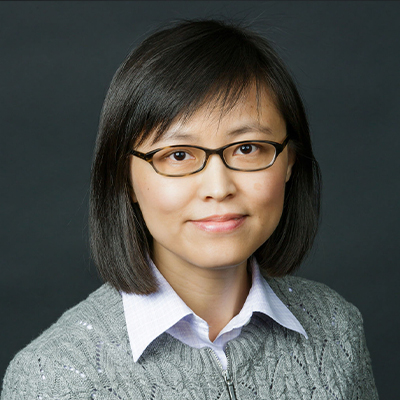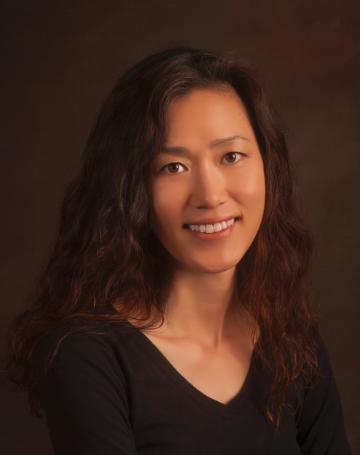
Dr. Emily Park serves as a Lecturer in the Department of Bioengineering at Santa Clara University's School of Engineering, a position she assumed in 2019 after two decades of biomedical industry R&D experience. Her academic foundation includes a Ph.D. from the University of Massachusetts and postdoctoral training at the National Institutes of Health, establishing her expertise in molecular virology and translational biomedical engineering. Her educational background: Ph.D., University of Massachusetts Postdoctoral Training, National Institutes of Health Dr. Park's research spans vaccine engineering and immune mechanisms with deep specialization in molecular diagnostics , drug development , and bioassay design . Her work bridges molecular virology with clinical applications, particularly in cancer diagnostics and viral pathogenesis. She has pioneered techniques for RNA detection in single cells and developed novel in situ hybridization methods for mutation analysis, significantly advancing precision oncology and infectious disease monitoring. Her industry background enables practical translation of engineering principles into diagnostic tools and therapeutic frameworks. Analysis of her publication record reveals consistent focus on molecular detection technologies, with recurring themes of RNA visualization, tumor heterogeneity mapping, and immune response characterization. Her work demonstrates strong interdisciplinary integration between flow cytometry, genomic sequencing, and molecular diagnostics, particularly applied to prostate cancer, colorectal cancer, and HIV pathogenesis. The trajectory shows increasing emphasis on clinical translation of diagnostic assays since 2015. No scientific awards or major prizes are documented in the available records. While Dr. Park has served as senior author on significant publications including the 2013 PLOS ONE paper on low-abundance RNA detection, specific student mentorship details are not provided. Her industry R&D leadership suggests extensive team collaboration in drug development and diagnostic assay design, though formal grant funding information is absent from the source material. Her laboratory work centers on molecular diagnostics development, with documented expertise in mass cytometry, RNA in situ hybridization, and circulating tumor cell analysis. The publications indicate leadership in multidisciplinary teams focused on translating basic virology and cancer biology into diagnostic applications, particularly through novel detection methodologies for clinical samples.