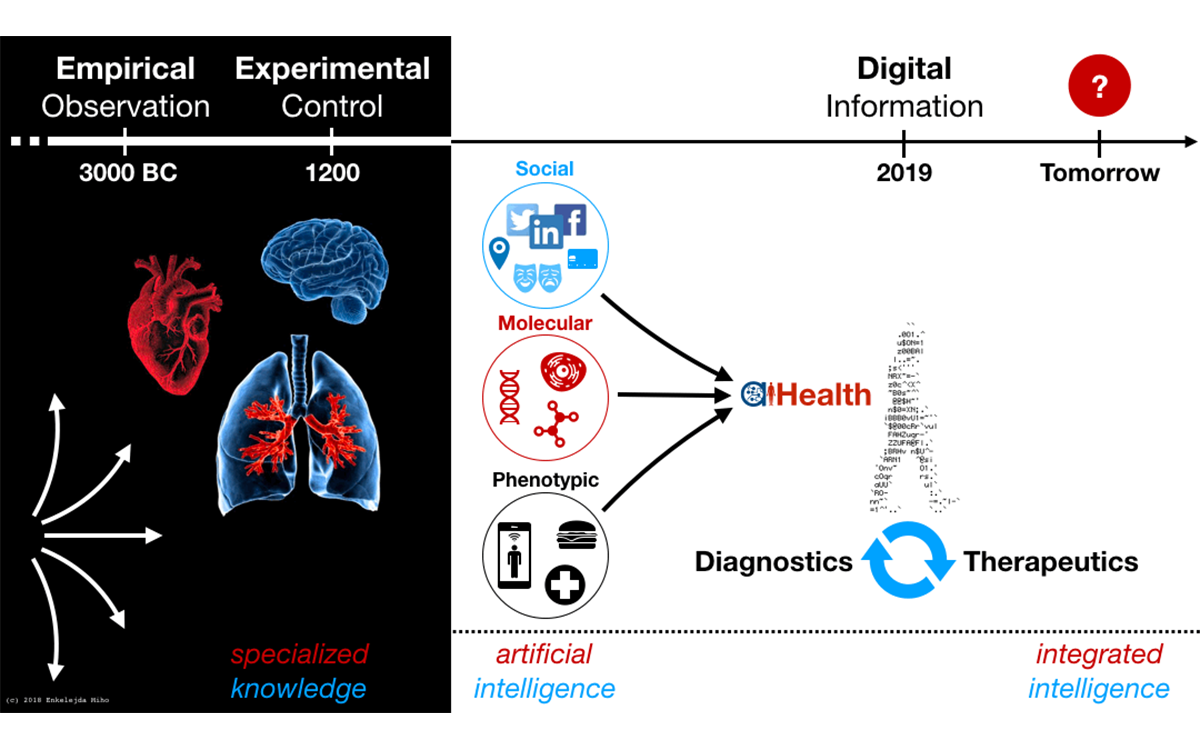
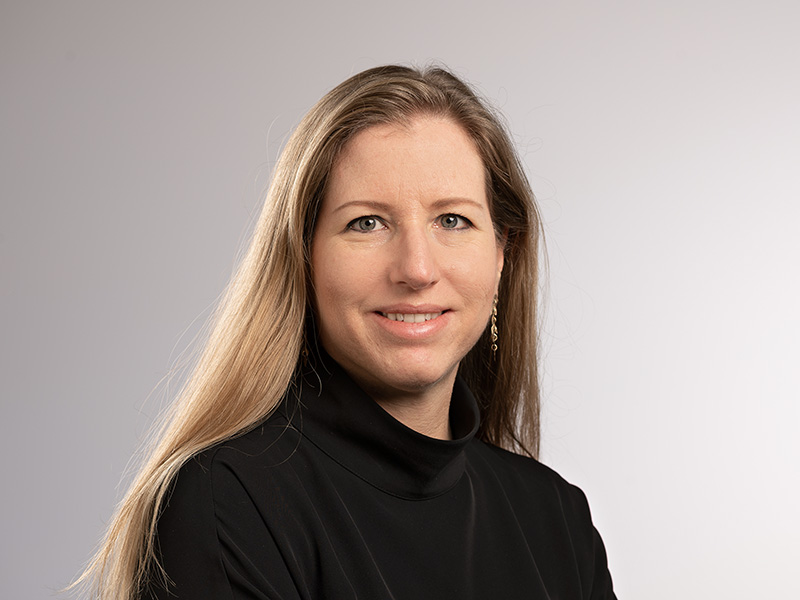
Prof. Enkelejda Miho is a Professor of Digital Life Sciences at the School of Life Sciences, FHNW, leading the aiHealthLab. Her work bridges computer science/AI with life sciences, focusing on drug discovery, personalized medicine, and immunology. She holds roles as Team Leader at aiHealthLab and Group Leader at the Swiss Bioinformatics Institute. Research Interests : She applies machine learning to analyze immune repertoires, antibody engineering, and autoimmunity diagnostics. Her lab develops computational tools like the RWD-Cockpit for real-world data analysis and synthetic antibody-antigen models (Absolut!) to advance biotherapeutics. Her work on dengue immunity and monoclonal gammopathies highlights translational applications. Key Projects : The aiHealthLab focuses on AI-driven diagnostics and therapeutics. Her contributions include AI frameworks for antibody specificity prediction, age-related immune repertoire changes, and large-scale network analysis of antibody repertoires. Labs/Teams : Leads aiHealthLab and collaborates with the Swiss Bioinformatics Institute, integrating computational and experimental immunology.
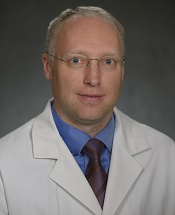
Zhandong Liu is an Associate Professor at Baylor College of Medicine with joint appointments in the Department of Pediatrics and Department of Neurology . He serves as Chief of Computational Sciences at Texas Children's Hospital and co-directs the Quantitative & Computational Biosciences Graduate Program at Baylor. Education: B.S. in Computer Science, Nankai University (2001) M.S. in Computer Science, Wayne State University (2003) Ph.D. in Genomics and Computational Biology, University of Pennsylvania (2010) Dr. Liu's research integrates genomics , machine learning , and bioinformatics to advance understanding of neurological diseases. His work focuses on: Multi-omics data integration for disease mechanism discovery Development of cloud-based CRISPR analysis tools like CRISPRcloud Augmented reality platforms for biomedical data visualization Identification of disease genes through computational models Alternative splicing analysis in cancer and neurodegeneration Single-cell and spatial transcriptomics algorithms His recent publications emphasize Alzheimer's disease , MECP2 syndromes , and computational therapy prediction across multiple domains. Scientific awards include the 2018 Outstanding Service Award from the International Association for Intelligent Biology and Medicine. He has secured major grants from NIH, CPRIT, and NSF for projects including: NSF grant #199977 (2018-2020): Augmented reality therapy platforms CPRIT grant #RP170387 (2016-2019): Network-guided cancer analysis NIH #1R01AG057339 (2017-2022): Alzheimer's disease networks As head of the Liu Lab , he leads teams developing tools like: MARRVEL : Human-model organism gene variant integration CRISPRcloud : Secure CRISPR screen analysis platform CrypSplice : Cryptic splicing detection algorithm
Ralf Zimmer is a Full Professor for Practical Informatics and Bioinformatics at Ludwig Maximilian University of Munich (LMU) since 2001, affiliated with the Department of Informatics in the Faculty of Mathematica, Informatics and Statistics. He concurrently serves as Head of Section III and Head of the Research Group Network Regulation and Modeling / Machine Learning at the Leibniz Institute for Food Systems Biology at TUM (Leibniz-LSB@TUM) in Freising, Germany. His academic foundation includes a Diploma with distinction in Computer Science, Applied Mathematics and Operations Research from the University of Bonn (1981-1986), followed by a summa cum laude Doctorate in Computer Science and Applied Mathematics from CAU Kiel in 1990, where he received dual honors: the CAU Dissertation Award and Best Dissertation Award. Zimmer's research pioneers the integration of bioinformatics, systems biology, and machine learning to decode molecular food-consumer interactions. His group develops causal system models for biological networks, validated through in silico simulations and multi-omics perturbation experiments (transcriptomics/proteomics). Core methodologies include network regulation modeling, algorithmic bioinformatics, and database construction linking food compounds to biochemical networks and cellular phenotypes, with translational goals for food and biotech innovation. His 14 most recent publications (2012-2024) reveal dominant trends in multi-omics immunology and cardiovascular research, featuring computational innovations for high-throughput data analysis. Key themes include host-pathogen dynamics (viral infections), inflammatory disease mechanisms (atherosclerosis), and methodological advances in proteomics/transcriptomics, consistently bridging fundamental bioinformatics with clinical applications. Major scientific recognitions include: CAU Dissertation Award and Best Dissertation Award (1990) Director of LMU's Informatics Department (2010-2012) DFG Review Board membership for biomedical foundations (2008-2016) Leadership of the DFG Bioinformatics Munich Center (2001-2008) Academic Senate election at LMU München (2011) Zimmer directs LMU/TUM's joint B.Sc./M.Sc. bioinformatics programs since 2001 as founding architect of the DFG-funded Bioinformatics Munich initiative. His educational leadership spans spokesperson roles for international training groups (IRTG RECESS), collaborative research centers (SFB1123 Atherosclerosis), and elite programs (Data Science, Munich Center for Machine Learning). Grant stewardship includes directing the DFG Bioinformatics Munich Center and shaping national funding policy via the DFG review board. At Leibniz-LSB@TUM, his research group pioneers databases connecting food compounds to cellular phenotypes through molecular networks, collaborating with Munich universities, clinics, and biotech partners to develop high-throughput sequencing/proteomics applications for future food and health innovations.
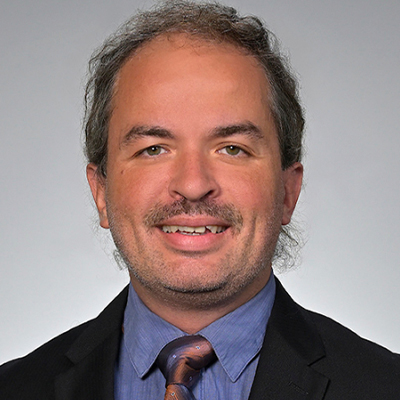
Professor Zoheir Sabeur is Professor of Data Science and Artificial Intelligence at Bournemouth University (2019–present) and Head of the Processes and Behaviour Understanding (PRO_BU) Research Group. He concurrently serves as Visiting Professor of Data Science at Colorado School of Mines (2017–present) and held the position of Science Director at the IT Innovation Centre, University of Southampton (2009–2019). Over three decades he has led more than 30 large-scale projects as Principal Investigator, securing over £12 million of funding from the European Commission, UKRI, DSTL, NERC, EPSRC and industry. Education PhD in Theoretical Physics, University of Glasgow (1990) MSc in Theoretical Physics, University of Glasgow (1986) BSc First-Class Honours in Physics and Applied Mathematics, Université d'Oran (1984) Advanced Leadership Programme, Ashridge Business School (2011) Research Interests Professor Sabeur’s research focuses on the fundamental theory and application of data science and artificial intelligence to understand complex human, natural and industrial processes and behaviours. His work spans multi-modal sensing, big-data analytics and machine-learning algorithms that extract actionable knowledge from large heterogeneous datasets. Application domains include: Healthcare: AI-driven diagnostics and prognostics for chronic diseases such as COPD, asthma and cancers through omics and phenotypic data integration. Environmental & Climate: Earth-observation analytics for wildlife migration and climate-change impact assessment using satellite data and global grid systems. Maritime & Cyber-Physical Security: Real-time risk assessment for shipping in extreme environments, smart-city safety and critical-infrastructure protection using computer vision and sensor fusion. Recent research has produced novel AI classifiers that analyse lung-auscultation audio signals to grade COPD severity, as well as digital-twin frameworks for detecting malicious behaviour in urban spaces. Scientific Awards & Recognition Fellow of the British Computer Society (FBCS) Fellow of the Institute of Marine Engineering, Science & Technology (FIMarEST) Chartered Engineer (CEng) and Chartered Physicist (CPhys) Multiple ORS Awards (1987, 1988, 1989) Grants & Doctoral Supervision Professor Sabeur has secured and led more than 40 funded projects since 1996, including recent grants such as INSIGHT (NIHR, 2024) and S4AllCities (H2020, 2020). He currently supervises three ongoing PhD students at Bournemouth University and has successfully graduated three others, covering topics from computational hydrodynamics to AI-based respiratory-disease analytics. He welcomes enquiries from prospective postgraduate researchers interested in data science, AI and interdisciplinary applications under schemes such as UKRI and Horizon Europe.
Dr. Mathias Basner is a Professor of Psychiatry at the University of Pennsylvania Perelman School of Medicine , where he directs both the Behavioral Regulation & Health Section and the Unit for Experimental Psychiatry within the Division of Sleep and Chronobiology . With dual appointments in Psychiatry and Sleep Medicine, his research bridges aerospace, urban, and clinical environments to study neurobehavioral consequences of sleep loss and noise exposure. Education: MD (1999), PhD in Research (2001) from University of Bochum; MSc in Epidemiology (2006) from University of Bielefeld Key Research Areas: Sleep deprivation effects, environmental noise impacts, astronaut behavioral health, and cognitive performance assessment Research Trends: Using field studies, space analog environments, and large datasets like the American Time Use Survey, Dr. Basner examines sleep-wake cycles, noise-induced stress responses, and cognitive adaptation in extreme environments. His work informs WHO guidelines, FAA policies, and NASA's Mars mission planning. Scientific Recognition: International Space Station Innovation Award (2018) Journal Publication Award for Outstanding Space Medicine Article (2016) Consultant for WHO, ICAO, and FAA noise/sleep guidelines Professional Contributions: Senior Associate Editor for Sleep Health and Frontiers in Physiology , developer of the PVT-B and Cognition test battery for NASA, and principal investigator in major studies including the TWINS study and Inspiration 4 mission.
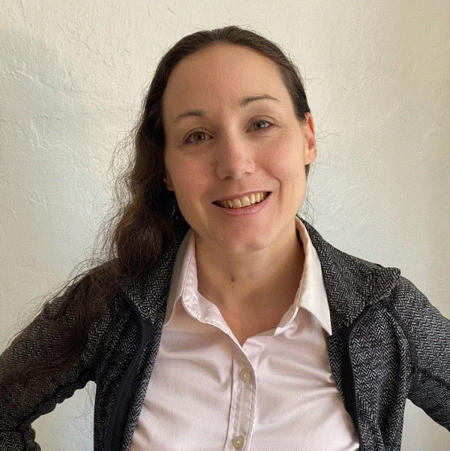
Daniela Strenkert is an Assistant Professor at Michigan State University, affiliated with the MSU-DOE Plant Research Laboratory, Plant Biology Department, Molecular Plant Sciences Program, BioMolecular Science Gateway, and Cell & Molecular Biology Program. Her research focuses on systems biology approaches to understand gene regulation in photosynthetic organisms. Ph.D., University of Kaiserslautern, Germany Her lab investigates photosynthetic performance through multi-omics analysis of chromatin structure, transcriptomes, proteomes, and metabolomes in Chlamydomonas reinhardtii . Key areas include environmental acclimation, histone modification mapping (GreENCODE project), and regulatory RNA characterization. Recent publications emphasize computational modeling of photosynthetic protein interactions, metal homeostasis under stress, and chloroplast protein import mechanisms. Articles span 2025-2010, with 15 most recent from 2025-2022. Her work integrates genome-wide datasets to decode algal regulatory programs under climate change-relevant stressors. She teaches BS 161: Cells and Molecules and maintains a lab at 106 Plant Biology Lab. Contact: strenke2@msu.edu .
Pavel P. Kuksa is a Research Assistant Professor in the Department of Pathology and Laboratory Medicine, specializing in bioinformatics, computer science, and functional genomics. His work focuses on high-throughput sequencing analysis, chromatin interaction data, and developing scalable software platforms for genomics research.
Michal Bassani-Sternberg is an Assistant Professor on conditional pre-tenure at the Faculty of Biology and Medicine, University of Lausanne (UNIL), and an Assistant Member at the Ludwig Institute for Cancer Research, Lausanne. She leads the Antigen Discovery Group and the Immunopeptidomics Unit at the Center for Experimental Therapies, Department of Oncology, UNIL-CHUV. Her work bridges proteogenomics, mass spectrometry, and computational biology to advance personalized cancer immunotherapy. Her educational background includes a Bachelor, Master, and Doctorate in Biology from the Technion – Israel Institute of Technology, Haifa, all earned with Cum Laude distinction. She completed postdoctoral training at the Technion and the Max Planck Institute for Biochemistry, Germany, in the group of Prof. Matthias Mann. Dr. Bassani-Sternberg's research focuses on identifying cancer-specific Human Leukocyte Antigen (HLA) ligands to guide the development of personalized immunotherapies. Her group develops cutting-edge proteogenomic and mass spectrometry-based immunopeptidomics approaches to discover tumor-associated antigens, neoantigens, and non-canonical peptides. A key contribution is the development of NeoDisc, a continuous bioinformatics pipeline that integrates genomics, transcriptomics, and immunopeptidomics data for direct neoantigen identification in clinical trials. Her recent publications, appearing in high-impact journals such as Nature , Nature Biotechnology , Immunity , and Nature Cancer , reflect a strong trend in integrating multi-omics data to understand tumor immunogenicity, T cell responses, and antigen presentation dynamics. Her work increasingly incorporates machine learning to improve neoantigen prediction and TCR specificity inference. She has been recognized with the Pfizer Research Prize in 2021 for her contributions to immuno-oncology. Pfizer Research Prize (2021) Dr. Bassani-Sternberg leads an active research group involved in phase I clinical trials for personalized cancer vaccines and adoptive T cell therapies. Her lab is supported by major grants from the Swiss Cancer League, Swiss National Science Foundation, and ISREC Foundation. She mentors doctoral and postdoctoral researchers and collaborates extensively within the Lausanne immuno-oncology ecosystem, including CHUV and Ludwig Lausanne. Her lab, the Bassani-Sternberg Lab, is part of the Department of Oncology’s research platforms and focuses on immunopeptidomics, antigen discovery, and the development of analytical tools for personalized immunotherapy.
Lauren Weiss, PhD is a Professor of Psychiatry at the University of California, San Francisco (UCSF) School of Medicine and a faculty member at the UCSF Weill Institute for Neurosciences. Her research focuses on understanding the genetic architecture of autism spectrum disorder through genome-wide genetic data analysis and human induced pluripotent stem cell (iPSC) models. Dr. Weiss's laboratory investigates the genetic mechanisms by which DNA variants influence autism risk, examining questions about copy number vs. SNP variation, rare vs. common variation, gene-sex interaction, gene-gene interaction, and gene-environment interaction. Her team uses rich genetic datasets to identify susceptibility loci and the physiological pathways these risk loci implicate. Additionally, they employ iPSC models to study known mutations or copy number variants predisposing to autism, first identifying the effects of genetic risk variants and then determining whether these effects can be modified at the cellular level by environmental or pharmacological agents. Analysis of Dr. Weiss's recent publications reveals a strong focus on sex differences in autism genetics, the role of specific copy number variants (particularly 16p11.2 and 22q11.2), maternal environmental factors during pregnancy, and the integration of multi-omics data to understand neurodevelopmental pathways. Her work bridges basic genetic research with potential clinical applications for improving understanding, prevention, diagnosis, and treatment of autism and related traits. Dr. Weiss has secured significant research funding as Principal Investigator on multiple NIH grants, including R01MH114924 (Decoding the Genetics of Sexual Dimorphism in Autism Spectrum Disorders), R01MH107467 (Utilizing eQTL networks to gain biological insight into multigenic CNVs), and DP2OD007449 (Dissecting Epistasis and Pleiotropy in Autism towards Personalized Medicine). Her laboratory offers research opportunities for students interested in analytical genetics projects related to gene-environment effects, gene-sex effects, gene-gene effects, and the relationship between ASD and brain size. Dr. Weiss actively collaborates with numerous researchers across institutions, particularly on large-scale genomic studies of autism and other neurodevelopmental disorders. Her work has contributed significantly to our understanding of the complex genetic architecture underlying autism spectrum disorder and related conditions.
Jonathan Weissman is a Professor of Biology at the Massachusetts Institute of Technology (MIT) and a Member of the Whitehead Institute. He is also an Investigator of the Howard Hughes Medical Institute and the Landon T. Clay Professor of Biology. His research spans protein folding mechanisms, ribosome profiling, CRISPR-based tools (CRISPRi/a), and genetic interaction mapping. Whitehead Institute Member MIT Professor HHMI Investigator Co-founder, Maze Therapeutics & KSQ Therapeutics Research Interests focus on: Protein folding in cellular contexts Endoplasmic reticulum (ER) function and stress responses Genome-wide CRISPR screening for gene regulation High-density genetic interaction maps in mammals Mitochondrial protein targeting and quality control Epigenomic engineering with synthetic tools Scientific Awards include: Protein Society Irving Sigal Young Investigator Award (2004) Raymond & Beverly Sackler Prize (2008) National Academy of Sciences election (2009) NAS Award for Scientific Discovery (2015) Genetics Society of America Ira Herskowitz Award (2020) Labs & Collaborations : Leads the Weissman Lab at MIT/Whitehead Institute, co-leads the Laboratory for Genomic Research with GlaxoSmithKline, and chairs the Stowers Institute Scientific Advisory Board.
Yuri Pritykin is an Assistant Professor at Princeton University, affiliated with the Lewis-Sigler Institute for Integrative Genomics and the Department of Computer Science. He also holds cross-appointments in Molecular Biology, the Omenn-Darling Bioengineering Institute, and the Center for Statistics and Machine Learning. Pritykin earned his Ph.D. in Computer Science from Princeton University (2014), alongside MSc and Ph.D. in Mathematics from Lomonosov Moscow State University. His research lies at the intersection of applied statistics, machine learning, and functional genomics, focusing on integrative analysis of multi-dimensional biological data. Research Interests: Decoding regulatory genomics in immune cells, CRISPR tool development (GuideScan2), single-cell and spatial multi-omics for immunology and cancer, post-transcriptional regulation, and cell-cell interaction profiling (uLIPSTIC technology). Awards: NSF CAREER Award (2023) NIH New Innovator Award (2022) Recognized by Princeton Ludwig Institute, Rutgers Cancer Institute, and AACR Teaching: Courses in computational biology, genomics, and machine learning applications in life sciences. His lab actively collaborates with immunologists and genomicists, seeking interdisciplinary scientists at all career stages.
Xiaobo Li is a Professor in the Department of Bio-Medical Engineering at New Jersey Institute of Technology. Holding a Ph.D. in Computer Aided Geometric Design from the University of Birmingham and a B.S. in Automation from Nanjing University of Aeronautics, their research bridges computational methods with neuroimaging and psychiatric disorder analysis. Ph.D., University of Birmingham (Computer Aided Geometric Design, 2004) B.S., Nanjing University of Aeronautics (Automation, 1999) Dr. Li’s work focuses on applying machine learning and graph theory to understand brain network abnormalities in conditions like ADHD , schizophrenia , and traumatic brain injury . Their studies analyze structural-functional connectivity , reward processing , and gut-brain axis interactions using fMRI , fNIRS , and diffusion tensor imaging . Recent publications highlight their development of tools like the GAT-FD MATLAB toolbox for brain network analysis and their exploration of multimodal MRI in schizophrenia diagnosis. They also investigate the neurobiological effects of photobiomodulation and vision therapy interventions.
Vicki H. Wysocki is Professor and Chair at Georgia Institute of Technology, leading pioneering research in mass spectrometry and structural biology. Her work focuses on developing advanced techniques to study protein complexes, proteomics, and metabolomics, with her research group maintaining an active presence at major conferences including ASMS 2024 and preparations for ASMS 2025. Her educational background includes: B.S. in Chemistry from Western Kentucky University (1982) Ph.D. in Chemistry from Purdue University (1987) Postdoctoral research at Purdue University (1987) and National Research Council/Naval Research Lab (1988-1989) Dr. Wysocki's research spans four interconnected areas: (1) development of surface-induced dissociation (SID) on commercial mass spectrometry platforms; (2) native mass spectrometry-guided structural biology for studying large protein-protein complexes; (3) multi-omics approaches integrating proteomics and metabolomics with genomics for biomarker discovery; and (4) determination of peptide structures using IR action spectroscopy. Her work bridges analytical chemistry, biochemistry, and structural biology to address fundamental protein science questions. Analysis of her recent publications reveals a strong focus on advancing native mass spectrometry techniques, particularly surface-induced dissociation, for structural characterization of protein complexes. Her work increasingly integrates multi-omics approaches to study bacterial pathogenesis, with emphasis on Salmonella infection mechanisms, while also exploring innovative instrumentation development for structural biology applications. Dr. Wysocki has received numerous prestigious awards: 2022 Thomson Medal from the International Mass Spectrometry Foundation 2022 ACS Division of Analytical Chemistry Award 2017 ACS Field and Franklin Award for Outstanding Achievement in Mass Spectrometry 2016 OSU Excellence in Biochemistry Award 2009 Distinguished Contribution to Mass Spectrometry Award from ASMS She actively mentors numerous graduate students and postdoctoral researchers, with current lab members including Kristie Baker, Yuan Gao, and Philip Lacey. Her research is supported by multiple NIH grants, enabling cutting-edge instrumentation development and biological applications. The Wysocki Group maintains strong collaborations across disciplines, particularly in microbiology and structural biology. The Wysocki Research Group operates state-of-the-art mass spectrometry facilities at Georgia Tech, including specialized instrumentation for native mass spectrometry and surface-induced dissociation. The group actively develops new methodologies and maintains the website nativems.gatech.edu as a resource for the mass spectrometry community, demonstrating continued leadership at the intersection of technology development and biological discovery.
Eric Nauman is the Dane A. and Mary Louise Miller Professor of Biomedical Engineering at the University of Cincinnati and director of the Human Injury Research and Regenerative Technologies (H.I.R.R.T.) Lab. Previously, he held academic roles at Purdue University and Tulane University. He earned his Ph.D., M.S., and B.S. in Mechanical Engineering from UC Berkeley and the University of Delaware. Research Focus: The H.I.R.R.T. Lab investigates mechanisms of traumatic brain injury, spinal cord injury, musculoskeletal damage, atherosclerosis, and cancer metastasis. It develops protective and reconstructive treatments, including FDA-approved engineered tissue products for tendon repair. Collaborative projects emphasize translational research in injury prevention and treatment delivery. Grants & Awards: Lead Principal Investigator (PI) on federal grants totaling $4.7M for projects like AFRL teeming agreements and DoD biomathematical models. Recipient of prestigious awards including the Purdue Book of Great Teachers, Innovators Hall of Fame, and multiple teaching excellence recognitions. Key Contributions: Co-authored landmark TBI studies, holds 14 U.S. patents, and pioneered protective equipment innovations. His work bridges biomechanics, materials science, and clinical applications.
Andrew Currie is a Professor and Associate Dean (Research & Innovation) at Murdoch University's School of Medical, Molecular and Forensic Sciences, within the College of Environmental and Life Sciences. He leads the Sepsis Diagnostics Research Group at the Centre for Molecular Medicine and Innovative Therapeutics and co-heads the Neonatal Infection and Immunity Team with Clinical Professor Tobias Strunk at the Wesfarmers Centre of Vaccine & Infectious Diseases at Telethon Kids Institute. His research focuses on immunology and infectious diseases in pediatric populations, particularly sepsis diagnostics and neonatal immunity. Education: PhD (Immunology, University of Western Australia, 2001); BSc (Biotechnology with Honors, Murdoch University, 1997). Research Interests: Sepsis diagnostics, innate immunity mechanisms in neonates, medical biotechnology for diagnostics (e.g., biosensors), and translational research in pediatric infections. Collaborates internationally with institutions in Canada, Denmark, the UK, US, and China. Aims to reduce sepsis burden in vulnerable populations through advanced molecular methods and interdisciplinary partnerships. Key Affiliations: Lead of Sepsis Diagnostics Research Group (Murdoch University), Senior Lecturer in Immunology, Honorary Associate at Kids Research Institute Australia. Past roles include leadership in the Centre for Molecular Medicine and Innovative Therapeutics. Scientific Contributions: Over 100 peer-reviewed articles focusing on sepsis biomarkers, neonatal immunity, tick-borne diseases, and clinical trials for interventions like vitamin C and probiotics in critical illness. Active in developing precision medicine approaches for neonatal sepsis. Grants & Funding: Co-leads major projects on sepsis diagnostics and neonatal infection, supported by national and international grants. Collaborates on multi-institutional initiatives. Labs/Teams: Sepsis Diagnostics Research Group (Murdoch) and Neonatal Infection and Immunity Team (Telethon Kids Institute). Works closely with the Personalised Medicine Centre and Health Futures Institute.