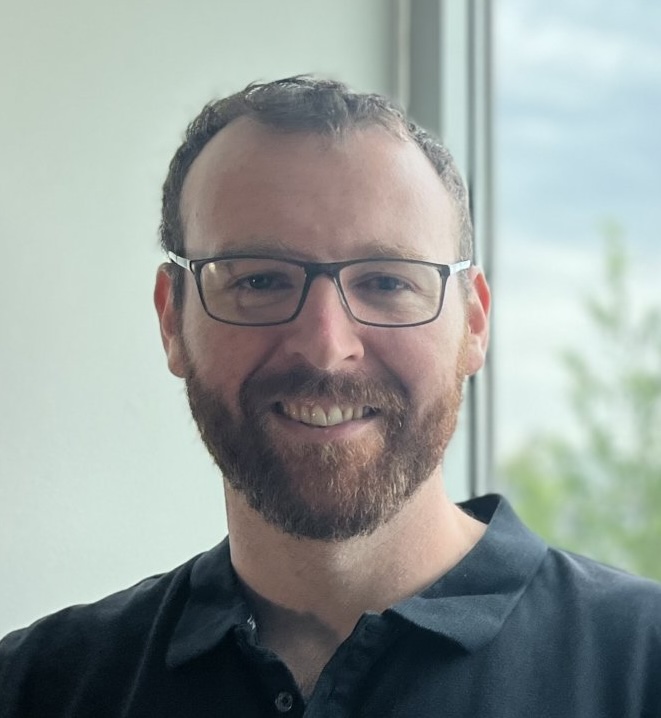
Dr. Ahna Skop is a Professor in the Department of Genetics at the University of Wisconsin–Madison. Her research focuses on the molecular mechanisms underlying cell division, particularly the role of midbody remnants and extracellular vesicles in RNA localization and translation. She is also a pioneer in integrating scientific art to enhance public engagement and promote diversity and inclusion in STEM. BS in Biology, Syracuse University PhD in Cell and Molecular Biology, University of Wisconsin–Madison Postdoctoral Fellowship, University of California-Berkeley Her work spans cell biology, developmental biology, and science communication, with recent studies exploring midbody remnant functions in mitosis and strategies for inclusive science education. She leads the Skop Lab, which develops protocols for isolating and imaging extracellular vesicles. Her research on midbody remnants highlights their roles in RNA assembly, localized translation, and potential therapeutic applications. She actively advocates for diversity and inclusion in scientific communities through outreach programs.
Balázs Rada is an Associate Professor in the Department of Infectious Diseases at the University of Georgia's College of Veterinary Medicine. His research focuses on mechanisms of respiratory innate immunity, particularly in cystic fibrosis lung disease and host-pathogen interactions involving pathogens like Pseudomonas aeruginosa, Staphylococcus aureus, and influenza virus. Key projects include investigating neutrophil biology, reactive oxygen species in airway defenses, and therapeutic modulation of innate immunity. His lab, the Rada Laboratory, is based in Athens, Georgia, and emphasizes translational research in respiratory disease pathogenesis. Research interests span cystic fibrosis airway inflammation, antimicrobial therapies, and the role of neutrophil extracellular traps (NETs) in lung diseases. Collaborative efforts aim to develop novel treatments targeting innate immune dysfunction.
Dr. Brandon K. Hadland is an Associate Professor at the University of Washington School of Medicine in Pediatrics and Fred Hutchinson Cancer Center's Translational Science and Therapeutics Division, with memberships in the Immunotherapy and Translational Data Science Integrated Research Centers. He serves as an Attending Physician at Seattle Children's Hospital for Pediatric Hematology/Oncology and Bone Marrow Transplant. Education: BS in Chemistry, Harvey Mudd College (1998) MD and PhD in Molecular Cell Biology, Washington University School of Medicine (2006) Pediatrics Residency and Internship, Seattle Children's/University of Washington (2006-2009) Pediatric Hematology/Oncology Fellowship, Seattle Children's/University of Washington/Fred Hutch (2009-2012) His research centers on embryonic hematopoietic stem cell (HSC) development, investigating Notch signaling pathways, vascular microenvironments in the AGM region and fetal liver, and engineering in vitro platforms to model blood formation. He employs single-cell functional and molecular techniques to characterize niche interactions and transcriptional programs driving HSC emergence. Recent publications demonstrate trends in applying single-cell transcriptomics to define HSC-competent hemogenic endothelium and develop stromal-free engineered niches, bridging developmental biology with therapeutic applications for blood disorders and leukemia. Dr. Hadland leads collaborative research across Fred Hutch and UW, partnering with experts in computational genomics (Dr. Cole Trapnell), stem cell engineering (Drs. Sergei Doulatov and Ying Zheng), and pediatric oncology (Drs. Soheil Meshinchi and Irv Bernstein) to advance cellular therapies and leukemia prevention strategies.
Kuo-Fen Lee, PhD is a Professor at the Salk Institute for Biological Studies, holding the prestigious Helen McLoraine Chair of Molecular Neurobiology. He leads the Clayton Foundation Laboratories for Peptide Biology, where his research focuses on nerve regeneration, spinal cord injury, and molecular mechanisms underlying neural development and neurodegenerative diseases. His work bridges basic neuroscience with potential therapeutic applications for conditions like ALS, paralysis, and Alzheimer's disease. Dr. Lee received his educational training from multiple prestigious institutions: a degree in Plant Pathology from National Taiwan University; an MS in Cancer Enzymology and Cell Differentiation from National Yang-Ming Medical College, Taiwan; a PhD in Endocrinology from Baylor College of Medicine, Houston; and completed his postdoctoral training at the Whitehead Institute for Biomedical Research. His primary research interests center on understanding why humans cannot regenerate damaged nerves while many other animals can. Dr. Lee has made significant discoveries regarding the p45 protein, which promotes nerve regrowth in mice but is absent in humans (who instead have p75, which inhibits nerve growth). His laboratory also studies neuregulin signaling, neuromuscular synapse formation, and the role of various proteins like nestin in neural development and maintenance. His work often employs mouse models to investigate spinal cord injury, pain pathways, and neurodegenerative conditions. Analysis of Dr. Lee's recent publications reveals a consistent focus on molecular neurobiology with particular emphasis on neural signaling pathways, synaptic maintenance, and nerve regeneration mechanisms. His research spans from basic molecular mechanisms to potential therapeutic applications, with increasing attention to pain pathways, Alzheimer's disease models, and the intersection of neuroscience with immunology and metabolism in recent years. As holder of the Helen McLoraine Chair of Molecular Neurobiology, Dr. Lee has received significant institutional recognition for his contributions to neuroscience. While specific awards aren't detailed in the provided text, his sustained funding and leadership position indicate substantial peer recognition in his field. Dr. Lee's research program involves extensive collaboration with other neuroscience laboratories, as evidenced by his numerous co-authored publications across various neuroscience subdisciplines. His work has been consistently funded, allowing for the maintenance of an active research laboratory focused on nerve regeneration and molecular neurobiology. The Clayton Foundation Laboratories for Peptide Biology serves as the primary research environment for Dr. Lee's team, where they investigate molecular mechanisms of nerve development, regeneration, and degeneration using advanced genetic, molecular, and cellular approaches. The laboratory maintains active research programs in multiple areas of neural signaling and development.
Andrew J. Todd is a Professor and Honorary Fellow in the School of Psychology & Neuroscience at the University of Glasgow. His research focuses on neurochemistry and synaptic connections in the mammalian spinal cord, particularly the organization of neuronal circuits underlying pain and itch perception. He employs techniques like immunocytochemistry, confocal microscopy, and electron microscopy. Collaborations include researchers from institutions such as UCL, Saga University, and the University of Pittsburgh. His work is funded by the Wellcome Trust and BBSRC. Roles: Professor, Honorary Fellow Affiliations: School of Psychology & Neuroscience, University of Glasgow Research Interests Dr. Todd investigates spinal dorsal horn circuits, including projection neurons, interneurons, and synaptic plasticity. Key topics include: Neurochemical characterization of spinal neurons Role of neuropeptides like substance P and gastrin-releasing peptide Mechanisms of neuropathic pain and spinal circuit adaptations Functional roles of specific neuron populations in laminae I-III Articles Overview Recent work includes studies on spinal projection neuron markers (e.g., Tacr1, Gpr83), synaptic circuits involving GRP-expressing neurons, and interneuron subtypes' roles in pain/itch. Notable findings include the absence of neuronal loss in neuropathic pain models and the identification of novel spinal circuits. Grants & Funding Funded by the Wellcome Trust and BBSRC . Collaborations span international institutions, emphasizing spinal neurobiology and sensory processing.
Dr. Jonathan Bones is an Associate Professor in the School of Chemical and Bioprocess Engineering at University College Dublin (UCD) and Principal Investigator of the Characterisation and Comparability Group at NIBRT. His research focuses on analytical methods for biopharmaceuticals, including liquid chromatography-mass spectrometry (LC-MS) for protein characterization, glycomics, and process optimization. He holds a BSc and PhD in Analytical Chemistry from Dublin City University. His work has been recognized through inclusion in the Medicine Maker Power List. He leads a team of 18 researchers, supported by SFI, EI, and industry partnerships. Education: BSc in Analytical Science (Chemistry), Dublin City University PhD in Analytical Chemistry, Dublin City University Research Interests: Development of advanced LC-MS platforms for glycomics, proteomics, and bioprocess analysis. Key areas include: Quantitative proteomics/metabolomics for bioprocess monitoring Liquid phase separations for complex bioanalysis Process analytical technology (PAT) His group collaborates with ThermoFisher Scientific on analytical workflows for biopharmaceutical characterization. Articles Trends: Recent work emphasizes analytical methods for AAV vector characterization, biosimilar comparability via MAM/iMAM, and process clearance of excipients. Over 126 publications highlight his contributions to biopharmaceutical quality control and process understanding. Awards: Medicine Maker Power List (2023): Top 100 influential scientists in biopharmaceutical manufacturing and analysis Advising & Grants: Supervises PhD students in bioprocessing and analytical chemistry Funding from Science Foundation Ireland (SFI), Enterprise Ireland (EI), and EU FP7 Industry collaborations with ThermoFisher Scientific and Bristol Myers Squibb Labs & Teams: Leads the Characterisation and Comparability Lab at NIBRT, focused on cutting-edge analytical tools for bioprocess development and product quality assurance.
Professor Dario Alessi is a leading academic at the University of Dundee's School of Life Sciences, serving as the Director of the MRC Protein Phosphorylation Unit (MRC PPU) and Professor of Signal Transduction. He earned his BSc (1988) and PhD (1991) from the University of Birmingham. His research focuses on protein phosphorylation and ubiquitylation pathways, particularly the LRRK2 kinase pathway linked to Parkinson's disease. He has made groundbreaking contributions to understanding LRRK2's role in neurodegeneration, including its interaction with Rab proteins and scaffolding molecules like RILPL1. School of Life Sciences, University of Dundee MRC PPU Director since 2012 Signal Transduction Therapy Unit Director His work combines molecular biology, biochemistry, and collaborative industry partnerships to advance therapeutic strategies for Parkinson's disease. Key research areas include LRRK2 activation mechanisms, Rab protein phosphorylation, and lysosomal dysfunction. Alessi has trained over 30 graduate students and 40 postdocs, many now in academic and industry leadership roles. Notable awards include the EMBO Gold Medal (2005), the Robert A. Pritzker Prize for Leadership in Parkinson’s Research (2023), and an OBE (2023) for contributions to medical science. His lab promotes open science, sharing reagents and protocols globally through platforms like MRC Pure Agents and LRRK2.bio. Current projects include investigating novel mitochondrial and organelle biology in Parkinson’s, developing biomarkers, and advancing LRRK2 inhibitors through clinical trials. Collaborations span the Michael J. Fox Foundation, Aligning Science Across Parkinson’s, and the UK Dementia Research Initiative.
Joe Paton is a Professor and Principal Investigator at the Champalimaud Neuroscience Programme, Champalimaud Foundation in Lisbon, Portugal. He leads the Paton Lab which focuses on understanding how animals determine which environmental cues are predictive of behaviorally relevant events, known as the credit assignment problem. His research combines behavioral experiments with neurophysiological recordings in rodents to investigate neural mechanisms of time perception and decision making. Dr. Paton's research interests center on interval timing, temporal processing in the brain, and the neural basis of learning. His work particularly examines how the striatum and dopamine systems contribute to time perception and how animals solve the credit assignment problem through statistical inference in the time domain. His lab employs advanced techniques including optogenetics, neural recordings, and computational modeling to address these questions. Analysis of Dr. Paton's recent publications reveals a strong focus on striatal function in timing processes, with particular attention to how neural populations encode temporal information. His work bridges behavioral neuroscience with computational approaches, demonstrating how timing mechanisms influence decision making and learning processes. The research spans multiple levels from cellular mechanisms to behavioral outputs. Midbrain dopamine neurons control judgment of time (2016) Striatal dynamics explain duration judgments (2015) A Scalable Population Code for Time in the Striatum (2015) The Neural Basis of Timing: Distributed Mechanisms for Diverse Functions (2018) Dr. Paton has mentored numerous PhD students and postdoctoral researchers through the INDP (International Neuroscience Doctoral Program) and supervises a diverse team including research technicians, postdocs, and students. His lab has contributed significantly to understanding the neural basis of time perception and its role in learning and decision making. The Paton Lab also develops experimental tools and frameworks like Bonsai for behavioral neuroscience research.
Maria Golson, PhD, is an Assistant Professor of Medicine in the Division of Endocrinology, Obesity and Metabolism at the Johns Hopkins School of Medicine. She joined the institution in 2020 and leads research focused on the intrinsic and extrinsic regulation of beta-cell function and insulin secretion. Her work is central to understanding pancreatic endocrine cell development and its implications in diabetes. Education: B.S. in Biology (Genetics concentration), Duke University, 2000 Ph.D. in Cell and Molecular Biology (Genetics and Gene Regulation), University of Pennsylvania, 2008 Postdoctoral Training, Vanderbilt University Dr. Golson's research spans molecular mechanisms of beta-cell function, epigenetic regulation in diabetes, and single-cell analysis of pancreatic islets. She employs advanced genomic and epigenomic tools to explore cellular states in both type 1 and type 2 diabetes, with a focus on identifying pathways that could be targeted for regeneration or functional enhancement of insulin-producing cells. Her recent publications, appearing in journals such as Nature Metabolism and Diabetes , reflect a strong trend toward multiomics and single-cell technologies to uncover novel cellular states in human islets. These studies integrate transcriptomics, epigenetics, and functional validation to dissect disease mechanisms. Dr. Golson has been supported by institutional affiliations and collaborations, including membership in the HPAP Consortium and the American Diabetes Association. While no formal awards are listed, her publication record indicates significant scientific contributions. She has mentored researchers through collaborative projects, though no formal advisees are named. Her lab engages in interdisciplinary research involving genetics, molecular biology, and bioinformatics to advance diabetes therapeutics.
David R. Williams is the William G. Allyn Professor of Medical Optics at the University of Rochester's Institute of Optics. He holds joint appointments in Ophthalmology, Biomedical Engineering, and Brain & Cognitive Sciences. His research focuses on advancing retinal imaging techniques, particularly using adaptive optics, to study vision mechanisms and disorders. Williams directs the Center for Visual Science, an interdisciplinary initiative with over 40 faculty members. Education: B.S. from Denison University (1975), Ph.D. from University of California, San Diego (1979), postdoctoral fellowship at Bell Labs (1980). Research Interests: Adaptive optics for high-resolution retinal imaging Retinal physiology and photoreceptor function Optogenetic therapies for vision restoration Pathological mechanisms in macular diseases Publications Highlight: His work spans foundational studies in retinal ganglion cells, optogenetic therapies, and innovations in adaptive optics systems. Recent trends focus on in vivo imaging of photoreceptors and neural activity restoration. Scientific Awards: Champalimaud Vision Award (2012) National Academy of Sciences Membership (2014) David F. Weeks Award (2020) Advising & Grants: As director of the Center for Visual Science, he oversees interdisciplinary grants and mentorship in vision science. His lab collaborates with leading institutions globally to advance translational research in ophthalmology and neurobiology. Labs/Teams: Core leader of the Center for Visual Science, with teams specializing in adaptive optics, retinal imaging, and optogenetic therapies.
Professor Karl Peter Giese holds the position of Professor of Neurobiology of Mental Health and Co-Head of the Basic & Clinical Neuroscience Department at King's College London's Institute of Psychiatry, Psychology & Neuroscience (IoPPN). His research focuses on memory mechanisms in health and disease, particularly Alzheimer's pathology, synaptic dysfunction, and aging effects. He leads projects funded by Alzheimer's Research UK and other institutions, investigating molecular and cellular bases of memory storage. His work bridges experimental models (e.g., mice) with translational insights for clinical applications. He has over 140 publications, including high-impact studies on CYFIP proteins in dementia and CaMKII in synaptic plasticity. Collaborations include researchers at King's College London and international partners. His lab explores mechanisms linking amyloid-beta, tau, and synaptic proteins to cognitive decline, with recent work applying computational methods to model aging brains. Education: PhD from ETH Zurich (1992), MSc Chemistry from Ruhr-University Bochum (1989). Current grants include Alzheimer's Research UK Network Centres and studies on MNK inhibition for Alzheimer's therapies. Projects span protein synthesis dysregulation, thalamic amyloid pathology, and intellectual disability genetics. His research has been featured in Nature Neuroscience , Brain , and Neuron . He advises on translational neuroscience initiatives and mentors early-career researchers.
Feyruz V. Rassool is a Professor at the University of Maryland School of Medicine, with primary appointment in Radiation Oncology. She serves as Co-director of the Experimental Therapeutics Program at the University of Maryland Greenebaum Comprehensive Cancer Center (UMGCCC) and holds an adjunct Associate Professor position at VARI’s Center for Epigenetics. Her research focuses on DNA damage/repair pathways in cancer, particularly their therapeutic exploitation through PARP and DNMT inhibitors. Education: B.Sc. in Human Genetics (1983, University College London), Ph.D. in Biological Sciences (1990, Royal Postgraduate Medical School) Postdoctoral Training: University of Chicago (1990-1994) Her work explores the intersection of DNA repair , epigenetics , and mitochondrial dysfunction to develop novel therapies for breast, ovarian, lung, and leukemias. Key projects include STING-dependent interferon signaling , pathogen mimicry in cancer cells, and metastasis suppression through PARPi/epigenetic combinations. Dr. Rassool is part of the SU2C Epigenetics Dream Team and has secured multiple grants from NCI, NIH, and the Adelson Medical Research Foundation. Her recent preclinical studies with PARP/DNMT inhibitors are being translated into Phase I/II trials for AML and TNBC. Scientific Awards Ziskin Award (2012) NCI-SPORE Grant Co-Leader NIH/NCI P30 CA134274 Support Grant She has mentored 13 PhD/postgraduate researchers and collaborates on clinical trials with Pfizer, VARI-SU2C, and ASTRO. Her lab employs techniques like DNA repair assays , RNAseq , and mouse xenograft models to investigate mechanisms of action for epigenetic drugs.
Amjad Javed is a Professor and Associate Dean at the University of Alabama at Birmingham , with primary appointments in the School of Dentistry - Oral & Maxillofacial Surgery and joint affiliations in Cell, Developmental and Integrative Biology , Otolaryngology , and Biomedical Engineering . His research spans bone biology, cartilage development, and myeloma bone disease. PhD in Physiology (University of the Punjab, 2003) MS in Zoology/Animal Biology (University of the Punjab, 1992) Research Interests focus on transcriptional regulation via RUNX2 and Sp7 in skeletogenesis, vascular calcification mechanisms, epigenetic control of bone formation, and tumor-bone microenvironment interactions in multiple myeloma. Key subfields include endochondral ossification, osteoclast differentiation, and nanomatrix-based tissue engineering. Scientific Contributions include discoveries about RUNX2's role in postnatal bone resorption, λ5 protein's impact on skeletal aging, and heparanase's promotion of myeloma metastasis. His work demonstrates RUNX2's dual function in chondrocyte apoptosis and cartilage degradation. Teaching & Mentorship involves graduate committee service for over 15 students and instruction in courses like Connective Tissue and Bone , Oral & Skeletal Biology , and Journal Clubs . Collaborations span Comprehensive Arthritis, Musculoskeletal, Bone and Autoimmunity Center , Integrative Center for Aging Research , and Biomatrix Eng Regen Med Center .
Dr. Conny Kopp-Scheinpflug is an Associate Professor (PD) at the Faculty of Biology, Ludwig Maximilian University of Munich, where she leads a research group focused on auditory neuroscience. Her laboratory investigates the function and mechanisms of activity-dependent neuromodulation in the mammalian auditory system, with particular interest in how ambient sensory stimulation activates neuromodulators and how these influence neural processing of relevant information. Dr. Kopp-Scheinpflug's research spans auditory neuroscience, neuromodulation, neuronal excitability, and synaptic transmission. She employs electrophysiological (single cell in vivo and patch clamp in brain slices), anatomical, and optogenetic techniques to study how hyper- or hypo stimulation lead to acquisition or loss of function in the auditory system. Her work has significant implications for understanding and potentially treating functional disorders of neuronal excitability. Current research examines potassium channels, nitric oxide signaling, and neuromodulators like urocortin 3 in auditory processing. Analysis of Dr. Kopp-Scheinpflug's recent publications (2016-2022) reveals consistent focus on auditory processing mechanisms, particularly potassium channels (Kv3.1, Kv3.3, Kv1.1), nitric oxide signaling, and activity-dependent changes in myelination. Her research spans molecular mechanisms to systems-level auditory processing, with emphasis on sound localization, temporal processing, and recovery from hearing impairment. Key findings include how sound-evoked activity influences myelination, how nitric oxide regulates postsynaptic excitability, and how urocortin 3 aids hearing recovery. Dr. Kopp-Scheinpflug has secured funding from multiple research agencies. She maintains active collaborations with researchers at Lehigh University (Michael Burger Lab), University of Edinburgh (Matthias Hennig Lab), Ben-Gurion University of the Negev (Michal Hershfinkel Lab), and UCL (Dr. Jennifer Linden). Her laboratory currently includes Ezhilarasan Rajaram, Dr. Mihai Stancu, Oskar Kalle Juhani Markkula, Sara Pagella, and Katharine Krueger. Past lab members who have completed their training include Dr. James Sinclair, Dr. Matthew Fischl, Max Bayer, Alkmini Damkou, Alyahyay Mansour, Leander Mrowka, Joseph Kroeger, and Myriam Schmidt-Pauly.
Brandon Weissbourd is an Assistant Professor in the Biology department at the Massachusetts Institute of Technology (MIT) and holds a joint appointment as an Investigator at the Picower Institute for Learning and Memory. He joined MIT in 2023 after completing a postdoctoral fellowship in the lab of David Anderson at the California Institute of Technology (Caltech). Prior to that, he earned his PhD in Biology from Stanford University in 2016 under the mentorship of Liqun Luo, and a BA in Human Evolutionary Biology from Harvard University in 2009. His research interests encompass systems neuroscience, evolutionary biology, and molecular biology. He uses jellyfish models, such as Clytia hemisphaerica, to study the evolution and functional mechanisms of nervous systems. His work combines computational techniques like single-cell RNA-seq and advanced microscopy with traditional genetic and anatomical approaches to dissect neural circuits and their roles in behaviors like feeding and social interaction. Additionally, he has explored serotonin and noradrenaline systems in mammals, focusing on their heterogeneity and functional connectivity. Recent publications emphasize the utility of non-traditional model organisms for evolutionary studies and underscore his expertise in computational methods for neurobiological analysis. Earlier work includes groundbreaking studies on the dorsal raphe serotonin system and basal forebrain circuits governing sleep-wake cycles. No scientific awards or honors have been explicitly mentioned in the provided text. Weissbourd’s academic trajectory reflects a strong emphasis on interdisciplinary research, merging evolutionary, molecular, and systems-level perspectives to understand neural systems across species. His advising record is not detailed here, though he has been affiliated with prestigious research labs during his training. Current affiliations include the MIT Biology department and the Picower Institute, where he likely contributes to collaborative projects in systems and evolutionary neuroscience. Weissbourd’s work is grounded in experimental models such as Clytia medusa and mouse brain studies, enabling him to investigate both ancient nervous system architectures and modern mammalian neural pathways. His lab’s focus on functional genomics and circuit mapping positions him at the forefront of studies on neural diversity and evolutionary innovation.