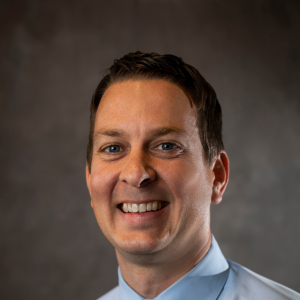
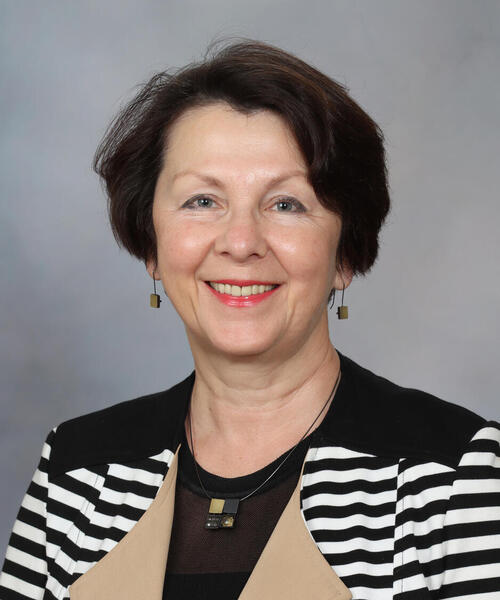
Ana Fiszbein is an Assistant Professor of Biology at Boston University, specializing in gene regulation and RNA processing. Her lab employs high-throughput genomics, bioinformatics, and molecular approaches to study co-transcriptional gene regulation in mammalian systems, with a focus on cancer genomics and therapeutic strategies. She earned her PhD from the University of Buenos Aires and leads research on how gene architecture influences transcriptional programs. Her research interests include understanding the interplay between transcription and splicing, particularly through phenomena like Exon-Mediated Activation of Transcription Starts (EMATS). The lab develops computational tools like evopython to predict gene regulatory networks and designs strategies to manipulate gene expression for therapeutic applications. Current projects explore promoter-driven RNA processing decisions, transcriptional interference between promoters, and the connection between transcript initiation and termination. The lab actively recruits undergraduate, graduate, and postdoctoral researchers. Key findings include the discovery of hybrid exons and splicing-dependent transcriptional control mechanisms.
Jeffrey Gavornik is an Assistant Professor of Biology Education at Boston University's College of Arts & Sciences, Department of Biology. He leads the Gavornik Lab, focusing on understanding synaptic plasticity mechanisms underlying cortical function and predictive neural processing. His research integrates experimental and computational approaches to study how experience shapes neural circuits, particularly in visual cortex regions. PhD: University of Texas at Austin Email: gavornik@bu.edu Phone: (617) 358-0444 Research Interests: Cortical circuits, synaptic plasticity, neural representation of time, and visual perception. His lab explores how past experiences influence predictive coding in sensory cortices, using mouse models and optogenetic techniques. Recent work includes studies on M2 receptor roles in sequence learning and estrous cycle effects on visual plasticity. Publications span topics like neural error signaling in V1, ketamine's role in cortical plasticity, and computational models of temporal coding. The lab collaborates widely, with publications in Neuron , Cell Reports , and Current Biology . Positions available: Undergrad/PhD/postdoc opportunities in lab techniques, behavioral neuroscience, and computational modeling.
Scott E. Schaus is a Professor of Organic and Medicinal Chemistry at Boston University. He leads the Schaus Group, focusing on enantioselective catalytic methodologies and biomedical research. His work spans development of novel synthetic techniques, including boronate catalysis and asymmetric Mannich reactions, as well as translational science targeting cancer and neglected tropical diseases. Collaborations with the Boston University Center for Molecular Discovery (CMD-BU) drive advancements in chemical library synthesis and drug discovery. Education: B.A. in Chemistry (Boston University, 1995; summa cum laude), Ph.D. in Organic Chemistry (Harvard University, 1999) Research: Specializes in catalytic asymmetric synthesis, natural product construction, and antiparasitic/anticancer drug development. Notable projects include liver cancer treatments with Prof. Ulla Hansen and work on Chagas disease. His lab has produced 20 Ph.D. graduates and 3 postdocs since 2001, with alumni in academia, pharmaceutical R&D, and industry. Current interests include expanding catalytic methodologies and applying chemical synthesis to biomedical challenges. The Schaus Group actively explores small molecule inhibitors, with a focus on LSF transcription factor pathways and antiviral agents.
Vladimir Coric, MD, is an Associate Clinical Professor of Psychiatry at Yale School of Medicine and Chief Executive Officer of Biohaven Pharmaceutical Holding Company. He specializes in neurodegenerative diseases, clinical trials, and drug development, with a focus on Parkinson’s, Alzheimer’s, and ataxia. His research involves developing composite scales for disease progression assessment and evaluating therapies like troriluzole and taldefgrobep alfa. Education: MD from Wake Forest University (1996), Yale Psychiatry Residency (2000), and Chief Resident at the National Center for PTSD (2000). Awards include the 2018 Ernst & Young Entrepreneur of the Year (New York region). He has authored over 90 publications, emphasizing neurology, clinical pharmacology, and translational medicine. Key roles: Leader in Biohaven’s clinical-stage biopharmaceutical efforts targeting neurological disorders. His work bridges academia and industry, focusing on unmet medical needs in neurology. Collaborations include studies on biomarkers, disease progression metrics, and novel drug candidates.
Mette Nyegaard is a Professor in the Department of Health Science and Technology at Aalborg University, within The Faculty of Medicine. Her research focuses on genetics and genomics, with over 25 years of expertise linking genetic variation to phenotypes in both rare and common complex diseases. She has a strong interest in gender medicine and women’s reproductive health, particularly leading Denmark’s contribution to the largest genome-wide association analysis of endometriosis. Nyegaard has held external positions, including Associate Professor roles at Aarhus University and Senior Scientist at Aarhus University Hospital. Education: PhD in Human Genetics, University of Southern Denmark (2003) MSc in Chemistry-Biotechnology, Aarhus University (1997) Research Interests: Nyegaard’s work spans genetics, genomics, GWAS, endometriosis, coronary artery disease, and personalized medicine. Her research emphasizes translating genetic insights into clinical applications, such as polygenic risk scores and biomarker development. She collaborates internationally, with projects addressing calmodulinopathies, cardiovascular genetics, and reproductive health. Projects & Grants: Lead PI on projects like 'Understanding the Genetic Architecture of Common Complex Diseases' and 'FEMaLe: Finding Endometriosis Using Machine Learning.' Co-Investigator in studies like 'The Deadly, the Deleterious, and the Dangerous – Decoding the Differential Pathogenicity among CALM1, CALM2, and CALM3.' Labs/Teams: Nyegaard’s work is part of interdisciplinary teams at Aalborg University and collaborating institutions, focusing on genomic medicine, endometriosis, and cardiovascular genomics. She contributes to initiatives like Neuroboost and the International Calmodulinopathy Registry.
Emmanuel Pothos is an Associate Professor at Tufts University School of Medicine in the Department of Immunology. His research explores the cellular and molecular mechanisms of synaptic neurotransmission in the midbrain and its catecholaminergic projections, with a focus on neurochemistry and molecular biology of disorders like obesity, drug addiction, psychotic disorders, and Parkinson’s disease. He leads a lab studying the plasticity of CNS catecholamine quantal size and its pharmacological intervention potential. Doctor of Philosophy, Princeton University, 1994 Master of Arts, Princeton University, 1990 Bachelor of Arts, University of Athens, 1988 His publications span neuroscience, neuroendocrinology, and translational medicine, addressing topics such as insulin signaling in astrocytes, dopamine turnover in obesity, and genetic models of dyskinesia. He has secured significant grants from NIH, Pfizer, and other foundations to investigate preclinical interventions for obesity, addiction, and neurodegenerative diseases. Astrocyte-derived signals and mental illness (NIH, 2021–2026) Intranasal delivery of GDNF for opioid relapse prevention (CTSI, 2020–2022) MCH antibody therapy for IBD (Pfizer, 2018–2019) He teaches courses in Addiction Medicine, Translational Pharmacology, and Graduate Research at Tufts, and has presented at conferences including the Society for Neuroscience Annual Meeting and Tufts Talks Obesity Seminar Series. His work bridges neurobiology, metabolic disorders, and public health policy.
María Llorens-Martín is a Tenured Senior Researcher at the Spanish Research Council (CSIC) and a Group Leader at the Center for Molecular Biology Severo Ochoa (CBMSO). Her academic career spans roles including Assistant Professor at the Universidad Autónoma de Madrid (UAM) under the ‘Ramón y Cajal’ tenure-track program, postdoctoral research at the University of Tsukuba (Japan), and fellowships from CSIC, CIBERNED, and the Japan Society for the Promotion of Science. B.Sc. in Biology, Universidad Complutense de Madrid (UCM) (2004) M.Sc. in Neurosciences, UCM (2006) Ph.D. in Neurosciences, UCM (‘Sobresaliente Summa Cum Laude’) (2009) Her research focuses on adult hippocampal neurogenesis in health and neurodegenerative diseases like Alzheimer’s. Key areas include the impact of exercise on brain aging , tau protein regulation , and GSK-3β signaling in neuronal morphology . She has pioneered protocols for studying human hippocampal neurogenesis and demonstrated its decline in Alzheimer’s patients. Her work has been published in top-tier journals including Science , Nature Medicine , and Molecular Psychiatry , with high citations (h-index: 34). She has supervised multiple PhD students and received prestigious awards like the Miguel Catalán Young Investigator Award and induction into the Spanish Young Academy. Extraordinary award ‘Best Doctoral Dissertation’ (UCM, 2009) Young Investigator Award (CBMSO, 2013) National Young Investigator Award (CIBERNED, 2013) Miguel Catalán Young Investigator Award (2019) Young Female Talent in Biology (Spanish Royal Academy of Sciences, 2019) Full Member, Spanish Young Academy (2021) As a Group Leader at CBMSO, she supervises ongoing doctoral research and leads projects exploring the cellular mechanisms of neurodegeneration and neuroplasticity. Her lab focuses on translating findings into therapeutic strategies for Alzheimer’s and other neurodegenerative disorders.
Bin Chen is the McNeil Research Professor and Director of the Graduate Program in Pharmacology/Toxicology in the Department of Pharmaceutical Sciences. His research focuses on photodynamic therapy (PDT) mechanisms, tumor porphyrin metabolism, and enhancing PDT efficacy through molecular targeting. He holds a PhD from the University of Leuven, Belgium, and has contributed to over a dozen influential studies in cancer therapy and PDT. Education: Bachelor of Science (BS), Nanjing University of Chinese Medicine Master of Science (MS), Nanjing University of Chinese Medicine Doctor of Philosophy (PhD), University of Leuven, Belgium Research Interests: Mechanisms of anticancer agents, particularly photosensitizing agents. Photodynamic therapy (PDT) enhancement via molecular pathways like PI3K and ABCG2 transporters. Role of porphyrin metabolism (e.g., protoporphyrin IX) in tumor detection and treatment. Fluorescence-guided resection and PDT applications in oncology. Article Trends: Focus on ALA-mediated protoporphyrin IX fluorescence and PDT efficacy. Investigation of ABCG2 transporters, PI3K signaling, and enzyme deficiencies affecting PDT response. Analysis of vascular vs. tumor cell responses to PDT agents like verteporfin. Awards and Grants: No awards or grants explicitly mentioned in the text. Advising and Labs: Leads a research lab focusing on PDT mechanisms and tumor metabolism. Advises students in pharmacology/toxicology programs but no explicit student names are listed.
Ricardo Benavente is an Extraordinary Professor and Academic Director in the Department of Cell and Developmental Biology at the University of Würzburg's Biocenter. He leads the Benavente Lab, focusing on meiotic processes and synaptonemal complex (SC) structure. His career includes a Dr. med. from the University of Heidelberg, a habilitation (Dr. rer. nat. habil.), and postdoctoral work as an Alexander von Humboldt Fellow at the German Cancer Research Center. Research interests center on the functional organization of the cell nucleus during meiosis, particularly the synaptonemal complex and telomere dynamics. Techniques used include super-resolution microscopy and electron tomography, applied to mouse models and comparative studies across metazoans. Key findings include insights into SC protein conservation and meiotic chromosome behavior. Publications highlight structural studies of SC components (e.g., SYCP proteins), telomere-nuclear envelope interactions, and evolutionary aspects of meiosis. He contributed to the Latin-American Academy of Sciences since 2001 and collaborates with institutions like Uruguay's Clemente Estable Institute. His work bridges molecular mechanisms of meiosis with evolutionary biology, emphasizing structural and functional insights into genetic variability.
Stephen Dewhurst, Ph.D., is Vice President for Research and Chief Research Officer at the University of Rochester (UR) and Vice Dean for Research at the UR School of Medicine and Dentistry (SMD). He holds a professorship in the Department of Microbiology and Immunology (SMD). His administrative roles include former department chair (2009–2021), SMD Senior Associate Dean for Basic Research (2007–2009), and codirector of UR’s Center for AIDS Research (2008–2020). Dr. Dewhurst’s research focuses on virology, with 30+ years’ experience including HIV neuropathogenesis, vaccine development, and innate immune responses. He leads NIH-funded programs in graduate education and Deaf postdoctoral training. His mentorship has guided 29 Ph.D. students, 16 postdoctoral fellows, and >100 undergraduates, earning awards like the William H. Riker Award (2008) for graduate education. Key scientific contributions include HIV humanized mouse models, antiviral therapeutics, and MLK inhibitors for neuroinflammation. His patents span viral vectors, integrin-binding monobodies, and influenza vaccines. Awards include membership on NIH study sections (e.g., HIV Immunopathogenesis) and editorial roles in virology journals.
Emilyn U Alejandro is an Associate Professor in the Department of Physiology at the University of Minnesota, affiliated with the Healthy Weight Research Center and Lillehei Heart Institute. Her research explores molecular mechanisms linking nutrient sensing to metabolic health across developmental and chronic disease contexts. Research Interests: Focus on post-translational modifications (e.g., O-GlcNAc Transferase) regulating pancreatic beta-cell function, mTOR nutrient-sensing pathways, placental development in intrauterine growth restriction, and circadian disruption's impact on glucose homeostasis. Article Trends: Recent work examines diabetes type 2 progression through autophagy regulation, placental insulin signaling's role in offspring metabolism, and stress sensor proteins in fetal growth restriction. Key methodologies include mouse models, molecular profiling, and systems biology approaches. Students: Mentors graduate student Her, T. K. on metabolic health projects. Grants: Leads NIH-funded initiatives on diabetes research, placental nutrient transport, and systems biology training programs. Labs/Teams: Collaborates with Lillehei Heart Institute researchers and contributes to the Healthy Weight Research Center's interdisciplinary efforts.
Lance A. Johnson, PhD, is an Associate Professor in the Department of Physiology at the University of Kentucky College of Medicine. He is also affiliated with the Sanders-Brown Center on Aging and the Nutritional Sciences Graduate Faculty. His research focuses on the role of Apolipoprotein E (APOE) in cerebral metabolism and neurodegeneration, particularly in Alzheimer’s disease. Department: Department of Physiology School: College of Medicine Institution: University of Kentucky Lab: Johnson Lab, Healthy Kentucky Research Building Dr. Johnson’s research investigates how APOE isoforms, especially APOE4, influence brain metabolism through glial contributions. His lab uses transcriptomic and metabolomic techniques across models—from cells to mice to humans—to identify early metabolic dysregulations. Key projects include studying the pentose phosphate pathway, lipid droplet dynamics, and developing the novel APOE 'switch mouse' model to test therapeutic replacement of APOE4 with neuroprotective APOE2. His recent publications span neuroscience, oncology, metabolism, and clinical research. Notably, he co-authored a 2024 Science perspective on APOE and IDO1 in Alzheimer’s, and contributed to studies in Nature on cancer metastasis and Nature Nanotechnology on gene-editing nanoparticles. These reflect a broad interdisciplinary impact, though his core focus remains on brain aging and metabolic resilience. Scientific contributions include: Development of the APOE 'switch mouse' model Creation of the APOE Immunometabolism Database Leadership in multi-lab collaborations (e.g., with Morganti and Sun labs) Dr. Johnson mentors a diverse team of PhD candidates, MD/PhD students, and research analysts. He serves as Director of Graduate Studies in Physiology, indicating active academic leadership. He has not received any explicitly mentioned awards in the provided text. His lab recently relocated to expanded space in the Healthy Kentucky Research Building, supporting ongoing growth. No part-time status or retirement indications are present.
Eugenia Trushina, Ph.D., is a Professor of Neurology and Pharmacology at Mayo Clinic in Rochester, Minnesota, where she serves as a Consultant in the Department of Neurology and the Department of Molecular Pharmacology and Experimental Therapeutics. Her research is centered on mitochondrial dysfunction in neurodegenerative diseases such as Alzheimer's and Huntington's disease, aging, and chemotherapy-induced neuropathy. Ph.D. in Chemistry, Saratov State University Postdoctoral Fellowship, Department of Molecular Pharmacology and Experimental Therapeutics, Mayo Clinic Dr. Trushina’s research focuses on the molecular mechanisms of mitochondrial dynamics and function in neurons, particularly how environmental toxins, genetic factors, and chemotherapy drugs contribute to neurodegeneration. Her lab is developing biomarkers for early detection of mitochondrial dysfunction and testing mitochondria-targeted therapeutics to reverse neurodegeneration. Recent work emphasizes mitochondrial complex I inhibition, metabolomics in inclusion body myositis, and neuroprotective small molecules in Alzheimer’s models. Her publication and grant activity show a strong trend in targeting mitochondrial pathways—such as mitophagy, oxidative stress, and metabolic dysregulation—for therapeutic intervention in neurodegenerative and age-related disorders. This includes both preclinical models and translational biomarker development. Dr. Trushina’s research has been funded by: National Institute on Aging (NIA) National Institute of Neurological Disorders and Stroke (NINDS) Mayo Clinic Alzheimer's Disease Research Center Alzheimer Drug Discovery Foundation American Health Assistance Foundation She has served as Principal Investigator (PI) and Co-PI on multiple NIH grants, including ongoing projects on mitochondrial complex I as a neuroprotective target and the role of chronic alcohol exposure in Alzheimer’s pathophysiology. She mentors junior researchers and collaborates across disciplines, though specific student names are not listed. Her work is conducted within the Mitochondrial Neurobiology and Therapeutics research group at Mayo Clinic.
Alexander Margaret is an Assistant Professor in the Department of Medical Microbiology and Immunology at the University of Wisconsin–Madison, School of Medicine and Public Health. She leads an independent research laboratory focused on understanding how diet, gut microbiota, and immune responses interact to influence autoimmune diseases. Her lab employs advanced techniques including gnotobiotic mouse models, anaerobic microbiology, sequencing, and metabolic assays to uncover mechanistic insights into host-microbe interactions. Dr. Alexander earned her PhD in Biology from the University of Utah, where she studied immune cell communication under Dr. Ryan O’Connell. She completed her postdoctoral training at the University of California, San Francisco, with Dr. Peter Turnbaugh, investigating how autoimmune-related microbiota members modulate immune responses. She launched her independent research program at UW–Madison in January 2024. Her research focuses on two major themes: (1) microbiota-dependent mechanisms by which diets modulate immune responses in autoimmunity, and (2) targeting dietary interventions by understanding how disease-associated microbes influence immunity. These efforts are supported by grants from the NIH NIAID (R00), the Shaw Early Career Research Award (Greater Milwaukee Foundation), and internal funding from the University of Wisconsin–Madison (OVCRGE, SMPH, MMI). The articles published by Dr. Alexander and her collaborators reveal a strong trend in immunometabolism and microbiome-immune crosstalk. Her work consistently explores how host and microbial metabolites—shaped by diet or drugs—regulate immune cell function, particularly Th17 cells, in inflammatory and autoimmune contexts. The research spans basic microbial physiology to translational applications in precision medicine. NIH NIAID R00 Shaw Early Career Research Award (Greater Milwaukee Foundation) Dr. Alexander mentors a dynamic team of graduate students, postdoctoral scholars, and undergraduate researchers. Lab members include Wenxuan Dong (Biophysics PhD), Gillian Hughes (MDTP PhD), Bethany Korwin-Mihavics (Postdoc), and Chi (Felix) Yan (Postdoc). She emphasizes structured mentorship through weekly 1:1 meetings, annual Individual Development Plan (IDP) discussions, and a collaborative lab culture that values creativity, curiosity, and open communication. While she does not currently have grants listing named trainees, her lab is actively involved in training the next generation of scientists in interdisciplinary approaches to immunology and microbiome research. The Alexander Lab is based in the Microbial Sciences Building at UW–Madison and fosters a vibrant, collaborative environment. The lab team investigates complex systems using diverse methodologies and encourages interdisciplinary collaboration. Though newly established, the lab has already initiated traditions such as lab picnics, art days, and social gatherings to build camaraderie. The lab culture emphasizes celebrating well-designed experiments regardless of outcome, learning from mistakes, and maintaining a supportive atmosphere for scientific growth.
Han Li is a permanent researcher and structural leader at the Institut Pasteur in Paris, affiliated with the team Membrane, Cytosquelette et Division Cellulaire under the Department of Cell Biology and Infection. Han Li leads research projects focused on cellular plasticity in aging and cancer, exploring mechanisms of cellular reprogramming, senescence, and regeneration. Research Interests: Cellular reprogramming and stem cell biology Mechanisms of aging and cellular senescence Aberrant plasticity in cancer development In vivo models of tissue regeneration Gene regulation in pluripotency (e.g., Sox2) The recent publications highlight work in in vivo reprogramming, particularly in skeletal muscle, using mouse models to study how injury-induced senescence can be leveraged for regenerative purposes. The research bridges fundamental cell biology with implications for regenerative medicine and oncology. Scientific Contributions: Pioneering studies on injury-induced senescence enabling reprogramming Development of assays for detecting senescence during reprogramming Exploration of p27 and Sox2 in dysplastic cell states Han Li supervises PhD students and postdoctoral researchers, contributing to training the next generation of scientists in cell and developmental biology. The work is supported by institutional funding and collaborative initiatives at Institut Pasteur, including LabEx Revive in regenerative biology. Laboratory and Team: The research is conducted within a dynamic team studying cell division, cytoskeleton, and cellular identity, with access to advanced core facilities including organ-on-chip and animal models.