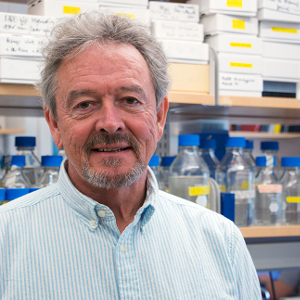
Malcolm Maden is a Professor in the Department of Biology, College of Liberal Arts and Sciences at the University of Florida. He is based in Bartram Hall and the Cancer & Genetics Research Complex in Gainesville, Florida. Research Interests Developmental and regenerative biology of limb, lung, skin, and nervous system Retinoic acid signaling in pattern formation and regeneration Comparative regeneration using axolotls and spiny mice (Acomys cahirinus) Scar-free wound healing and multi-tissue regeneration in mammals His overarching hypothesis is that regeneration recapitulates development and can be enhanced by re-activating embryonic signaling pathways, especially those mediated by retinoic acid. Publication Trends From 2020 to 2025 Maden has published extensively on the spiny mouse as a novel mammalian model for regeneration. His articles explore spinal cord recovery, cardiac repair, skin and appendage regeneration, neural stem cell abundance, and aging-related changes. A consistent theme is the comparison between scar-forming (mouse) and scar-free (spiny mouse) responses, illuminating molecular targets for therapeutic intervention. Laboratory & Affiliations Principal Investigator, Maden Laboratory, University of Florida Affiliate, Cancer & Genetics Research Complex Member, College of Liberal Arts and Sciences
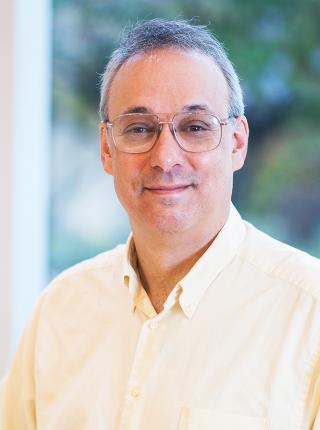
Warren D. Kruger is a Professor in the Cancer Signaling and Microenvironment program at Fox Chase Cancer Center, part of Temple University Health System. His research focuses on amino acid genetics and human disease, particularly methionine metabolism and its role in cancer and metabolic disorders. He leads an active laboratory studying the methionine salvage pathway gene MTAP and cystathionine beta-synthase (CBS) deficiency using mouse models. Educational Background: BA in Biology, Cornell University, Ithaca, NY (1985) PhD in Genetics, University of California at San Francisco, San Francisco, CA (1991) Dr. Kruger's research centers on understanding how mutations affecting key enzymes in methionine metabolism cause disease. His lab investigates four major projects: the role of MTAP in tumorigenesis, targeting MTAP-loss for cancer therapy, mouse models for CBS deficiency, and alterations in serum amino acids in renal cell carcinoma. His work has significant implications for understanding metabolic pathways connecting folate/nucleotide biosynthesis, sulfur and redox metabolism, choline and lipid metabolism, and methylation reactions involving S-adenosylmethionine. Analysis of Dr. Kruger's recent publications reveals a strong focus on CBS deficiency and MTAP deletion in cancer. His research employs mouse models, metabolic profiling, and therapeutic development approaches. Key trends include developing gene therapy for metabolic disorders, identifying biomarkers for renal cell carcinoma, and exploring novel cancer therapies targeting metabolic vulnerabilities. Scientific Awards: American Heart Association Researcher Award (2006) Elected President of Fox Chase Cancer Center Faculty Senate (2010) Dr. Kruger leads an active research laboratory with several senior staff members including Sapna Gupta, PhD (Senior Research Associate), Baiqing Tang, PhD (Senior Research Associate), Hyung-Ok Lee, PhD (Assistant Research Professor), and Liqun Wang, MD (Senior Technical Specialist). His lab has received significant funding for research on methionine metabolism, CBS deficiency, and MTAP deletion in cancer. Current projects include developing novel therapeutic approaches for homocystinuria and exploring metabolic vulnerabilities in cancer cells. The Kruger lab maintains four major research areas focused on methionine metabolism: understanding the role of MTAP in tumorigenesis, developing the MTA protection strategy for cancer therapy, creating mouse models for CBS deficiency, and investigating serum amino acid alterations as biomarkers for renal cell carcinoma. The lab employs advanced techniques including metabolic profiling, gene therapy approaches, and sophisticated molecular analyses to address these research questions.
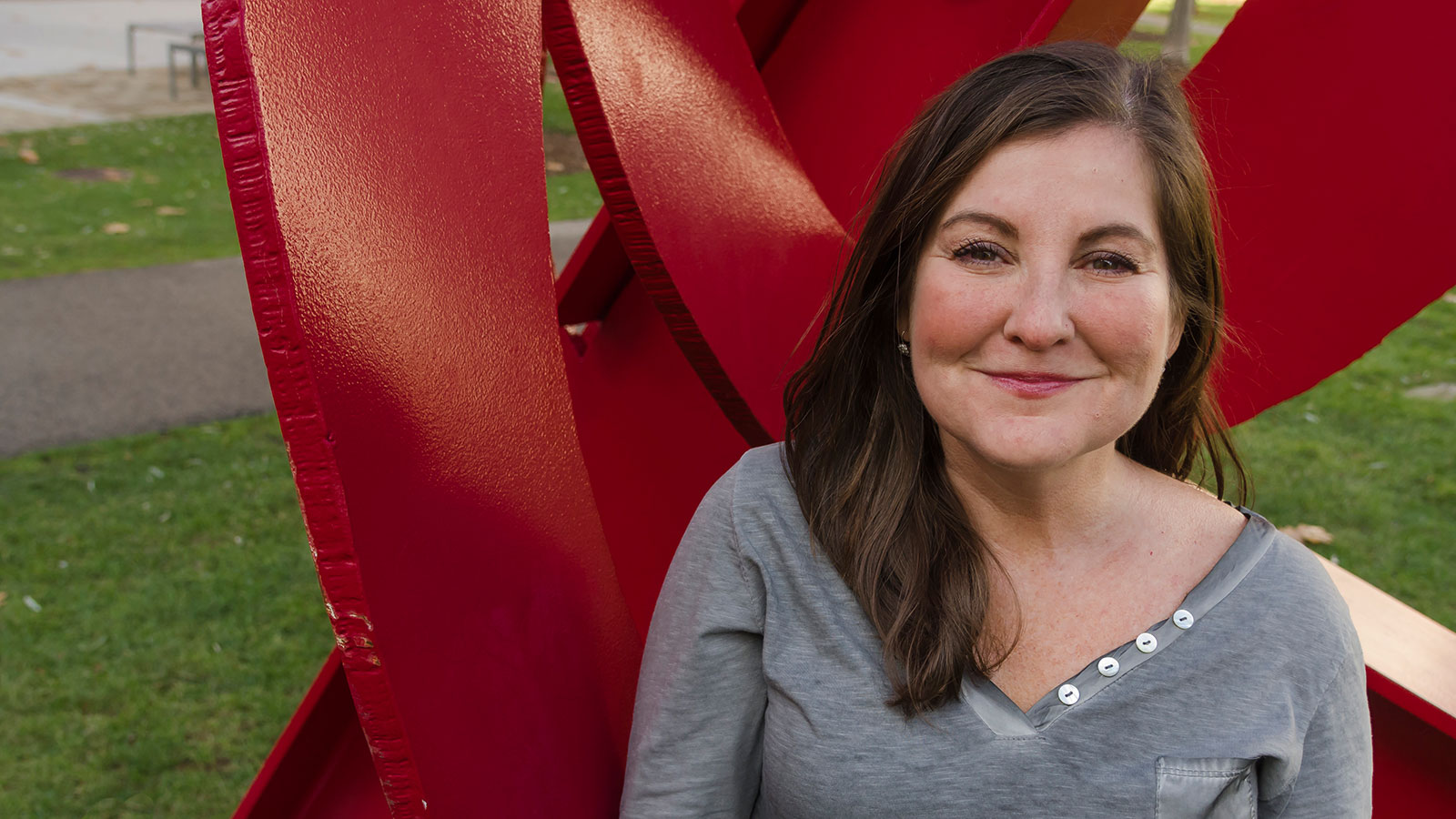
Srividya Kidambi is a Professor of Medicine and Chief of the Division of Endocrinology and Molecular Medicine at the Medical College of Wisconsin (MCW) and Froedtert Hospital. She holds an MS in Epidemiology from MCW and an MBBS from Gandhi Medical College in India, with postdoctoral training in Physiology and Endocrinology at MCW and the University of Wisconsin-Madison. Research Interests : Dr. Kidambi investigates the role of body fat distribution in obesity-related diseases , focusing on why some obese individuals remain metabolically healthy while others develop diabetes or cardiovascular issues. Her work explores the protective effects of peripheral fat storage versus visceral adiposity, linking these patterns to hormonal and cellular mechanisms. Clinical Expertise : She specializes in managing obesity-related complications including type 2 diabetes, dyslipidemia, hypertension , and adrenal disorders. As Director of the TOPS Obesity and Metabolic Research Center and Medical Director of the Comprehensive Weight Loss Program, she advocates for multidisciplinary, patient-centered care . Leadership Roles : Dr. Kidambi serves as Associate Chief Medical Officer for Medical and Procedural Specialties at Froedtert & MCW, and contributes to grant review committees for the American Heart Association and American Diabetes Association. She actively mentors faculty and has served on multiple academic committees since 2008.
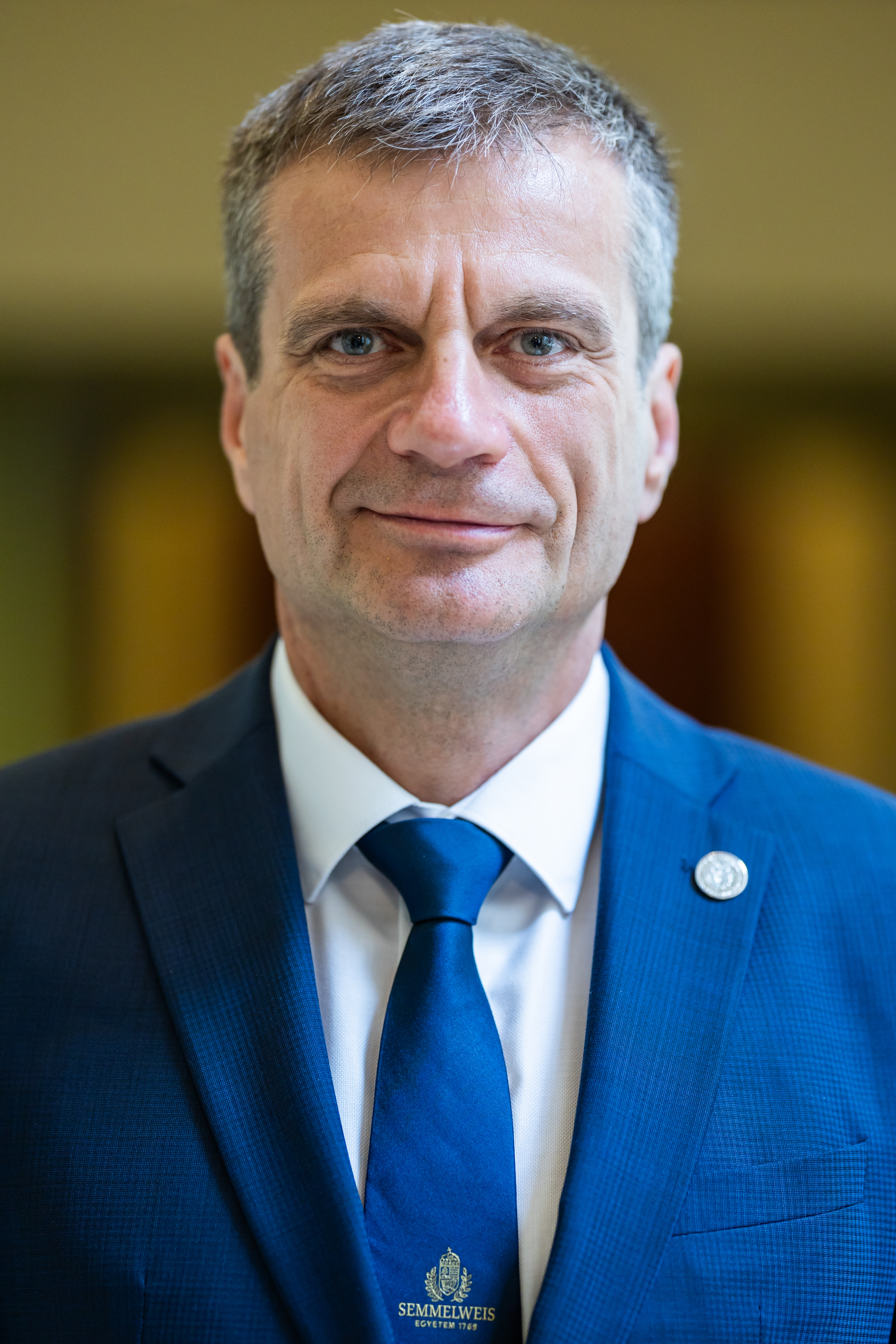
Péter Ferdinandy is a Professor of Pharmacology and former Vice Rector for Science & Innovations at Semmelweis University, Budapest. He concurrently holds a part-time professorship in Biochemistry at the University of Szeged. His roles include leading the Department of Pharmacology and Pharmacotherapy at Semmelweis and directing the Cardiovascular Research Group at Szeged. He is also the founder and CEO of Pharmahungary Group, a biotech company focused on R&D. Dr. Ferdinandy’s research focuses on molecular mechanisms of cardioprotection in comorbidities, translational cardiovascular sciences, and drug cardiotoxicity. His work bridges basic science and clinical applications, with emphasis on ischemia/reperfusion injury, diabetic cardiomyopathy, and immune checkpoint inhibitor-induced cardiotoxicity. Key achievements include being listed as a Highly Cited Researcher (2014–2024) and receiving the 1999 Young Investigator Award. He has held leadership roles in international societies, including chairing the ESC Working Group on Cellular Biology of the Heart and serving as president of the ISHR European Section. His educational background includes medical training, a PhD, and an MBA. He has contributed to over 200 publications, focusing on cardioprotective microRNAs (protectomiRs), drug development, and cardiovascular pharmacotherapy strategies. Current research explores therapeutic targets for heart failure and biomarkers for drug-induced cardiotoxicity.
Associate Professor Leszek Lisowski is affiliated with the Children's Medical Research Institute (CMRI) at the University of Sydney. He holds the roles of Conjoint Senior Lecturer and Associate Professor, focusing on viral vector development for gene therapy applications, particularly using adeno-associated viruses (AAV). His research emphasizes enhancing AAV tropism for liver, cardiac, and CNS targets, with a strong focus on translational medicine. Key research areas include AAV capsid engineering, optimization of liver and cardiac gene delivery, and applications in neurodegenerative diseases like amyotrophic lateral sclerosis. He leads projects funded by grants such as the NHMRC Ideas Grant and the Cure4 Cystic Fibrosis Foundation. Current research student Ahmad Hammoud is investigating novel AAV capsids for cardiac gene therapy. His work spans collaborations in optogenetics, CAR-T cell engineering, and liver perfusion models. Notable publications highlight advancements in AAV genome structure, liver fibrosis impact on gene transfer, and hydrogel-mediated viral vector protection. His contributions bridge virology, molecular biology, and clinical translation, aiming to address unmet needs in genetic disorders and cancer therapies.
Laurie A. Boyer is a Professor of Biology and Biological Engineering at the Massachusetts Institute of Technology (MIT), affiliated with the Koch Biology Building. She serves as Co-Undergraduate Officer and leads research on gene regulatory mechanisms in heart development and regeneration using embryonic stem cells and mouse models. Her work integrates genomic, genetic, biochemical, and cell biological approaches to understand chromatin dynamics and lineage commitment, with applications in cardiac tissue engineering and regeneration. Education: PhD, 2001, University of Massachusetts Medical School BS, 1990, Biomedical Science, Framingham State University Research Interests: Dr. Boyer’s research focuses on the interplay between chromatin remodeling, epigenetic regulation, and transcriptional networks that drive heart development. She investigates how ATP-dependent chromatin remodelers influence lineage specification and explores methods to stimulate cardiac regeneration. Her lab combines advanced genomic techniques with tissue engineering to model 3D cardiac architecture, aiming to uncover regulatory circuits underlying normal and diseased heart development. Publications: Her recent work includes breakthroughs in high-throughput expansion microscopy for scalable super-resolution imaging, metabolic modulation of mesenchymal stem cells for cartilage repair, and the role of long noncoding RNAs like Braveheart in cardiovascular lineage commitment. These studies span molecular mechanisms of chromatin dynamics to translational applications in regenerative medicine. Awards & Honors: Pew Scholars Award in the Biomedical Sciences (2008) Smith Family Award for Excellence in Biomedical Science (2009) Scientific American World’s 50 Top Leaders in Research (2006) Irvin and Helen Sizer Career Development Award (2012) Grants & Collaborations: Dr. Boyer oversees grants from organizations like the NIH and American Heart Association. She collaborates with teams on interdisciplinary projects, including tissue engineering and stem cell therapies. Her lab also develops innovative microscopy techniques to advance cellular imaging scalability. Labs & Teams: Her laboratory at MIT’s Koch Institute integrates computational biology, bioengineering, and molecular biology. The lab focuses on translating fundamental discoveries into clinical applications for heart disease and regeneration.
Gerhard Sommer is an Associate Professor at the Institute of Biomechanics, Graz University of Technology (Austria), where he has held academic positions since 2003. He is also Vice Dean of Studies for Biomedical Engineering and Doctoral School, and has served as Deputy Head of the Institute since 2014. His expertise spans cardiovascular biomechanics, arterial properties, and material modeling of biological tissues. Education: PhD (2008, TU Graz), Habilitation (2021). Key professional milestones include tenure as Assistant Professor (2018–2023) and Senior Postdoctoral Researcher (2013–2018). He has conducted research at the Royal Institute of Technology (KTH), Sweden, and held visiting professorships in France, Germany, and Croatia. Research focuses on mechanical properties of arteries, atherosclerosis mechanisms, and computational modeling of soft tissues. Notable contributions include studies on homocysteine-induced aortic stiffening and the development of a Cardiac Simulation Device. His work integrates experimental and computational approaches to understand disease progression. Grants include leadership of Austrian Science Fund (FWF) projects on arterial biomechanics and aortic dissection. Awards include the 2022 Best Collaborative Paper Award and the 2014 Inventum Award. Labs: Manages the Biomechanics Laboratory since 2007. Current projects involve investigating B-vitamin deficiency effects on arteries and developing iMooc courses like MetSy for metabolic syndrome education.
Patrick Winter is a Senior Lecturer I in the Department of Bioengineering at the Erik Jonsson School of Engineering and Computer Science, University of Texas at Dallas. His research focuses on advanced MRI techniques, cardiovascular imaging, and nanotechnology applications in molecular imaging. He specializes in developing imaging methodologies for diagnosing vascular diseases like atherosclerosis and aneurysms, with particular emphasis on 4D flow MRI, deep learning algorithms, and nanoparticle-based theranostics. Educations: No formal education details provided in text. Research Interests: His work bridges bioengineering and clinical medicine, addressing challenges in non-invasive disease detection. Key areas include: Development of super-resolution MRI techniques Machine learning applications in medical imaging Targeted nanoparticle delivery systems Quantitative hemodynamic analysis Preclinical cardiovascular modeling Recent articles highlight innovations in: Deep learning-enhanced 4D flow MRI for stroke prediction Ensemble learning for cardiovascular system imaging Multi-modal imaging of aneurysm dynamics Awards: No scientific awards explicitly mentioned in provided texts. Grants/Advising: No grant details or student advisees listed. Collaborations likely focus on interdisciplinary cardiovascular research. Labs/Teams: Engaged in bioengineering labs specializing in MRI technology advancement and nanomedicine applications.
Dr. Florian Sicklinger is a Physician-Scientist and Assistant Doctor in the Department of Cardiology, Angiology and Pulmonology at Heidelberg University Hospital. He has been working at the Medical Clinic of Heidelberg University Hospital since 2021 and has been a Physician-Scientist in the Immunocardiology Research Group under Prof. Dr. med. Florian Leuschner since 2022. Education Medical studies at Heidelberg University (2013-2020) Doctorate at Heidelberg University Hospital (2016-2022), supervised by Prof. Dr. med. Florian Leuschner Research Interests Dr. Sicklinger's research focuses on the role of the immune system in ischemic heart disease and heart valve diseases, as well as the therapeutic modulation of cardiac inflammation and fibrosis. His work bridges clinical cardiology with immunological mechanisms to develop novel therapeutic approaches for cardiac conditions. He has published extensively on immune cell interactions following myocardial infarction, including studies on basophils, endothelial cells, and macrophages. Publication Trends Dr. Sicklinger's publications demonstrate a strong focus on the intersection of immunology and cardiology, with a clear progression toward increasingly sophisticated methodologies. His early work established standardized approaches for cardiac research models, while his more recent publications employ cutting-edge techniques like single-cell transcriptomics and high-throughput screening. His research consistently addresses the immune mechanisms underlying cardiac injury and repair processes across multiple model systems from mice to pigs. Awards and Recognition Postdoc Start-up Grant from the German Center for Cardiovascular Research (2022-2023) DZHK Paper of the Month (2021 and 2020) Otto-Hess Doctoral Scholarship from the German Cardiac Society (2017-2018) Scholarship from the German National Academic Foundation (2013-2020) Research Leadership As a key member of the Immunocardiology Research Group at Heidelberg University Hospital, Dr. Sicklinger has contributed significantly to developing novel methodologies for cardiac research, including minimal-invasive techniques for inducing myocardial infarction and high-throughput echocardiography-guided approaches. His work on immune cell dynamics after cardiac injury has provided important insights into potential therapeutic targets for improving cardiac recovery following myocardial infarction.
Professor Bertie Göttgens is Director of the Cambridge Stem Cell Institute and holds the Chair of Molecular Haematology at the University of Cambridge. He leads a research group focusing on cellular decision-making in blood stem cells and leukaemia. His work integrates experimental and computational approaches, with key contributions to understanding blood development and leukaemia pathogenesis. Current research emphasizes stem cell differentiation dynamics, leukaemogenic mutations, and computational models of haematopoiesis. Education: DPhil in Biological Sciences from the University of Oxford (1994). Postdoc at the University of Cambridge (1994–2001). Subsequent roles included Leukaemia Research Fund Lecturer (2002–2007) and Reader in Haematology (2007–2011) before becoming full Professor in 2011. Research Interests: Mechanisms regulating blood stem cell function Functional consequences of leukaemogenic mutations Single-cell genomics and computational modelling of haematopoiesis Early blood development and progenitor cell differentiation Grants & Funding: Supported by MRC, Wellcome Trust, Blood Cancer UK, Cancer Research UK, NIH, and the Aging Biology Foundation. Over 40 publications in high-impact journals like Cell Stem Cell , Nature , and Nature Cell Biology . Labs/Teams: Directs the Göttgens Group at the Jeffrey Cheah Biomedical Centre, comprising 15+ researchers including PhD students and postdocs. Key lab members include Hiromitsu Harimoto, Tomoya Isobe, and Luke Harland.
Stephen E. Sallan, MD , is a Professor of Pediatrics at Harvard Medical School and a Physician at Dana-Farber Cancer Institute and Children's Hospital . His career spans over five decades in pediatric hematology/oncology , with a focus on acute lymphoblastic leukemia (ALL) and pediatric brain tumors . Education : MD, Wayne State University School of Medicine (1967) Residencies : Boston Floating Hospital (1968), Children's Hospital of Philadelphia (1969), Hospital for Sick Children, London (1970) Fellowship : Pediatric Oncology, Children's Hospital/DFCI (1972) Leadership Roles : Chief of Staff (1995), Chairman of Medical Staff Executive Committee (1995), Chief of Staff Emeritus (2012) Dr. Sallan's research integrates genetic heterogeneity , disease recurrence , and drug resistance in ALL, with efforts to develop targeted therapies like tumor vaccines and antiangiogenesis agents. His work addresses long-term treatment toxicities (cardiac, skeletal, neurocognitive), particularly in survivors of childhood cancers. His 15 most recent publications (2024–2018) demonstrate ongoing engagement with pharmacogenomics, thrombosis risk models, dietary interventions, and molecular markers in brain tumors. Key subfields include TRK-C in medulloblastoma , asparaginase complications , and DFCI ALL Consortium Protocols . Scientific Awards : Distinguished Alumni Award, Wayne State University School of Medicine (1997) James Carreras Prize for International Pediatrician of the Year (1987) As a leader in pediatric leukemia research , Dr. Sallan has shaped treatment protocols that minimize late effects while improving survival. He collaborates with multidisciplinary teams in neuro-oncology and pharmacogenomics, maintaining active roles in clinical trials and laboratory investigations.
Dr. Ayşegül Doğan is an Associate Professor in the Department of Genetics and Bioengineering at Yeditepe University's Faculty of Engineering, with promotion to full Professor scheduled for 2025. Her academic journey began with dual undergraduate degrees in Biology and Molecular Biology and Genetics at Istanbul University, followed by Master's and PhD studies in Biotechnology at Yeditepe University. Her educational background includes: PhD in Biotechnology (2011-2015), Yeditepe University - Thesis: "A novel chemotherapeutic drug combination for prostate cancer" Master's in Biotechnology (2009-2011), Yeditepe University - Thesis: "Effect of P85, F68 and F127 pluronic block copolymers on osteogenic, chondrogenic and adipogenic differentiation of human tooth germ stem cells (HTGSCs)" Undergraduate degrees in Biology and Molecular Biology and Genetics (2005-2009), Istanbul University Dr. Doğan's research spans multiple frontiers of stem cell biology and regenerative medicine. Her work particularly focuses on: Stem cell differentiation mechanisms and signaling pathways Organoid development for regenerative medicine applications Boron compounds in wound healing and tissue regeneration Cancer treatment using novel drug combinations Stem cell applications in reproductive medicine and endocrinology Analysis of her recent publications reveals an increasing emphasis on stem cell-derived organoids, with particular expertise in parathyroid function, adipose tissue engineering, and neural differentiation. Her research demonstrates sophisticated approaches to creating functional tissue models from pluripotent stem cells, with strong translational potential. Her scientific recognition includes: Multiple patents related to stem cell technology and wound healing formulations Patent Bronze Medal from ISIF and Turkish Patent Institute TÜBA-GEBİP award from the Turkish Academy of Sciences Department and Faculty First Prizes from Istanbul University Dr. Doğan actively mentors graduate students, with seven Master's and PhD theses completed under her supervision in recent years. She serves as principal investigator for multiple research projects funded by TÜBİTAK and other institutions, with current work focusing on stem cell applications in regenerative medicine. Her laboratory develops novel stem cell-based therapies and tissue engineering approaches, with particular emphasis on neuromesodermal progenitors and their therapeutic applications. She maintains active membership in professional organizations including the London Stem Cell Network, AACR, and the International Society for Stem Cell Research (ISSCR).
Dr. Philip Bittihn serves as Group Leader and Scientist at the Max Planck Institute for Dynamics and Self-Organization in Göttingen, Germany, heading the Emergent Dynamics in Living Systems research group within the Department of Living Matter Physics. His work bridges physics and biology to decipher complex emergent behaviors in biological systems through innovative interdisciplinary approaches. His research spans nonlinear dynamics in biological systems , initially focusing on cardiac arrhythmia mechanisms where he identified novel termination strategies for life-threatening rhythms through topological defect analysis. Current work centers on growth-driven phenomena in cellular active matter , investigating mechanical interactions, expansion flows, orientational order, and shape development coupled with gene regulation and metabolism. He employs reaction-diffusion modeling, synthetic biology, and microfluidic experimentation to study pattern formation in microbial colonies and cardiac tissue. Analysis of recent publications reveals a dominant trend toward active matter physics in multicellular systems , particularly geometry-induced nematic order, phase separation in proliferating matter, and nutrient-mediated antibiotic responses. His group consistently explores how non-equilibrium growth processes generate complex patterns, with increasing emphasis on mechanical stress anisotropy and motility-induced transitions in confined cellular environments. The Emergent Dynamics in Living Systems group operates at the physics-biology interface, utilizing genetically engineered E. coli models (as demonstrated in their Nature Microbiology 2020 work on oscillating growth patterns), advanced microfluidic chambers, and computational frameworks to investigate fundamental principles of biological organization with potential biomedical applications.
Caius Radu, M.D., is a full Professor in the Departments of Molecular and Medical Pharmacology and Surgery at the University of California, Los Angeles (UCLA). He also serves as Vice-Chairman of the Department of Molecular and Medical Pharmacology and as Co-Director of the Cancer Molecular Imaging, Nanotechnology, and Theranostics Research Program (CMINT) within the Jonsson Comprehensive Cancer Center. Education: M.D., University of Medicine, Craiova, Romania Postdoctoral training in immunology and cancer biology, University of Texas Southwestern Medical Center (Dallas) Postdoctoral training at UCLA under the mentorship of Dr. Owen Witte Research Interests: Dr. Radu's laboratory investigates the intersection of metabolic signaling , nucleotide metabolism , and immune networks in cancer, with a translational focus on molecular imaging and theranostic applications. Key efforts include elucidating novel mechanisms regulating nucleotide metabolism in pancreatic and prostate cancers, identifying actionable co-dependencies, and developing non-invasive imaging probes that predict therapeutic response. The group integrates rigorous pre-clinical mouse models with cutting-edge PET imaging to accelerate bench-to-bedside translation. Current projects revolve around STING pathway activation , PSMA-targeted radioligand therapy , CD73 adenosine blockade , mutant KRAS inhibition , and mRNA cancer vaccines . These multi-pronged strategies aim to overcome tumor immune evasion, enhance cytotoxic therapies, and personalize treatment selection. Recent Publication Trends: From 2020-2025, the Radu group has published extensively on synergistic combination therapies that pair immune checkpoint modulation with targeted metabolic inhibition. A dominant theme is leveraging nucleoside analog PET tracers (e.g., 18F-FAC, 18F-CFA) to visualize immune activation and metabolic stress in real time. Parallel studies dissect resistance mechanisms to PSMA-targeted alpha therapy and explore STING agonism as a strategy to sensitize otherwise refractory pancreatic and prostate tumors. Scientific Awards & Honors: While the provided text does not enumerate specific awards, Dr. Radu’s leadership roles at UCLA and the Jonsson Comprehensive Cancer Center, along with continuous high-impact publications, attest to sustained recognition in cancer research. Advising & Team: Dr. Radu mentors an active bench-to-bedside team comprising: Graduate Students: Amanda Creech, Hailey Lee Postdoctoral Scholar: Khalid Rashid Staff Research Associate: Weihang Zhao Lab Manager: Nanping Wu Laboratory & Core Affiliations: The Radu laboratory operates within the CMINT program at the Jonsson Comprehensive Cancer Center, with ready access to UCLA’s preclinical imaging cores, flow cytometry facilities, and translational pathology resources. Collaborative ties span the departments of Molecular and Medical Pharmacology, Surgery, Radiological Sciences, and the Institute for Molecular Medicine.
David Long is Professor of Paediatric Nephrology at University College London's Great Ormond Street Institute of Child Health (GOSICH). He serves as Head of the Developmental Biology and Cancer Department, co-leads the UCL Centre of Kidney and Bladder Health, and acts as Deputy Theme Lead of the Gene, Cell and Stem Theme at the Great Ormond Street Biomedical Research Centre. With over 80 publications cited more than 6,000 times and an H-index of 42, his research focuses on understanding kidney disease mechanisms to develop novel therapies for patients. David Long earned his Doctor of Philosophy from University College London in 2003 and his Bachelor of Science (Honours) from the University of Southampton in 1999. His initial research experience was gained in the Nephro-Urology Unit at GOSICH under Professor Adrian Woolf as an MRC-funded PhD student. Professor Long's research mission centers on understanding mechanisms underlying kidney disease in children and adults to translate findings for patient benefit. His laboratory combines experimental models of kidney disease using zebrafish, transgenic mice, and patient samples with innovative technologies including three-dimensional imaging, mathematical modeling, gene editing, stem cell technology, and novel therapeutic approaches. His work is particularly important given the UK has 70,000 patients with end-stage kidney disease requiring dialysis or transplantation, with an annual cost of the UK ESKD programme conservatively estimated at £1 billion. Analysis of Professor Long's recent publications reveals a strong focus on kidney lymphatic vessels, polycystic kidney disease, and glomerular pathology. His work increasingly utilizes advanced technologies like single-cell transcriptomics, three-dimensional imaging, and microfluidic organ-on-chip platforms. A significant theme is the investigation of lymphatic vessel function in kidney health and disease, particularly in polycystic kidney disease and transplant rejection. His research also explores novel therapeutic approaches including vincristine for podocyte damage and cardiotrophin-1 for glomerular disease, demonstrating the interdisciplinary nature of his work bridging basic science with clinical applications. Wellcome Trust Investigator Award (2020-2025) Medical Research Council New Investigator Award (2012) Kidney Research UK Senior Non-Clinical Fellowship (2008-2014) UCL Bogue Research Fellowship MRC-funded PhD Professor Long has supervised seventeen PhD students (ten as primary supervisor) and managed eleven postdoctoral fellows, three research assistants, and a Wellcome Trust MD/PhD clinical fellow. His research group has expanded to over fifteen members, making him one of the few non-clinical scientists leading a renal group in the UK. His funding includes grants from the MRC, Kidney Research UK, Diabetes UK, Kids Kidney Research, and the GOSICH Children's Charity. He has also been a member of the Kidney Research UK Research Grants Committee (2014-22) and currently serves as an academic editor for PLoS One and on the Journal of the American Society of Nephrology editorial board. Professor Long leads the Kidney Development and Disease Group (KDD) at UCL Great Ormond Street Institute of Child Health, a team of clinicians and scientists with the ultimate aim to develop new therapies for patients with kidney disease. He also co-established and co-leads the UCL Centre of Kidney and Bladder Health. His laboratory has grown to over fifteen members, focusing on innovative approaches to understand and treat kidney diseases, with current work supported by a Wellcome Trust Investigator Award examining how lymphatic vessels grow, work, and communicate with other cells in growing or diseased organs.