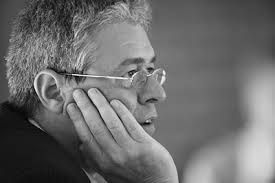
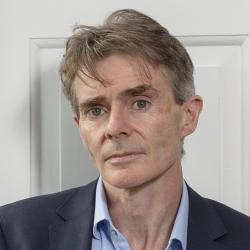
Karl Friston is a renowned neuroscientist and Professor at the Institute of Neurology, University College London . As Scientific Director of the Wellcome Trust Centre for Neuroimaging, he has pioneered transformative methodologies in brain imaging, including statistical parametric mapping (SPM) , voxel-based morphometry (VBM) , and dynamic causal modelling (DCM) . His theoretical work on the free-energy principle and active inference has reshaped understanding of brain function. Key Positions : Scientific Director (Wellcome Trust Centre), Fellowships at MRC units, Keck Foundation Fellow Research Focus : Functional integration in the human brain, computational models of neuronal interactions, schizophrenia, and Bayesian brain theory. Scientific Awards : Wiley Young Investigator Award (1996) Golden Brain Award (2003) Fellow of the Royal Society (2006) Weldon Memorial Medal (2013) EMBO Membership (2014)
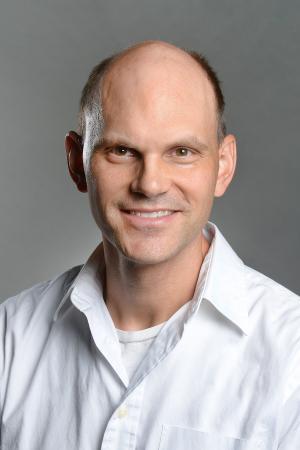
Dr. Candemir ÖZCAN is an Assistant Professor at the Department of Clinical Sciences, Faculty of Veterinary Medicine, Kastamonu University. His academic career spans veterinary surgery, clinical diagnostics, and comparative medicine. Adnan Menderes University (BSc, Veterinary Medicine, 2013) Mehmet Akif Ersoy University (PhD, Veterinary Surgery, 2018) Burdur Mehmet Akif Ersoy University (PhD, Veterinary Surgery, 2022) Research focuses on veterinary ophthalmology, dental thermography, and hormonal impacts on clinical metrics. Key methodologies include thermal imaging, intraocular pressure analysis, and estradiol biomarkers. His 15 most recent publications highlight diagnostic imaging, anesthesiology, and periodontal disease dynamics. Scientific contributions include: 2022 Oral Presentation First Prize from Güven Plus Group A.Ş. 5 funded projects (2018-2025) addressing hoof diseases, neuro-ocular interactions, and imaging techniques Collaborations with researchers like Kürşad Yiğitarslan (13 co-publications) and Elif Doğan (5 co-publications)
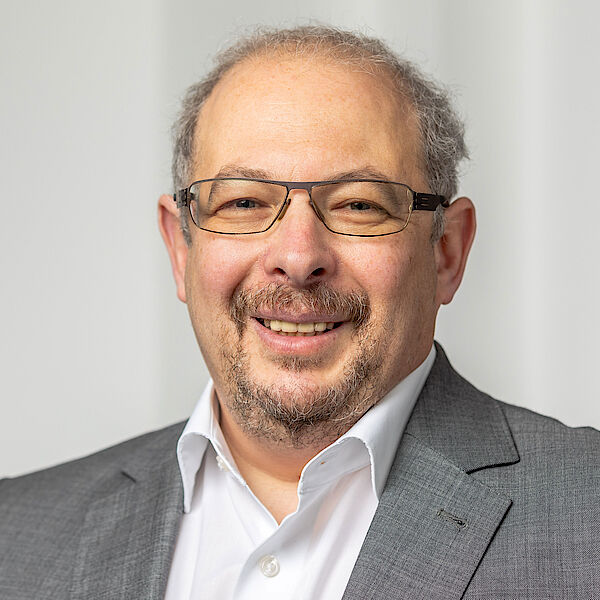
Paul A. Yushkevich is a Professor of Radiology at the Perelman School of Medicine, University of Pennsylvania , with affiliations in the Bioengineering Graduate Group . He leads the Penn Image Computing and Science Laboratory (PICSL) , focusing on advanced biomedical image analysis techniques. Developed first-of-its-kind computational atlas of the hippocampal formation Led NIH R01-funded research on MRI-derived biomarkers for Alzheimer's disease Created open-source software tools: ITK-SNAP and Convert3D Expert in statistical shape modeling and histology-MRI co-registration Research Focus: Specializes in hippocampal segmentation using high-resolution MRI, with applications in Alzheimer's disease research and cardiac imaging . His work combines differential equations and machine learning for accurate image analysis. Scientific Achievements: First-place MICCAI segmentation challenges (2012, 2013) Over 169 PubMed publications in neuroimaging and computational anatomy Developed DTI-TK toolkit for diffusion MRI analysis Collaborations: Works with Alzheimer's Disease Neuroimaging Initiative (ADNI) and multiple international institutions. Supervises graduate students in biomedical image analysis.
Andrew M. Baker is an Associate Professor in the School of Biology & Environmental Science at Queensland University of Technology (QUT). He holds a Ph.D. in Evolutionary Biology from QUT and specializes in mammal taxonomy, conservation, and evolutionary ecology, with a focus on carnivorous marsupials. His research addresses threats to biodiversity from land-use changes, invasive species, and climate change. He leads the Baker Lab, investigating species like the Julia Creek Dunnart and Antechinus spp., using innovative methods such as barn owl pellet analysis and environmental DNA (eDNA) for detection. Current grants include a $1.1M project on the Julia Creek Dunnart and a $300K ABRS scholarship for Planigale taxonomy. He is a member of the Australian Mammal Society and the Genetics Society of Australia. His research spans taxonomy, ecology, evolution, and conservation, with over 100 publications. Recent work includes describing new species (e.g., Antechinus vandycki) and refining conservation strategies for threatened mammals. He collaborates internationally on projects like the IUCN Red List assessments for Antechinus species.
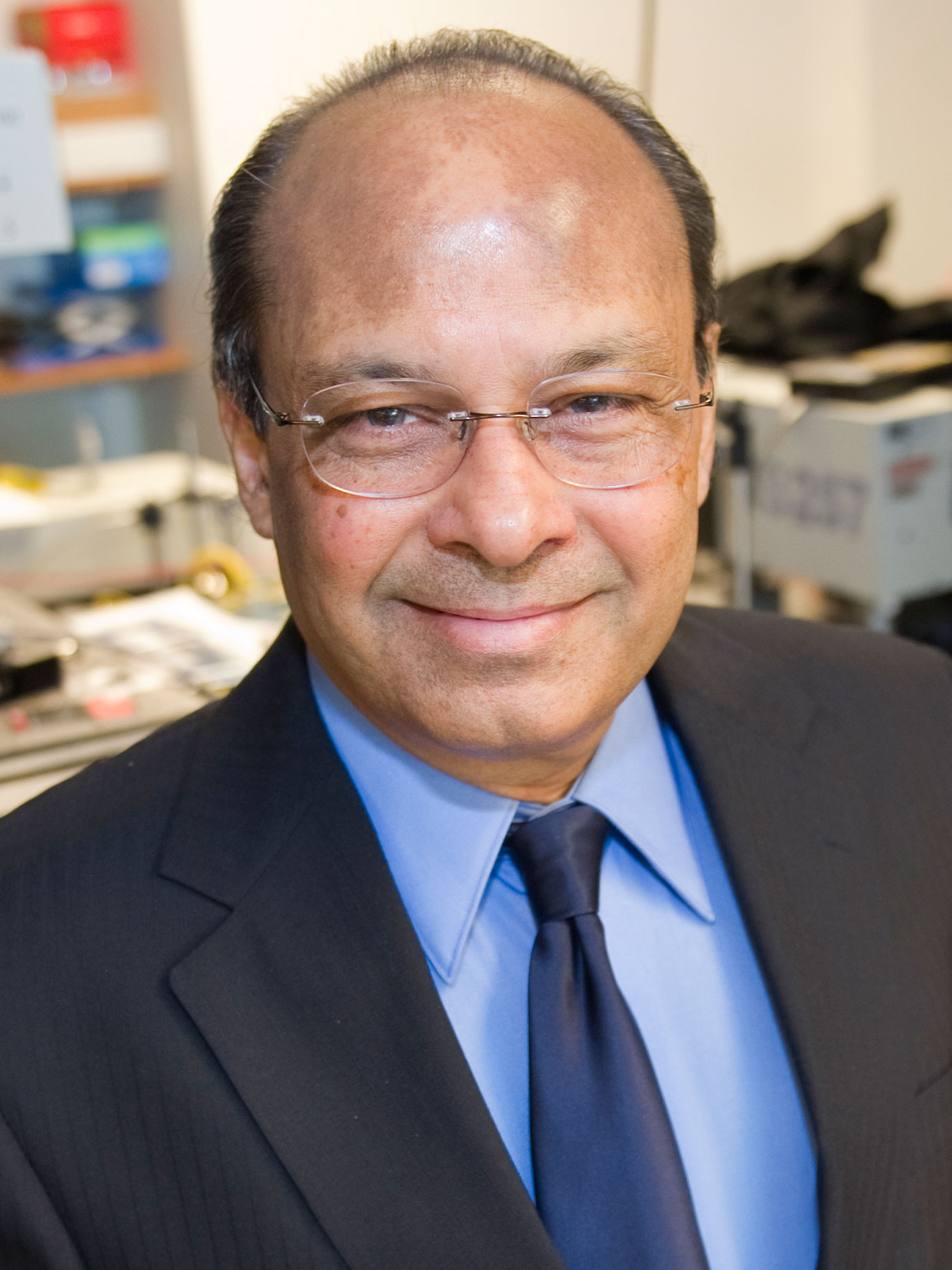
Srinivas Sridhar is a University Distinguished Professor of Physics, Biomedical Engineering, and Chemical Engineering at Northeastern University, with a secondary appointment as Lecturer on Radiation Oncology at Harvard Medical School. He previously served as Vice Provost for Research at Northeastern University (2004–2008), overseeing its research portfolio. As an elected Fellow of the American Physical Society and the American Institute of Medical and Biological Engineering, his research spans nanomedicine, neurotechnology, drug delivery, and quantitative MRI, with over 450 publications and patents. He founded the Nanomedicine Innovation Center and directs major NIH/NSF programs like CaNCURE and IGERT, focusing on undergraduate and graduate training in nanomedicine, particularly for underrepresented communities. His research interests include Nanomedicine Neurotechnology Quantitative MRI Drug Delivery Systems Metamaterials and Nanophotonics Quantum Chaos Superconductivity . Recent work involves machine learning-enhanced diagnostics for glaucoma, engineered nanoparticles for BRCA-deficient cancers, and portable neuro-ophthalmic devices. His publications from 2025–2017 reflect interdisciplinary applications in oncology, neurology, and materials science, with a focus on therapeutic and diagnostic innovation. Scientific accolades include the 2016 Biomedical Engineering Society Diversity Award University Distinguished Professorship . As an educator and entrepreneur, he has trained over 120 researchers, developed first-of-their-kind nanomedicine courses, and founded companies commercializing technologies like QUTE-CE MRI. His lab leads projects on cancer nanomedicine, quantitative imaging, and nanoscale magnetism, supported by grants from NIH, NSF, DoD, and private foundations.
Eric Nauman is the Dane A. and Mary Louise Miller Professor of Biomedical Engineering at the University of Cincinnati and director of the Human Injury Research and Regenerative Technologies (H.I.R.R.T.) Lab. Previously, he held academic roles at Purdue University and Tulane University. He earned his Ph.D., M.S., and B.S. in Mechanical Engineering from UC Berkeley and the University of Delaware. Research Focus: The H.I.R.R.T. Lab investigates mechanisms of traumatic brain injury, spinal cord injury, musculoskeletal damage, atherosclerosis, and cancer metastasis. It develops protective and reconstructive treatments, including FDA-approved engineered tissue products for tendon repair. Collaborative projects emphasize translational research in injury prevention and treatment delivery. Grants & Awards: Lead Principal Investigator (PI) on federal grants totaling $4.7M for projects like AFRL teeming agreements and DoD biomathematical models. Recipient of prestigious awards including the Purdue Book of Great Teachers, Innovators Hall of Fame, and multiple teaching excellence recognitions. Key Contributions: Co-authored landmark TBI studies, holds 14 U.S. patents, and pioneered protective equipment innovations. His work bridges biomechanics, materials science, and clinical applications.
Louis Collins is a Professor in the Department of Biomedical Engineering and Department of Neurology and Neurosurgery at McGill University, with associate membership at the Center for Intelligent Machines. His work focuses on advanced medical imaging techniques for neurological applications. Key Expertise: Non-linear image registration, model-based segmentation, neuroimaging, MRI analysis Applications: Alzheimer's disease, Parkinson's disease, multiple sclerosis, epilepsy, schizophrenia Methodology: Development of computer vision algorithms for image-guided neurosurgery (IGNS), automated atlasing, and biomarker quantification Collins' research combines computational neuroanatomy with clinical translation, particularly in: Quantifying brain atrophy and anatomical variability across populations Optimizing MRI templates for improved diagnostic accuracy Developing tools like SEEGAtlas for surgical electrode classification Exploring neurophysiological fingerprints of neurodegenerative diseases His lab (NIST-Lab) actively pursues CIHR-funded projects on ultrasound-based image-guided neurosurgery and machine learning applications in clinical trials.
Professor Rebecca Hodge is a Professor in the Department of Geography at Durham University, where she has served since 2011 after progressing from Lecturer (2011-2016) to Associate Professor (2016-2022). Her academic foundation includes a PhD in Geography from the University of Cambridge (2007) and prior postdoctoral work at the University of Glasgow (2007-2011). Her educational background: PhD, Geography, University of Cambridge (2007) Professor Hodge's research centers on fluvial geomorphology , specializing in sediment transport mechanics within gravel-bed and bedrock-alluvial river systems. She pioneers the integration of high-resolution measurement techniques —including Terrestrial Laser Scanning, CT scanning, and 3D printing—with advanced numerical modeling (e.g., Cellular Automaton frameworks) to investigate how grain-scale interactions govern reach-scale sediment flux. Her work critically examines sediment cover dynamics, critical shear stress thresholds, and the upscaling of small-scale processes in river morphology. Analysis of her 15 most recent publications (2019-2025) reveals a dominant focus on quantifying river bed roughness , sediment cover dynamics , and innovative measurement methodologies . Key trends include the application of 3D point cloud analysis for critical shear stress estimation, acoustic monitoring of river systems, and network-scale modeling of alluvial processes across diverse environments from Antarctic ice shelves to U.S. bedrock rivers. Her significant recognition includes: Gordon Warwick Medal from the British Society for Geomorphology (2022) for excellence in geomorphological research within 15 years of her doctorate Professor Hodge actively mentors PhD candidates including Holly Wytiahlowsky, Jiao Chen, and Mel Oliveira Guirro, with research spanning Antarctic glacial channels, bedrock-alluvial transitions, and gravel-bed river mechanics. Her collaborative projects involve institutions across the UK, USA, and Brazil, addressing fundamental questions in sediment transport and river response to environmental change. Her laboratory work emphasizes experimental flume studies and field deployments of cutting-edge sensors, directly informing theoretical models of river evolution and sediment dynamics.
Professor Jonna Kuntsi is a leading researcher in developmental disorders and neuropsychiatry at King's College London's Institute of Psychiatry, Psychology & Neuroscience, where she holds a professorship in the Social, Genetic & Developmental Psychiatry Centre. With extensive training including BSc, MSc, and PhD from University College London and clinical experience at Great Ormond Street Hospital for Children, she has established herself as a prominent figure in ADHD research globally. Her research primarily focuses on attention deficit hyperactivity disorder (ADHD) and related conditions, with particular expertise in neurodevelopmental disorders, remote measurement technology applications, developmental trajectories, preterm birth associations, and the effects of physical activity on cognition and ADHD symptoms. Professor Kuntsi has pioneered the ADHD Remote Technology (ART) research programme, securing substantial funding including £4 million from the UK Medical Research Council and European Commission for innovative projects like ART-transition and ART-CARMA. Her publication record demonstrates consistent high-impact research across multiple domains of ADHD investigation, with recent work emphasizing digital phenotyping, remote monitoring technologies, and the developmental aspects of ADHD across the lifespan. This research portfolio shows a clear trajectory toward increasingly sophisticated technological approaches to understanding and managing ADHD. Co-Chair of EUNETHYDIS - the European Network for ADHD Member of the European ADHD Guideline Group (EAGG) Principal Investigator in International Multi-centre Persistent ADHD Collaboration (IMpACT) Steering committee member of ECNP ADHD across the Lifespan Network Steering committee member of ECNP Digital Health Applied to Clinical Research Network Professor Kuntsi actively collaborates with patient support organizations including ADHD Europe and the UK ADHD Information and Support Service (ADDISS), and with technology companies like Empatica and The Hyve. She serves as Chair of the PhD Subcommittee across Departments of Social, Genetic & Developmental Psychiatry and Biostatistics & Health Informatics, demonstrating her commitment to mentoring the next generation of researchers while leading multiple international research networks that advance both scientific understanding and clinical practice in ADHD.
Kristine Beate Walhovd is a Professor at the Department of Psychology , University of Oslo, and co-leader of the Center for Lifespan Changes in Brain and Cognition (LCBC) . She is affiliated with the UiO:Life Science initiative and has led major projects like Lifebrain (€2.5M) and Neurocognitive Plasticity (ERC Starting Grant, €1.5M). Current roles: Professor (since 2016), Co-leader of LCBC Key affiliations: University of Oslo, Lifebrain Consortium, UiO:Life Science Her research focuses on lifespan brain and cognitive changes , examining both positive/negative developmental trajectories from age 4 to 90. She studies interactions between biomedical risks (e.g., Alzheimer's, fetal drug exposure) and cognitive outcomes, employing MRI , DTI , and ERP methodologies. Recent publications highlight work on Alzheimer's biomarkers , sleep-brain interactions , memory consolidation , and fetal brain influences . Her 2025 papers in Scientific Reports and Neurobiology of Aging examine hippocampal stability and brain network segregation. Awards include: 2015 University of Oslo Research Prize (shared with Anders Fjell) 2011 Member, Norwegian Academy of Sciences and Letters 2006 His Majesty the King's Gold Medal for best doctoral thesis She supervises doctoral candidates and teaches cognitive neuroscience , experimental methods , and thesis writing .
Professor Paul Fletcher is a Principal Investigator at the Institute of Metabolic Science, University of Cambridge, and holds the Bernard Wolfe Health Neuroscience Fund. He is affiliated with the Department of Psychiatry and collaborates with Professors Steve O’Rahilly, Sadaf Farooqi, Fiona Gribble, and Frank Reimann. His research bridges neuroscience and psychiatry to explore higher-level perceptual and learning processes shaping decision-making and behavior, particularly in relation to obesity and mental disorders. Academic Rank: Professor University: University of Cambridge School: Institute of Metabolic Science Department: Psychiatry Fletcher employs functional neuroimaging, behavioral studies, and pharmacological perturbations (e.g., dopamine agonists/antagonists) to investigate reward-related brain processes and their role in food choice, obesity, and psychiatric conditions like psychosis. His work emphasizes the integration of the brain with metabolic/endocrine signals and external environments. Key trends in his publications include predictive coding , delusions , neuroimaging , and virtual reality applications in mental health. Recent studies focus on anxiety , foraging behavior , schizophrenia , and health interventions . Scientific Awards Bernard Wolfe Health Neuroscience Fund Wellcome Trust Senior Clinical Fellow Fletcher’s research is funded by Wellcome and the Bernard Wolfe Fund, with collaborations spanning psychiatry, psychology, and clinical neuroscience. His work addresses mental health , obesity , and neurocognitive mechanisms of decision-making, supported by recent publications in top-tier journals.
John G. Kerns is a Professor in the Department of Psychology at the University of Missouri, leading the Cognitive and Emotional Control Lab. His research integrates clinical psychology and neuroscience to understand psychotic disorders, with a focus on striatal functioning and aberrant salience. His primary research interests include: Translational clinical neuroscience of psychotic disorders Cognitive and emotional control mechanisms Striatal functioning and feedback-related learning Aberrant salience and positive schizotypy Openness to experience in psychopathology Analysis of Dr. Kerns' recent publications shows a strong emphasis on neuroimaging and behavioral studies of psychosis risk, particularly examining corticostriatal pathways and their relationship to cognitive deficits. His work consistently bridges personality factors with neural mechanisms. No scientific awards are mentioned in the provided text. Dr. Kerns mentors a vibrant team of graduate and undergraduate students. Current graduate students include Megan Liew and Tyler Rogers, and his alumni have secured prestigious positions in academia and clinical practice. He is accepting applications for graduate students starting in Fall 2026. The Cognitive and Emotional Control Lab provides a collaborative environment for research on psychotic disorders, utilizing behavioral, clinical, and neuroimaging methods to advance understanding and treatment.
Julien Chanal is a researcher at the Faculty of Psychology and Educational Sciences, University of Geneva, specializing in Methodology and Data Analysis (MAD group). His work bridges educational psychology, motivation theory, and neuropsychology through empirical studies on self-determination, physical activity, and cognitive function. Primary affiliation: University of Geneva Research focus: Motivation and executive function assessment Key areas: Physical education, materialism effects, neuropsychological testing His research spans two decades, producing 38 publications with over 19,000 views. Recent projects examine motivation multidimensionality (2025), aerobic fitness-cognition links (2024), and neural correlates of materialism (2018). Despite extensive publication history, specific student names remain unspecified. Methodological innovations include epoch-length analysis in physical education (2015), self-concept modeling (2009), and neuropsychological norm establishment in Cameroon (2009). His work remains actively cited across disciplines, though no scientific awards are explicitly documented in available sources.
P. Murali Doraiswamy, MBBS, FRCP , is Professor of Psychiatry and Professor in Medicine at Duke University School of Medicine, Director of the Neurocognitive Disorders Program, Senior Fellow at the Duke Center for the Study of Aging and Human Development, and holds affiliate faculty appointments with the Duke Center for Applied Genomics & Precision Medicine, the Duke Microbiome Center, and the Duke Initiative for Science & Society. He is a Faculty Network Member of the Duke Institute for Brain Sciences and has advised major agencies including NIH, FDA, WHO, and the World Economic Forum. Research Focus Dr. Doraiswamy leads a multidisciplinary program that integrates advanced neuroimaging, multi-omics, digital therapeutics, and artificial intelligence to understand, predict, and prevent Alzheimer’s disease and related neurodegenerative disorders. His work spans: Development and validation of blood, CSF, imaging, and digital biomarkers for early detection and staging. Clinical trials of novel pharmacological, lifestyle, and digital interventions in mild cognitive impairment (MCI) and Alzheimer’s dementia. Systems-biology approaches combining genomics, metabolomics, lipidomics, and microbiome data to uncover mechanisms of resilience and risk. Policy translation and global mental health initiatives aimed at reducing disparities and improving brain health worldwide. Publications & Impact With more than 400 peer-reviewed publications and continuous federal and industry funding, his research has shaped current diagnostic algorithms and therapeutic pipelines. Recent work (2023-2025) demonstrates accelerated adoption of deep-learning MRI models for amyloid/tau staging, AI-guided companion robots to combat loneliness, and precision nutrition trials leveraging microbiome signatures. Scientific Leadership & Recognition He has chaired the World Economic Forum’s Global Agenda Council on Brain Research and co-chaired innovation advisory councils for large social-impact funds. His findings have been featured by BBC, The New York Times, Scientific American, TIME, NPR, CBS Evening News, Oprah, The Dr Oz Show , and acclaimed documentaries such as (Dis)Honesty: The Truth about Lies and Mysteries of the Brain . Advocacy & Societal Engagement Beyond the laboratory, Dr. Doraiswamy is a leading advocate for increased public and private investment in brain and behavioral research. He serves on multiple charitable boards and co-authored the popular book The Alzheimer’s Action Plan , translating cutting-edge science into practical guidance for patients and families.
Leonid Goubergrits is a Professor of Cardiovascular Modeling and Simulation at the Einstein Center Digital Future and Charité – Universitätsmedizin Berlin . With a background in applied mathematics and physics from the Moscow Institute of Physics and Technology, he has dedicated his career to applying computational fluid dynamics (CFD) to cardiovascular medicine since immigrating to Germany in 1995. His work bridges fundamental research and clinical applications, aiming to integrate numerical models into everyday medical practice to enhance diagnostics and reduce invasiveness. Doctorate at Technische Universität Berlin (2000) Habilitation at Technische Universität Berlin (2016) His research spans blood flow modeling in coronary vessels, cerebral aneurysms, heart valves, and the aorta, alongside artificial organ development and blood damage modeling . He leads a research group at Charité and the German Heart Center Berlin, focusing on patient-specific simulations and their translation to clinical settings. Recent publications highlight his work on deep learning integration for hemodynamic analysis, 4D Flow MRI validation , and medical device optimization using computational models. His team’s research includes virtual therapy planning for aortic valve replacements, hemolysis modeling , and pulmonary artery pressure sensors . Leonid actively contributes to education, redesigning TU Berlin’s Fluid Mechanics in Medicine curriculum and fostering interdisciplinary collaboration between engineers, physicians, and computer scientists. His vision emphasizes the digital transformation of medicine through computational modeling and simulation.