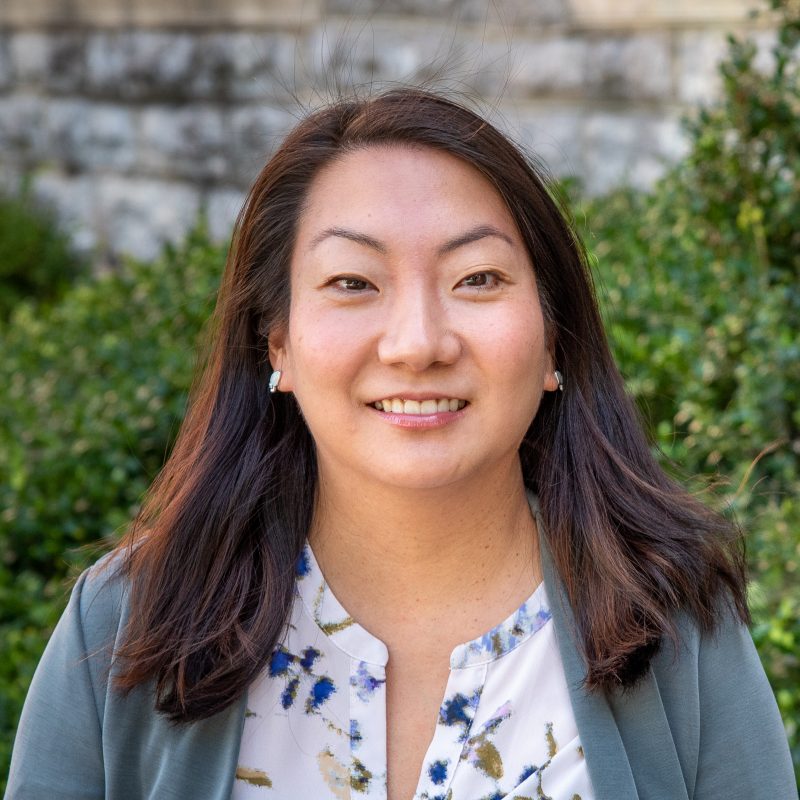
Leonie Taams is a Professor of Immune Regulation & Inflammation and Head of the School of Immunology & Microbial Sciences at King’s College London within the Faculty of Life Sciences & Medicine. Her research focuses on cellular and molecular mechanisms of immune-mediated inflammation, particularly in rheumatoid arthritis, psoriatic arthritis, and neuroimmune interactions. She leads the Wellcome Trust-funded Neuro-Immune Interactions PhD program and directs the FOCIS Centre of Excellence. Education: PhD in Immunology from Utrecht University (1999), MSc and BSc from Utrecht University (1994 and 1991). Professional roles include Editor-in-Chief of Clinical and Experimental Immunology (2017–2024) and leadership in national/international scientific organizations. Research interests span regulatory T cells, IL-17 pathways, monocyte/macrophage function, and translational studies linking immune dysregulation to chronic inflammation. Over 45 students and trainees have been mentored, with ongoing projects in pain mechanisms, biomarkers, and precision medicine for arthritis. Key publications include work on Treg-monocyte interactions, cytokine pathways in arthritis, and neuroimmune cross-talk. Awards include the King’s Supervisory Excellence Award (2011–2012). Active grants include studies on CD8+ T-cells in psoriatic arthritis and fibroblast-driven pain mechanisms in rheumatoid arthritis.
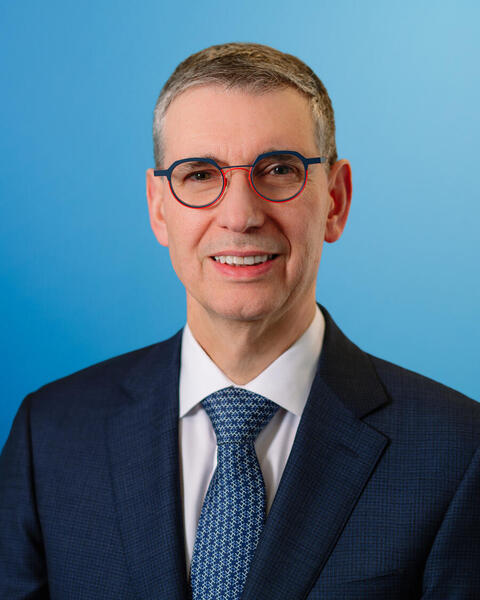
Ivo Touw is a Researcher in the Department of Hematology at Erasmus University Rotterdam's Erasmus School of Medicine. With over 123 research outputs including 119 articles, 2 book chapters, 1 conference article, and 1 review article, his work primarily focuses on hematological disorders, particularly those related to GATA2 deficiency, neutropenia, and myeloid development. Myeloid Immunology and Microbiology (100%) Hematopoietic Cell Immunology and Microbiology (70%) Transcription Factor GATA 2 (47%) Neutropenia Medicine and Dentistry (45%) Kostmann Syndrome Immunology and Microbiology (41%) His recent research demonstrates expertise in transcription factor biology and blood cell development, with significant contributions to understanding GATA2-related disorders and neutropenia management. Analysis of his 2023-2025 publications reveals a strong focus on molecular mechanisms underlying hematological phenotypes, epigenetic regulation in blood disorders, and transcriptional control of hematopoietic development. 2025 Blood Advances paper on GATA2 deficiency syndrome mechanisms 2025 HemaSphere European guidelines for chronic neutropenias 2024 British Journal of Haematology study on GATA2 heterozygosity Dr. Touw has supervised 23 students throughout his career and maintains extensive international collaborations across Europe, as evidenced by his participation in European consensus guidelines and multi-national research teams. His work bridges fundamental molecular research with clinical applications in rare blood disorders.
Taisuke Kanaji, MD, PhD, is an Institute Investigator in the Department of Translational Medicine at The Scripps Research Institute. His research focuses on platelet biology, thrombopoiesis, and the role of aminoacyl-tRNA synthetases in inflammation and autoimmune diseases. He has held roles at institutions including Kyushu University, BloodCenter of Wisconsin, and The Scripps Research Institute, where he has contributed to understanding mechanisms of platelet generation under inflammatory stress, the pathophysiology of Antisynthetase Syndrome, and immune responses in hematopoiesis. Education: Ph.D. (Hematology), Kyushu University Faculty of Medicine (1999) M.D. (Medicine), Kyushu University Faculty of Medicine (1990) Research Interests: Dr. Kanaji’s work bridges hematology, immunology, and molecular biology. Key areas include: Mechanisms of platelet activation via von Willebrand Factor (VWF)-GPIb-Filamin A axis Role of tyrosyl-tRNA synthetase (YARS) in thrombopoiesis during inflammatory stress Autoimmune diseases linked to aaRSs, such as Antisynthetase Syndrome (myositis and ILD) Innate and adaptive immune regulation in hematopoiesis Awards & Grants: NIH R01 Grant (HL129011-01A1) from NHLBI (2016-2020) Fukuoka Medical Award (1998) Multiple grants from Japan Society for the Promotion of Science and private foundations Lab & Collaborations: Utilizes animal models, clinical samples, and proteomics to study platelet dynamics and autoimmune mechanisms. Collaborates with groups at BloodCenter of Wisconsin, Kurume University, and The Scripps Research Institute.
Xiang-Lei Yang, PhD, is a Professor and Ernest W. Hahn Endowed Chair in the Department of Integrative Structural and Computational Biology at The Scripps Research Institute (TSRI). Her research focuses on the multi-functional roles of aminoacyl-tRNA synthetases in cancer and neurodegenerative diseases, particularly their contributions to homeostatic regulation, angiogenesis, and oxidative stress responses. Yang's work integrates structural biology, biochemistry, and animal models to uncover mechanisms linking tRNA synthetase dysfunction to diseases like Charcot-Marie-Tooth neuropathy and cancer metastasis. Education: Ph.D. (Biophysics and Computational Biology) from the University of Illinois at Urbana-Champaign (2000); B.S. (Biomedical Engineering) from Capital Institute of Medical Sciences, Beijing (1993). Research interests include translational accuracy, protein misfolding, and the development of therapeutic strategies targeting tRNA synthetases. Her lab has pioneered studies on nuclear translocation of these enzymes and their role in chronic stress responses. Key findings include the discovery that glycyl-tRNA synthetase mutations cause CMT2D neuropathy via neomorphic binding activities. Selected awards include the Ernest W. Hahn Chair (2021) and the Harley J. Van Cleave Fellowship (1999). Yang has advised over 30 students and collaborates with leading researchers globally, including Prof. Albena Jordanova and Prof. Samuel Pfaff. Her lab also leads drug development programs for metastatic cancer and CMT disease. Labs/Teams: Director of the Scripps Laboratories for tRNA Synthetase Research (SLTSR), which includes investigators like Taisuke Kanaji and Haissi Cui. Active collaborators span structural biology, genetics, and translational medicine.
Professor Alison H. Goodall is a Professor of Thrombosis and Haemostasis at the University of Leicester's Department of Cardiovascular Sciences. She holds a PhD in Biochemistry from London University and has been a leading figure in vascular biology research since 1997. Her work focuses on thrombosis regulation, atherosclerosis, and cross-talk between vascular cells. She co-founded Haemostatix Ltd, a University spin-out company developing anticoagulant therapies, sold in 2016 after successful clinical trials. Her research explores platelet-monocyte interactions in cardiovascular disease, cancer, and dementia. Key areas include procoagulant platelet signaling, microparticle biology, and genetic factors like TRIB1/3 in atherogenesis. Her studies bridge clinical and basic science, with contributions to diagnostic markers (e.g., exhaled breath metabolites) and anticoagulant drug mechanisms (e.g., heparin-aspirin interactions). Publications highlight platelet activation in acute kidney injury post-cardiac surgery, mathematical coagulation modeling, and molecular pathways in aging macrophages. She has also investigated thrombotic risks in cancer patients and lipid mediator profiles from platelet activation. Despite her extensive contributions, no specific scientific awards are listed. Her work integrates translational research across academia and industry, with ongoing studies on tumor-associated macrophages, miRNA-driven pathways, and proteomic stratification of myocardial infarction. Collaborations span cardiology, oncology, and immunology, reflecting her interdisciplinary approach to vascular disease mechanisms.
Gerard Graham is a Professor of Molecular and Structural Immunology and Dean of Research at the MVLS College, University of Glasgow. His research focuses on chemokine biology, particularly the roles of chemokines and their receptors in inflammation, stem cell biology, and cancer. Key projects include studying the D6 decoy receptor's role in resolving inflammation, structural analysis of chemokine receptors, and therapeutic applications of chemokine-virus conjugates. Graham leads a laboratory investigating chemokine modulation in diseases like psoriasis and has contributed to understanding placental immune mechanisms. Holds dual roles in research leadership and academic administration Expertise spans immunology, molecular biology, and structural biology Collaborates internationally on projects involving chemokine signaling and receptor structure-function relationships Research interests emphasize translating basic immunology discoveries into therapeutic strategies targeting inflammatory and immune disorders. His lab's work on embryonic stem cells and inflammatory pathways has advanced understanding of hematopoietic stem cell mobilization and tissue repair mechanisms.
Dr. Delia Nelson is an Associate Professor at Curtin University, working within the Curtin Medical School under the Faculty of Health Sciences. She holds a position as Senior Research Fellow/Senior Lecturer with the School of Biomedical Sciences and serves as Chairperson for the CHIRI Pathogenesis and Disease Management Program of Research since May 2012. Her office is located in Room 119 of the Health Sciences Building (Building 305) on the Curtin Perth campus. Dr. Nelson earned her Bachelor of Science with Honours (double major in Microbiology and Organic Chemistry) from the University of Western Australia (UWA), followed by her PhD from UWA. Her early research was conducted at the TVW Telethon Institute For Child Health Research (TICHR) in Perth, Western Australia, where she developed an interest in asthma and allergy before transitioning to cancer immunology. Dr. Nelson's research focuses on understanding how the immune system interacts with progressing solid tumours and developing immune-based therapies, gene therapies, and vascular-targeting therapies to treat solid tumours. She is particularly interested in how nutrition, especially lipids, minerals and metals, impacts healthy and anti-tumour immunity. Her work bridges fundamental immunology with translational cancer research, with a special emphasis on the effects of aging on immune responses to cancer. She has made significant contributions to understanding the role of macrophages, dendritic cells, and neutrophils in the tumor microenvironment, particularly in mesothelioma. Analysis of Dr. Nelson's publication record reveals a consistent research trajectory focused on tumor immunology with increasing emphasis on aging-related immune changes. Her most recent work demonstrates how aging affects various immune cell populations and how these changes impact tumor progression and response to immunotherapy. She has pioneered approaches to modulate the tumor microenvironment to enhance treatment efficacy, particularly in elderly patients. Dr. Nelson has received numerous prestigious awards throughout her career, including: Founding Fellow of the Faculty of Science of the Royal College of Pathologists Australasia (December 2010) 'Outstanding Merit Award' for the best paper published in International Immunology (April 2009) Australian Lung Foundation Mesothelioma Research Award (March 2006) Today's Life Science Young Investigator Award (December 1992) Foundation Fellowship from the Australian Federation of University Women (June 1989) Bond Brewing Western Australia Tertiary Award for best Honors student (December 1988) Dr. Nelson has successfully supervised numerous graduate students, including PhD candidates S. Mukherjee, C. Jackaman, C. Bundell, A. Sherwood, B. Koloska, S. Cornwall, and J. Gardner. She has also mentored over fifteen Honors students, most receiving first-class honors. Her research is supported by significant funding from organizations including the Cancer Council of Western Australia, NH&MRC, the Australian Lung Foundation, the American-based Mesothelioma Applied Research Foundation (MARF), and the Dust Diseases Board of NSW. She serves as an invited reviewer for numerous international journals and funding bodies. As Chairperson for the CHIRI Pathogenesis and Disease Management Program of Research, Dr. Nelson leads a multidisciplinary team focused on understanding disease mechanisms. She is actively involved in the Perth Mesothelioma Centre and has held leadership positions in the Australasian Society for Immunology, including serving on the national conference committee and chairing the Tumour Immunology Workshop in 2010. Her collaborative research extends internationally, with connections to institutions in the United States and Europe.
Dr. Louie Mar Gangcuangco is an Assistant Professor of Medicine at the John A. Burns School of Medicine, University of Hawaii at Manoa, and a junior investigator at the Hawaii Center for AIDS (HICFA). He specializes in HIV/AIDS research, focusing on chronic complications such as neurocognitive disorders, immune activation, and cardio-metabolic comorbidities. His work integrates clinical, translational, and basic science approaches to address HIV-associated pathologies. Education: MD from the University of the Philippines (Integrated Liberal Arts and Medicine Program) MSc in Tropical Medicine (University of Hawaii) MSc in Clinical Trials (London School of Hygiene & Tropical Medicine) Climate Change and Health Certificate (Yale School of Public Health) Research Interests: Dr. Gangcuangco’s research emphasizes the interplay between HIV infection and systemic inflammation, particularly in monocyte activation, mitochondrial dysfunction, and their roles in neurocognitive decline and cardiovascular disease. He also investigates the epidemiology of HIV in the Philippines and Southeast Asia, advocating for public health interventions to curb the epidemic. Key Contributions: His studies on HIV-associated neurocognitive disorders (HAND) have advanced understanding of peripheral immune mechanisms driving central nervous system damage. He has also explored the impact of antiretroviral therapies on metabolic and inflammatory biomarkers, contributing to clinical guidelines for HIV management. Awards: 2017 Balik Scientist Award (Philippine Department of Science and Technology) 2011 Takeda Science Foundation Fellowship 2010 Oreta-Dizon-Santos-Ocampo Outstanding Research Award Grants & Collaborations: Dr. Gangcuangco leads projects investigating HIV’s clinical and immunological correlates in Asia-Pacific regions, including collaborations with the Nagasaki University Institute of Tropical Medicine and institutions in Vietnam and Thailand. His work on colorectal cancer screening and post-acute sequelae of SARS-CoV-2 highlights his commitment to addressing broader health disparities. Labs/Teams: Active member of the Hawaii Center for AIDS, contributing to clinical trials and translational research initiatives aimed at improving quality of life for people living with HIV.
Håvard Attramadal holds the position of Professor and Head of Department at the Department of Surgical Research, University of Oslo. He leads the Molecular Cardiology Research Group within the Institute of Surgical Research. His primary affiliation is with the National Hospital in Oslo. Research Focus: Dr. Attramadal’s work centers on molecular mechanisms underlying cardiovascular diseases, particularly heart failure, myocardial infarction, and cardiac remodeling. Key areas include CCN protein regulation, inflammatory pathways in cardiac injury, and therapeutic interventions targeting extracellular matrix dynamics. His studies often utilize mouse models and in vitro systems to explore signaling pathways and gene therapy applications. Publications Overview: Over 50 peer-reviewed articles since 2001 reflect contributions to understanding cardioprotective mechanisms, mitochondrial dysfunction in heart failure, and the role of matricellular proteins in fibrosis. Recent work emphasizes SLAMF1-derived peptides, NAD+ metabolism, and NLRP3 inflammasome modulation in cardiac protection. Awards/Grants: No specific awards listed, but sustained research activity suggests institutional or competitive grant support for his lab’s projects. Labs/Teams: Directly oversees the Molecular Cardiology Research Group, collaborating with multidisciplinary teams on translational cardiovascular research.
Kim Mansky is a Professor in the Department of Orthodontics at the University of Minnesota School of Dentistry, with significant affiliations to the Masonic Cancer Center. Her research is centered on the molecular and cellular mechanisms of osteoclastogenesis, bone metabolism, and craniofacial biology, particularly focusing on differences between jaw and long bone osteoclast progenitors. Professor, Department of Orthodontics, School of Dentistry, University of Minnesota Principal Investigator, Masonic Cancer Center Active researcher in bone biology and epigenetic regulation of myeloid cells Lead on multiple NIH-funded projects including the Minnesota Craniofacial Research Training Program Her research interests span Osteoclast Biology , Osteoclastogenesis , Gene Expression Regulation , Epigenetics (especially LSD1) , Single-cell RNA Sequencing , and Craniofacial and Oral Health Research . She investigates how skeletal site-specific differences in myeloid cells affect bone remodeling and regeneration, with implications for periodontal disease, osteoporosis, and craniofacial disorders. The recent publications (2019–2025) highlight a strong trend in understanding the epigenetic and transcriptional regulation of osteoclast differentiation, particularly through LSD1 and microphthalmia-associated transcription factor (MITF). There is a growing emphasis on comparative biology between mandibular and femoral osteoclast progenitors using single-cell technologies, revealing intrinsic differences that impact bone healing and disease progression. Keywords across these works include Bone Regeneration, Osteoclast Differentiation, Gene Expression, Single-cell RNA Sequencing, Epigenetics, and Myeloid Cell Biology. Dr. Mansky has secured substantial funding from the NIH NIDCR and private foundations such as the Osteo Science Foundation and American Association of Orthodontists Foundation. She serves as Principal Investigator on multiple active grants focused on bone loss, craniofacial research training, and osteoclast progenitor characterization. These projects support a dynamic research environment involving trainees and collaborative teams. She mentors students and researchers through structured training programs and collaborative projects. Her lab works closely with colleagues such as Dr. Bradley E.W., Dr. Tasca A.W., and Dr. Herzberg M.C., forming interdisciplinary teams that integrate molecular biology, bioinformatics, and clinical dentistry. The research environment is enriched by access to advanced technologies like micro-CT and single-cell sequencing.
Amy W Tasca is a Clinical Associate Professor in the Department of Orthodontics at the School of Dentistry, University of Minnesota. Her work integrates clinical orthodontics with molecular and cellular bone biology, focusing on osteoclastogenesis and skeletal site-specific differences in bone remodeling. She actively leads research projects and contributes to peer-reviewed literature in both dental and biomedical sciences. Research Interests: Osteoclast differentiation and function Skeletal site-specific myeloid cell behavior Gene expression in mandibular vs. femoral osteoclast precursors Single-cell RNA sequencing in bone biology Orthodontic treatment outcomes and patient comfort Molecular mechanisms of BMP/SMAD signaling in bone The recent articles highlight a strong trend in comparative osteoclast biology between jaw and long bones, using advanced genomic techniques. Her research bridges clinical orthodontics with fundamental bone biology, contributing to both patient care and mechanistic understanding of skeletal remodeling. Scientific Awards: No awards explicitly mentioned in the text. Advising and Grants: Amy W Tasca serves as Principal Investigator on multiple funded research projects. These include: Comparison of oral health and patient comfort outcomes for Phase I Invisalign and fixed appliance patients (ALIGN TECHNOLOGY, INC, 2022–2025) Where you originate from matters; A Comparison of Jaw and Long Bone Osteoclast Precursors Using Single Cell Analysis (American Association of Orthodontists Foundation, 2022–2023) The role of MyosinX in BMPs promotion of SMAD 1/5 in ost (NIH NIDCR, 2014–2016) She has not listed any formal advisees in the provided text. Labs and Teams: Dr. Tasca collaborates closely with Dr. Kenneth Mansky and other researchers in bone biology and myeloid cell research. Her work involves single-cell analysis and molecular techniques, likely conducted within a specialized bone biology or dental research laboratory at the University of Minnesota.
Alicia Pickrell is an Associate Professor and Director of Graduate Studies at Virginia Tech's School of Neuroscience within the College of Science. She holds a B.Sc. and B.A. in Neuroscience and Political Science from the University of Pittsburgh and a Ph.D. in Neuroscience from the University of Miami: Miller School of Medicine. Her research focuses on mitochondrial dysfunction in neurodegenerative diseases, specifically examining how neuronal subtypes respond to mitochondrial stress. Key areas include mitophagy , mitochondrial quality control , and STING signaling in brain injury. Recent publications highlight her work on 2025: TBK1 trafficking mechanisms 2024: STING-mediated neuroinflammation 2023: mtDNA dynamics and astrocyte responses Scientific awards include a DoD grant for neurotrauma research. She has advised PhD candidates Sahitya Ranjan Biswas and Colin Kelly, with lab activities documented in team events like hiking and apple-picking.
Bernardo Sopena Perez-Arguelles is a Professor at the University of Santiago de Compostela , affiliated with the Faculty of Medicine and Dentistry and the Department of Psychiatry, Radiology, Public Health, Nursing and Medicine . His work spans multiple disciplines within medicine and public health. Education : PhD in Medicine from the University of Navarra (1993), with a thesis on Immunological parameters and monocyte function in alcoholic liver disease , supervised by Dr. Jesus M. Prieto Valtueña. Research Interests : His research focuses on Internal Medicine , particularly in the intersection of Hepatology , Immunology , and Public Health . The MEDINT research group (Internal Medicine) reflects his commitment to advancing clinical and translational medicine.
Gianrico Farrugia, M.D., is a Professor of Medicine and Physiology at Mayo Clinic, where he serves as Director of the Enteric Neuroscience Program. He holds the John H. Noseworthy and Jay Alix Distinguished Chair and is a leader in gastrointestinal motility research. His lab focuses on understanding cellular and molecular mechanisms underlying disorders like diabetic gastroparesis, slow transit constipation, and irritable bowel syndrome. Education: Completed medical training at the Royal University of Malta and advanced fellowships in physiology and gastroenterology at Mayo Clinic. Holds academic appointments in both Internal Medicine and Physiology & Biomedical Engineering. Research Interests: His work spans ion channel physiology, interstitial cells of Cajal, and the role of carbon monoxide in gut function. Recent studies include mechanisms of diabetic gastroparesis (linking M2 macrophage dysfunction to interstitial cell loss) and targeted therapies for sodium channel mutations in IBS. Techniques include high-resolution imaging, next-gen sequencing, and cellular models. Grants & Awards: Active NIH grants since 1997; received 2019 NGM Research Mentor Award and multiple academic honors. Leads the Mayo Center for Cell Signaling in Gastroenterology and collaborates with the NIDDK Gastroparesis Clinical Research Consortium. Labs & Teams: Heads the Cellular and Molecular Physiology of Gastrointestinal Disorders Lab, collaborating with the Enteric Neuroscience Program and international motility societies. Trains postdoctoral fellows in translational research.
Phanélie Berthon is an Associate Professor at Université Savoie Mont Blanc, affiliated with the Laboratoire Interuniversitaire de Biologie de la Motricité (LIBM) and the [DeReM-SE] research team in Chambéry, France. Her research spans exercise physiology, metabolic dysfunction, and maternal exercise effects on offspring health, with recent contributions in dermatopathology and oncodermatology. Ph.D. in Exercise Physiology, University Jean Monnet, Saint-Étienne (1995) Postdoctoral Research, University of Guelph, Canada Former Lecturer, Rennes 2 University Former ATER (Temporary Teaching Assistant), Nantes University Dr. Berthon's research focuses on exercise-induced metabolic adaptations , mitochondrial biogenesis in aging muscle , and the impact of maternal exercise during gestation on offspring metabolic health . She has also investigated supramaximal exercise responses, catecholamine dynamics, and estrogen receptor roles in endurance performance. More recently, her collaborative work includes molecular studies of skin tumors such as trichogerminoma and Merkel cell carcinoma, highlighting her interdisciplinary reach in biomedical research. Her recent publications reveal a trend toward molecular dermatopathology and oncodermatology , particularly in characterizing genetic fusions and diagnostic markers in rare skin tumors. Earlier work remains rooted in exercise physiology and metabolic regulation , demonstrating a long-standing commitment to understanding physiological adaptations to physical activity. Scientific contributions include: Maternal exercise improves short-term pancreatic function in offspring but may have long-term negative effects. Exercise during gestation attenuates the adverse metabolic effects of a high-fat, high-sucrose diet in offspring. Identification of SSTR2A and FOXK1::GRHL fusions as diagnostic markers in trichogerminoma. Dr. Berthon has not been mentioned as supervising students in the provided texts, and no information is available regarding research grants. She is actively involved in collaborative research, particularly with dermatopathology and oncology teams, contributing to high-impact journals in pathology and oncology. Her laboratory affiliations include the Laboratoire Interuniversitaire de Biologie de la Motricité and the [DeReM-SE] research group, where she continues to integrate exercise physiology with molecular and clinical research.