- Political Economy
- Macroeconomics
- Financialization
- +۶ مورد دیگر
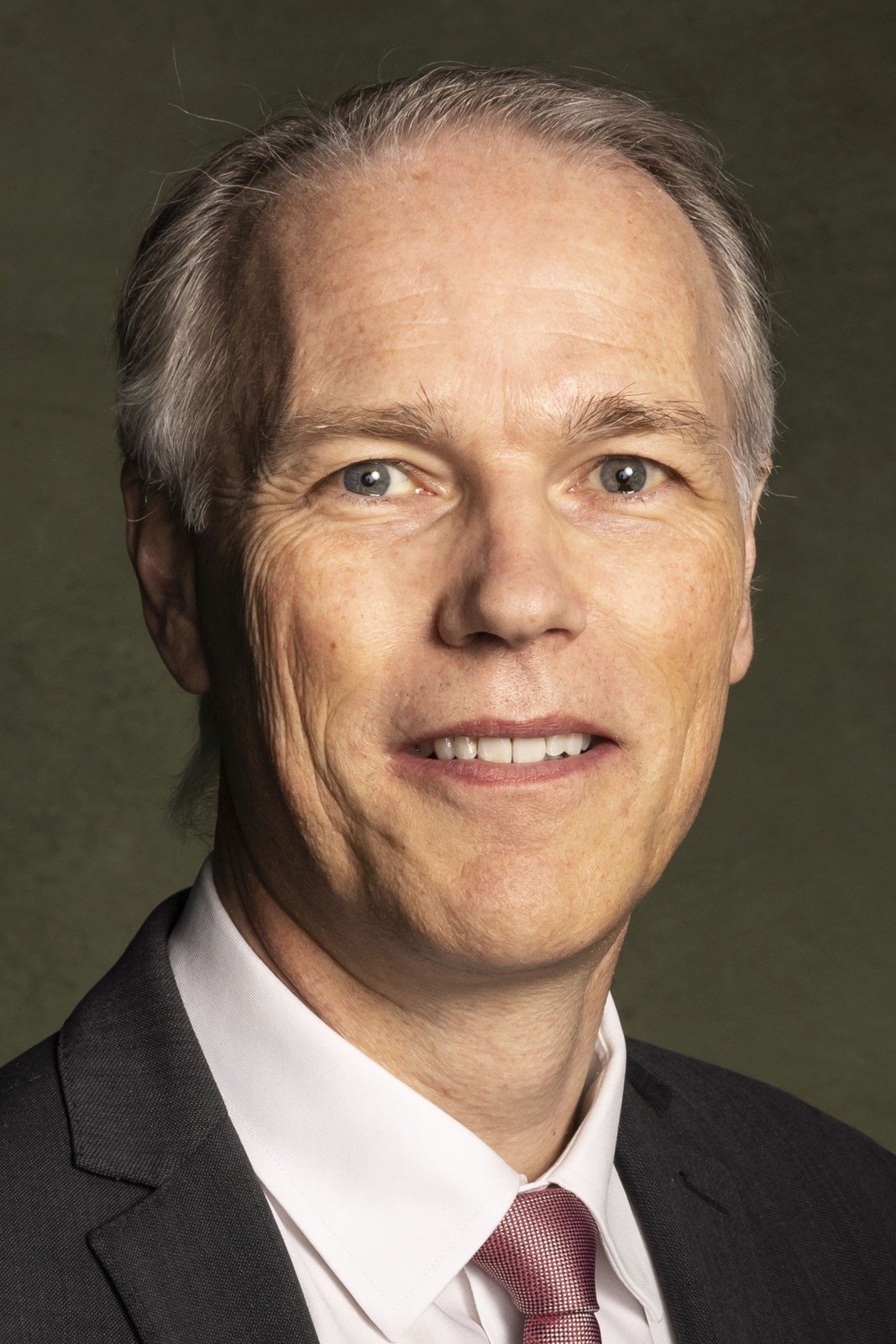
Engelbert Stockhammer is Professor of Political Economy in the Department of European and International Studies at King's College London, where he joined in 2018 after previously working at Vienna University of Economics and Business (2000-2009) and Kingston University London (2010-2018), where he led the Political Economy Research Group. He holds a PhD in Economics from the University of Massachusetts at Amherst and has held visiting positions at Bilkent University, German Institute for Economic Research (DIW Berlin), Maastricht University, Macroeconomic Policy Institute (IMK), and Sabanci University. His research interests focus on political economy and macroeconomics , with particular emphasis on financialisation, distribution and growth, and economic policy in Europe. His work bridges Post-Keynesian economics with comparative political economy, examining growth models, housing systems, and business cycle dynamics. He has published over 70 peer-reviewed articles and is actively engaged in research projects funded by organizations like the Leverhulme Trust and the Institute for New Economic Thinking. His recent publications reveal a strong focus on housing cycles, heterodox business cycle theory, and the political economy of growth models, with particular attention to European economies and historical perspectives. His work integrates macroeconomic modeling with institutional analysis, examining how financialization affects growth patterns across different economic systems. Stockhammer actively engages with policy through collaborations with international organizations including the International Labour Office (ILO), and think tanks such as the New Economics Foundation, Friedrich Ebert Stiftung, Renner Institute, Rosa Luxemburg Foundation, and Foundations for European Progressive Studies. He has published commentary in media outlets including The Guardian, Al Jazeera, Profil, and ORF. He leads the ongoing research project "The Political Economy of Growth Models in an Age of Stagnation" funded by the Leverhulme Trust (2021-2024), and previously led a project on "Income distribution, asset prices and aggregate demand formation 1850-2010" funded by the Institute for New Economic Thinking. His work contributes to several United Nations Sustainable Development Goals, particularly those related to economic growth and reduced inequalities.