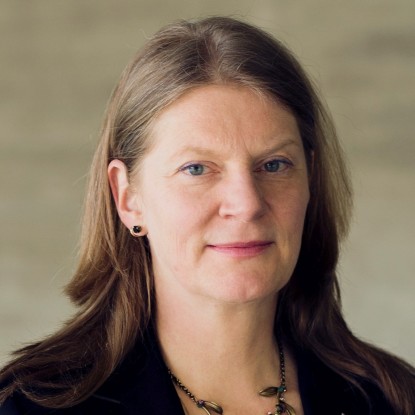
Rae Gillibrand is a Lecturer in Inclusive Learning for the Schools of History and English at the University of Leeds, appointed in 2022. She is also the Director of Admissions for the School of History and a member of several research groups including Galleries, Libraries, Archives, and Museums and Health Histories. Previously, she taught History and Heritage Studies at Aberystwyth University and served as the Jaipreet Virdi Fellow for Disability Studies at the Medical Heritage Library (2021-2022). Dr. Gillibrand's educational background includes a PhD in Medieval Disability Studies (2020), an MA in Medieval Studies (2015), and a BA in History (2014), all from the University of Leeds. As a woman from a working-class background and the first in her family to attend university, she brings a unique perspective to her work on inclusivity in academia. Her research focuses on the history of disability, the body, and bodily technologies in premodern contexts. She investigates how people experienced, understood, and augmented their bodies throughout history, with particular attention to premodern disability technology, cosmetic devices, medical technology, and automata. Her work employs visual and material approaches to understand the connections between assistive aids and individual/group identities, as well as the overlap between health and attempts to 'beautify' the body. Dr. Gillibrand's publications and presentations reveal a consistent focus on the material culture of disability throughout history, particularly in medieval contexts. Her work examines how assistive technologies were designed, constructed, and sold, while also considering how contemporaries conceptualized bodily augmentation. She has presented on topics ranging from medieval prosthetics and guide dogs to historical eyeglasses and hearing aids, demonstrating how these technologies were integrated into social identities and daily life. Jaipreet Virdi Fellow for Disability Studies at the Medical Heritage Library (2021-2022) Fellow of the Higher Education Academy (HEA) Dr. Gillibrand is committed to extending education beyond academia through public engagement, having designed and led public events with local museums, libraries, and archives, as well as contributing to podcasts and radio shows. She is available to supervise PhD students interested in premodern health, medicine, the body, and history, heritage, and museum studies. Her work on inclusivity practices aims to improve the student experience for those from traditionally marginalized backgrounds within academia. She is involved with research projects including 'Dental Histories: Towards a Digital Museum' and 'Stigma and Shame? Challenging Menstrual Taboo Through Time,' working within the Health Histories research group to explore the intersections of medical history, material culture, and social experience.