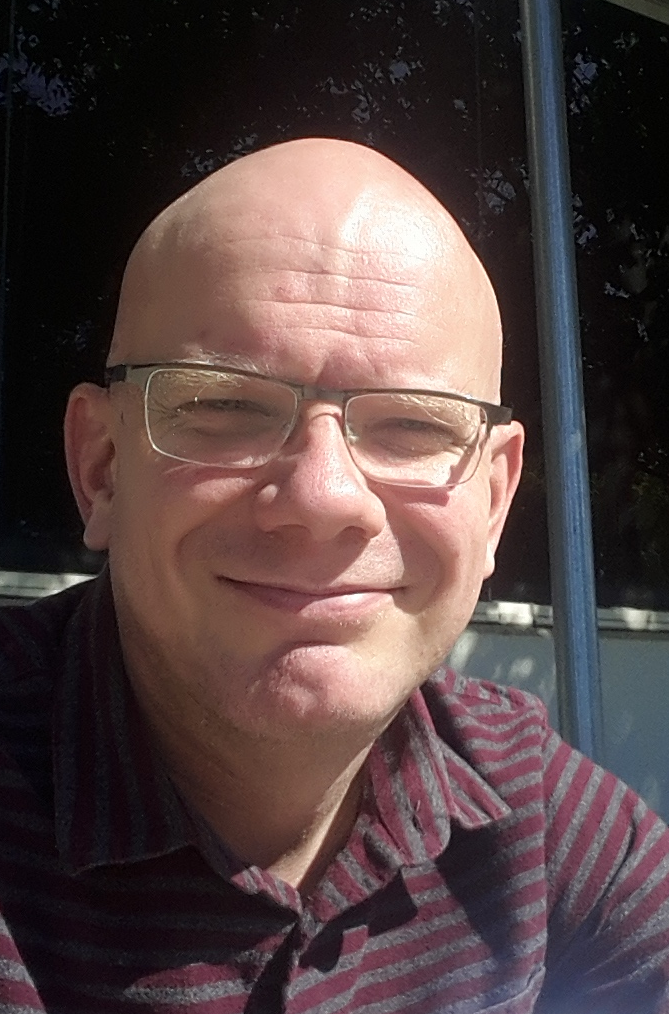
Anna Lähde is a Professor in Aerosol Technology at the Department of Environmental and Biological Sciences, University of Eastern Finland. She leads the Sustainable Materials Group at the Fine Particle and Aerosol Technology Laboratory . Her work focuses on the synthesis and characterization of sustainable nano- and microparticles for clean energy and environmental applications. Academy of Finland Research Fellow (2017-2022) Specializes in graphene, carbon nanostructures, and metal oxides via aerosol processes Key methods: induction annealing, chemical vapor synthesis, spray pyrolysis Her research spans Li-ion battery materials , water treatment nanocomposites , and toxicological analysis of airborne particles . She has published extensively on carbon-based anode materials , photocatalytic systems , and environmental applications of aerosol technology . Recent work includes CO2 adsorption catalysts and biomass-derived graphene . She has received recognition through the Academy of Finland Fellowship and contributes to circular economy projects like EKOAKKU.
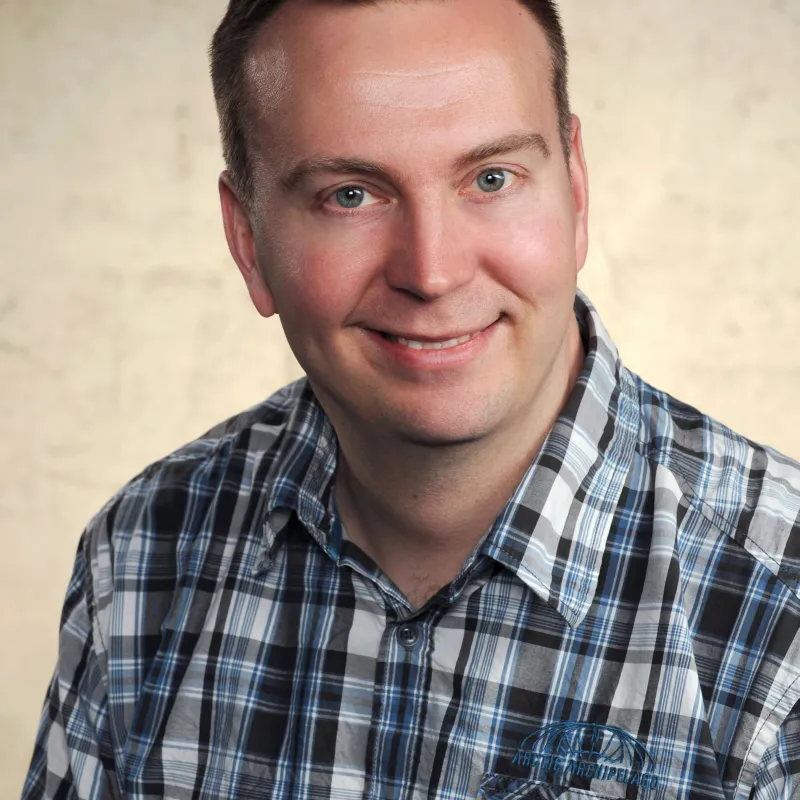
Pei-Hsin Li is a Postdoctoral Researcher at the Department of Educational Sciences, University of Helsinki, affiliated with the Minds Hub. Their research focuses on educational psychology, teacher well-being, and neuroaesthetics. Li has contributed to studies on student-teacher dynamics, self-regulated learning, and the neural basis of aesthetic experiences. They actively participate in Finnish Academy-funded projects addressing educational futures, youth well-being, and climate change competencies. Li's work bridges cognitive science, education, and neuroscience, emphasizing practical applications in classroom environments. Research interests include teacher-student emotion interactions, longitudinal learning effects, and neuroscientific approaches to education. Key projects: EDUCA (2024-2028), Equity in Schooling (2022-2025), Family Dynamics (2021-2024), Climate Education (2021-2024). Publications span educational psychology, neuroscience, and art cognition, with a focus on practical educational outcomes and well-being metrics. Their research often employs longitudinal designs and interdisciplinary methods.
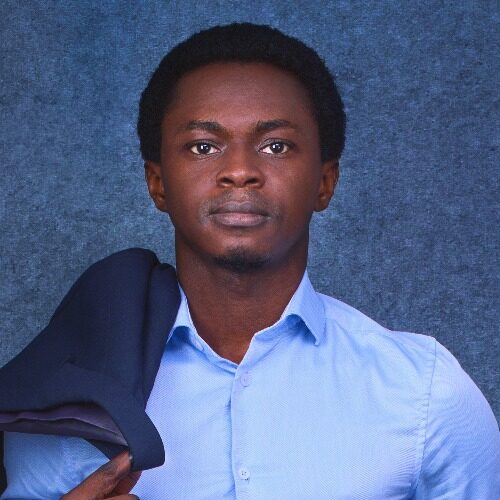
Prof. Ibrahim Arpaci serves as Head of the Department of Software Engineering at Bandirma Onyedi Eylul University's Faculty of Engineering and Natural Sciences in Turkey, holding academic appointments as Professor in the Department of Software Engineering. Education: Ph.D. in Information Systems from Middle East Technical University M.Sc. in Information Systems from Middle East Technical University His research program bridges educational technology with cutting-edge computational methods, focusing on AI-driven sustainability solutions, cybersecurity applications, and innovative pedagogical frameworks. Key investigations include cryptocurrency adoption behaviors, Generation Z's interaction with AI products, and Metaverse integration in educational contexts, demonstrating strong interdisciplinary connections between computer science, environmental studies, and behavioral psychology. Methodologically, he frequently employs hybrid approaches combining structural equation modeling with deep neural networks. Analysis of his 2022-2023 publications reveals dominant trends in technology-mediated education, with 63% of works examining AI applications across STEAM learning, cloud computing adoption, and bibliometric patterns in nanotechnology education. Emerging research directions prominently feature the Metaverse for sustainable education and image processing solutions for industrial automation, consistently applying advanced machine learning techniques to domain-specific challenges. Scientific Awards: None mentioned in source text. Advising and Grants: No student supervision or grant funding details were provided in the available information. Labs and Teams: No specific research laboratories or collaborative teams were described in the source material.
Marko Kosunen is an Associate Professor at Aalto University's Department of Electronics and Nanoengineering. He holds M.Sc., Lic.Sc., and D.Sc. (Tech.) degrees from Helsinki University of Technology (now part of Aalto University), completed in 1998, 2001, and 2006, respectively. He served as a visiting scholar at the Berkeley Wireless Research Center, UC Berkeley (2017–2019), supported by a Marie Sklodowska-Curie EU grant. He co-chairs Microelectronics Finland, a collaborative body linking academia and industry in microelectronics research and education. His research focuses on programmatic circuit design methodologies, digital-intensive time-based data converters, transceiver circuits, and RISC-V-based microprocessor implementations with DSP accelerators. He has authored/co-authored over 100 peer-reviewed papers and holds multiple patents. His work spans VLSI systems, RF IC design, and energy-efficient signal processing architectures. Recent articles highlight advancements in automated comparator design frameworks, 5G transmitter hardware, and neural network accelerators. His contributions often bridge theoretical design methodologies with practical applications in wireless communication and AI hardware. Dr. Kosunen actively collaborates with industry partners, evidenced by his role in Microelectronics Finland and co-authored works addressing real-world challenges like 5G transceiver efficiency and in-sensor neural processing.
Kha Nguyen is a post-doctoral researcher and Visitor (Faculty) in the Department of Neuroscience and Biomedical Engineering at Aalto University. He earned his Ph.D. in Chemical Engineering from National Taiwan University of Science and Technology in December 2016. Education: Doctoral degree in Engineering and Technology, National Taiwan University of Science and Technology (awarded December 1, 2016) Research Focus: Dr. Nguyen's research centers on the intersection of nanotechnology, biomedicine, and materials science with emphasis on nanoplasmonics, biosensors, molecular self-assembly, and DNA nanotechnology. His work explores how precisely engineered nanostructures can be developed for biomedical sensing applications, with particular attention to DNA origami techniques and plasmonic responses. Research Trends: Analysis of Dr. Nguyen's publication record reveals an evolving research trajectory from fundamental nanostructure development toward increasingly sophisticated biomedical applications. His work shows consistent focus on DNA-based plasmonic systems with growing emphasis on practical biosensing applications and stability enhancements. The interdisciplinary nature of his research bridges chemistry, physics, materials science, and biomedical engineering, with strong emphasis on solution-phase synthesis methods. Research Contributions: Principal investigator on multiple Academy of Finland-funded projects including "Photo-controlled active plasmonics" (2019-2023) and "DNA-based devices for detection and sensing of biomolecular interactions" (2017-2021) Active participant in international conferences on nucleic acid nanotechnology and DNA-based sensing systems Significant media coverage with 32 press mentions across diverse fields including electronics, sustainability, and biomedical applications Research Activities: Dr. Nguyen maintains an active research program focused on developing novel DNA-based nanomaterials for biomedical applications. His work involves extensive collaboration with researchers across multiple institutions, particularly in the development of chiral plasmonic systems and silica-mineralized DNA nanostructures. He has presented his research at numerous international venues, with particular emphasis on solution-based fabrication techniques for biomedical sensing applications.
Lassi Aarniovuori serves as an Associate Professor (Tenure Track) in Electrical Engineering at LUT School of Energy Systems, LUT University in Lappeenranta, Finland. His academic career includes a Doctor of Engineering in Electrical Drives Engineering from LUT University (2010) and a Marie Curie Research Fellowship at Aston University (2017-2019). As an IEEE Senior Member, he maintains active contributions to the field of electrical engineering with particular expertise in power electronics and electric drive systems. Master of Science in Electrical Engineering (2005), LUT University Doctor of Engineering in Electrical Drives Engineering (2010), LUT University Marie Curie Research Fellow (2017-2019), Aston University, Birmingham Professor Aarniovuori's research spans electric vehicles, power electronics, modulation methods, electric drives simulation, energy efficiency measurements, and calorimetric measurement systems . His work focuses on improving the efficiency and performance of electrical machines and power conversion systems, with special attention to loss measurement techniques and thermal management. The research has significant implications for sustainable transportation and industrial applications where energy efficiency is paramount. Analysis of his recent publications (2023-2025) reveals a strong focus on next-generation power electronics, particularly silicon carbide technology for high-speed drives, advanced loss measurement techniques, and optimization of electric machines. His work increasingly addresses practical challenges in electric vehicle charging infrastructure, high-power systems, and the transition to electrified heavy-duty transportation, demonstrating both theoretical depth and practical application. IEEE Senior Member Marie Curie Research Fellowship (2017-2019) While specific grant information isn't detailed in the provided text, Professor Aarniovuori's Marie Curie Fellowship indicates successful competitive funding acquisition. His extensive publication record suggests ongoing research projects and collaborations focused on advancing power electronics and electric machine technologies. His work appears to bridge academic research with industrial applications, particularly in the electric vehicle sector. Professor Aarniovuori's research environment at LUT School of Energy Systems likely includes specialized laboratories for electric machine testing, power electronics development, and thermal measurement systems. His focus on calorimetric measurement systems suggests dedicated facilities for precise efficiency determination of electrical machines and power converters, supporting both fundamental research and industry collaboration.
Ninja Karikoski is a Senior Clinical Instructor at the University of Helsinki within the Faculty of Veterinary Medicine , specifically the Department of Equine and Small Animal Medicine . With a focus on Equine Endocrinology , Karikoski's research explores insulin dysregulation, metabolic disorders, and pharmacological interventions in horses. Key Research Areas: Equine Endocrinology, Clinical Pharmacology, Comparative Genetics, Animal Physiology, Equine Internal Medicine Karikoski's recent publications analyze the effects of alpha-2 adrenergic agents on equine metabolism, genetic loci linked to insulin dysregulation and insect bite hypersensitivity, and bedding material impacts on respiratory health. Collaborations span institutions like Eläinlääketieteen tutkimuksen tukisäätiö and Suomen Hippos ry. Supervision: Directed doctoral theses on equine diabetes (Justin Box), equine ophthalmology (Katri Kosunen), and hoof pathology (Paula Jaakkola). Projects under Karikoski’s leadership include genetic studies of Finnhorses and metabolic health initiatives. Teaching activities emphasize clinical veterinary pedagogy and diagnostic methods.
Sheng Wang serves as a Visiting Faculty member in the Department of Neuroscience and Biomedical Engineering at Aalto University's School of Science. His research bridges neuroscience, biomedical engineering, and computational approaches to understand brain function and disorders. Dr. Wang's research focuses on brain criticality, neuronal synchronization, and network dynamics using advanced neuroimaging techniques including magnetoencephalography (MEG) and electroencephalography (EEG). His work particularly examines these phenomena in the context of epilepsy and neurodegenerative disorders like Parkinson's disease. He applies computational approaches including machine learning to analyze complex brain network data and develop biomarkers for clinical applications. His publication record shows a clear trajectory focusing on brain network dynamics, with recent work exploring cortical criticality changes in neurodegenerative conditions and developing novel computational methods for epileptogenic zone localization. His research demonstrates strong interdisciplinary collaboration across neuroscience, engineering, and clinical medicine. Dr. Wang has contributed to significant datasets including the 'Modules in Human Electrophysiological Connectomes of Phase-Synchronization,' supporting open science in neuroscience research. His work contributes to UN Sustainable Development Goals related to good health and well-being through advancing understanding of neurological disorders.
Isaac O. Afara is an Associate Professor at the Department of Technical Physics , Faculty of Science, Forestry and Technology , University of Eastern Finland . He leads the Biomedical Spectroscopy Lab (BSL) and the Biophysics of Bone and Cartilage (BBC) research group, focusing on translational spectroscopy and computational biophotonics for tissue diagnostics. Multi-disciplinary team of physicists and engineers Established 2018 (BSL), 1998 (BBC) His research bridges applied spectroscopy , machine learning , and biomechanics to develop optical methods for non-destructive assessment of biological tissues. Key areas include: Visible/NIR/Raman spectroscopy for cartilage/meniscus diagnostics Computational modeling of tissue optical properties Development of AI-driven preprocessing algorithms Characterization of viscoelastic properties in connective tissues Recent work demonstrates machine learning-enhanced spectroscopy for real-time cartilage assessment during arthroscopy, with applications in osteoarthritis detection, tissue engineering, and joint biomechanics. His 15 most recent articles (2025-2017) focus on: Cartilage/meniscus biomechanical properties Spectral differentiation of tissue pathologies Photon path length modeling Multi-sensor data fusion techniques Optical diagnostics for fibrosis and osteoarthritis Development of open-source preprocessing tools He collaborates with international institutions on computational biophotonics and has contributed to open-source Python modules for spectroscopic data analysis.
Ilkka Laakso is an Associate Professor at Aalto University's Department of Electrical Engineering and Automation, leading the Electromagnetics in Health Technology research group. His work focuses on computational methods for multi-physics modeling of the human body, particularly in non-invasive brain stimulation and electromagnetic safety assessments. He holds a Doctoral degree (2011) and Licentiate degree (2009) in Engineering from Aalto University and Helsinki University of Technology. Research interests include bioelectromagnetism, neuroimaging, and neurostimulation techniques such as TMS and tDCS. Key projects include VESTI R2B (2025–2026) and PRENIBS (2024–2028), advancing predictive models for brain stimulation. He has been awarded the IEEE Electromagnetic Compatibility Society Technical Achievement Award (2021) and the Ericsson Young Scientist Award (2011). Notable contributions include developing the SHARM head anatomical reference models, computational tools for TMS activation site localization, and studies on vestibular system stimulation. His work aligns with UN Sustainable Development Goals related to health and well-being. Current research emphasizes optimizing stimulation protocols for clinical safety and efficacy.
Piia Näykki, Associate Professor at the Department of Teacher Education, Faculty of Education and Psychology, University of Jyväskylä, specializes in digital learning and human interaction. She actively contributes to the JYULED - JYUnit for Learning and Digital Education research group, focusing on the intersection of technology and education. Her work examines collaborative learning dynamics and the integration of emerging technologies in pedagogical contexts. Academic Rank: Associate Professor (Digital Learning and Interaction) Research Groups: JYULed, Centre of Excellence for Learning Dynamics and Intervention Research Projects: EDUCA Flagship, LearnDigi, Robots4Inclusion, EduRESCUE Her research explores: Process-oriented approaches to cognitive, emotional, and motivational challenges in group learning Applications of artificial intelligence and XR technologies in education Development of digital competencies among student teachers Recent publications analyze collaborative learning regulation in STEAM modules, human-AI-human climate change education, and socioemotional competence in teacher training. Her work spans digital pedagogy, educational technology integration, and learning analytics. Scientific contributions include: Studies on virtual reality applications Investigations of generative AI's role in knowledge co-construction Research on affective learning dynamics Explorations of digital polarization in education Piia Näykki actively mentors students in technology-enhanced learning initiatives and contributes to national projects addressing education system resilience during crises.
Vittorio Pizzella holds the position of Visiting Professor in the Department of Neuroscience and Biomedical Engineering . His research focuses on the intersection of neuroscience , neuroengineering , and biomedical signal processing , with a particular emphasis on transcranial magnetic stimulation (TMS) and electroencephalography (EEG) integration for studying brain network dynamics. Key areas of investigation include: State-Dependent Neuromodulation : Using concurrent EEG-TMS with hidden Markov models to analyze brain responses. Control Theory in Neuroscience : Bridging neuromodulation techniques with engineering principles. Cross-Frequency Coupling : Developing bicoherence methods to study multi-dimensional neural interactions. Recent publications highlight advancements in multi-locus TMS for spatiotemporal brain network modulation and functional connectivity analysis during motor tasks. Collaborations span institutions in Europe, with co-authorship involving experts in clinical neurophysiology , neuroimaging , and computational neuroscience .
Dr. Marcus Greferath is an Adjunct Professor at the Department of Mathematics and Systems Analysis, Aalto University, School of Science. He holds dual roles as a Visiting Professor in both the Department of Mathematics and Systems Analysis and the Algebra and Discrete Mathematics division. His research focuses on algebraic coding theory, combinatorics, and applications of finite rings in coding and cryptology. Greferath has contributed significantly to areas such as rank metric codes, network coding, and error-correcting codes over finite structures. Research Interests: Greferath's work bridges pure mathematics and applied coding theory. Key areas include the study of codes over finite rings and modules, applications of combinatorial designs, and the development of decoding algorithms. His recent projects address adversarial error correction in distributed storage systems and privacy-preserving information retrieval using finite geometries. Publications: His most recent works include advancements in MacWilliams duality for rank metric codes (2025), adversarial error correction frameworks (2024), and combinatorial design mosaics (2018). These reflect a strong emphasis on algebraic foundations and their practical implications in modern communication systems. Patents: He co-invented encoding schemes for LDPC codes (US2010199142, 2010) and magnetic resonance methods using phase-modulated pulses (US2011241667, 2011), showcasing his translational research impact. Labs/Teams: Active in the Algebra and Discrete Mathematics research group at Aalto University, contributing to projects on subspace codes and network security. Collaborates internationally on topics like finite quasi-Frobenius modules and linear code structures.
Perttu Arkkila is a Professor at the University of Helsinki's Department of Medicine within the Clinicum Faculty of Medicine. His research focuses on gastroenterology, particularly inflammatory bowel disease (IBD), microbiota transplantation, and clinical pharmacology. He leads studies on Fecal Microbiota Transplantation (FMT) efficacy, antibiotic impacts on gut microbiota, and biologic therapies for IBD. His work bridges clinical practice and translational research, addressing therapeutic innovations and diagnostic advancements in gastrointestinal disorders. Research interests include IBD pathogenesis, microbiota dysbiosis, and novel treatments for chronic gastrointestinal conditions. He explores drug effects on gut physiology (e.g., tenofovir formulations) and evaluates biomarkers for disease activity assessment. His studies also investigate cross-disciplinary topics like gut-brain interactions in neurodegenerative diseases and pancreatic cyst diagnostics using next-generation sequencing. Recent publications emphasize FMT applications in Parkinson’s disease, comparative efficacy of anti-IBD biologics (infliximab vs. vedolizumab), and antibiotic resistance dynamics in stool donors. He contributes to clinical trial design for obesity interventions and advanced fibrosis risk in nonalcoholic liver disease. His work highlights translational research impacting patient care through microbiota modulation and precision medicine approaches.
Anne Honkanen is a Postdoctoral Researcher at the University of Helsinki , affiliated with the Faculty of Agriculture and Forestry and the Department of Food and Nutrition . She also serves as an Instructor at the Ruralia Institute, Mikkeli University. Her research focuses on agronomy , organic farming , and animal nutrition , with special emphasis on dairy cattle mineral metabolism , sustainable feed solutions , and AI integration in agricultural education . Current projects: Luomumaidon B12-vitamiinipitoisuus , Leg4Life , LuomuOPE Key collaborations: University of Helsinki, Ruralia Institute, European Network of Organic Agriculture Teachers (ENOAT) Her research interests span: Dairy nutrition and iodine transfer efficiency in cows AI literacy in agricultural curriculum development Virtual reality applications for livestock education Recent publications analyze protein sources , seaweed supplementation , and camelina expeller in ruminant diets, alongside organic education priorities for Finland 2025-2030. She actively participates in educational conferences such as Pedaforum and ENOAT meetings, delivering oral presentations on virtual farm visits and AI's pedagogical impact. Her work bridges livestock science , sustainable agriculture , and innovative teaching methods .