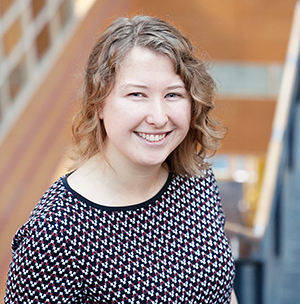
Eilif Pedersen is a Professor and Program Leader for Marine Technology at the Norwegian University of Science and Technology (NTNU). He leads the Department of Marine Technology under the Faculty of Engineering. His research focuses on mathematical modeling, simulation of machinery systems, and energy-efficient solutions in marine and offshore contexts. He is actively involved in projects such as SEACo, SFI Smart Maritime, and ViProMa, emphasizing virtual prototyping and hybrid power systems. Key research areas include bond graph methodology, thermodynamic system modeling, and dynamic analysis of marine systems. Pedersen supervises numerous PhD and industrial projects, including studies on hybrid propulsion, wind turbine dynamics, and fuel cell integration. He has contributed to over 50 publications, with recent work addressing co-simulation techniques, energy conservation in marine systems, and emission reduction strategies. His expertise spans marine engines, fluid dynamics, and renewable energy applications. Collaborations with industry partners like Rolls-Royce and Kongsberg Digital highlight his commitment to bridging academic research with practical maritime challenges.
Svein-Erik Hamran is a Professor at the University of Oslo's Centre for Space Sensors and Systems (CENSSS) , specializing in radar technology and planetary exploration. His work focuses on subsurface analysis using ground-penetrating radar (GPR), with significant contributions to missions like NASA's Perseverance rover (RIMFAX instrument) and ESA's ExoMars. He leads the CENSSS, advancing space sensor systems for planetary and terrestrial applications. Research Interests: Planetary radar systems, subsurface geophysics, Mars exploration, instrument development for space missions, and remote sensing techniques. His team develops advanced radar technologies to study Martian geology and subsurface structures, with applications in Earth's cryosphere and environmental monitoring. Recent Article Trends: Focus on Mars subsurface stratigraphy (Jezero Crater), radar attenuation analysis, and compact instrumentation for space missions. Collaborations span global institutions, emphasizing interdisciplinary approaches in planetary science. Scientific Awards: None explicitly listed. Advising/Grants: Active in mission-related projects but specific grants/students not detailed. Labs/Teams: Leads CENSSS, collaborates with NASA/JPL, ESA, and international geophysics groups.
Juergen Pfingstner is a Post-doctoral Fellow at the University of Oslo (since 2015) within the Department of Physics. His research focuses on advanced accelerator technologies, particularly at CERN's CLIC Test Facility (ATF2). Key areas include emittance preservation, ground motion mitigation, and free-electron laser (FEL) design. He holds a PhD from the Vienna University of Technology (2013) and a Master's in Electrical Engineering from Graz University of Technology (2008), specializing in control engineering and electromagnetic field computation. His academic journey includes a postdoctoral stint at CERN (2012–2014), where he investigated ground motion effects on CLIC performance. Collaborations span institutions like KEK (ATF2 facility) and the X-band FEL collaboration. Research interests bridge particle accelerator physics, control systems, and high-frequency radiation technologies. Publications emphasize CLIC final focus systems, wakefield suppression, and plasma wakefield acceleration. His work addresses both theoretical and experimental challenges in next-generation collider design, including THz radiation facilities and feedback control methodologies.
Ole Andre Øiseth is a Professor at the Department of Structural Engineering, Norwegian University of Science and Technology (NTNU), specializing in structural dynamics with focus on bridges and marine structures. He leads the structural mechanics research group. Research Interests: Wind Engineering Bridge Aerodynamics Structural Health Monitoring Operational Modal Analysis Fluid-Structure Interaction Extreme Load Analysis Key Contributions: Developed nonlinear force models for bridge aerodynamics Advanced Kalman filter techniques for wind load identification Environmental contour methods for bridge design Automated monitoring systems for long-span bridges
Bodil Holst is a Professor at the University of Bergen's Department of Physics and Technology , specializing in surface science and scientific instrumentation development . Her research spans 2D materials , helium atom scattering , and archaeometry applications. She leads projects like Nanometer-Resolution Matter-Wave Lithography (FET-Open), 2D Material Properties (NFR FRIPRO), and Wind Turbine Erosion Prevention (Equinor). Her Nanophysics Group has produced groundbreaking work on graphene's temperature-dependent rigidity and icephobic surfaces . First neutral helium microscope images (2008) Recorded bending rigidity of 2D materials (2018-2021) Developed solid-state conversion techniques for sapphire (2017-2021) Her teaching innovations in classical mechanics explore retrieval practice and digital learning structure , documented in Physics Education and Physical Review Physics Education Research .
Åste Marie Mjelve Hagen is a Professor at the Department of Special Needs Education within the Faculty of Educational Sciences at the University of Oslo. Her work focuses on evidence-based interventions for language and reading development in children, particularly those with special educational needs. Her educational background includes: Ph.D in Educational Psychology, University of Oslo, 2012 M.A. in Educational Psychology, University of Oslo, 2005 B.A., University of Oslo, 2003 Professor Hagen's research centers on language acquisition trajectories, vocabulary development in preschool settings, strategic reading comprehension, and school-based psychological interventions. She investigates how early childhood education impacts language outcomes and develops assessment tools for at-risk populations. Her methodology frequently employs systematic reviews and randomized controlled trials to establish causal relationships in educational interventions. Analysis of her 15 most recent publications reveals dominant themes in vocabulary interventions for second language learners, long-term language prognosis studies, and writing support for students with intellectual disabilities. Her work consistently bridges theoretical linguistics with practical classroom applications, emphasizing measurable outcomes through standardized assessments and treatment-inherent metrics. She leads significant research initiatives including “Better equipped for school”, “Inference skills in children”, and “Preventing and Improving Special Needs Education in Children with Language Problems”. As a core member of the Literacy and Numeracy in Context (LiNCon) research group, she contributes to Norway's national framework for evidence-based special education practices.
Astrid Marie Jorde Sandsør is a Professor at the Department of Special Needs Education, Faculty of Education, University of Oslo, and will serve as Vice Dean of Research at the Faculty of Education from January 2025-2029. She maintains strong affiliations with the Nordic Institute for Studies of Innovation, Research and Education (NIFU), where she has worked as a researcher, and serves as a principal investigator at CREATE - Centre for Research on Equality in Education. Her additional institutional roles include membership in the Young Academy of Norway, the Council of The Frisch Centre in Oslo, and affiliations with CESifo Research Network and the Institute for the Study of Labor (IZA). Dr. Sandsør earned her Doctorate in Economics from the University of Oslo in 2016 and her Master in Economics from the same institution in 2010. Her academic trajectory shows a consistent focus on empirical research in education economics, with early work examining small-group instruction effects and evolving toward comprehensive studies of educational inequality, early childhood interventions, and educational policy evaluation. Her research interests center on understanding and addressing educational inequality through rigorous empirical analysis. Sandsør investigates how socioeconomic background, genetic factors, and institutional arrangements interact to shape educational outcomes across the lifespan. Her work on universal early childhood education examines long-term effects on achievement gaps, while her research on admission systems analyzes mechanisms of access to higher education. She has made significant contributions to understanding gender differences in language learning, the impact of teacher density norms, and the effectiveness of interventions for at-risk students. Her methodological approach combines administrative data analysis, randomized field experiments, and causal inference techniques to produce policy-relevant findings. Analyzing her recent publication record reveals a strong focus on the intersection of genetics, environment, and educational outcomes, alongside persistent examination of socioeconomic inequality in education. Her work demonstrates increasing methodological sophistication, moving from descriptive analyses to experimental and quasi-experimental designs that establish causal relationships. The geographic focus remains predominantly Norwegian, leveraging the country's rich administrative data systems while contributing comparative insights to international literature on educational inequality and policy effectiveness. Through her position at NIFU and the University of Oslo, Sandsør has led numerous government-commissioned evaluations of educational policies, including assessments of teacher density norms, the teacher specialist scheme, and admission systems to higher education. Her research has directly informed Norwegian educational policy debates, particularly regarding equitable access to quality education and evidence-based interventions for reducing achievement gaps. She maintains active engagement with policymakers through expert testimony, commissioned reports, and public dissemination of research findings.
Elena Marianne Pummer is a Professor in the Department of Civil and Environmental Engineering at NTNU. She specializes in hydraulic engineering, with a focus on hydrodynamics, sediment transport, and glacial lake outburst floods (GLOFs). Her research integrates experimental modeling, CFD simulations, and field studies to address challenges in hydropower, flood mitigation, and infrastructure design. Education: Dr.-Ing., RWTH Aachen University, Germany (2016) Dipl.-Wirtsch.-Ing., TU Darmstadt, Germany (2011) Research Interests: Her work spans hydraulic structures, ethohydraulics, and the dynamics of high-speed flows. She leads projects on GLOF hydraulics, underground pumped storage plants, and culvert blockage analysis. Key areas include sediment transport modeling, experimental validation of CFD frameworks, and sustainable hydropower solutions for climate resilience. Publications: Recent work addresses GLOF mechanisms in Peru, spillway capacity optimization, and CFD studies of supercritical flows. Her publications emphasize practical applications in infrastructure design and environmental risk management. Awards: 2019: DTK & WasserWirtschaft Studienpreis (3rd place) 2018: Young European Talent Award 2017: Friedrich-Wilhelm and ICOLD Young Engineers Awards Leadership & Projects: She chairs committees including IAHR's Hydraulic Structures and EERA's Hydropower SP2. Current projects include RenewHydro (sediment management), HydroCen (hydraulic structures), and Energydam (non-powered dam retrofitting). Advising: Supervises PhD students in GLOF hydraulics (Jan Hrebrina) and InSpillyFish (Nils Solheim). Past advisees include Subhojit Kadia (supercritical flows) and Joakim Sellevold (culvert hydraulics). Labs/Teams: Leads experimental hydraulics research at NTNU, collaborating with global institutions on projects like Pen@Hydropower (hydropower potential analysis) and Kajak Waves (nature-based infrastructure solutions).
Simon David Clatworthy is a Professor at the Department of Design, Oslo School of Architecture and Design. With a business leadership background, he pioneered interaction design and service design at AHO. His work focuses on experience-centric organizations, emphasizing service design's role in creating value through customer, user, and employee experiences. 20+ years service design research Co-founder of SFI projects: CSI & C3 Collaborations with Telenor, Posten, DNB Research spans service innovation, organizational transformation, and tangible design tools. Recent work explores service materials like aesthetics, culture, and experiential structures. He teaches service design at both bachelor and master levels. Publications include 15+ service design books/chapters, with 2023's The Materials of Service Design as a key contribution. His AT-ONE methodology remains foundational in service innovation. Current explorations involve sensory experiences in public spaces (2024's The Garden of Senses ) and cultural plurality in service design (2021's Narrating Service Design ).
Marcos Caballero serves as Associate Professor at both the University of Oslo's Center for Computing in Science Education and Michigan State University. His work bridges physics education research with computational science instruction across educational levels from high school to graduate programs. His educational background includes: B.S. in Physics from University of Texas at Austin (2004) M.S. in Physics from Georgia Institute of Technology (opto-microfluidics research) Ph.D. in Physics Education Research from Georgia Tech (2011, first PER-focused doctorate there) Postdoctoral research at University of Colorado Boulder Caballero's research investigates how computational tools and science practices shape physics learning, employing both cognitive and sociocultural theoretical frameworks. Key projects examine measurement uncertainty assessment, computational literacy development, and equity in graduate admissions. His work spans micro-level analyses of student coding comprehension to macro-level studies of computing's impact across degree programs, with significant contributions to transforming upper-division physics curricula toward active learning environments. His recent publications (2021-2024) reveal concentrated focus on measurement uncertainty assessment instruments , computational thinking frameworks , and holistic graduate admissions reform . These works demonstrate increasing methodological sophistication through NLP applications and large-scale educational data analysis, while maintaining practical relevance for physics classroom transformation. Caballero co-founded Georgia Tech's Physics Education Research group and currently leads UiO's Center for Computing in Science Education and Michigan State's Physics Education Research Lab . His international partnership for computing in science education drives cross-institutional curriculum development, focusing particularly on integrating computational practices into core physics instruction while addressing equity challenges in STEM education.
Aurora Martinez is a Professor in the Department of Biomedicine at the University of Bergen, Faculty of Medicine. She leads the Biorecognition research group, focusing on the structural and functional aspects of biomolecules in neurometabolic disorders such as phenylketonuria (PKU) and dopamine synthesis defects. She is also a partner in the KG Jebsen Centre for Neuropsychiatric Disorders and a Toppforsk-funded project on the Arc protein, a master regulator of synaptic plasticity. Position: Professor Institution: University of Bergen Department: Department of Biomedicine Research Group: Biorecognition Email: aurora.martinez@uib.no Her research integrates structural biology, molecular recognition, and drug discovery to develop therapeutic strategies for genetic and neurodegenerative diseases. Key areas include tyrosine hydroxylase regulation, mitochondrial dysfunction in dopaminergic cells, and neurotransmitter transport mechanisms. She employs biochemical, cellular, and computational approaches to understand disease mechanisms and identify novel therapeutics. The recent publications (2023–2025) reflect a strong trend toward understanding dopamine-related pathways, protein stabilization, and therapeutic interventions in Parkinsonism and related disorders. Themes include chaperone-mediated protein stabilization, high-throughput screening for VMAT2 modulators, and computational tools for drug discovery. The work combines experimental validation with translational applications in neurodegenerative models. She has supervised multiple Master’s students, including Md. Ekhtear Mahmud, Sofie Breisnes Wormdahl, and Kristine Kippersund Brokstad, indicating active mentorship and training roles. Her involvement in large-scale collaborative projects highlights leadership and interdisciplinary engagement. While no specific awards are listed, her participation in prestigious programs like Toppforsk and the KG Jebsen Centre underscores recognition and funding success. She has no listed grants explicitly, but project affiliations suggest competitive funding support. Her research group maintains strong technical capabilities in protein analysis, cellular screening, and structural modeling. The Martinez Lab is actively involved in both fundamental and applied research, with future directions likely to expand into gene therapy, precision medicine for metabolic disorders, and neuroprotective strategies.
Ymkje Elisabeth Haverkamp is a Doctoral Research Fellow at the Department of Education , University of Oslo (UiO), specializing in digital literacy, reading comprehension, and quantitative research methods. She is affiliated with the research groups DEAL (Development, Equity, and Literacy in Learning Contexts) and projects like CrossREAD (Reading across mediums, devices, and contexts). Education: MSc in Assessment, Measurement, and Evaluation (2020, UiO); BSc in Psychology (2018, Leiden University). Her research focuses on digital reading behaviors, multitasking effects on comprehension, and self-efficacy in academic writing. She investigates how screen size, text movement, and prior knowledge influence learning outcomes, particularly in multidocument contexts. Recent publications highlight trends in digital literacy, behavioral engagement, and cognitive strategies. Her work employs quantitative methodologies to analyze how learners process conflicting texts, integrate information, and adapt to dynamic digital environments. Contact: y.e.haverkamp@iped.uio.no | Room 574 | Phone: +47 22858130
Tian Li is an Adjunct Associate Professor at the Department of Energy and Process Engineering, Faculty of Engineering, Norwegian University of Science and Technology (NTNU). Based at the Varmeteknisk building on the Gløshaugen campus, Dr. Li is affiliated with the ComKin Group and has been actively involved in numerous research projects focused on biomass conversion and combustion technologies since 2011. Dr. Li's research primarily focuses on: Biomass gasification and combustion technologies Computational Fluid Dynamics (CFD) modeling of energy conversion processes Multiphase flow and reaction kinetics in thermochemical processes Turbulence modeling in combustion systems Development of simulation tools for bioenergy applications Over the past decade, Dr. Li has led or contributed to multiple significant research projects funded by the Norwegian Research Council and industrial partners, including BioCarbUp, GASPRO, GrateCFD, GAFT, BioCarb+, CenBio, and GasBio. These projects have focused on optimizing biomass conversion processes for sustainable energy production. Dr. Li's publication record shows consistent contributions to high-impact journals in the energy and combustion fields, with a strong emphasis on computational modeling approaches. The research demonstrates expertise in developing and validating models for biomass conversion processes, with applications ranging from industrial-scale biomass furnaces to fundamental particle-level phenomena. Dr. Li has developed significant expertise in various computational tools and programming languages: Software: OpenFOAM, ANSYS Fluent, ANSYS ICEM CFD, Star-CD, MFiX, CHEMKIN, LOGEsoft, LabVIEW Programming: C/C++, Python, Fortran, Matlab Through participation in major research centers like CenBio (Bioenergy Innovation Centre), Dr. Li has contributed to advancing Norway's bioenergy research capabilities and fostering collaboration between academia and industry in the sustainable energy sector.
Adam Palmquist is a Professor at Nord University, leading the HABIT research group focused on human-centered AI, behavior analytics, and technology design. He holds a PhD in Applied Information Technology for Learning and specializes in gamification, learning analytics, VR games, and organizational learning dynamics. His work bridges academia and industry, addressing real-world challenges through cross-disciplinary collaboration. Education: PhD in Applied Information Technology for Learning. Research Interests: Palmquist’s research explores gamification’s role in lifelong learning, AI integration in education, and VR game development. He investigates how generative AI, learning analytics, and game mechanics enhance engagement and motivation. His studies on group processes in workplace learning highlight frameworks for effective organizational learning systems. Current Projects: GOAL: Uses gamification to train leadership in crisis scenarios, funded by the University of Borås. ETUS: Enhances game research via eye-tracking and analytics, funded by Nord University. BiP: Studies remote-first VR game development methodologies, funded by Erasmus+. Scientific Affiliations: Member of the University of Gothenburg’s research team, steering committee for the Design Society’s Data Informed Design group, and the Swedish Game Researcher Council. Grants & Advising: Active in Nordic and international collaborations, including the Norwegian Centre for Excellence in IT Education (EXCITED). Supervises Izabella Jedel’s PhD on gamification in higher education. Labs/Teams: Heads HABIT, which integrates experts from Journalism, Games, Business, and Social Work to develop innovative tech solutions.
Roger Skjetne is a Professor in Marine Control Engineering at the Norwegian University of Science and Technology (NTNU), affiliated with the Department of Marine Technology under the Faculty of Engineering. His research focuses on autonomous ships, dynamic positioning systems, energy and power management for hybrid-electric vessels, Arctic stationkeeping, and ice management systems. He leads the SFI Autoship research center, which aims to advance autonomous ship technology for safe and sustainable operations in Arctic and maritime environments. Key projects include DigitalSeaIce (multiscale sea ice observation), ENDURE (safety solutions for autonomous ships), and ZEVS (zero-emission passenger vessel systems). His work integrates control systems, robotics, and environmental monitoring to address challenges in marine autonomy and energy efficiency. Skjetne’s research has produced over 150 publications since 2020, with a focus on hybrid control barrier functions, energy optimization, and autonomous navigation. He collaborates with industry partners to translate academic findings into practical maritime solutions.

%20/sveinerh/seh2020.jpg)