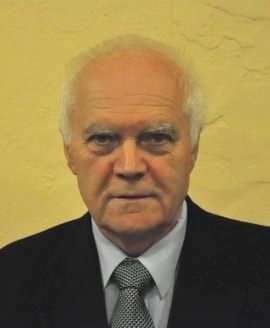
Andrea Bastianin is an Associate Professor of Economic Policy at the Department of Economics, Management, and Quantitative Methods (DEMM) at the University of Milan. He also serves as Director of the RAMET program at Fondazione Eni Enrico Mattei and organizes the Milan Time Series Seminars. His research focuses on Time Series Econometrics, Environmental Economics, and Energy Economics, with a particular emphasis on structural economic models, policy evaluation, and climate change impacts. Bastianin explores macroeconomic spillovers, energy transition metals, and the socio-economic effects of large-scale research infrastructures like CERN projects. His work bridges theoretical econometric advancements with applied analyses of energy markets, climate policies, and technological innovation. His academic contributions span over two decades, with recent studies analyzing carbon market drivers, weather shock effects on regional economies, and procurement-driven innovation in big science. He has conducted extensive research on oil and gas market dynamics, regulatory reforms in network industries, and the interplay between environmental policies and economic growth. Bastianin’s methodologies often involve advanced structural VAR models, mixed-frequency data analysis, and survival analysis techniques to assess innovation gestation lags. Notable research highlights include evaluating the socio-economic impact of particle accelerator projects, quantifying the connectedness of energy transition metals, and forecasting carbon prices using macroeconomic factors. His work frequently addresses policy-relevant questions, such as the effectiveness of climate mitigation policies and the role of public procurement in fostering technological advancement. Bastianin maintains active collaborations with international institutions like CERN and contributes to interdisciplinary studies on infrastructure impacts, environmental governance, and energy policy. His research has been disseminated through leading journals and platforms like arXiv, Google Scholar, and RePEc, showcasing a commitment to both academic rigor and real-world applicability.