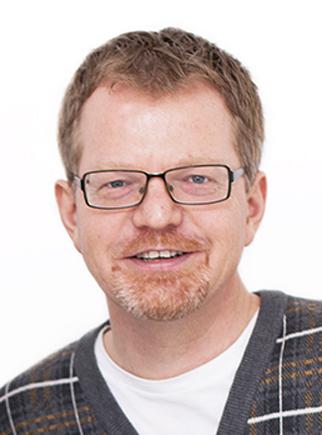
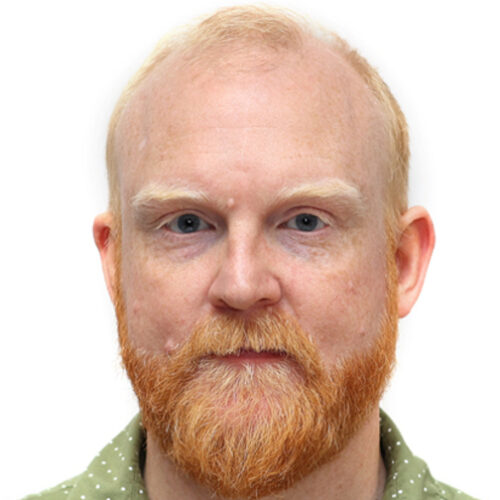
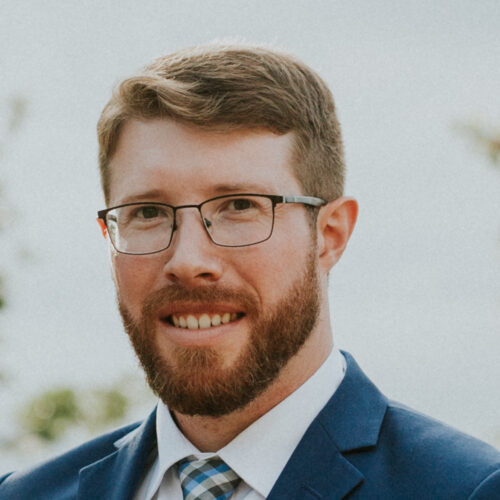
Jostein Kjærandsen is a Professor at UiT The Arctic University of Norway, affiliated with Tromsø University Museum. His research focuses on insect diversity patterns, taxonomic frameworks, and the functional evolution of organs like genitalia and wings within Diptera, particularly Sciaroidea (fungus gnats). Research Interests : Taxonomy, biosystematics, DNA barcoding, molecular phylogeny, and biodiversity assessment of Diptera, especially Mycetophilidae and Keroplatidae. Students : Supervised PhD candidate Jon Peder Lindemann. Email : jostein.kjarandsen@uit.no Recent Articles highlight integrative taxonomy using DNA barcoding, molecular phylogenies of fungus gnats, and the role of museum collections in species discovery. His work addresses taxonomic impediments for 'dark taxa' while advancing reference libraries for global biodiversity studies.
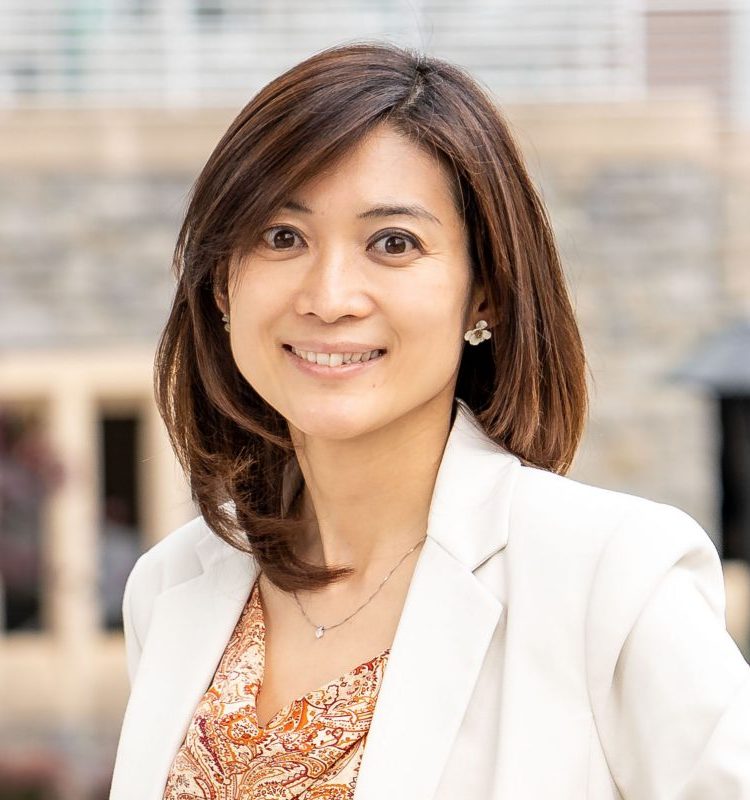
Junco Warren, PhD, is an Assistant Professor at the Fralin Biomedical Research Institute and Virginia Tech’s Department of Human Nutrition, Foods, and Exercise. She holds an adjunct appointment at Kumamoto University, Japan. Her research focuses on metabolic reprogramming in heart failure, particularly mechanisms linking energy metabolism dysfunction to cardiac pathology. Key interests include mitochondrial bioenergetics, metabolomics, and epigenetic regulation in cardiac disease. Education: PhD in Pharmacology (SUNY Medical School, 2007), B.A. in International Economics (Aoyama-Gakuin University, 1997). Research Interests: Her work investigates how metabolic dysregulation drives heart failure progression, with emphasis on PERM1 and Smyd1 proteins. Projects include metabolomics-based biomarker discovery and therapeutic strategies targeting mitochondrial function. Awards: Notable recognitions include the 2023 Seale Innovation Award, 2016 BCVS Early Career Investigator Award, and multiple NIH and American Heart Association grants. Grants/Advising: Leads the Warren Lab, mentoring graduate and undergraduate students. Current projects involve PERM1 gene therapy in heart failure models and collaborations on mitochondrial dysfunction mechanisms. Lab Affiliations: Center for Vascular and Heart Research at Fralin, with international collaborations in Japan and the U.S.
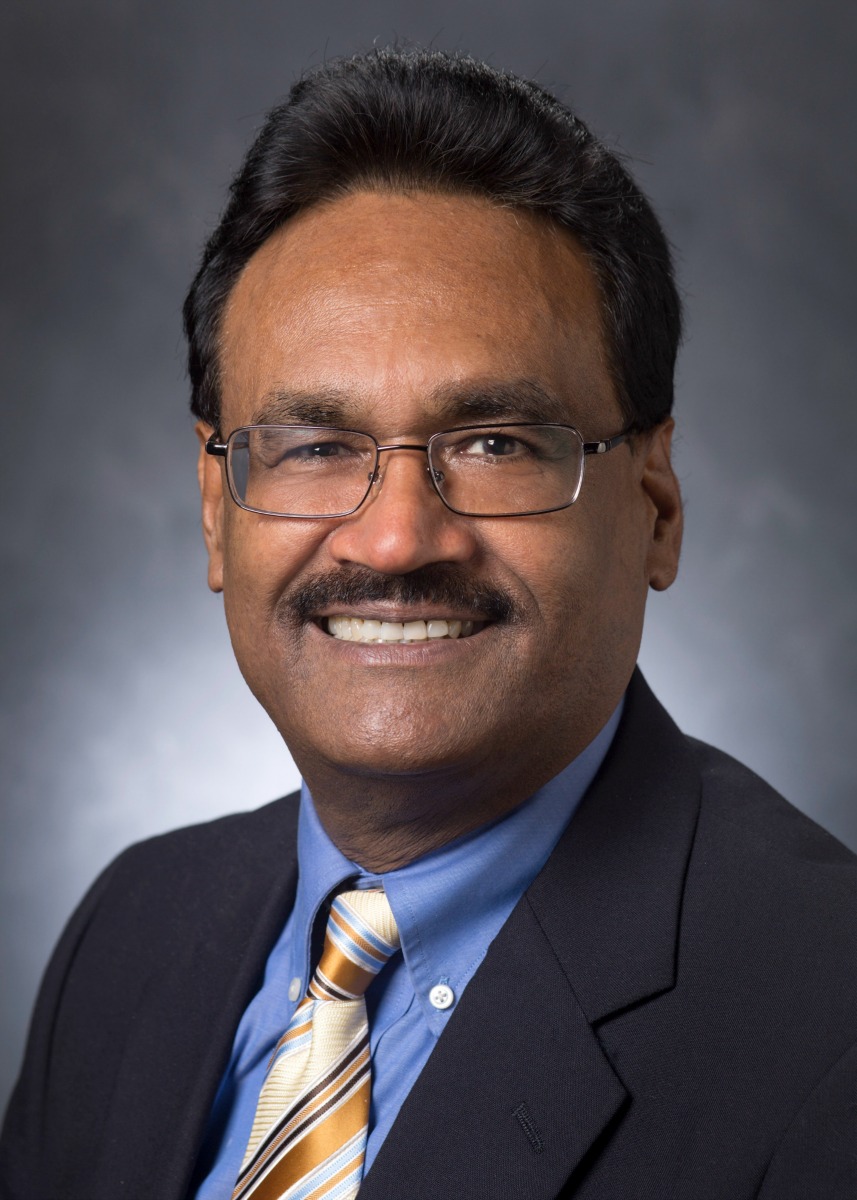
Dr. Ranjith Ramanathan is a Professor in the Department of Animal and Food Sciences at Oklahoma State University, holding the Leo & Kathy Noltensmeyer Endowed Research Chair. He earned his Ph.D. in Animal Science from the University of Connecticut (2012), and his Bachelor's in Veterinary and Animal Science from Kerala Agricultural University, India (2004). With over 13 years of faculty experience, he specializes in meat science, focusing on meat quality, myoglobin biochemistry, and mitochondrial function. He has secured $7.3M in research grants and published 101 peer-reviewed articles. His research addresses meat discoloration mechanisms, applying metabolomics and AI techniques. He has mentored 19 graduate students and 54 committee roles, alongside training 32 undergraduates. Teaching includes four food science courses: Fundamentals of Food Science, Food Chemistry, Analysis of Food Products, and Advanced Food Chemistry. He is recognized for teaching excellence by multiple institutions. Key achievements include: Development of novel tools for meat color analysis (e.g., electrochemical and spectroscopic methods) Advances in understanding dark-cutting beef metabolism and mitochondrial roles Strategies to mitigate meat waste via improved packaging and storage Scientific awards include honors from the American Society of Animal Science, American Meat Science Association, and NACTA. His work emphasizes sustainable food systems and reducing post-harvest losses.
Haihong Zong, M.D., is a Clinical Assistant Professor in the Department of Medicine (Endocrinology) at Albert Einstein College of Medicine. Their research focuses on the integrative role of Integrin Beta1 signaling in diabetes pathophysiology, particularly its cross-talk with insulin action in vivo. Zong's work bridges cellular signaling pathways with metabolic disorders, emphasizing molecular mechanisms underlying insulin resistance and obesity. Key research interests include metabolic regulation, adipocyte biology, and the interplay between inflammation and energy homeostasis. Publications highlight studies on adipose tissue remodeling, cytokine signaling, and genetic models of metabolic dysfunction. Zong collaborates extensively with institutions like the National Institutes of Health (NIH) and international research teams. Their studies often involve mouse models to dissect pathways such as SREBP inhibition, Fyn kinase regulation, and autophagy in metabolic tissues. No formal student advising roles or named grants are explicitly listed in the provided text. However, Zong’s collaborative network includes prominent researchers like Jeffrey E. Pessin and Gerald I. Shulman, indicating active participation in multi-institutional projects. Laboratory affiliations include metabolic research facilities at Einstein College of Medicine, focusing on adipose biology and insulin signaling mechanisms.
Ashley Milam is an Associate Professor in the Department of Biology at Saint Louis University within the College of Arts and Sciences. Her research focuses on cellular/molecular immunology and autoimmunity, particularly investigating how T cell affinity for self-antigens and metabolic pathways influence immune responses in diseases such as type 1 diabetes, colitis, multiple sclerosis, and bacterial infections. Education: B.S. in Biological Engineering (University of Missouri-Columbia), Ph.D. in Immunobiology (Yale University). Research interests include CD4+ T cell behavior, T cell receptor (TCR) signaling dynamics, and the role of cellular metabolism in immune regulation. Her work bridges basic immunology with translational models of autoimmune and infectious diseases. Recent studies explore how tonic TCR signaling impacts T follicular helper cell development and metabolic profiles, with implications for vaccine design and autoimmune therapies. Awards: No specific awards listed, though her work has been published in high-impact journals like Immunity, Nature Scientific Reports, and the Journal of Immunology. Advising/Grants: No named grants or advisees stated in provided materials. Her research is likely supported by institutional funding and collaborative grants. Labs/Teams: Affiliated with SLU's immunology research programs, though specific lab names not mentioned.
Jeremy Bird is an Assistant Professor in the Department of Biological Sciences at the University of Delaware’s College of Arts & Sciences. His research focuses on the interplay between cellular metabolism and transcriptional regulation, particularly the role of non-canonical initiating nucleotides (NCINs) in RNA capping. He holds a BS from Loyola University in Maryland, a PhD from Cornell University, and completed post-doctoral research at Rutgers University’s Waksman Institute of Microbiology. Dr. Bird’s work investigates how metabolic states influence transcription by RNA polymerases, with emphasis on mitochondrial RNAPs and their use of NAD(H) and dpCoA as capping metabolites. His lab employs genetic, biochemical, and next-generation sequencing approaches to study transcription initiation, elongation, and termination dynamics. Key discoveries include NAD-cap-dependent regulation of RNA stability and its redox-state sensitivity, suggesting a novel epitranscriptomic regulatory layer. Recent projects explore functional implications of metabolite caps, metabolic/transcriptional crosstalk, and applications to mitochondrial dysfunction in diseases. His research has been published in high-impact journals, with a focus on mechanistic studies of transcriptional regulation across prokaryotes and eukaryotes.
Lisa Bouchier-Hayes, Ph.D., is an Associate Professor in Pediatrics (Hematology-Oncology) and holds additional roles as Assistant Professor in Molecular and Cellular Biology at Baylor College of Medicine, Houston, Texas. She is also a Staff Scientist in Immunology at St. Jude Children's Research Hospital. Her research focuses on understanding the molecular mechanisms of apoptosis and non-apoptotic functions of caspases, particularly in cancer and inflammation. She leads the Bouchier-Hayes Lab, which pioneered fluorescence complementation techniques (Caspase BiFC) to study caspase activation dynamics. Education: B.A. and Ph.D. from Trinity College Dublin (1998–2002), followed by postdoctoral training at the La Jolla Institute of Allergy and Immunology and St. Jude Children's Research Hospital. Research interests include caspase regulation in cancer suppression, DNA damage responses, and inflammasome activation in inflammatory diseases. Her lab uses advanced imaging methods to analyze caspase pathways in single cells. Key projects include investigating caspase-2's tumor suppressor role via nucleolar signaling complexes and dissecting inflammatory caspase activation mechanisms. Supported by NIH grants, her work bridges apoptosis biology with translational medicine. Lab members include postdoctoral associates, graduate students, and fellows. Publications highlight studies in J Immunol , Cell Death Differ , and Molecular Cell , focusing on caspase signaling, inflammasomes, and cancer biology. Her techniques enable real-time analysis of caspase activation, advancing understanding of cell death pathways in health and disease.
Dr. Vivien Chen is an Associate Professor at the Concord Clinical School, University of Sydney, and leader of the Platelet and Thrombosis Research Laboratory at the ANZAC Research Institute. She holds clinical roles as a staff specialist haematologist at Concord Repatriation and General Hospital, leading the thrombosis clinic. Her research focuses on platelet biology, coagulation in cancer, and thrombotic mechanisms in cardiovascular diseases, with a translational emphasis on clinical applications. Education: MBBS (University of Sydney), BA, PhD (University of New South Wales), postdoctoral training at Harvard Medical School. Her expertise bridges basic science and clinical practice, particularly in cancer-associated thrombosis and myeloproliferative disorders. Research Interests: Dr. Chen investigates procoagulant platelet formation pathways, mitochondrial function in platelet activation, and thrombotic complications in conditions like coronary artery disease and sepsis. Her work also explores predictive biomarkers for thrombotic outcomes and novel antithrombotic strategies. Awards: Over 15 prestigious awards, including the Eberhard Mammen Young Investigator Award, NHMRC CJ Martin Fellowship, and University Medal for Medicine. Her recognition spans clinical, research, and educational contributions in thrombosis and haematology. Grants & Collaborations: Leads projects funded by NHMRC, National Heart Foundation, and international networks. Collaborates with institutions in Singapore and the UK on thrombosis mechanisms and clinical trials. Current studies include platelet-targeted therapies for coronary artery disease and biomarker discovery in myeloproliferative neoplasms. Labs & Teams: Directs the Platelet and Thrombosis Research Laboratory, integrating vascular biology and clinical haematology research. Engages in interdisciplinary projects with the Sydney Platelet Group and ANZAC Research Institute.
Kimberly Siegmund, PhD, is a Professor of Population and Public Health Sciences at the University of Southern California. She serves as Associate Chief of Education in Biostatistics, integrating advanced statistical methodologies with biomedical research. Her work focuses on cancer modeling, DNA methylation, and epigenetic data analysis in human diseases, particularly in prostate cancer, bladder cancer, and pediatric leukemia. Dr. Siegmund’s research combines mathematical and computational approaches to understand tumor growth, metastasis, and the impact of environmental factors on epigenetic profiles. Her research interests include the development of statistical models for high-dimensional data, epigenetic biomarker discovery, and the role of DNA methylation in disease progression. She has contributed significantly to understanding the epigenetic mechanisms underlying cancer heterogeneity and has pioneered methods for analyzing mutational signatures in tumors. Dr. Siegmund’s publications span over three decades, addressing topics such as epigenome-wide association studies, the impact of smoking and air pollution on methylation patterns, and the application of statistical frameworks to cancer epidemiology. Her work often bridges clinical and population-level analyses, with a focus on translational research to improve diagnostic and prognostic tools. Key collaborations include the Southwest Oncology Group (SWOG) and the Colorectal Cancer Family Registry, emphasizing her commitment to interdisciplinary cancer research. She has also developed computational tools like Methcon5 and iMutSig to advance epigenetic and mutational signature analyses.
Cora C Hart is a Researcher in the Department of MD-PHARMACOLOGY / THERAPEUTICS at the University of Florida. Her work focuses on muscular dystrophy, cardiomyopathy, and gene therapy, with a particular emphasis on preclinical models and therapeutic limitations. She is mentored by Lee Sweeney, PhD. Contact: coracricket@ufl.edu . Research interests include Duchenne muscular dystrophy pathophysiology, mitochondrial dysfunction in cardiac tissue, and the development of animal models for cardiomyopathy. Her recent studies explore microdystrophin gene therapy limitations and the role of glucocorticoids in muscle hypertrophy. Publications span topics like myoblast fusion mechanisms and skeletal muscle pathology modeling. No awards or grants are explicitly listed. Her current position involves collaborative research under the mentorship of Dr. Lee Sweeney, with no listed advisees. Lab affiliations or future projects are not detailed in the provided text.
Sonia Lain is a Professor at Karolinska Institutet's Department of Microbiology, Tumor and Cell Biology. She leads the 'Discovery and Elucidation of the mechanisms of Action of Tumour Selective Compunds' research group, part of the Division of Tumor Biology. Her work focuses on identifying molecules with therapeutic potential for cancer, particularly targeting DHODH (dihydroorotate dehydrogenase) inhibitors and p53 pathway activation. She holds a Docent degree from Karolinska Institutet (2012) and has been a professor since 2015. Her research integrates biochemistry, cell biology, and molecular oncology to develop novel cancer therapies. Research interests include tumor-selective compounds, pyrimidine metabolism, and the p53 signaling pathway. Her group investigates how DHODH inhibitors disrupt cancer cell proliferation while sparing normal cells. Key projects involve modulating nucleotide imbalance in tumors and understanding mechanisms of drug resistance. Publications highlight advancements in DHODH inhibitor mechanisms, metabolic effects of these compounds, and p53 activation strategies. The lab's work has been featured in journals like Nature Communications and Cell Chemical Biology . Collaborations with institutions like KTH and the University of Oxford underscore interdisciplinary approaches to drug discovery. No specific grants or awards are listed, but her group's research is supported by donations. She advises on lab activities but no formal student names are provided. The lab's future work includes optimizing DHODH inhibitors for clinical translation and exploring combination therapies.
Dr. Siavash K. Kurdistani is a Professor in Biological Chemistry and Pathology & Laboratory Medicine at the David Geffen School of Medicine, UCLA . With a dual MD (1999) and PhD background, his research spans chromatin biology, histone functions, and their implications in cancer and neurodegenerative diseases. Department Chair, Biological Chemistry Co-Director, UCLA Broad Stem Cell Research Center Member, UCLA Molecular Biology Institute His research focuses on: Histone post-translational modifications Metal ion homeostasis via chromatin Epigenetic-metabolic crosstalk Chromatin structure and disease mechanisms Evolution of chromatin regulatory systems Transcriptional regulation in cancer Key recent publications reveal histones as metabolic regulators with enzymatic activities (copper/zinc reductase) impacting yeast aging (2025), neurodegeneration (2021), and cancer metabolism (2022). His work on MLLT3 (2019) and nuclear deformation (2022) has been widely cited. Honors include: ASCI membership (2019) Kavli Fellow (2011) NIH Director's Innovator Award (2009) HHMI Early Career Award (2006-2009) Beckman Young Investigator (2007) He has secured multiple NIH grants and collaborates across biochemistry, medicine, and systems biology. The Kurdistani Lab (est. 2004) employs yeast, cancer cells, and stem cells to investigate chromatin's role in disease. Current projects explore histone biochemistry in Friedreich's ataxia and epigenetic reprogramming in neuroendocrine cancers.
Dr. Rakesh K. Singh is a Professor in the Department of Food Science & Technology at the University of Georgia, part of the College of Agricultural and Environmental Sciences (CAES). His research focuses on value-added food processing using advanced technologies such as UV irradiation, high-pressure processing (HTST), atmospheric cold plasma, and radio frequency (RF) heating. Key projects include aflatoxin decontamination in peanuts, pathogen inactivation in dairy and juices, and optimization of food powder pasteurization. He teaches courses such as Food Science Internship (FDST 3910/8910) and Multidisciplinary Topics in Foods (FDST7020E). His work bridges food safety, engineering, and biochemical analysis, with recent publications emphasizing novel decontamination methods and material science applications in food processing. Research interests span food safety innovations, thermal and non-thermal processing technologies, and the physicochemical properties of food matrices. Notable studies include RF-assisted milk powder pasteurization, cold plasma modification of dairy proteins, and UV/H₂O₂ detoxification systems. His contributions address challenges in food preservation, microbial control, and quality enhancement across diverse products like meats, juices, and spice powders. Publications highlight interdisciplinary approaches, combining engineering principles with biochemical insights. Recent trends in his work include optimization of RF heating uniformity, evaluation of novel antimicrobial coatings, and mechanistic studies of food toxin interactions. His research has implications for both industrial food processing and academic advancements in food safety methodologies.
Douglas Paton is an Assistant Professor in the Department of Infectious Diseases and Joint Faculty at the Savannah River Ecology Laboratory. His research focuses on malaria transmission dynamics, particularly the interaction between Plasmodium falciparum parasites and Anopheles mosquitoes. His work combines lab-based molecular biology with field studies in sub-Saharan Africa to develop novel strategies for reducing the global malaria burden. Key areas include Plasmodium mitochondrial function, mosquito vector biology, and ecoevolutionary consequences of interventions. Research interests include Plasmodium transmission mechanisms, Anopheles vector competence, and malaria elimination strategies. His lab employs multi-omics approaches, experimental infections, and field studies at SREL to investigate vector-parasite interactions during critical developmental stages like diapause. Recent efforts emphasize CRISPR-based genetic control, steroid hormone signaling modulation, and antimalarial delivery systems to mosquitoes. Publications highlight breakthroughs in mosquito population control, antimalarial efficacy in vectors, and understanding resistance mechanisms. Paton's work bridges basic science and applied public health, aiming to inform sustainable malaria control policies. He collaborates with global health organizations and field researchers to translate laboratory findings into real-world interventions.
Dr. Daniel Peach is an Assistant Professor in Vector Ecology and Infectious Diseases at the University of Georgia, affiliated with the Savannah River Ecology Laboratory and the Department of Infectious Diseases in the College of Veterinary Medicine. His research focuses on mosquito ecology, vector-borne disease dynamics, and the application of ecological insights to vector control. He investigates topics such as mosquito-plant interactions, host location behavior, and the biogeography of vector species. His work combines field studies, molecular techniques, and computational models to understand vector ecology and transmission pathways. Recent studies include investigations into invasive mosquito species in Canada, the role of nectar microbes in mosquito pollination, and the sensory mechanisms driving mosquito behavior. Dr. Peach leads the Peach Lab at the Savannah River Ecology Laboratory, which emphasizes interdisciplinary approaches to vector ecology. His research has been published in journals such as Current Opinion in Insect Science, PLOS ONE, and BMC Ecology and Evolution. While no formal awards are listed, his contributions to understanding vector ecology and disease dynamics are widely recognized in entomological and public health circles. Future work includes expanding studies on invasive species impacts, climate-driven range shifts in mosquitoes, and developing novel control strategies based on sensory ecology principles.