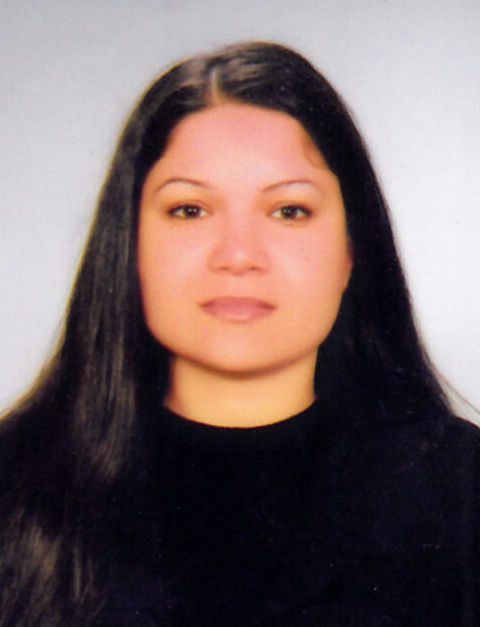
Margret Helene Bülow is a group leader at the Clinic for Cardiac Surgery , University Hospital Düsseldorf, and leads the Membrane Contact Sites & Central Biobank for Cardiac Surgery (CBBC) research group. Her work focuses on subcellular processes in neurodevelopment using Drosophila melanogaster as a model organism. Research areas: Organelle interactions, lipid metabolism, and mitochondrial dynamics. Key findings: ER-mitochondria contacts regulate hydrogen peroxide production for neuronal activity; peroxisomes control neuropeptide secretion via Golgi interactions. Her recent publications highlight studies on lipid redistribution, metabolic diseases, and organelle communication in Drosophila . She collaborates with the Cure3D lab , focusing on neurodevelopmental mechanisms with organismal-level impacts.
Jose M. G. Vilar is an Ikerbasque Research Professor leading the Computational Systems Biophysics Laboratory at the Biofisika Institute, a joint research center of the Spanish National Research Council (CSIC) and the University of the Basque Country (EHU) in Leioa, Spain. His interdisciplinary work bridges physics, biology, and computational modeling to understand complex biological systems, particularly those involved in cancer. His educational background includes a BSc, MSc, and PhD in Physics from the University of Barcelona, followed by postdoctoral training at Princeton University and The Rockefeller University. He has held significant research positions at the Howard Hughes Medical Institute, Memorial Sloan-Kettering Cancer Center, and Cornell University, where he served as Assistant Professor. Dr. Vilar's research focuses on the application of mathematical and computational models to unravel the dynamics of biological networks. His work emphasizes noise, feedback, and emergent behaviors in gene regulation, signaling pathways, and cellular decision-making. He has made seminal contributions to understanding the p53 pathway, apoptosis, and the thermodynamic principles underlying biological circuits. The analysis of his publication record shows a consistent trend in systems-level understanding of biological processes using stochastic and deterministic modeling. His work spans cancer biology, synthetic biology, epigenetics, and information processing in cells, reflecting a deep integration of physics-based approaches into modern biomedicine. His scientific honors include: European Union Big Data technologies Horizon prize Werfen-Izasa-Beckman-Coulter prize in Biophysics He has also contributed to the scientific community as a member of review panels for the European Research Council, National Cancer Institute, and the New Jersey Commission on Cancer Research. Dr. Vilar leads an active research group focused on computational systems biophysics and has published in leading journals such as Nature , PNAS , and Physical Review Letters . Although specific student names are not listed, his leadership of a research laboratory implies active mentorship and training of graduate students and postdoctoral researchers. His work continues to advance the frontiers of quantitative biology. The Computational Systems Biophysics Laboratory develops theoretical and computational tools to model, simulate, and analyze biological networks, aiming to uncover design principles of cellular systems and identify potential therapeutic targets in diseases like cancer.
Sefer Baday is an Assistant Professor at Istanbul Technical University's Informatics Institute, Department of Informatics Applications , holding a PhD from the University of Basel (2013). His interdisciplinary research bridges computational biology, structural bioinformatics, and drug discovery. Education: PhD (Computational Biology, University of Basel), MA (Computational Sciences, Koç University), Licence (Chemical Engineering, Bogazici University) Positions: Assistant Professor (2015–present, Istanbul Technical University); Research Assistant (2014–2015, University of Cambridge; 2009–2014, University of Basel) Research Interests: Focus on computational modeling of biological systems, including: Mechanistic studies of ion channels (Ryanodine receptors) Machine learning for molecular docking acceleration Force field optimization for drug interactions Peptide engineering for therapeutic applications Antiviral and anticancer drug development Plant nutrient transport mechanisms Publication Trends : Recent work (2021–2025) emphasizes molecular docking , CHARMM force field , machine learning , and drug repurposing , with applications in cardiovascular disease , cancer , and virology . Earlier studies (2007–2016) focused on protein folding , ammonium transport , and biomaterials . Projects : Leading six funded initiatives, including: GPX4 Ligand Recognition (2025–2027, BAP) Ryanodine Receptor Inhibitors (2020–2023, TUBITAK) Enzalutamide Resistance (2017–2020, TUBITAK) Alzheimer's Enzyme Inhibitors (2017–2020, BAP) Stapled Peptide Linkers (2016–2017, TUBITAK) Collaborations span institutions like University of Cambridge, University of Basel, and Koç University, with co-authors in Turkey, Switzerland, and Germany. Methodologies include molecular dynamics simulations , machine learning , and CHARMM force field development. Techniques : Expert in computational approaches to protein structure-function relationships, ligand binding, and nanomaterial design, with applications in drug discovery and regenerative medicine.
Mark T. Gladwin, MD is the Dean of the University of Maryland School of Medicine and Vice President for Medical Affairs at the University of Maryland, Baltimore, appointed in August 2022. He holds the John Z. and Akiko K. Bowers Distinguished Professor position and maintains primary appointments in Medicine with secondary appointments in Physiology. As an active physician-scientist, Dr. Gladwin leads research in heart, vascular, and lung medicine while overseeing the academic and clinical missions of the medical school. Dr. Gladwin's educational journey includes: Undergraduate and Graduate: University of Miami Honors Program, BS and MD, Medical Education, 1991 Postgraduate: Oregon Health Sciences University (OHSU), Internship and Residency, Internal Medicine, 1994 Oregon Health Sciences University, Chief Resident, Internal Medicine, 1995 Warren G. Magnuson Clinical Center, Critical Care Fellow, National Institutes of Health, 1996 University of Washington, Pulmonary-Critical Care Fellow, 1998 Warren G. Magnuson Clinical Center, Senior Research Fellow, Critical Care Medicine, 2000 Dr. Gladwin's research focuses on nitrite biology, sickle cell disease, pulmonary hypertension, and carbon monoxide poisoning. His groundbreaking work established nitrite as a biological signaling molecule regulating hypoxic responses, blood pressure, and mitochondrial function. He characterized hemoglobin and myoglobin as nitrite reductases producing nitric oxide under hypoxia, with his 2003 Nature Medicine paper cited over 1,800 times. His research on hemolysis-associated endothelial dysfunction described a novel disease mechanism in sickle cell disease, malaria, and other hemolytic conditions where plasma hemoglobin scavenges nitric oxide. Analysis of Dr. Gladwin's publication record reveals consistent contributions across hematology, vascular biology, and molecular therapeutics. His work bridges basic science discoveries with clinical applications, particularly in developing nitrite-based therapies for pulmonary hypertension, metabolic syndrome, and heart failure. The publications demonstrate progression from fundamental biochemical discoveries to clinical trial implementation, with recent work expanding into genomics and large-scale population studies through NHLBI TOPMed Program collaborations. Dr. Gladwin's scientific honors include: Achievement Medal, US Public Health Service, NIH (1999) NIH Fellows Award for Research Excellence (2000) Clinical Center Director's Award (2002) Chest Foundation Governors Community Service Award (2004) NIH Director's Award for Mentoring (2006) NIH Merit Award (2006) American Thoracic Society Recognition Award (2013) Distinguished Professor at University of Pittsburgh (2014) Chancellor's Distinguished Research Award (2017) American Heart Association Distinguished Scientist (2020) As a principal investigator, Dr. Gladwin currently leads two R01 awards, a P01 award, and a clinical trials U award. He has served as PI for multiple multicenter phase II-III clinical trials in sickle cell disease, including the DeNOVO trial of NO therapy, Walk-PHASST trial of sildenafil, EPIC trial of poloxomer 188, STERIO-SCD trial of riociguat, and the ongoing SCD-CARRE trial of exchange transfusion therapy. His work translating nitrite biology to clinical applications has led to phase II trials of inhaled nitrite for pulmonary arterial hypertension, metabolic syndrome, and heart failure with preserved ejection fraction. Dr. Gladwin maintains an active research group focused on developing novel therapeutics targeting nitric oxide pathways and hemoglobin biology. Dr. Gladwin's laboratory and research team have developed multiple models of carbon monoxide poisoning, scaled production of recombinant proteins, and advanced novel antidotes based on neuroglobin variants. His research group has established significant expertise in hemoglobin biochemistry, nitrite metabolism, and translational applications of nitric oxide biology. The team collaborates extensively with clinicians and scientists across multiple institutions to advance understanding of hemolytic diseases and develop innovative therapeutic approaches.
Juleen Zierath is a Professor of Clinical Integrative Physiology at Karolinska Institutet, where she leads the Integrative Physiology research group at both the Department of Physiology and Pharmacology and the Department of Molecular Medicine and Surgery. As a Wallenberg Scholar, she has made significant contributions to understanding how circadian rhythms influence metabolic responses to exercise and diet, particularly in the context of type 2 diabetes and obesity. Her research explores how built-in cellular clocks regulate metabolic processes and how these mechanisms are altered in type 2 diabetes. Her team has demonstrated that the timing of exercise affects blood sugar control in people with type 2 diabetes, with evening high-intensity interval training showing greater benefits for blood sugar regulation than morning exercise. Their work spans from molecular biology to human physiology, using techniques like proteomics and metabolomics to gain comprehensive insights into metabolic regulation. Zierath's research program reveals important connections between circadian biology and metabolic health, identifying potential targets for interventions that could mimic beneficial effects of exercise. Her publications show consistent focus on circadian regulation of metabolism, exercise physiology, and molecular mechanisms of insulin resistance across skeletal muscle, adipose tissue, and liver. The research demonstrates how time-of-day affects metabolic responses to exercise and food intake, providing scientific basis for personalized timing of interventions. Diabetes Prize for Excellence (2024) from EASD and Novo Nordisk Foundation Wallenberg Scholar Her work has important implications for clinical practice, suggesting that while some exercise is always better than none, timing of physical activity could be optimized based on individual circadian rhythms to maximize metabolic benefits for people with type 2 diabetes. Her team collaborates extensively within Karolinska Institutet and internationally to advance understanding of metabolic diseases and their treatment.
James Kenyon is a Professor and Director of the Institute for Neuroscience at the University of Nevada, Reno. He can be contacted at jlkenyon@med.unr.edu and is affiliated with the Institute for Neuroscience in Reno, Nevada. His research focuses on ion channels , calcium signaling , and neuronal excitability , particularly in smooth muscle and gastrointestinal systems. Studies include the role of mitochondria in calcium regulation, temperature effects on neuronal calcium buffering, and phosphorylation mechanisms modulating potassium and chloride channels. Analysis of his 15 most recent articles reveals expertise in gastrointestinal physiology , neurophysiology , and computational modeling . Key themes include calcium-activated chloride channels , Kv channel regulation , and smooth muscle contractility in health and disease models like colitis.
Maria Pia Gallo is an Associate Professor in the Department of Life Sciences and Systems Biology at the University of Turin, specializing in Physiology (BIOS-06/A). She teaches courses including Physiology, Endocrinology and Nutrition for the Master's in Food Science and Human Nutrition, General Physiology for the Bachelor's in Biological Sciences, and Principles of Physiology for the Master's in Physics program. Dr. Gallo's research focuses on two primary areas: Cardiovascular Physiology, encompassing the physiology of cardiac and endothelial cells and the 'Gut-Heart Axis'; and the metabolic role of bioactive plant-derived metabolites, particularly their effects on glucose metabolism regulation in skeletal muscle cells, hepatocytes, and adipocytes, as well as their protective role against endothelial dysfunction. Her work demonstrates a strong emphasis on understanding how natural compounds can influence cardiovascular health and metabolic processes. Analysis of her recent publications reveals a consistent research trajectory examining how plant-derived compounds (such as black pepper extracts, black garlic compounds, and β-caryophyllene) affect cardiovascular function, glucose metabolism, and inflammation. She frequently investigates the molecular mechanisms through which these compounds exert their effects, with particular attention to endothelial function, calcium signaling, and nitric oxide pathways. Her research bridges basic physiological mechanisms with potential therapeutic applications for metabolic and cardiovascular disorders. Dr. Gallo is actively involved in multiple research groups including Cardiomyocyte signaling, Ischemia and Reperfusion Protection, and the study of bioactive plant metabolites in metabolic syndrome. She serves on numerous academic committees including the Teaching Commission, Department Council, Teaching Innovation Commission, and Degree Program Board, demonstrating her significant administrative contributions to the university.
Anjali M Rajadhyaksha, Ph.D., is an active faculty member at Weill Cornell Medical College serving as Adjunct Professor of Neuroscience in Pediatrics and Associate Professor of Neurology in Pediatrics . In parallel, she holds the administrative post of Associate Dean for Program Development at the Weill Cornell Graduate School of Medical Sciences . Dr. Rajadhyaksha earned her B.S. from the University of Bombay (1986) and her Ph.D. from Purdue University (1992) . She subsequently completed post-doctoral training in Psychiatry (1997–2000) . Her research program is dedicated to dissecting the molecular mechanisms that underlie substance abuse, drug addiction, and comorbid mood disorders . Using state-of-the-art genetic, cellular, and molecular techniques in rodent models, she investigates how voltage-gated L-type calcium channels Cav1.2 and Cav1.3 modulate calcium signaling and thereby influence cocaine-seeking behaviors and mood-related phenotypes . A translational focus links findings in rodents to human neuropsychiatric genetics , particularly mutations in CACNA1C and CACNA1D associated with bipolar disorder and addiction vulnerability. Across more than 100 peer-reviewed publications spanning 1990–2025, her work explores calcium channelopathies, synaptic plasticity, neurodevelopment, and sex-specific mechanisms . Recent themes include: Channel blockade strategies to curb cue-induced relapse and withdrawal-induced anxiety ; Developmental roles of cerebellar circuits in non-motor behavioral regulation ; Integration of endocannabinoid and opioid systems in reward processing; Machine-learning-guided discovery of autism risk genes . Dr. Rajadhyaksha’s laboratory is currently funded by multiple NIH grants (NIMH, NIDA) totaling several million dollars, acting as Principal Investigator or Co-Principal Investigator on projects examining GABAergic interneuron dysfunction in autism and molecular defects underlying SCN2A mutations . She is actively engaged in mentoring and program development, shaping the next generation of translational neuroscientists at Weill Cornell.
Maurine Linder is a Professor and Chair in the Department of Molecular Medicine at Cornell University College of Veterinary Medicine , with prior roles at Washington University School of Medicine and the University of Texas Southwestern Medical Center. Her research focuses on protein S-palmitoylation , a reversible post-translational modification regulated by DHHC enzymes , and its roles in membrane association, protein trafficking, and X-linked intellectual disability . Education: PhD in Molecular and Cell Biology, University of Texas at Dallas (1987) Medical Technology Internship, St. Joseph Mercy Hospital (1977) BSc in Medical Technology, Michigan State University (1976) Her work has revealed the catalytic mechanisms of DHHC proteins and identified alternative CaaX processing pathways for GTPases like Cdc42. She leads studies on ZDHHC9 knockout mice to understand substrates and behavioral impacts in syndromic intellectual disability. Her publications span biochemistry , cancer biology , and neurogenetics , emphasizing lipidation's role in disease. Awards include the 2009 Academic Women’s Network Mentor Award , AAAS Fellow (2009), and American Heart Association recognition (2001-2004).
Dr. Collynn Woeller is an Associate Professor in the Department of Ophthalmology and a joint Associate Professor in the Department of Environmental Medicine at the University of Rochester School of Medicine and Dentistry. She leads the Woeller Lab, which focuses on understanding the molecular and cellular pathways involved in eye disease, with particular emphasis on Thyroid Eye Disease (TED) and proliferative vitreoretinopathy (PVR). Her research bridges ophthalmology and environmental medicine, exploring how environmental exposures impact ocular health and disease processes. Dr. Woeller received her Ph.D. in Biochemistry, Cellular and Molecular Biology from Cornell University in 2007, following a B.Sc. in Biochemistry from SUNY Geneseo in 2001. She completed her postdoctoral training at the University of Rochester, first in the Department of Biochemistry and Biophysics (2007-2009) and then in the Department of Environmental Medicine (2009-2011). Dr. Woeller's research program investigates several interconnected areas related to ocular disease pathogenesis. Her primary focus is on Thyroid Eye Disease (TED), an autoimmune condition where orbital tissues become inflamed and remodel to form excessive fat deposits or scar tissue. She studies how autoantibodies activate orbital fibroblasts to form either adipocytes (in type I disease) or scar-forming myofibroblasts (in type II disease). Additionally, her lab investigates scar formation in Proliferative Vitreoretinopathy (PVR), a leading cause of recurrent retinal detachments characterized by fibrotic membrane development. Using high-throughput screening approaches, her team identifies novel inhibitors of scarring, while also examining the role of microRNAs in ocular response to injury. Her work has led to patented therapies targeting pathways involved in excessive scar formation and fat accumulation. Analysis of Dr. Woeller's recent publications reveals a strong focus on molecular pathways in ocular diseases, particularly the aryl hydrocarbon receptor pathway and its role in thyroid eye disease. Her research demonstrates how environmental factors influence disease processes through molecular mechanisms, with particular attention to fibrosis, adipogenesis, and inflammatory pathways. Many of her recent studies explore therapeutic targets for TED and PVR, including small molecule inhibitors and novel approaches to modulate fibroblast activation. F32 Postdoctoral Fellowship (2008-2009) Experimental Biology Annual Meeting Graduate Student Research Award (2004) Experimental Biology Gene-nutrient interaction RIS Student award (2004) Jackson-Ulmer Award Biochemistry Graduate (2001) Dr. Woeller serves as a primary investigator or co-investigator on multiple grants from the National Institutes of Health and other funding sources. She mentors graduate students including Charkira Patrick (IMV Ph.D. Program) and Phillip Truong (PhD Program in Pathology - Cell Biology of Disease), who are investigating retinoic acid signaling in TED pathophysiology and related areas. Her lab has developed patented therapies targeting adipose tissue accumulation and scarring, demonstrating translational impact from basic research to potential clinical applications. The Woeller Lab, housed within the University of Rochester's Flaum Eye Institute, employs a multidisciplinary approach to studying ocular disease mechanisms. Current lab members include Principal Investigator Collynn Woeller, Technical Associate Ellie Roztocil, and graduate students Charkira Patrick and Phillip Truong. The lab utilizes advanced techniques including high-throughput screening, molecular biology approaches, and animal models to investigate disease mechanisms and identify novel therapeutic targets for conditions like TED and PVR.
Dawei Dong, PhD, is a Research Professor specializing in Animal Biology. His work bridges computational and experimental approaches, with core research interests in bioinformatics, computational biology, evolutionary mechanisms, and genomics. Though institutional affiliations are unspecified in available sources, his publication record demonstrates leadership in interdisciplinary life science research. Dr. Dong's research integrates molecular biology, neuroscience, and disease mechanisms, with emphases on: Cytoskeletal dynamics (e.g., actin isoform functions in retinal physiology and cell migration) Post-translational modifications (particularly protein arginylation in neurodegeneration and signaling) Disease pathogenesis (including cancer metabolism and chronic wasting disease biomarkers) Evolutionary conservation of protein function Analysis of his 15 most recent publications (2018–2024) reveals dominant themes in cellular structure/function, neural processing, and molecular pathology. Over 60% focus on actin biology or arginylation pathways, primarily using knockout models and omics techniques. Earlier foundational work in visual processing and neural networks informs his current methodology.
Francesca Ghirga is an Associate Professor at the Department of Chemistry and Pharmaceutical Technologies, "Sapienza" University of Rome, Italy. With expertise in natural product chemistry and supramolecular systems, her research spans drug development for Hedgehog-dependent tumors, antibiotic resistance reversal, and fluorescent probes for neurodegenerative diseases. Current Position: Associate Professor (2025–Present) Previous Roles: Fixed-Term Researcher (2022–2025), Research Grant Holder (2021) Key Collaborations: Italian Institute of Technology (IIT), COST Actions EURESTOP and STRATAGEM Research Interests focus on four main areas: Macrocyclic Chemistry : Design of resorc[4]arene-based artificial receptors and bioconjugates for immunosensors. Natural Product Drug Discovery : Isolation/optimization of compounds targeting Hedgehog and Notch pathways in cancer. Fluorescent Probes : Development of Tau protein-selective NIR probes for Alzheimer's diagnosis. Antibiotic Resistance : Inhibitors of ArnT-mediated colistin resistance in Gram-negative pathogens. Recent Publications highlight her work on: Nanovehicles co-delivering colistin and resistance inhibitors Glabrescione B as Hedgehog antagonist for cholangiocarcinoma Rotenone's antiviral mechanism against adenovirus Resorc[4]arene-immunosensor platforms for cancer diagnostics Scientific Awards include competitive scholarships from Società Chimica Italiana and Sapienza University for her PhD and postdoctoral research. She holds multiple patents related to Hedgehog inhibitors, Notch antagonists, and immunosensor technologies. Grant Leadership features projects like: NIRNA (2022): NIR-guided RNA delivery systems (€190k) PREPNAT (2022): Natural compound isolation/optimization (€99.7k) Joint Lab with CrestOptics (2018–2021): Tau imaging probes (€150k) Laboratory Involvement includes coordinating SYNLAB research group and participating in European networks like EURESTOP. She has lectured extensively on organic chemistry and supervised numerous student research projects across multiple Italian universities.
Associate Professor Demet Doğan is affiliated with Gaziantep University , where she serves in the Faculty of Arts and Sciences, Department of Biology since 2022. She previously held academic positions at Gaziantep University's Araban Vocational School and Institute of Science. Her research focuses on Aquatic Toxicology , particularly pesticide impacts on fish physiology and biochemistry. Doctorate in Biology, Gaziantep University (2011) MSc in Biology, Çukurova University (2004) BSc in Biology, Çukurova University (2001) Dr. Doğan's research investigates pesticide-induced oxidative stress , neurotoxicity, and endocrine disruption in fish species like Oncorhynchus mykiss (rainbow trout). Her work includes multi-biomarker approaches to assess sublethal toxicity, with emphasis on tissue-specific responses and detoxification mechanisms. She explores interactions between neonicotinoid insecticides , organophosphates , and aquatic ecosystems. Her recent publications (2021-2025) cover pesticide toxicity in rainbow trout, analyzing oxidative stress markers , enzyme inhibition , and behavioral changes . Collaborations include researchers like Tarek Fakhereddin and Reham Al Horani. She contributed to the book chapter Endocrine Modifying Effects of Pesticides on Fish (2018). Dr. Doğan has supervised 5 master's theses, including studies on spirotetramat toxicity (2024) and clothianidin effects (2020). She coordinated national projects (TÜBİTAK, YÖK) examining pesticide impacts on fish physiology, with notable work on dimethoate-induced DNA damage (2011) and methoxyfenozide toxicity (2025).
Joris Winderickx is a Full Professor at the Faculty of Sciences, KU Leuven, where he leads research in the Department of Molecular Biotechnology of Plants and Microorganisms. He is also a member of the KU Leuven Brain Institute, contributing to interdisciplinary neuroscience research. His work bridges molecular biology, cell signaling, and neurodegenerative disease mechanisms. Professor Winderickx's research focuses on understanding fundamental cellular processes using yeast as a model system, with particular emphasis on neurodegenerative diseases. His laboratory investigates protein aggregation phenomena related to Alzheimer's and Parkinson's diseases, studying how proteins like Tau and α-synuclein affect cellular homeostasis. His team examines critical cellular mechanisms including calcium signaling, pH regulation, organelle contact sites, and nutrient-sensing pathways. The research has significant implications for understanding the molecular basis of neurodegeneration and identifying potential therapeutic targets. His recent publications demonstrate a strong focus on the intersection of cellular physiology and neurodegenerative disease mechanisms. The work shows consistent emphasis on using yeast models to unravel complex protein aggregation phenomena, with particular attention to how disruptions in calcium homeostasis, organelle communication, and signaling pathways contribute to neurodegeneration. The research trajectory indicates increasing sophistication in modeling human disease processes in simple eukaryotic systems. Professor Winderickx actively supervises graduate students and leads multiple research projects funded by competitive grants. His current projects include studies on Tau protein conformation and oligomerization for Alzheimer's disease diagnostics and therapeutics, investigation of membrane contacts in α-synuclein toxicity for Parkinson's disease, and research on calcium and pH homeostasis in yeast models. His laboratory serves as an important hub for interdisciplinary research connecting molecular biology, neuroscience, and biotechnology.
Kayvan Rahimi Keshari is a Professor of Biomedical Engineering at Weill Cornell Medical College since 2023. His work bridges advanced imaging techniques with cancer metabolism, focusing on hyperpolarized MRI to explore tumor heterogeneity and metabolic pathways. Ph.D. in Biomedical Engineering from University of North Carolina (2009) B.A. in Molecular Biology from University of California, Berkeley (2003) Dr. Rahimi Keshari's research centers on hyperpolarized carbon-13 MRI to visualize metabolic processes in real-time, including: Brain glucose metabolism and redox dynamics Fructose-driven oncogenic pathways in liver and pancreatic cancer Lactate and pyruvate fluxes in prostate and brain tumors Mitochondrial function and oxidative stress in neurological disorders His recent publications highlight advancements in hyperpolarized probe design , multinuclear spectroscopy , and metabolic imaging biomarkers for early cancer detection and treatment response monitoring. Key contributions include non-invasive methods to assess tumor aggressiveness and metabolic reprogramming under hypoxia or drug resistance. He has developed innovative tools like: Hyperpolarized micro-NMR platforms for cell metabolism Bioartificial liver bioreactors Deuterium-labeled metabolic probes