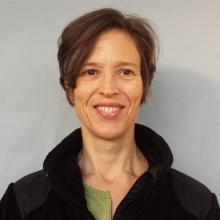
Jan Grimsrud Davidsen is a Research Professor in the Department of Natural History at NTNU University Museum. His research focuses on migratory behavior, habitat use, and life history strategies of anadromous fishes, particularly sea trout (Salmo trutta) and Arctic charr (Salvelinus alpinus). He employs methods like acoustic telemetry and stable isotope analysis to study how anthropogenic activities and environmental changes impact marine migrations. Key collaborations include projects with the Norwegian Institute for Nature Research, Dalhousie University, and the French Polar Institute. He leads the 'Freshwater Ecology' research group, emphasizing salmonid ecology and freshwater biodiversity. Recent work includes studies on pathogen effects on migration, Arctic charr behavior in Greenland, and the impacts of aquaculture on wild fish populations. Publications span 2013–2025, covering topics from marine migration patterns to conservation genomics. His work bridges basic research with applied management, addressing challenges like climate change and habitat restoration. Awards and grants are not explicitly listed in the provided text. Supervised students include Rasmus Rødne Lange, Lina Gjerdevik, and Rachel Coffey. Projects often involve interdisciplinary approaches, combining field studies with laboratory analyses to understand ecological dynamics in freshwater and marine ecosystems.
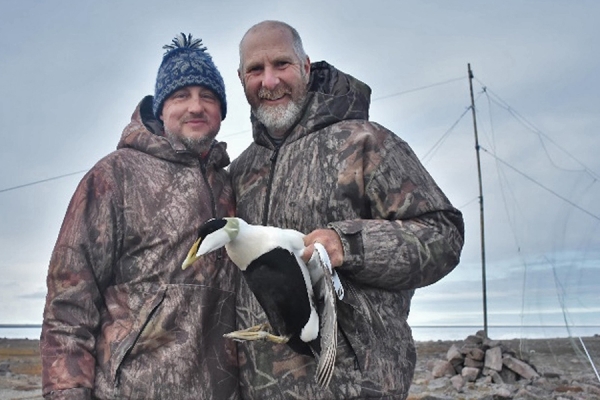
Oliver Love is a Professor in the Department of Integrative Biology at the University of Windsor. His research focuses on Arctic ecology, conservation physiology, and avian biology, particularly studying how Arctic species adapt to environmental changes such as climate shifts and human impacts. He leads long-term monitoring projects in the Arctic, including the East Bay Island Field Station, and investigates physiological and behavioral adaptations in seabirds and passerines. Love received the 2021 Roger Thibert Teaching Excellence Award and holds a Canada Research Chair (2018). His work integrates field studies, experimental approaches, and interdisciplinary collaborations to address conservation challenges in rapidly changing ecosystems. Key research themes include thermal tolerance limits in cold-adapted species, predator-prey interactions involving polar bears, and the effects of environmental stressors on breeding success. Love has supervised numerous graduate students, including notable scholars such as Christine Madliger (PhD 2016, Governor General’s Gold Medal recipient). His team collaborates with organizations like Environment and Climate Change Canada and the Great Lakes Institute for Environmental Research. Recent projects include assessing heat stress in Arctic seabirds and evaluating the impacts of sea ice loss on foraging strategies. Education: Background in biology and ecology (specific degrees not explicitly listed in texts). Grants: Secured over $6.5M in federal funding (2020) for Arctic biodiversity studies and genomic tools for fish health assessment. Publications frequently address Arctic bird physiology, climate change impacts, and conservation physiology. Love’s contributions highlight the urgency of understanding ecological responses to global changes and informing adaptive management strategies.
Dr. Christine M. Mayer is a Professor of Ecology in the Department of Environmental Sciences within the College of Natural Sciences and Mathematics at the University of Toledo. She serves as a Resident Faculty Member at the UToledo Lake Erie Center, where she conducts extensive research on aquatic ecosystems of the Great Lakes region, with particular focus on Lake Erie and its tributaries. Her work bridges ecological theory with practical conservation and management applications. Dr. Mayer received her Ph.D. from Cornell University in 1998 and completed both her B.S. and M.S. at the University of Illinois at Urbana-Champaign. Her educational background in ecology and environmental sciences has provided a strong foundation for her research career focused on freshwater ecosystems. Dr. Mayer's research centers on applied community and ecosystem ecology in aquatic systems, with emphasis on conservation and management of aquatic species and habitats impacted by human activities. Her primary research areas include fish and invertebrate ecology, aquatic habitats, and invasive species. She leads projects investigating critical fish habitat in Western Lake Erie and tributaries, nearshore community dynamics related to shoreline features, grass carp spawning and ecological impacts, and the role of dreissenid mussels as ecosystem engineers. Her work combines field studies, modeling approaches, and collaborative research to address pressing ecological questions in freshwater systems. Analysis of Dr. Mayer's recent publications reveals a consistent focus on Great Lakes ecology, particularly Lake Erie and its connecting rivers. Her research shows increasing attention to invasive species management, especially regarding grass carp, and habitat restoration efforts for native fish species like walleye and lake sturgeon. Methodologically, her work integrates traditional field ecology with advanced statistical approaches and modeling techniques to address complex ecological questions. Dr. Mayer has received significant research funding from multiple agencies supporting her work on Great Lakes ecosystems: NOAA SeaGrant for research on fish habitat and spawning Ohio Department of Natural Resources (DNR-DOW) for various projects US Geological Survey (USGS) for ecological studies Great Lakes Restoration Initiative (GLRI) for habitat restoration work New York SeaGrant for dreissenid mussel research Lake Erie Protection Fund for ecosystem studies Environmental Protection Agency (EPA-GLRI) for Great Lakes research Throughout her career, Dr. Mayer has mentored numerous graduate students who have contributed significantly to her research programs. Her former graduate researchers include Jeremy Pritt, Mark DuFour, Brian Schmidt, Jason Ross, Rachel Kuhaneck, Martin Simonson, Kristen DeVanna, and Patricia Armenio. These students have worked on diverse projects ranging from walleye habitat assessment to dreissenid mussel impacts on benthic communities. Dr. Mayer collaborates extensively with researchers from other institutions including DOW, USGS, NOAA, Bowling Green State University, and Ohio State University, demonstrating her commitment to interdisciplinary and collaborative science. Dr. Mayer leads the Aquatic Ecology Lab at the University of Toledo, which is closely affiliated with the UToledo Lake Erie Center. Her research team conducts field work throughout the Great Lakes region, with particular focus on Lake Erie and its tributaries including the Maumee, Sandusky, and Detroit Rivers. Current projects involve assessing barriers to migratory fish, documenting invasive species spawning, evaluating habitat restoration efforts, and studying the ecological impacts of dreissenid mussels. The lab employs a range of methodologies including field surveys, experimental studies, hydrodynamic modeling, and statistical analysis to address complex ecological questions with management relevance.
Aaron N. Rice is a Research Professor at the Cornell Lab of Ornithology , specializing in bioacoustics and marine ecology. His work bridges coastal ecology with conservation policy, focusing on sound production and perception in fishes and whales to understand social behaviors and population dynamics. Develops passive acoustic monitoring frameworks for marine species Provides bioacoustic data for U.S. federal/state agencies (BOEM, NOAA, National Park Service) Contributes to marine spatial planning, including offshore wind energy development Research Highlights : Proves fish sounds dominate coastal soundscapes seasonally Links acoustic patterns to environmental changes and migratory behavior Directly influenced North Atlantic right whale critical habitat expansion and Gulf of Mexico Bryde’s whales endangered listing Scientific Awards : U.S. Department of Interior Partners in Conservation Award (2014) Recent Collaborations : Integrates passive acoustics with Everglades freshwater flow management, fosters interdisciplinary ties with U.S. Navy, National Park Service, and NGOs.
James F. Staples is a Professor in the Department of Biology at Western University's Faculty of Science. His research program focuses on understanding how metabolic systems of animals adapt to environmental challenges, particularly how endothermic animals deal with cold temperatures. While most endotherms increase metabolic rate in cold conditions, some small animals enter hibernation to survive winter using stored energy. Staples' primary research interest is mitochondrial metabolism in hibernation, using ground squirrels as a model to understand the mechanisms of metabolic suppression and potential interactions with temperature and diet. His work spans comparative physiology and biochemistry, examining daily torpor, metabolic flexibility, and the biochemistry of aging. He has also conducted research on insect muscle metabolism and hypoxia tolerance in chambered nautilus. His research articles demonstrate consistent focus on mitochondrial function during hibernation and torpor, with recent work exploring electron transport system supercomplexes, mitochondrial remodeling during seasonal transitions, and novel methods for monitoring hibernation patterns. His publications reveal strong collaborations with researchers studying migratory birds, hibernating mammals, and other comparative models. As an educator, Staples teaches Animal Physiology II and Experimental Studies in Marine Biology through the Ontario Universities Program in Field Biology. Current students include Amalie Hutchinson (PhD candidate studying energetics of daily torpor in hummingbirds and bats), Brynne Duffy (PhD candidate researching oxygen dynamics in ground squirrel hibernation), and Lauren Rego (MSc researching mitochondrial dynamics in mammalian hibernation) Former students include Soren Coulson (PhD 2024), Birgitte Jensen (visiting PhD candidate), Leah Hayward (MSc 2018), Amanda MacCannell (MSc 2018), and several others who have gone on to academic and research positions Staples maintains an active laboratory in the Biological & Geological Sciences building (room 3010) at Western University, with ongoing research into metabolic suppression mechanisms during hibernation and torpor. His lab continues to make significant contributions to understanding how animals conserve energy during periods of environmental stress.
Anna D. Chalfoun is an Associate Professor in the Department of Zoology and Physiology at the University of Wyoming, affiliated with the College of Agriculture, Life Sciences, and Natural Resources. She serves as Assistant Leader of the Wyoming Cooperative Fish and Wildlife Research Unit. Her research integrates ecology, evolution, and conservation biology, focusing on wildlife-habitat relationships and adaptive strategies in species like birds, mammals, and amphibians. Key themes include habitat fragmentation, climate adaptation, and the effectiveness of conservation strategies. Her work emphasizes understanding how organisms select habitats and the fitness consequences of these choices. Notable projects include studies on sagebrush songbirds, greater sage-grouse, and amphibians like boreal toads. She explores how anthropogenic changes (e.g., energy development, wildfires) impact wildlife, with a focus on maladaptive behaviors and conservation solutions. Dr. Chalfoun advises numerous graduate students, including alumni such as Anicka Kratina-Hathaway and Anika Mahoney. Her lab collaborates with the Wyoming Landscape Conservation Initiative and the Haub School of Environment and Natural Resources. While her departmental email is zprequest@uwyo.edu, her research has led to significant contributions to avian conservation and habitat management strategies.
Adam C. Smith is an Adjunct Research Professor in the Department of Biology at Carleton University and a quantitative ecologist with the Canadian Wildlife Service. He specializes in analyzing bird population trends using Bayesian statistical models and large-scale monitoring data from programs like the North American Breeding Bird Survey and eBird. His research examines: Drivers of avian population changes Integration of diverse monitoring datasets Spatially explicit population modeling Urban development impacts on bird communities Smith co-authored the landmark study documenting a 29% decline in North American bird populations since 1970. He maintains active GitHub repositories for open-source ecological analysis tools and mentors students in quantitative methods.
Vincent Tollon is a Lecturer-Researcher at ISARA's Agroecology and Environment Research Unit, where he integrates data science with agroecological research. His work focuses on biodiversity analysis, GIS applications (QGIS/ARCGIS), and statistical modeling (ADE4/R software) to enhance sustainable food systems. PhD in Ecology from Université de Savoie (2010) Habilitation from University of Greifswald (2004) Doctorate in Animal Ecology from University of Hohenheim (1998) Geoecology MSc from University of Karlsruhe (1993) His research explores agroecological principles through projects like: INNOVAB: Innovative cultivation systems for organic crops PERMEAGRI: Agricultural space permeability and ecological planning ECOSTACK: Biodiversity-driven crop protection tools Current publications analyze: Carbon dynamics in aquaculture systems Agroecological practices enhancing pollinator diversity Landscape-scale impacts on carabid beetle communities Telemetry-based wildlife behavior studies He teaches statistics (ANOVA, linear models) and GIS to agroecology students, while supervising field research applications in sustainable food production.
Adrienne Kovach is a Professor in the Department of Natural Resources and the Environment at the University of New Hampshire. Her research focuses on the population ecology and conservation of vertebrates in the Northeast, integrating genetic/genomic tools with landscape modeling and ecological data collection. She addresses questions about animal dispersal, population structure, gene flow, and ecological adaptation, working with species like black bears, New England cottontails, tidal marsh birds, and Atlantic cod. Education: Ph.D. in Zoology, North Carolina State University B.S. in Biology, University of Kansas Research Interests: Her work spans conservation genetics , landscape genetics , genomics of hybrid zones , and ecological adaptation , emphasizing interdisciplinary approaches. She links genetic patterns to environmental drivers, informing management of threatened species and ecosystems. Article Trends: Recent publications highlight genomic tools for studying hybridization , ecological divergence , and conservation units . Her research combines landscape ecology with evolutionary genetics to address challenges in marine biology , ornithology , and forest management . Grants: She has secured funding from agencies like the National Science Foundation (NSF), US Fish & Wildlife Service, and NOAA for projects on tidal marsh bird conservation , New England cottontail monitoring , and genomic ecology . Her lab collaborates with institutions such as the Gulf of Maine Research Institute and Wildlife Management Institute. Labs & Teams: The Kovach Lab at UNH investigates wildlife populations through genetics, with projects spanning marine , coastal , and terrestrial ecosystems . She works with co-investigators like David Burdick, Thomas Lippmann, and Ken LaValley.
Esben Moland Olsen is a Professor in the Department of Natural Sciences at the University of Agder (UiA). His primary affiliation is with the Department of Natural Sciences, focusing on marine biodiversity, fisheries science, and conservation biology. His research emphasizes understanding fish behavior, population dynamics, and the impacts of environmental changes on marine ecosystems. Research Interests: Climate change effects on marine species Conservation strategies for marine protected areas Behavioral ecology of fish populations Interactions between aquaculture and wild fish stocks Recent Research Trends: Recent work highlights studies on seismic noise impacts on cod behavior, conservation translocation of Arctic species, and plasticity in cod populations under climate stressors. His collaborative projects often involve acoustic telemetry and genetic analyses to assess population connectivity and management efficacy. Advising & Grants: Leads interdisciplinary teams in Norway and internationally, with funding from marine research initiatives. Collaborations include studies on salmon farming impacts and Arctic fjord ecosystems. Labs/Teams: Active in UiA's marine biology research groups and international collaborations through projects like ICOD (Interactions of Salmon Farming on Cod Spawning Grounds).
Dr. Ben Adams is a Senior Lecturer in the Department of Mathematical Sciences at the University of Bath, where he also serves as Co-Director of the Centre for Mathematical Biology, Centre for Networks and Collective Behaviour, and the EPSRC Centre for Doctoral Training in Statistical Applied Mathematics (SAMBa). His research spans mathematical biology, epidemiology, and population dynamics, with a particular focus on infectious disease modeling. Adams' research interests center on mathematical approaches to understanding disease transmission dynamics, particularly for vector-borne diseases like dengue fever and Lyme disease. His work integrates mathematical modeling , epidemiological analysis , and ecological principles to study how diseases spread through populations. His research has examined household transmission patterns, seasonal forcing effects on disease outbreaks, human mobility impacts on epidemics, and host-pathogen interactions in complex disease systems. A recurring theme in his work is understanding how environmental and demographic factors influence disease dynamics. His publication record shows a consistent trajectory of impactful research with significant citation metrics, including several highly-cited papers on dengue fever modeling published in the 2000s that continue to influence the field. Recent work has expanded into wastewater-based epidemiology, migratory species dynamics, and tick-borne disease systems. His research often involves interdisciplinary collaboration across mathematics, biology, ecology, and public health. Dr. Adams has supervised multiple graduate students (5 supervised works noted) and has been involved in significant research projects, including work on wastewater-based epidemiology for global health risk forecasting published in Environment International (2022) with 28 citations and multiple policy impacts. He is actively involved with research centers including the Centre for Mathematical Biology and Centre for Networks and Collective Behaviour at the University of Bath, contributing to collaborative research efforts in mathematical approaches to biological and epidemiological problems.
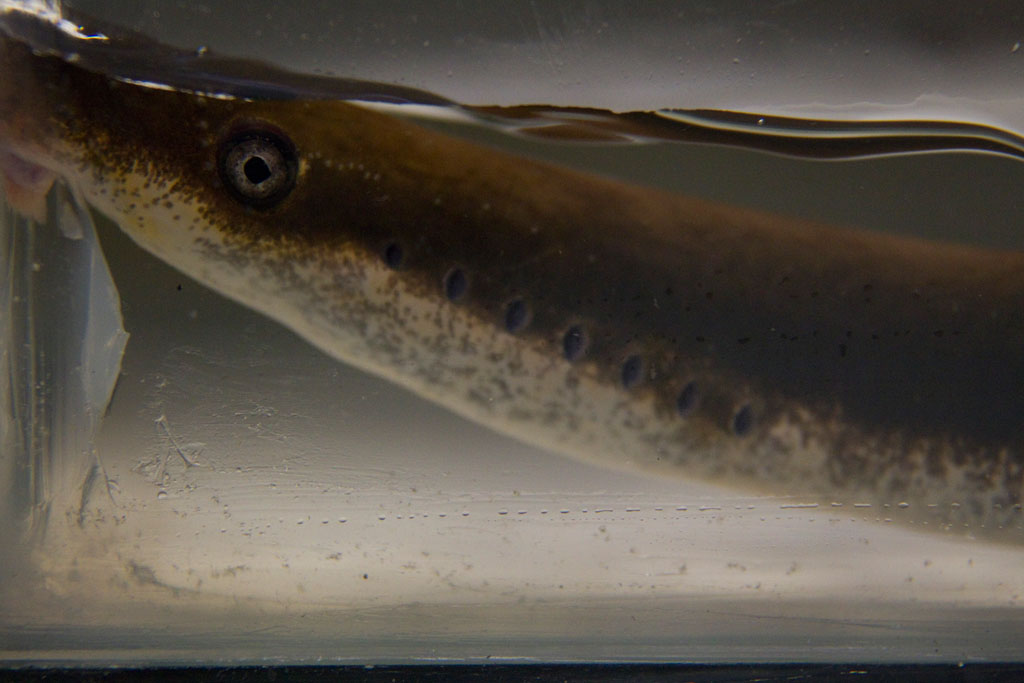
John B. Hume serves as an Assistant Professor - Research in the Department of Fisheries and Wildlife at Michigan State University's College of Agriculture & Natural Resources. His position is funded by the Great Lakes Fishery Commission (GLFC) through the Partnership for Ecosystem Research and Management (PERM), collaborating with the Michigan Department of Natural Resources and federal agencies including US Fish & Wildlife Service and Fisheries and Oceans Canada to advance sea lamprey control in the Great Lakes. His academic credentials include: PhD in Evolutionary Ecology from the University of Glasgow (2013) MSci in Zoology from the University of Glasgow (2009) Dr. Hume's research integrates lamprey conservation and invasive species management, focusing on their ecological roles as prey, nutrient transporters, and habitat modifiers in freshwater systems. His expertise spans behavioral ecology, chemical ecology, and evolutionary biology, with particular attention to anthropogenic stressors including habitat fragmentation, pollution, and climate change impacts on migratory fish species. He emphasizes the interconnected nature of lamprey conservation and control as 'two sides of the same coin' requiring public and political support. Analysis of his 2018-2021 publications reveals consistent focus on Great Lakes sea lamprey management through integrated approaches. His work bridges fundamental biological research (e.g., alarm cue responses, ecotype evolution) with applied solutions (selective fish passage, chemical cue trapping, aquaculture protocols). Key trends include international collaboration on conservation initiatives, development of non-lethal control methods, and assessment of anthropogenic threats across native and invasive lamprey populations. No scientific awards, fellowships, or medals are documented in the provided materials. Dr. Hume's research is primarily supported by the GLFC through PERM, enabling collaboration with multiple federal and state agencies. His grants fund initiatives including the Sea Lamprey Aquaculture & Procurement Initiative (SLAP) for developing lab-rearing protocols, media analysis projects assessing lamprey portrayal, and nationwide mapping of lamprey distributions for State Wildlife Action Plans. He has previously directed projects on sex ratio dynamics, selective fish passage development, and evolutionary ecology of lamprey 'paired species'. He leads 'That Lamprey Lab' at Michigan State University, which employs multidisciplinary methodologies from genetic analysis to whole-organism field studies. The lab conducts research through three primary channels: the Sea Lamprey Aquaculture & Procurement Initiative for invasive species control, conservation-focused projects mapping US lamprey distributions and assessing media bias, and fundamental research on lamprey life history and evolutionary ecology. Current work includes preparing for 2025 State Wildlife Action Plans and developing selective passage systems to balance native fish restoration with sea lamprey control.
Dr. Greg Jacobs is a Researcher at Cornell University's Department of Natural Resources and the Environment within the College of Agriculture and Life Sciences. His work focuses on understanding how life history, movement, and migration of organisms influence population dynamics and conservation strategies in aquatic ecosystems. Education: PhD in Ecology, University of Georgia MS in Resource Ecology and Management, University of Michigan BS in Biology, Alma College Research Interests: Conservation biology of freshwater and diadromous fishes Effects of environmental conditions on migratory fish life cycles Impact of human activities on aquatic systems Ecological interactions in stream and river ecosystems Recent Research Trends: His studies emphasize migratory fish behavior, climate-driven habitat changes, and the application of advanced tools like otolith microchemistry and satellite telemetry. Work spans North American and tropical river systems, highlighting connectivity and conservation strategies for at-risk species like Chinook salmon and Lake Sturgeon. Awards & Grants: No awards explicitly listed. His research has been supported through collaborative projects, including studies on salmon recovery and invasive species impacts. Labs & Teams: Engaged in interdisciplinary teams addressing aquatic conservation, though specific lab names are not provided in the text.
Martin Mallen-Cooper is a researcher at the Gulbali Research Institute, Charles Sturt University, with a strong focus on fish passage, river systems, and Mekong River ecology. He is actively involved in research, publishing, and supervision of higher degree research students. Research Interests: His work centers on fish migration, fishways, life history of freshwater species, and the ecological impacts of dams and irrigation on river systems. He has made significant contributions to understanding fish movement in the Mekong River basin and in southeastern Australia. His recent publications show a consistent trend in addressing fish passage challenges, migration barriers, and conservation strategies in both temperate and tropical rivers, with increasing emphasis on the Mekong region. Themes include diadromy, salinity gradients, fishway hydraulics, and community-based fishery impacts. Scientific Contributions: Co-supervisor in HDR research on eel ecology in Indonesia Contributor to policy-relevant reports on fishway design in Cambodia Active media engagement on Mekong dam issues Advising and Grants: He serves as a co-supervisor for PhD-level research. While specific grants are not listed, his commissioned reports and international collaborations suggest involvement in externally funded projects. Labs and Teams: He is a key member of the Gulbali Research Institute, a leading center for river and fish ecology research in Australia, collaborating with national and international experts in fisheries science.
Dr. Jessica Miller is a Professor at Oregon State University's Department of Fisheries and Wildlife, affiliated with the Coastal Oregon Marine Experiment Station and the Marine and Anadromous Fisheries Ecology Lab. She leads NOAA’s Living Marine Resources Cooperative Science Center. Her research focuses on marine and anadromous fish ecology, emphasizing early life history, otolith chemistry, and environmental impacts on survival and migration. Education: PhD in Biology (University of Oregon, 2004), MS in Fisheries (University of Washington, 1993), BA in Zoology (University of Montana, 1989). Research Interests: Investigating how environmental changes affect fish dispersal, growth, and survival. Current projects include Pacific cod early life history in Gulf of Alaska heatwaves and Chinook salmon ocean survival mechanisms. Key Achievements: Awarded the Briskey Award for Faculty Excellence (2013) and recognized for contributions to marine invasive species research. Advises graduate students and contributes to NOAA-funded workforce development programs. Publications: Over 80 peer-reviewed articles on topics like otolith microchemistry, Pacific cod ecology, and invasive species dispersal via tsunami debris.