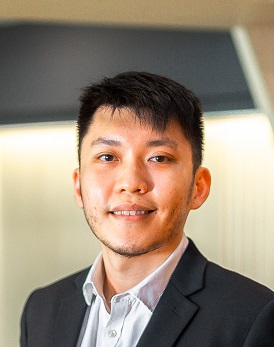
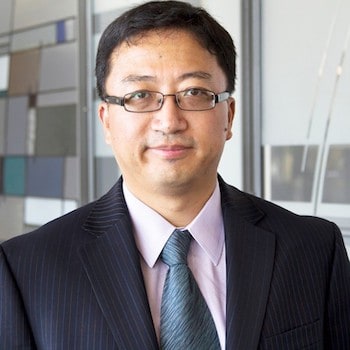
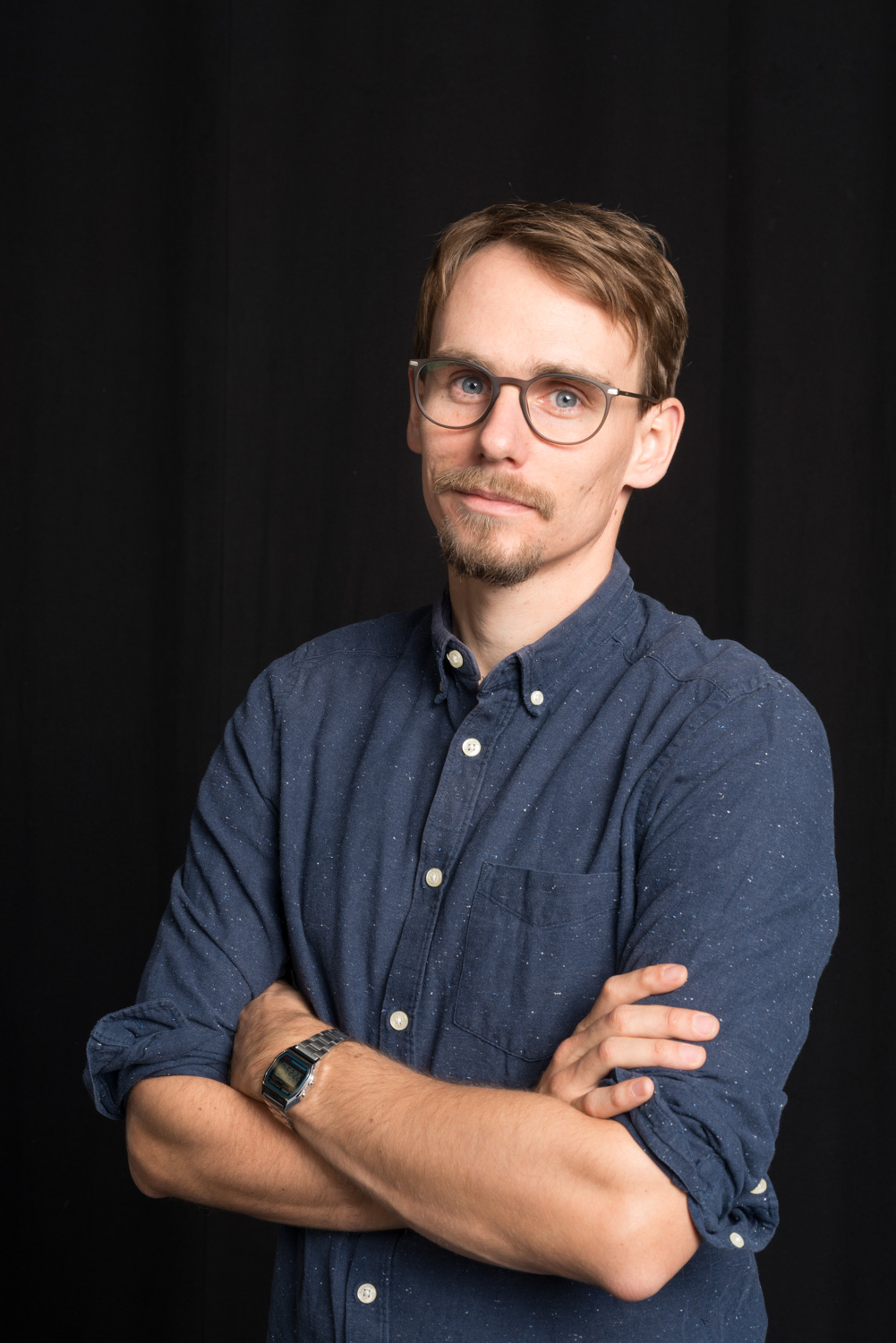
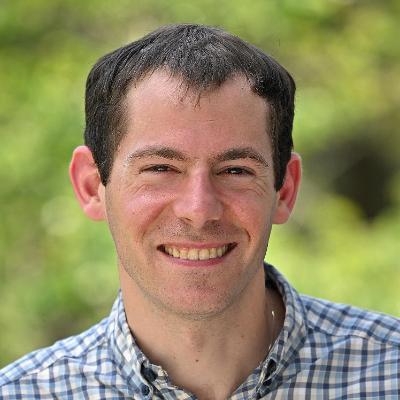
Djalal Benyahia is a researcher affiliated with the Faculty of Advanced Technologies and Chemistry at the Military University of Technology in Warsaw. His work focuses on advanced semiconductor materials and optoelectronic devices for infrared and terahertz applications. While specific educational details are not provided in the scraped text, his research output and collaborations demonstrate expertise in molecular beam epitaxy (MBE) growth, superlattice structures, and infrared detector optimization. Research Interests : Applied Physics, Material Science, Infrared Technology, Semiconductor Physics, Optoelectronics, Nanotechnology, Photonics, Electronic Engineering. Key Trends : Recent publications emphasize quantum dot infrared photodetectors, THz photoconductive antennas, type-II superlattice optimization, and surface passivation techniques for high-operating-temperature (HOT) detectors.
Urszula Chodorow serves as an Assistant Professor at the Faculty of Advanced Technologies and Chemistry within Poland's Military University of Technology (Wojskowa Akademia Techniczna) in Warsaw. Her academic profile confirms active status with an institutional email (urszula.chodorow@wat.edu.pl) and physical office location (Building 100, Room 95). With a doctoral degree earned in 2015, she maintains a robust research program centered on advanced optical materials. Her research portfolio demonstrates deep expertise in: Liquid crystal physics and composite materials Terahertz (THz) wave modulation and device engineering Infrared optical systems and modulators Thin film characterization and fabrication Metamaterials for tunable optical applications Spectroscopic analysis across electromagnetic spectra Analysis of her 23 publications reveals an evolutionary research trajectory from fundamental liquid crystal properties (2012-2015) toward sophisticated device engineering (2017-2024). Recent work prominently features hyperbolic metamaterials, plasmonic color structures, and femtosecond laser modification techniques, indicating a strategic expansion into nanophotonics and advanced numerical modeling. Her publications consistently target high-impact applications including anti-counterfeiting, medical sensing, and infrared detection systems. Dr. Chodorow has secured three research projects and achieved notable bibliometric recognition with an h-index of 10 (Scopus) and 9 (Web of Science), totaling 30.342 impact factor points and 930 in Poland's ministerial scoring system. While specific award details remain undisclosed, her work demonstrates significant scholarly impact through 52.38 total CiteScore and 15.654 SNIP metrics. Her technical leadership spans optical device fabrication, terahertz spectroscopy, and numerical modeling. Current research directions indicate continued focus on tunable optical components for security and sensing applications, particularly in the terahertz domain where she has established internationally recognized expertise.
Charles E. "Chick" Woodward is Full Professor of Astronomy in the School of Physics and Astronomy at the University of Minnesota , and a core faculty member of the Minnesota Institute for Astrophysics (MIfA). He serves as Program Director for the University of Minnesota– Large Binocular Telescope (LBT) / Steward Observatories partnership, Vice-Chair of the LBT Observatory Board of Directors, and Associate Director of the MLOF & OBO observatories. Additional affiliations include membership in the Large Binocular Telescope Observatory (LBTO) consortium. Education: Ph.D. in Physics and Astronomy, University of Rochester, 1987 M.A. in Physics, University of Rochester, 1982 A.B. in Physics, Dartmouth College, 1980 Research Interests: Woodward is an international authority on XUVOIR (X-ray–UV–Optical–IR) observational astrophysics . His work addresses the physics of interstellar and circumstellar dust grains , the energetic and chemical evolution of classical nova explosions , the life cycles of evolved stars , and the thermal and compositional behaviour of comets and small Solar-System bodies . A parallel strand of research involves telescope and instrumentation development , including leadership roles in Spitzer Space Telescope legacy science planning, SOFIA airborne observatory utilisation, and interferometric exoplanet surveys with the LBT Interferometer . Recent Publication Themes (2010–2011): Recent refereed works demonstrate a breadth of inquiry spanning high-redshift galaxy spectroscopy, detailed mid-infrared analyses of cometary fragments, chemical and dust evolution in novae, multi-epoch studies of supernova remnants, and large-scale infrared surveys of evolved stellar populations and asteroids. Honours & Awards: National Science Foundation – White House Presidential Faculty Fellow National Science Foundation – Young Investigator Award Smithsonian Institution Faculty Fellow – Air & Space Museum Ford Foundation Minority Fellow Multiple University of Wyoming teaching awards (1992–1999) Advising, Grants & Infrastructure: Woodward currently mentors one post-doctoral researcher, two graduate students, and three undergraduates within the Minnesota Infrared Lab . Research is supported competitively by the NSF and NASA . The group operates a dedicated 30 TB data server and over 15 client workstations, maintained by an in-house systems administrator, for intensive data reduction and remote telescope control. Labs, Teams & Facilities: The Minnesota Infrared Lab serves as the primary research unit. Extensive access is provided to the Spitzer and SOFIA archives, the Large Binocular Telescope , Gemini Observatory , Steward Observatory facilities, and future James Webb Space Telescope programs. Woodward is also a member of the exoplanet-imaging LEECH collaboration using the LBT Interferometer .
Kelvin Yong Sheng Chek serves as a Lecturer at Swinburne University of Technology Sarawak Campus within the Faculty of Engineering, Computing and Science. Previously, he held lecturing positions at Curtin University and conducted postdoctoral research at Universiti Malaysia Sarawak on information security projects. His research spans two distinct phases: early work on quantum cascade laser physics (2013-2016) and current cybersecurity focus (2018-present). Key interests include: Machine learning approaches for phishing detection QR code security vulnerabilities Website favicon-based authentication systems Information security threat modeling Quantum cascade laser modulation characteristics Recent publications demonstrate strong output in cybersecurity journals including Information Sciences and Expert Systems with Applications, with research evolving from theoretical laser physics to practical security solutions. His work shows consistent collaboration with Malaysian research institutions and international conference participation. Professional affiliations include: Graduate member, Board of Engineers Malaysia (BEM) Graduate member, Malaysia Board of Technologists (MBOT) Member, Institute of Electrical and Electronics Engineers (IEEE) Member, The Institution of Engineers Australia (IEAust) Associate Fellow, Advance HE (HEA) Dr. Chek actively supervises research students with emphasis on practical security tool development. He welcomes PhD/Master's candidates in cybersecurity fields and maintains connections with industry through Swinburne Innovation Malaysia. His laboratory resources include university computing infrastructure and network security testing environments.
Xianglei Huang is a Professor in the Department of Climate and Space Sciences and Engineering at the University of Michigan. He holds a Ph.D. and M.S. in Planetary Science (minor in Applied Computation) from the California Institute of Technology and a B.S. in Atmospheric Physics and Environmental Sciences from the University of Science and Technology of China. His research bridges satellite remote sensing and climate modeling, with expertise in radiative transfer, cloud-radiation interactions, and spectral data analysis. Research Interests: Prof. Huang's work focuses on atmospheric radiation applications in climate modeling and remote sensing, diagnostic analysis of satellite data, cloud-radiation-climate feedbacks, and high-latitude surface-atmosphere coupling. His group specializes in leveraging spectral dimensions for climate insights, employing tools like hyperspectral satellite observations and advanced radiative transfer models. Publication Trends: Recent articles (2022–2025) emphasize polar climate dynamics, far-infrared remote sensing, machine learning applications in atmospheric science, and improving climate model parameterizations. Key themes include ice cloud radiative effects, surface emissivity retrievals, and satellite mission design (e.g., PREFIRE, FORUM). Awards & Leadership: NASA Henry J.E. Reid Award (2015) Amazon Climate Research Grant Co-Investigator for NASA/ESA missions: Libera, PREFIRE, FORUM Editor for Journal of Climate (AMS) Chair of AMS Atmospheric Radiation Committee Lab & Advising: Leads the Huang Research Group at UMich, focusing on radiation-climate interactions. He teaches courses on atmospheric radiation (CLIMATE/SPACE 380, 532) and climate data analysis (CLIMATE/SPACE 586).
Dr. Michiel Min is a researcher at the Netherlands Institute for Space Research and affiliated with the University of Groningen (RUG). His work focuses on astrophysical phenomena related to protoplanetary disks, exoplanet atmospheres, and machine learning applications in astronomy. Research Themes: Protoplanetary Disk Physics, Extrasolar Planet Analysis, Dust Mineralogy, and Atmospheric Retrieval Instrumentation: Expertise in James Webb Space Telescope (JWST) data analysis and mid-infrared spectrography Michiel’s recent publications emphasize dust-gas separation in disks, exoplanet atmospheric modeling using machine learning, and hydrocarbon chemistry in planet-forming regions. Collaborations span institutions like CDS, ESO, and NASA, with datasets shared on platforms like Mendeley. His research contributes to UN Sustainable Development Goals, particularly those related to planetary protection and scientific innovation.
Fritz Haber Institute of the Max Planck SocietyGermany
Sebastian Maehrlein is a Group Leader heading the THz Structural Dynamics research group within the Department of Physical Chemistry at the Fritz Haber Institute of the Max Planck Society in Berlin. Since June 2020, he has led this independent research group, which received a prestigious six-year Emmy Noether grant from the German Research Foundation (DFG) in July 2022. His research group consists of five PhD students, three postdoctoral researchers, and maintains active collaborations with institutions in France, the Netherlands, and the United States. Maehrlein's research focuses on understanding and controlling structural dynamics in materials using intense terahertz and mid-infrared laser pulses. His group investigates how spatial arrangements of atoms can be modulated on ultrafast time scales to control material properties and potentially discover new material features. Key research areas include lattice trajectory control, dynamically disordered systems, molecular rotations in solids, nonlinear phononics, and lattice-driven phenomena. The group particularly studies phonon anharmonicities, molecular orientations in solids, and dynamically disordered systems, with significant work on lead halide perovskites and 2D materials. The group's recent publications demonstrate a strong focus on coherent control of lattice dynamics, with numerous papers in high-impact journals including Nature Physics, Science Advances, and Advanced Materials. Their research shows a clear trend toward understanding angular momentum transfer in crystal lattices, symmetry breaking in hybrid materials, and developing novel techniques for THz spectroscopy and control. The work has significant implications for optoelectronics, quantum materials, and ultrafast control of material properties. Scientific Awards: Emmy Noether grant from German Research Foundation (DFG) Prof. Maehrlein actively supervises multiple PhD students and postdoctoral researchers, with a track record of successful student outcomes including Marie Cherasse's PhD graduation in December 2022 and her subsequent receipt of the French L'Oréal UNESCO Award for Women in Science. His group participates in the ANR-DFG research consortium '2D-HYPE' and the Max Planck-Radboud Center for IR-FEL spectroscopy, securing substantial external funding for their research. The THz Structural Dynamics group maintains strong international collaborations, particularly with research groups in France, the Netherlands, and the United States. The THz Structural Dynamics group operates state-of-the-art laboratories for generating highly intense and phase-stable laser pulses in the THz and mid-infrared spectral range. Their facilities enable coherent driving of specific structural dynamics on fundamental time and energy scales, allowing exploration of tailored lattice trajectories that may steer solids into hidden states. The group has made significant contributions to understanding nonlinear phononics and developing novel spectroscopic techniques for studying ultrafast structural dynamics.
Daniel Maser serves as an Assistant Professor of Physics, Astronomy and Geophysics at Connecticut College, where he joined in 2019. He teaches PHY 107 and PHY 108 while maintaining active membership in the Optical Society of America and American Physical Society. His academic credentials include a B.A. from the University of California, Berkeley, followed by M.S. and Ph.D. degrees from the University of Colorado Boulder. Research Expertise: Dr. Maser specializes in nonlinear optics , fiber lasers , laser spectroscopy , and precision measurement . His postdoctoral work involved precision measurements of heavy atoms (indium and lead) to test fundamental physics through wavefunction calculations. His doctoral research focused on developing broadband mid-infrared fiber laser sources for telecommunications applications and atmospheric trace gas detection systems.
Patrick Georges is a distinguished Research Director at the CNRS and serves as the Director of the Charles Fabry Laboratory at Institut d'Optique Graduate School since 2015. He also heads the Lasers Group within the laboratory, a position he has held since 2011. His career at CNRS spans over three decades, beginning as a Research Fellow in 1990 and advancing to Research Director in 1999. Professor Georges' research spans multiple domains of laser science and technology, with particular expertise in ultrafast lasers, solid-state lasers, fiber lasers, and nonlinear optics. His work on LED-pumped laser systems represents innovative approaches to energy-efficient laser technologies. His research has significant applications in scientific instrumentation, medical imaging, and industrial laser systems. His publication record shows consistent output across leading optics journals, with recent work focusing on advanced techniques for generating and manipulating ultrashort optical pulses, coherent beam combining, and novel approaches to wavelength conversion. The trends in his publications demonstrate an evolving research program that maintains core laser physics expertise while adapting to new technological challenges and opportunities. His scientific achievements have been recognized with several prestigious awards: DGA 'Young Researcher DRET' Prize (1997) SFO 'Fabry - De Gramont' Prize (1997) Fellow of the Optical Society of America (2006) Fellow of the European Optical Society (2014) Professor Georges has successfully supervised numerous research projects and has been instrumental in technology transfer initiatives through his leadership of IOTECH, the technology transfer platform of Institut d'Optique. His research group maintains strong collaborations with both academic and industrial partners, contributing to the vibrant photonics ecosystem in France and internationally. As Director of the Charles Fabry Laboratory, one of the premier optics research institutions in Europe, Professor Georges oversees a diverse research program spanning multiple areas of photonics, quantum optics, and laser science. The laboratory serves as a hub for innovation and collaboration, supporting both fundamental research and applied technological development.
Max Born Institute for Nonlinear Optics and Short Pulse SpectroscopyGermany
Professor Eckart Rühl holds a faculty position in the Department of Physical and Theoretical Chemistry at the Institute of Chemistry and Biochemistry, Free University of Berlin. His research program bridges fundamental physical chemistry with applied nanotechnology, focusing on molecular dynamics and therapeutic delivery systems. Research interests include: High-resolution inner-shell spectroscopy of molecules and molecular clusters Photoionization dynamics and electronic structure determination Nanoparticle-cell membrane interaction mechanisms Redox-responsive nanocarrier drug delivery systems Mid-infrared chemical imaging via Bayesian compressed sensing Professor Rühl has secured extensive DFG funding through diverse mechanisms, serving as Speaker for Collaborative Research Center SFB 1112 on nanocarriers and leading major equipment projects including a cryo scanning electron microscope. His work consistently combines experimental precision with theoretical modeling across completed projects in photoexcitation, nanoparticle physics, and biomedical applications. Current research directions emphasize label-free cellular imaging and ultrafast laser-induced phenomena in deposited nanoparticles.
Michael Vohland serves as Professor of Geography with a focus on Geoinformatics and Remote Sensing at the University of Leipzig, where he has been a faculty member since February 2012. He currently holds the position of Director of the Institute of Geography (since October 2023) and previously served as Vice Dean for Research in the Faculty of Physics and Geosciences (2016-2019). His academic career began at the University of Trier where he held positions as Junior Professor and Academic Councillor in Remote Sensing. Dr. Vohland's research spans multiple domains of environmental remote sensing with particular expertise in soil analysis. His work focuses on soil spectroscopy techniques using portable visible-to-near-infrared (vis-NIR) and mid-infrared (MIR) instruments, hyperspectral imaging applications in environmental sciences, and hydrological modeling through fusion of multi-sensor remote sensing data. His research addresses critical environmental challenges including soil organic carbon quantification, water resource monitoring, and microbial community assessment. His recent publications demonstrate a strong trend toward integrating multiple spectral analysis methods to improve environmental monitoring at various spatial scales. The research shows increasing sophistication in combining field measurements with laboratory analysis, with a growing emphasis on in situ measurement techniques that provide more accurate regional-scale assessments of soil properties. Dr. Vohland has secured significant research funding, primarily through the German Research Foundation (DFG), for projects including: Soil microbial community assessment with portable spectroscopy (2017-2020) Screening methods for organic matter detection in soils (2017-2019) Water monitoring using hyperspectral camera technology (2014-2017) Spectral characterization of soil associations (2021-2024) Hydrological modeling through remote sensing data fusion (2020-present) His methodological approach combines advanced spectral analysis with practical environmental applications, creating bridges between theoretical remote sensing techniques and real-world environmental monitoring challenges.
Michael Seidel serves as a Research Associate at the Institute of Geography, University of Leipzig, working under Prof. Dr. Michael Vohland in the Chair of Geoinformatics and Remote Sensing since May 2014. His work integrates advanced remote sensing techniques with soil science applications. Education: Master's degree in Physical Geography / Geoecology (M.Sc.) from University of Leipzig (2010-2014), with minors in Vegetation Ecology/Plant Geography and Geosciences Bachelor's degree in Geography (B.Sc.) from University of Leipzig (2007-2010), with minors in Geosciences and General Chemistry Seidel's research centers on measuring and mapping soil properties using near-field and remote sensing methods. He specializes in optimizing on-site measurements with portable spectrometers (both imaging and non-imaging) and developing machine learning algorithms for quantifying key soil characteristics. His work extends to digital soil mapping for monitoring programs across different scales by combining spectrometric point data with spatial covariates like multispectral satellite imagery and digital surface models. Current teaching activities include Statistics for Geographers (B.Sc.), Analysis of Remote Sensing Data (B.Sc.), and Multivariate Data Analysis in Spectroscopy (M.Sc.). His publication record demonstrates expertise in soil spectroscopy applications, particularly in organic carbon assessment using portable instruments across visible-to-near-infrared and mid-infrared spectrums. Research projects reveal sustained funding from sources including the German Research Foundation (DFG), focusing on mobile spectroscopic methods for soil property determination, cost-effective organic matter detection in agricultural soils, and hyperspectral water monitoring systems. Research Projects: Synergetic Use of Mobile and Lab-Based Spectroscopic Methods (2018-2021, DFG-funded) Screening Methods for Organic Matter Detection in Agricultural Soils (2017-2019) Water Monitoring in Vertical Profiles Using Hyperspectral Technology (2014-2017) Seidel maintains active research in both field-based soil property measurement and algorithmic development for environmental monitoring applications, with particular emphasis on practical implementations for soil conservation and agricultural management.
Dr. Ian J. M. Crossfield is an Associate Professor of Physics and Astronomy at the University of Kansas, where he leads the KU ExoLab research group dedicated to the discovery and characterization of nearby planetary systems. His research spans exoplanet formation, composition, detection, and characterization, with a focus on developing instrumentation to advance these pursuits. Dr. Crossfield's research interests center on exoplanetary science, particularly the atmospheric composition and physical properties of exoplanets. His recent work includes mapping sulfur dioxide (SO2) in gas giant exoplanets using photochemical models, leading the OrCAS survey to measure masses of sub-Neptune exoplanets, and studying exoplanet atmospheres using both ground-based and space-based observations. His expertise spans photometry and high-resolution spectroscopy across multiple observatories. His recent publications reveal a strong focus on exoplanet atmospheric characterization, with particular attention to transmission spectroscopy, thermal emission measurements, and photochemical modeling. His work often involves multi-wavelength observations and combines theoretical modeling with observational data from facilities like JWST, Spitzer, and ground-based telescopes. Chair of NASA Exoplanet Program Analysis Group (ExoPAG) Executive Committee (2025) Dr. Crossfield has successfully mentored numerous students, including postdocs, PhD candidates, and undergraduates, several of whom have received prestigious awards like the NSF GRFP. His research group collaborates with institutions worldwide and utilizes advanced instrumentation for exoplanet detection and characterization. The KU ExoLab is actively involved in several major observational campaigns, including the OrCAS survey which involves 10 institutions using Keck/KPF and WIYN/NEID spectrographs.
Charlie Emil Lind-Thomsen serves as an Instructor at the Niels Bohr Institute under the Education Board of the University of Copenhagen, focusing on astrophysics research and academic instruction. His institutional affiliation centers on observational astronomy using advanced space-based instrumentation. His research specializes in galaxy evolution and interstellar medium dynamics, particularly investigating spatial distributions of dust and polycyclic aromatic hydrocarbons (PAHs) through infrared spectroscopy. He leverages cutting-edge data from the James Webb Space Telescope's Mid-Infrared Instrument (MIRI) to analyze these phenomena. Dr. Lind-Thomsen's recent work demonstrates expertise in power spectral analysis of PHANGS survey galaxies, revealing critical insights into the physical scales governing dust and PAH emissions. This research contributes to broader astrophysical understanding of galaxy formation processes through innovative application of JWST capabilities.