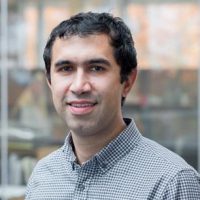
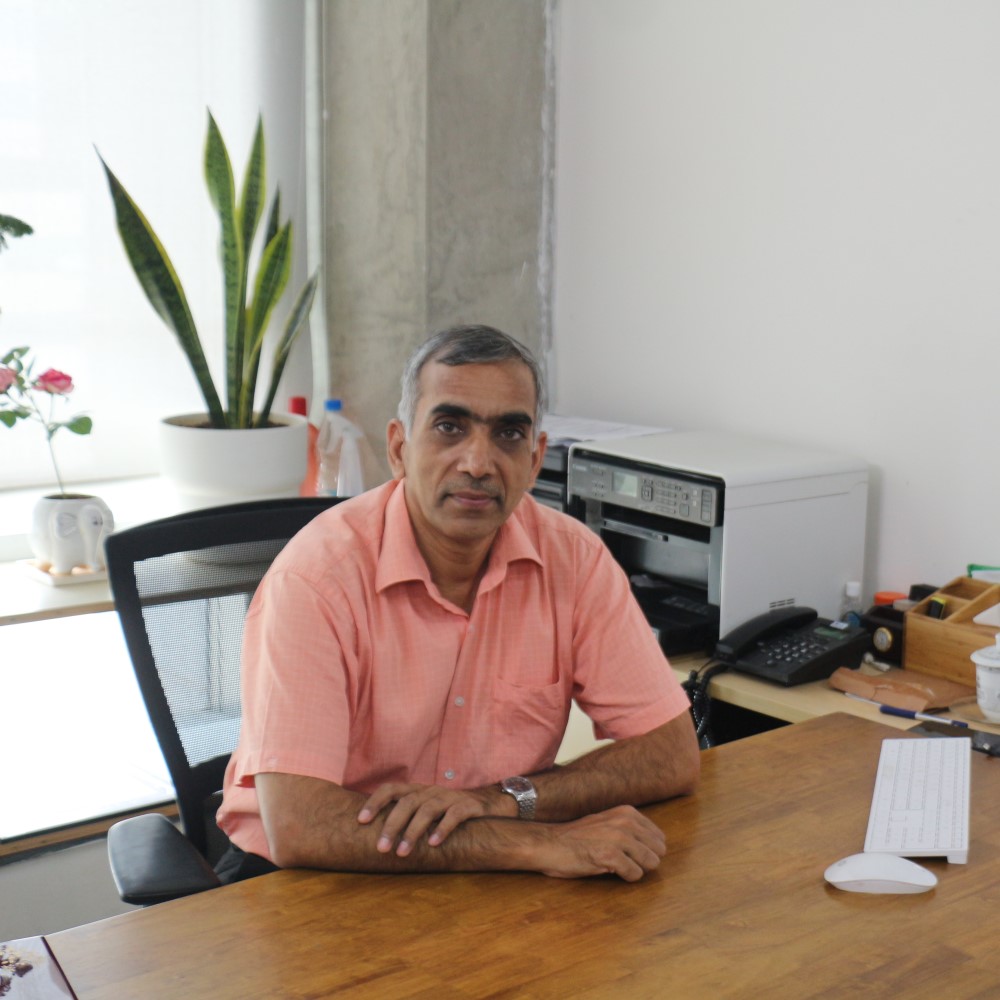
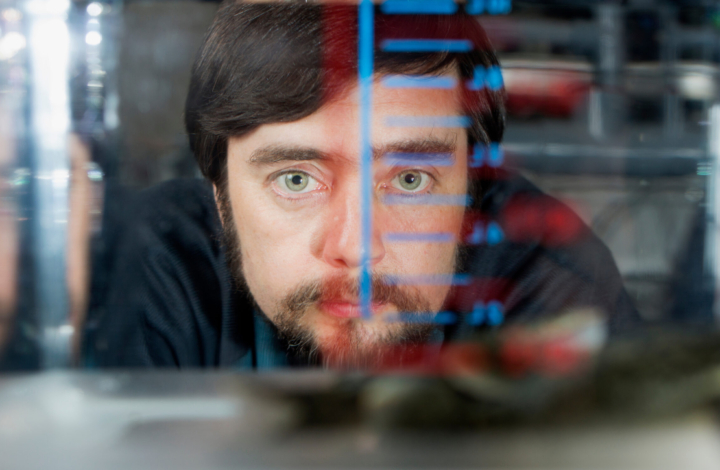
Peyman Servati is a Professor in the Department of Electrical & Computer Engineering at the University of British Columbia (UBC), affiliated with the Faculty of Applied Science. He leads the Flexible Electronics and Energy Lab (FEEL) and the Centre for Flexible Electronics and Textiles (CFET), and is part of the Clean Energy Research Centre (CERC) and Microsystems and Nanotechnology (MiNa) Group. His research focuses on low-cost flexible solar cells, wearable technology, nanomaterials, and energy systems. Education: BASc (University of Tehran, 1998), MASc and PhD (University of Waterloo, 2000 and 2004). Pre-UBC roles included Research Associate at the University of Cambridge (2005–2011) and Senior Research Scientist at Ignis Innovation Inc. Research interests include smart textiles, flexible electronics, nanocomposites, and renewable energy applications. He has over 80 peer-reviewed publications, 4 patents, and 10 patent applications. Awards include the 2006 NSERC Canada-UK Millennium Award and 2005 NSERC Doctoral Prize. Advising highlights include supervising numerous PhD and MASc students in areas like wearable sensors, energy storage, and biomedical applications. Key labs include FEEL and CFET, focusing on textile-based electronics and sustainable energy solutions.
Dr. Christabel Tan is an Associate Professor in the Research Department of Engineering and Technology at the University of Hertfordshire, affiliated with the School of Physics, Engineering & Computer Science and the Wolfson Centre for Biodetection and Instrumentation. She holds a BEng (Hons) in Electronic Engineering (2000), MPhil in Electrical Engineering (2002), and PhD in Microfluidic Systems (2006) from UMIST. Her expertise spans microsystems engineering, microfabrication, and MEMS, with a focus on biomedical applications. She is Deputy Head of Engineering, managing microdevice development and fabrication. Education : BEng (Hons) Electronic Engineering, UMIST (2000) MPhil Electrical Engineering & Electronics, UMIST (2002) PhD in Microfluidics, University of Hertfordshire (2006) MBA, Hertfordshire Business School (2016) NEBOSH H&S Certification (2017) Research Interests : Microfluidic-enabled systems Novel microfabrication techniques MEMS for biomedical applications Rapid prototyping of microengineered devices Projects & Grants : Lead researcher in 16 projects, including CIBD (2023–2026), DIVISIUM (2021), and DLP Printing Systems (2021–2022) Focus areas: biodetection systems, digital microfluidics, and medical device compliance Labs & Teams : Active in the Wolfson Centre for Biodetection and Instrumentation, collaborating on multidisciplinary projects involving microfluidic device design for cell/gene therapy and biosensor development.
Prem Pal is a Professor in the Department of Physics at the Indian Institute of Technology Hyderabad. His work focuses on MEMS technology, silicon micromachining, and thin film applications in sensors and energy systems. Education : Ph.D. in MEMS from IIT Delhi (2004), M.Tech in Solid State Materials from IIT Delhi (1999) His research spans wet anisotropic etching, microfluidic channels, and advanced MEMS fabrication techniques. He has developed novel processes for Borofloat glass and silicon wafer processing. Key trends in his publications include isotropic/anisotropic wet etching, masking layer behavior, and optimization of etching solutions (e.g., NH4OH, KOH, NaOH) for MEMS devices. His work addresses surface texturization and structural dynamics of microcantilever beams. Laboratory : Prem Pal leads the MEMS & Micro/Nano Systems Laboratory at IIT Hyderabad, advancing microsystem technologies and semiconductor physics applications.
Michael Levin is a Distinguished Professor at Tufts University in the Department of Biology within the School of Arts and Sciences. He serves as Director of both the Allen Discovery Center at Tufts University and the Tufts Center for Regenerative and Developmental Biology. His laboratory investigates the intersection of developmental biology, artificial life, bioengineering, synthetic morphology, and cognitive science. Allen Discovery Center at Tufts Tufts Center for Regenerative and Developmental Biology Tufts/UVM: ICDO Harvard Wyss Institute Stibel Dennett Consortium for Brain and Cognitive Science The Proteus Institute MIT Science and Technology Center EBICS Levin's research focuses on understanding diverse intelligence in evolved, designed, and hybrid complex systems. His lab combines developmental biophysics, computer science, and behavioral science to study how cognition scales up from cellular competencies to organism-level behaviors. A key specialty is developmental bioelectricity—the study of how somatic electrical networks store, process, and act on information to control large-scale body structure. His team creates tools to read and edit the bioelectric code guiding proto-cognitive computations in the body. Levin's publications reveal a strong focus on bioelectricity, morphogenesis, and non-neural cognition across multiple model systems including Xenopus, planarians, and synthetic living constructs. His recent work explores collective intelligence as a unifying concept across biological scales, the development of microfluidic devices for measuring electrical connectivity, and optical estimation of bioelectric patterns in living embryos. His research spans fundamental developmental mechanisms to potential biomedical applications in regeneration and disease treatment. As an editor, Levin serves as Co-Editor-in-Chief of Bioelectricity and Founding Associate Editor of Collective Intelligence. He has mentored numerous post-doctoral fellows and graduate students who have gone on to establish their own research programs. His lab has received significant attention for creating novel biological machines (xenobots) and demonstrating that cells can store and transmit behavioral memory outside the brain. The Levin Lab maintains several significant research initiatives including the Allen Discovery Center at Tufts, the Tufts Center for Regenerative and Developmental Biology, and collaborations with the Wyss Institute at Harvard. The lab employs a multidisciplinary approach combining wet lab experiments with computational modeling to investigate how living systems achieve goal-directed behavior and pattern formation.
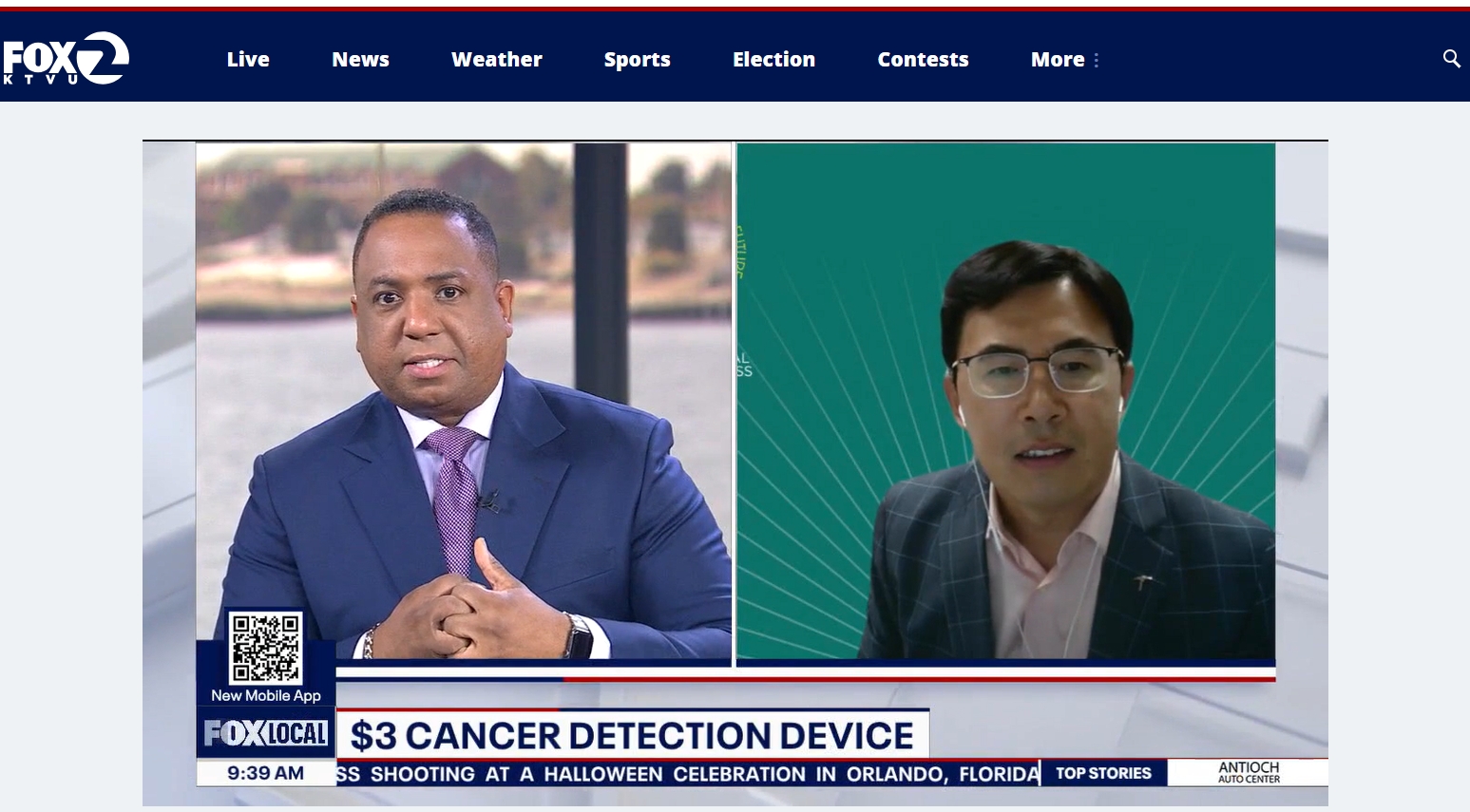
Dr. XiuJun Li is a Professor in the Department of Chemistry and Biochemistry at The University of Texas at El Paso (UTEP) within the College of Science. He leads the Li Microfluidic Lab-on-a-Chip & Nanotechnology Group, focusing on the development of cutting-edge, low-cost diagnostic technologies for applications in bioanalysis, biomedical engineering, forensic science, and environmental science. His work is highly interdisciplinary, bridging chemistry, engineering, and biology. Dr. Li's primary research interests lie in microfluidics, nanotechnology, lab-on-a-chip systems, and point-of-care diagnostics. His lab specializes in creating paper and polymer hybrid microfluidic devices for the ultrasensitive detection of cancer biomarkers, infectious diseases (such as SARS-CoV-2 and pertussis), and environmental toxins. A significant focus is on making these devices instrument-free and affordable, particularly for use in resource-limited settings and rural areas. His recent work on a $3 paper-based cancer detector has garnered significant media attention, including features in the New York Post and local TV stations. The trend in Dr. Li's recent publications reveals a strong emphasis on developing portable, visual, and quantitative diagnostic platforms. His research frequently involves the integration of nanomaterials for signal amplification, the use of microfluidic chips for controlled reactions, and innovative readout methods like bar-chart displays and smartphone-based detection, all aimed at creating practical tools for real-world healthcare challenges. Dr. Li has received substantial recognition for his contributions to science, including being named one of the World's Top 2% of Cited Researchers by Elsevier and a Top Scholar by ScholarGPS. He is an Editorial Board Member for Microsystems & Nanoengineering (Nature Publishing Group) and has been awarded a Travel Grant from GEM on the Road’s PFI Programming. He holds patents for his inventions in biosensing and photothermal detection. Dr. Li is a dedicated mentor and educator. He has advised numerous PhD and Master's students, many of whom have gone on to prestigious postdoctoral positions at institutions like Harvard, UPenn, and MD Anderson. He is also the Director of the Forensic Science program at UTEP, where he organizes outreach events to engage students. His lab is actively involved in research, with multiple postdoctoral fellows and graduate students currently working on projects related to cancer detection and infectious disease study.
Andy Shih is a Professor in the Department of Electrical Engineering at École de technologie supérieure (ÉTS) in Montreal, Canada. He holds a B.Eng. and M.Eng. in Electrical Engineering from McGill University and a Ph.D. in Electrical Engineering from Massachusetts Institute of Technology. His research is conducted at the LaCIME (Communications and Microelectronic Integration Laboratory), where he focuses on innovative materials and advanced manufacturing. Dr. Shih's research interests span organic semiconductor devices, microfabrication & nanofabrication, printed and flexible electronics, sustainable electronic materials, organic transistors and sensors, soft MEMS, AI-enhanced sensing, and biomedical monitoring technologies. His work bridges materials science, electrical engineering, and biomedical applications, with particular emphasis on developing smart bandages, printed sensors, and flexible electronics for healthcare monitoring. His publications reveal a strong focus on organic electronics, sensor development, and biomedical applications, with increasing integration of AI techniques for sensor enhancement and data analysis. Dr. Shih teaches courses including Electromagnetism (ELE312), Microsystem Fabrication Processes (ELE676), and Photovoltaic Solar Energy Systems (ENR889). His supervision portfolio includes numerous doctoral and master's students working on diverse projects spanning printed electronics, MEMS, sensor development, AI applications in sensing, and photovoltaic systems. His research has resulted in multiple patents related to thin-film transistors, acoustic resonators, and sensor technologies.
Shantanu Chakrabartty is the Clifford W. Murphy Professor and Vice Dean for Research and Graduate Education at the McKelvey School of Engineering, Washington University in St. Louis. He holds affiliations with the Institute of Materials Science & Engineering . His research focuses on analog and neuromorphic computing, energy-efficient sensors, and biomedical instrumentation. Education: PhD, Johns Hopkins University, 2004 MS, Johns Hopkins University, 2002 BTech, Indian Institute of Technology, 1996 Research Interests: Professor Chakrabartty explores frontiers in neuromorphic integrated circuits, leveraging silicon and hybrid substrates to achieve energy efficiency and high-resolution sensing. His work includes self-powered sensors, machine learning processors, and biomedical tools. Recent projects involve neuro-inspired quantum optimization and low-power radar systems funded by a $1.9M grant. Awards: National Science Foundation CAREER Award (2010) MSU Teacher-Scholar Award (2011) MSU Innovation of the Year Award (2012) Labs & Teams: Former Director of the Adaptive Integrated Microsystems Laboratory at Michigan State University. Current projects emphasize interdisciplinary collaborations in materials science and biomedical engineering.
Tim Wilkinson is a Professor of Photonic Engineering at the University of Cambridge, holding a Fellowship at Jesus College. He serves as Director of Studies in Engineering and Manufacturing Engineering (Parts IIA and IIB) and specializes in photonics research. BEng Hons, University of Canterbury, New Zealand PhD, Magdalene College, University of Cambridge Research Interests: Liquid crystal photonics, devices, and displays Optical communications and spatial optics Nanophotonic devices and metasurfaces Holography and 3D display technologies Scientific Awards: ILCS Mid-Career Award Hilsum Medal from the BLCS Tim maintains additional affiliations with the Cambridge Centre for Microsystems and Photonics Engineering (CMMPE) and the Cambridge Energy Initiative. His personal interests include DJing, drum and bass music, Lego building, record collecting, and smallholding farming.
Michael Daniele is an Associate Professor at North Carolina State University, jointly appointed in the Department of Electrical & Computer Engineering and the Joint Department of Biomedical Engineering . His research focuses on bioelectronics engineering, particularly in developing microsystems for monitoring, mimicking, and augmenting biological functions. He leads the @BiointerfaceLab , exploring wearable/implantable biosensors, microphysiological systems, and process analytical technologies for biomanufacturing. Education : Ph.D. in Materials Science & Engineering (Clemson University, 2012) Bachelor's in Materials Science & Engineering (Rutgers University, 2009) Research Highlights : Developing "injury-on-a-chip" models for coagulation studies Pioneering hydrogel microneedles for diagnostic devices Advancing light-controlled peptide ligands for protein purification Collaborating with Novartis on viral vector manufacturing Award Recognition : 2024 William F. Lane Outstanding Teaching Award 2019 NSF CAREER Award 2022 University Faculty Scholar Grants & Initiatives : Co-leader of the NC-Viral Vector Initiative (2023–present) NSF-funded projects in biosensor integration and biomanufacturing His work bridges engineering and medicine, with applications in gene therapy, wearable diagnostics, and precision agriculture.
Nelson Sepulveda Alancastro is a Professor and Interim Chairperson of Electrical and Computer Engineering (ECE) at Michigan State University's College of Engineering, with a joint appointment in Mechanical Engineering (ME). He holds a Ph.D. (2005) and M.S. (2002) from Michigan State University, and a B.S. (2001) from the University of Puerto Rico-Mayaguez. His research integrates micro/nano sensors, smart materials, and energy harvesting, with applications in biomedical devices, environmental monitoring, and MEMS. Research Focus: Dr. Sepulveda's work centers on ferroelectret nanogenerators, vanadium dioxide-based reconfigurable devices, flexible sensors, and machine learning for sensor data analysis. His lab develops self-powered systems for biomechanical monitoring, invasive species detection, and concussion prediction. Awards and Honors: MSU Withrow Teaching Excellence Award (2018) MSU Withrow Diversity Excellence Award (2018) Michigan State University Teacher-Scholar Award (2015) NSF Career Award (2010-2015) IEEE Senior Member (2011) Students and Team: He advises Ph.D. candidates including Ian González-Afanador, Gerardo Morales-Torres, and Henry Dsouza. His Advanced Microsystems Group (AMG) focuses on interdisciplinary projects spanning materials science, MEMS, and embedded systems.
Tiina Sikanen is an Associate Professor at the University of Helsinki within the Faculty of Pharmacy, Division of Pharmaceutical Chemistry and Technology . She leads the Chemical Microsystems Lab and serves as a supervisor for doctoral programmes in Drug Research, Chemistry and Molecular Sciences, and Materials Research and Nanosciences. Her research focuses on microfluidic systems, polymer microfabrication, and mass spectrometry applications in drug metabolism studies. Education : MSc in Chemical Technology (Aalto University, 2010), PhD in Pharmaceutical Chemistry (University of Helsinki, 2007) Her research integrates microfluidic total analysis systems with digital microfluidics to create 3D liver and cardiac cell culture models for studying extracellular vesicle activity and cytochrome P450 metabolism. Key projects include PREMIER (risk evaluation of medicines in environment) and CardioEV (cardiotoxicity biomarker discovery). Her recent publications highlight advancements in microdevice-based extracellular vesicle quantitation, Staphylococcus biofilm modeling, and sustainable pharmaceutical life-cycle analysis. Scientific awards include the Academy of Finland Award for Scientific Courage (2019) , Research Fellow (2017) , and Postdoctoral Researcher (2011) . She has supervised numerous Master's and doctoral theses, including Elina Kyllönen's MSc(Pharm) work on microfluidic sustainability challenges and Laura Sirviö's BSc research. Her lab employs 3D printing for cleanroom-free microdevice fabrication and participates in EU-funded initiatives like IMI2-RIA PREMIER.
Dr. Ye Wang is an Assistant Professor at the Department of Microsystems , Mechanical Engineering School , Eindhoven University of Technology . Active in UN Sustainable Development Goals related to biomedical technology, their work focuses on magnetic artificial cilia for microfluidic applications. Academic Rank: Assistant Professor University: Eindhoven University of Technology School: Mechanical Engineering Department: Microsystems Research Interests : Fluid dynamics in microsystems, magnetic actuation, biomechanical stimuli response, and biomedical device development. Key areas include programmable artificial cilia, shear-thinning fluid transport, and biofouling prevention through microscale engineering. Scientific Trends : Recent works emphasize cilia-based microfluidic mixing, non-Newtonian fluid dynamics, and organ-on-chip platforms. Collaborative projects with Prof. J.M.J. den Toonder and P.R. Onck dominate current publications. Advising : Supervised multiple student theses on topics ranging from microrheology to microheater reliability. Graduate students include F.W. Boots , M.H.J. Dekkers , and Y.-T. Lan . Projects : Currently involved in Accelerating Innovation in Microfabricated Medical Devices (2020-2023) with focus on continuous monitoring and advanced diagnostics. Scientific Impact : 1231 citations (Scopus) with collaborative networks spanning fluid dynamics, magnetic actuation, and biomedical applications. Featured in PNAS and Lab on a Chip publications.
Dr. Jonathan G. Terry is Senior Lecturer and Head of Graduate School at the University of Edinburgh's School of Engineering, where he leads research in the Institute for Integrated Micro and Nano Systems. His work focuses on developing smart sensor systems using novel fabrication processes at the Scottish Microelectronics Centre facilities. His qualifications include: BEng in Electronic Engineering (UMIST) MSc in Microelectronic Materials and Device Technology (UMIST) PhD in Solid State Electronics (UMIST) Terry's research spans physical, biological, chemical, medical, astronomical, and harsh-environment sensing applications. He holds patents and has authored over 100 publications in microsystems development. Current projects examine implantable microsystems for anti-cancer therapy, enhanced boiling surfaces, and Leidenfrost-based energy harvesting. His teaching portfolio includes Microelectronics, Professional Engineering Issues, and Microfabrication Techniques courses. As Head of Graduate School, Terry oversees academic programs while maintaining research activities in sensor integration with foundry CMOS circuitry. His group develops novel fabrication techniques for applications ranging from medical diagnostics to renewable energy systems.
Yong-Bin Kim is a Professor in the Department of Electrical and Computer Engineering at Northeastern University, part of the College of Engineering. He has held prior positions at Intel Corp., Hewlett Packard Co., Sun Microsystems, and the University of Utah. His research focuses on integrated circuit design, nanoelectronics, bio-chip interfaces, and low-power VLSI systems. He has contributed to initiatives like the HPVLSI Lab and Microsystems and Electron Devices Lab. Education includes a B.S. in Electronic Engineering from Sogang University (Seoul, South Korea), an M.S. from the New Jersey Institute of Technology, and a Ph.D. in Computer Engineering from Colorado State University (1996). Research interests encompass high-speed low-power VLSI design, system-on-chip (SoC), physical VLSI CAD, and nanoelectronics. Specific areas include bio-sensor interface circuits, electronic neuron design, and adaptive robot controllers. Key projects involve compact power-efficient integrated circuits and high-speed transceiver design. Outstanding Paper Award, 2020 IEEE ISOCC South Korean Patent for Autonomous Impedance Calibration (2021) Best Paper Award, 2016 International SoC Design Conference Patent for Improved Receiver Circuit (2020) Patent for Method to Detect Trojan Circuits (2018) Advisees include graduate student Yixuan He. He has led research projects funded by Winchester Technology and Hynix Semiconductor, focusing on semi-self-calibration transceivers and tunable RF inductors. Labs include the HPVLSI Lab and Microsystems and Electron Devices Lab at Northeastern University, which focus on high-speed/low-power IC design and microfabrication technologies.
Prof. Can Dincer is a Professor of Sensors and Wearables for Healthcare at the TUM School of Computation, Information and Technology, Technische Universität München (TUM). His research focuses on bioanalytical materials, wearable sensors, and AI-driven diagnostics for One-Health applications, integrating disposable sensor technology with data science. He holds a doctorate from the University of Freiburg (summa cum laude, 2016) and worked as a visiting scientist at Imperial College London before joining TUM in 2024. He is a member of the Munich Institute of Biomedical Engineering (MIBE). Key research interests include: Development of wearable biosensors for real-time health monitoring CRISPR-based diagnostics for nucleic acids and proteins AI integration for therapeutic drug monitoring in sepsis and other critical conditions Environmental health connections via point-of-need diagnostics Notable achievements include the 2021 Biosensors & Bioelectronics Best Paper Award and inclusion in Stanford's World's Top 2% Scientists since 2022. His work spans clinical applications, microfluidic platforms, and nanotechnology-based solutions for healthcare challenges. Publications highlight innovations like optogenetic bioassays (Science Advances, 2024), CRISPR-powered multiplexed biosensors, and wearable systems for continuous biomarker monitoring. His research bridges material science, electrical engineering, and biomedicine to create practical diagnostic tools. Prof. Dincer collaborates across disciplines, focusing on translating lab innovations into clinical and commercial applications through advanced sensor technologies.