Prof. Dr. Dirk M. Hermann serves as a leading academic at the Clinic for Neurology within University Hospital Essen. His research focuses on vascular neurology, dementia research, and aging-related neurological disorders , with particular emphasis on ATP-binding cassette transporters, thromboinflammation, and restorative therapies for ischemic brain injury. Key research themes include neurovascular remodeling , neuronal-glial interactions , and secondary neurodegeneration following stroke. His recent publications highlight 2024 work on extracellular vesicles in brain plasticity , 2022 studies on post-stroke myeloid cell dynamics , and 2020 clinical trial design contributions in stroke recovery. His research integrates neuroimmunology with molecular cell biology to address stroke pathophysiology and recovery mechanisms. Collaborative projects span cardio-neurovascular interactions and nanoparticle neurodelivery systems , particularly evident in 2020 biomaterials research.
Professor Andrew Moorhouse serves as Professor of Physiology and Horizons Professor of Medical Sciences (Education Focused) at the School of Medical Sciences within the Faculty of Medicine and Health at the University of Sydney. His dual appointment reflects his significant contributions to both neuroscience research and physiology education. With an active research program spanning over two decades, Professor Moorhouse maintains strong international collaborations, particularly with Japanese research institutions as evidenced by his extensive publication record. Professor Moorhouse's research interests center on cellular and molecular neuroscience with particular emphasis on microglia-neuron interactions, ion channel physiology, and neural plasticity mechanisms. His work investigates how microglia modulate synaptic function, how astrocytes influence pain pathways, and the role of chloride transporters like KCC2 in neural circuit function. More recently, he has made substantial contributions to physiology education reform in Australia, leading multiple projects to establish consensus on core physiological concepts through the Delphi method. Analysis of his publication trends reveals a clear evolution from fundamental neuroscience research toward integrated approaches combining cellular mechanisms with systems-level physiology and educational frameworks. While his earlier work (2003-2015) focused primarily on ion channel biophysics and receptor physiology, his recent publications (2019-2024) demonstrate expanding interests in neural circuit function, pain mechanisms, and physiology education. His research consistently appears in high-impact journals including Nature Communications, Science Advances, and Journal of Neuroscience. Professor Moorhouse has been actively involved in physiology education reform in Australia, contributing to multiple collaborative papers on core concepts in physiology education. His work with Australian colleagues has systematically unpacked and validated fundamental physiological concepts including homeostasis, integration, cell-cell communication, and the structure-function relationship across various physiological systems. His research program demonstrates significant collaborative activity with both Australian and international colleagues, particularly from Japan. While specific grant information isn't provided in the available text, his extensive publication record across multiple high-impact journals suggests sustained research funding. Professor Moorhouse appears to work within a neuroscience research group focusing on glial cell function, neural plasticity, and pain mechanisms, with strong connections to both Australian physiology education networks and Japanese neuroscience laboratories.
Irmgard Tegeder is a Professor of Clinical Pharmacology at Johann Wolfgang Goethe-University Frankfurt, affiliated with the pharmazentrum frankfurt/ZAFES research center. Her work bridges molecular neuroscience and pharmacology. Focuses on molecular mechanisms of pain Develops novel analgesic targets Integrates human and rodent experimental models Research spans: Neuroimmune interactions in neuropathic pain Tetrahydrobiopterin regulation of pain hypersensitivity IKKbeta signaling in primary afferent neurons Synaptic vesicle proteins in glutamatergic pain pathways Granulins in nerve regeneration Publications since 2019 demonstrate expertise in lipid mediators and neuroglial communication across pain, neurodegeneration, and psychiatric disorders.
Lucas Cheadle is an Associate Professor at Cold Spring Harbor Laboratory (CSHL) and a Cancer Center Member. Appointed as Assistant Professor in 2020 and promoted to Associate Professor in November 2024, he leads the Cheadle Lab focusing on neuro-immune mechanisms of brain development, plasticity, and function. As a Howard Hughes Medical Institute Freeman Hrabowski Scholar (2023), his work bridges neuroscience and immunology to understand how environmental experiences shape brain connectivity. Dr. Cheadle's research interests center on how sensory experiences engage immune cells, particularly microglia, to shape neural circuit development and function. His lab investigates how impairments in neuro-immune communication contribute to neurodevelopmental disorders like autism and neurodegenerative conditions including Alzheimer's disease. Using the mouse visual system as a model, his team employs cutting-edge approaches including two-photon live imaging, single-cell transcriptomics, and electrophysiology to study the molecular mechanisms through which environmental stimuli converge upon the microglial genome to shape neural circuits. Analysis of Dr. Cheadle's recent publications reveals a strong focus on oligodendrocyte precursor cells (OPCs), microglial function, and synaptic plasticity. His work demonstrates how sensory experiences alter gene and protein expression in brain immune cells, allowing them to interact with neurons to strengthen, maintain, or eliminate synaptic connections. This research has significant implications for understanding both normal brain development and neurological disorders across the lifespan. Scientific Awards: MIND Prize (2025) from The Pershing Square Foundation ($750,000) HHMI Freeman Hrabowski Scholar (2023) NIH Director's New Innovator Award (2022) Rita Allen Scholar Award (2021) Klingenstein-Simons Neuroscience Fellowship (2021) McKnight Scholar Award (2021) Emerging Scholar by Diverse: Issues In Higher Education (2022) Dr. Cheadle actively mentors students through CSHL's graduate program, teaching courses on visual system development. His lab emphasizes diversity, equity, and inclusion, with a stated commitment that 'diverse teams do better science and are more productive.' The Cheadle Lab develops innovative tools and approaches to define contributions of immune cells to brain development and function, with parallel investigations into how inflammatory signals contribute to neurological disorders from autism to Alzheimer's disease. Their current MIND Prize-funded project explores oligodendrocyte precursor cells as potential therapeutic targets for maintaining synaptic integrity in Alzheimer's disease.
Professor Mikael Simons is a distinguished neuroscientist and W3-Professor of Molecular Neurobiology at the Technical University Munich (TUM), where he serves as Director of the Institute of Neuronal Cell Biology (TUM-NCB). He is also affiliated with the German Center for Neurodegenerative Diseases (DZNE) in Munich and the Institute for Stroke and Dementia Research (ISD). His laboratory focuses on understanding the biology of glial cells and their interactions with neurons in both health and disease. Dr. Simons received his medical degree from the University of Heidelberg in 1997, where he completed his MD thesis at the Centre for Molecular Biology Heidelberg (ZMBH) with 'summa cum laude' honors. After completing his residency in Neurology at the University of Tübingen, he pursued post-doctoral studies at the Institute for Neurobiology, University of Heidelberg. He became a specialist in Neurology in 2004 and completed his Habilitation in Neurology at the University of Tübingen in 2005. His research program spans several interconnected areas of neuroscience. A primary focus is on oligodendrocytes and myelin, particularly investigating the mechanisms of myelin formation and regeneration following injury, which is highly relevant to multiple sclerosis. Another major focus is on microglia and their functions in homeostasis, aging, and disease, with particular interest in neuroinflammation mechanisms and how immune cells damage or restore nervous system function. His lab also studies the role of lipoproteins in development, regeneration, aging, and neurodegeneration within the central nervous system. Dr. Simons' laboratory employs a multidisciplinary approach combining mouse models, zebrafish, and iPSC-derived human cell systems with advanced techniques including genetics, single-cell genomics, proteomics, lipidomics, CRISPR/Cas9 gene editing, and high-resolution imaging. His team has made significant contributions to understanding myelin biogenesis, white matter aging, and the interplay between lipid metabolism and neuroinflammation. Current Positions: W3-Professor and Director, Institute of Neuronal Cell Biology, TU Munich & DZNE/Munich (2016-present) Head of Clinical Research & Clinical Trial Unit Munich at DZNE/Munich (2020-present) Scientific Awards and Honors: EMBO Young Investigator Award (2008) ERC Starting Grant (2008) ERC Consolidator Grant (2014) ERC Advanced Grant (2020) German National Academy of Sciences Leopoldina member (2023) Dr. Simons has mentored numerous graduate students and postdoctoral fellows, contributing significantly to neuroscience education and training. His laboratory is part of a vibrant research ecosystem including the Munich Excellence-Cluster for Systems Neurology (SyNergy), where he serves on the board and co-heads the electron microscopy hub. He also plays a key role in the Collaborative Research Centre 274 as its speaker and co-head of the single-cell genomics hub. The work from Dr. Simons' laboratory has important implications for understanding and treating neurodegenerative diseases, particularly those involving myelin damage such as multiple sclerosis, as well as age-related cognitive decline and dementia. His research bridges basic science with potential clinical applications, aiming to develop regenerative medicines for the nervous system.
Dr. John D. Fryer is a Professor and the inaugural Director of the Center for Accelerated Nanotherapeutics at the Translational Genomics Research Institute (TGen) within the Bioinnovation and Genome Sciences Division. His research focuses on translational neuroscience with emphasis on Alzheimer's disease and related dementias, neuroinflammation mechanisms, and development of novel biologics including nanobodies and picobodies. Dr. Fryer's laboratory pursues NIH-funded research at the intersection of genetics, aging, and neuroinflammation. His work spans multiple critical areas of neuroscience including: Alzheimer's disease and related dementias, particularly the inflammatory aspects of neurodegeneration Nanobody and picobody development for therapeutic targeting of disease-critical proteins Sepsis and acute inflammation and their impact on brain function in aged individuals Psilocybin and mood disorders, studying differential brain responses to micro- versus macro-dosing Brain tumor interactions with the immune system and neurons, including the intriguing inverse relationship between Alzheimer's disease and brain tumor susceptibility Analysis of Dr. Fryer's publication record reveals a strong focus on APOE variants, microglial responses in neurodegeneration, and innovative biologics development. His research increasingly integrates multi-omic approaches including single-cell RNA sequencing and spatial transcriptomics to uncover novel therapeutic targets. His lab has developed searchable databases like www.fryerlab.com/ribotag and https://fryerlab.shinyapps.io/LBD_CWOW/ to share research data with the scientific community. Dr. Fryer has published extensively in high-impact journals including Nature Immunology, Nature Neuroscience, Science Translational Medicine, Science, and Neuron. His recent work on nanobody development for targeting Alzheimer's pathology represents a promising translational approach with potential clinical applications. His laboratory maintains active collaborations, as evidenced by the extensive co-author networks in his publications, and continues to secure NIH funding for innovative neuroscience research addressing critical challenges in neurodegenerative disease, brain inflammation, and novel therapeutic development.
Stephanie White , a Professor in the Department of Integrative Biology & Physiology at the College of Life Sciences , University of California, Los Angeles, investigates the interplay between social behaviors and neuronal plasticity in zebra finches . Her research focuses on how vocal learning—a critical reproductive behavior—is shaped by gene expression and neural circuitry, particularly through comparative studies of sexually dimorphic brain structures. Her recent publications highlight diverse research directions, from genomic analyses of domestication syndrome in songbirds to RNA diagnostics and clinical implications in neurodevelopmental disorders . Collaborative studies include FOXP2 transcriptional targets and microRNA regulation in vocal learning . Stephanie’s lab employs behavioral experiments , electrophysiology , and molecular techniques to explore how social interactions modulate gene expression and neural properties. She also contributes to interdisciplinary discussions on genetics in palliative care and terminology standardization in genomics . Contact: sawhite@ucla.edu | Lab Website
Tomas Deierborg is a Professor and Research Team Manager at Neuroinflammation , Lund University . He serves as Principal Investigator for MultiPark: Multidisciplinary research focused on Parkinson's disease and Head of Department at the Department of Experimental Medical Science . Additionally, he is a Profile Area Member in Proactive Ageing and Affiliated Researcher at Infect@LU . His research focuses on neuroinflammation , Alzheimer's disease , Parkinson's disease , and microglial function . Specific interests include protein aggregate transmission , galectin-3 mechanisms , gut-brain axis , and neuroimmune regulation . He explores amyloid-beta pathology , neuronal death pathways , and microglial polarization in neurodegenerative contexts. Recent publications analyze CSF biomarker changes in Alzheimer's models, microglial extracellular vesicles in neuroinflammation, and galectin-3's role in pro-tumoral microglia . His work also addresses prion-like transmission of protein aggregates and immune modulatory therapies for neurodegenerative diseases. Currently leading projects include "Denominating genetic and immunogenic factors of consequential microglia phenotype in AD" , "Microglial Galectin-3 in Alzheimer's" , and "Gut-brain axis in Alzheimer's disease" . These projects receive funding from organizations like Alzheimerfonden and Swedish Research Council . He collaborates internationally on neurodegenerative research , with affiliations to MultiPark and Infect@LU . Recent activities include research supervision workshops and translational studies connecting neuroimmunology to UN Sustainable Development Goals related to health and well-being.
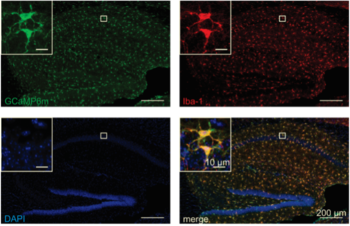
Prof. Dr. Marcus Semtner is a Visiting Professor at the Department of Biology, Chemistry, Pharmacy at Freie Universität Berlin, affiliated with the Institute of Biology and the Max Delbrück Center. His research focuses on neuroimmunology and the physiology of microglia, particularly their role in synaptic activity regulation, G protein-coupled receptor signaling, and interactions with neurons/astrocytes. He leads studies using advanced mouse models, such as GCaMP6m-expressing microglia, to dissect neuron-microglia communication in living brain tissues. Education details are not explicitly stated in the text, but his academic career includes collaborative research across institutions like the Max Delbrück Center. His work bridges immunology, neuroscience, and cell biology, with a focus on microglial dysfunction in neurodegenerative and genetic disorders like neurofibromatosis type 1 and autism spectrum disorder models. Research highlights include discoveries on microglial sensing of GABA and histamine signals, sex-specific microglial states, and the role of VGF-derived peptides in purinergic signaling. He co-developed novel techniques for in situ analysis of microglia, including Patch-seq and live imaging approaches. Teaching activities include leading the 'Neuroimmunology and Physiology of Microglia' course, emphasizing hands-on research integration. Collaborations with institutions like the Charité Berlin and international teams (e.g., with Dr. Dieter H. Gutmann in St. Louis) are central to his work.
Dr. Shawn Whitehead is a Professor and Director of the Western Institute for Neuroscience at Western University's Schulich School of Medicine & Dentistry, Department of Anatomy and Cell Biology. He holds a Ph.D. and B.Sc. (Honours) from The University of Western Ontario. His research focuses on neurodegenerative diseases, stroke pathophysiology, and vascular cognitive impairment, with an emphasis on lipid biochemistry and neuroinflammation mechanisms. Key methodologies include rodent models of co-morbid conditions and MALDI-MS imaging for lipid analysis. Research interests include understanding the interplay between Alzheimer's disease and cerebrovascular disorders, lipid raft dynamics in neurons, and the role of gangliosides in neurodegeneration. He explores how vascular risk factors like hypertension and diabetes exacerbate cognitive decline and amyloid-beta pathology. His work integrates molecular, behavioral, and imaging approaches to address translational challenges in neurodegenerative diseases. Publications highlight breakthroughs in lipid biomarker discovery, stroke-induced cardiac dysfunction, and the development of novel animal models. Collaborative projects include investigations into neurovascular unit dysregulation and the brain-heart connection. Current efforts aim to identify therapeutic targets for co-morbid conditions through lipidomic profiling and extracellular vesicle analysis.
Dr. Mriganka Sur is the Newton Professor of Neuroscience and Director of the Simons Center for the Social Brain at MIT. He previously served as head of the MIT Department of Brain and Cognitive Sciences for 15 years. His research focuses on the organization, plasticity, and dynamics of the cerebral cortex, employing experimental and theoretical approaches. Key areas include synaptic plasticity mechanisms, cortical circuit development, and neurodevelopmental disorders like Rett syndrome. His lab pioneered imaging techniques to study intact brain circuits and identified gene networks underlying cortical plasticity. Education: B.Tech. in Electrical Engineering from the Indian Institute of Technology, Kanpur (1978), and PhD in Electrical Engineering from Vanderbilt University (1983). Research interests span cortical circuit dynamics, neuromodulation (e.g., noradrenaline signaling), astrocyte-neuron interactions, and translational strategies for neurodevelopmental disorders. Recent work includes discoveries on astrocyte roles in synaptic refinement and the therapeutic potential of IGF-1 for Rett syndrome. Major awards include the Krieg Cortical Discoverer Prize, Royal Society Fellowship, and multiple NIH grants. He has mentored over 80 doctoral students and postdoctoral fellows, recognized for teaching and mentoring excellence. His lab is funded by NIH BRAIN Initiative, Simons Foundation, and other institutions. Labs/Teams: Sur Lab (MIT) focuses on cortical circuits and Rett syndrome mechanisms. He directs the Simons Center for the Social Brain, advancing social neuroscience research.
Professor Alexej Verkhratsky is a leading scholar at the University of Manchester , holding the Professor of Neurophysiology position in the Division of Neuroscience. With over 400 peer-reviewed publications and an H-index of 86, he is a globally recognized expert in glial physiology and neurodegenerative diseases. Member of Academia Europaea (Vice-President, Life Sciences) Elected to German National Academy of Sciences Leopoldina (2013) Highly Cited Researcher (2023) His research focuses on neuroglial communication , pioneering discoveries in calcium and sodium signaling in astrocytes and microglia. Key contributions include: Foundational work on glial excitability via Ca²⁺/Na⁺ dynamics Development of the astroglial cradle concept for synaptic regulation Identification of astroglial atrophy as an early marker in Alzheimer's disease Characterization of glial paralysis in neurodegeneration Caffeine-induced Ca²⁺ release mechanisms Role of P2X receptors in gliotransmission Recent publications (2025-2026) highlight his work on: Mitochondrial responses in Alzheimer's and tauopathies Glial regulation of cerebrospinal fluid dynamics Neurodegenerative mechanisms in white matter pathology Scientific Awards include: Copernicus Gold Medal (2017) Dana Alliance for Brain Initiatives (2012) Multiple academy memberships (Slovenian Academy of Sciences, Real Academia Nacional de Farmacia, Poland National Academy of Sciences) As Editor-in-Chief of Cell Calcium and Deputy Editor of Cell Death and Disease , he shapes discourse in glial physiology and neurodegeneration research. His work contributes to UN Sustainable Development Goals for brain health research.
Sandra Siegert is a Professor in the Life Sciences Department at the Institute of Science and Technology Austria (ISTA). Her research focuses on understanding how microglia interact with neuronal networks in both healthy and diseased states, particularly in the context of neuropathological disorders. She integrates knowledge from virology, immunology, molecular biology, neuroscience, and applied mathematics to study microglia's role in brain maintenance and disease progression. Education Dr. phil. nat in Neurobiology from the University of Basel (2005-2010) Diploma in Biological Sciences from Goethe-Universität Frankfurt am Main (2000-2005) Research Interests Dr. Siegert's work emphasizes microglia's response to environmental cues, their epigenetic regulation, and their contribution to neurological disorders like schizophrenia and Alzheimer's disease. Key areas include: Microglia-neuron communication in retinal and cortical circuits Role of microRNAs (e.g., miR-137) in synaptic plasticity 60-Hz light entrainment effects on brain plasticity Applied topology for analyzing cellular networks Human iPSC-derived microglia modeling Publication Trends Her recent articles highlight interdisciplinary approaches to studying microglia in retinal organoids, mitochondrial dynamics in stress response, and chimeric GPCR tools for modulating neuroimmune activity. Collaborative work spans gene therapy vectors (AAV2/6), synaptic dysfunction in schizophrenia, and ketamine/light entrainment effects on perineuronal nets. Scientific Contributions EMBO short-term fellowship (2011) FWF Austrian Science Fund grant P 37131 (2023-2026) European Research Council grant 715571 (2017-2022) Human Frontiers Science Program grant (2012-2015) Multiple Swiss National Science Foundation grants (2011-2012)
Cristina Garcia-Caceres is a W2 Professor of Neuroendocrinology of Systems Metabolism at the Faculty of Medicine, Ludwig Maximilian University of Munich, and Helmholtz Munich. She serves as Deputy Director and Head of the Astrocyte-Neuron Network Unit at the Institute for Diabetes and Obesity (IDO), focusing on the physiological and pathological roles of astrocyte-neuron communication in metabolic regulation. Research Interests: Neuroendocrinology of systemic metabolism Astrocyte and glial cell signaling in brain function Metabolic disorders (obesity, diabetes, hypertension) Neuroimmunology and dietary impacts on immunity Translational therapies targeting hypothalamic circuits Scientific Awards: ERC Starting Grant (2018) DAG Research Award (2022) Helmholtz Association Professorship Support (2021) ERA-NET NEURON Excellent Paper Award (2017) Networks & Affiliations: Co-leadership of Brain Academy at German Center for Diabetes Research (DZD) Associate Investigator, Munich Cluster for Systems Neurology (SyNergy) Collaborator in European Research Council and Helmholtz Association projects
Todd C. Holmes, PhD, is a Professor in the Department of Physiology & Biophysics at the University of California, Irvine (UCI) School of Medicine. His research focuses on the structural and functional organization of neural circuits, particularly in the visual cortex and hippocampus. Dr. Holmes employs advanced techniques like laser scanning photostimulation and viral tracing to map synaptic connectivity, emphasizing the balance between excitatory and inhibitory inputs in cortical microcircuits. His work has revealed layer-specific synaptic wiring diagrams and redefined understanding of how inhibitory connections mirror excitatory pathways in the mouse visual cortex (V1). Dr. Holmes is affiliated with the UCI Center for Neural Circuit Mapping, contributing to interdisciplinary studies on Alzheimer’s disease models, optogenetic tools, and neurovascular interactions. He has secured funding from NIH grants (e.g., MH105427, R01NS095355) and collaborates on projects involving genetic engineering and high-resolution brain imaging techniques. His research extends to circadian rhythms, Drosophila neurobiology, and neuropsychiatric disorder models, leveraging transgenic approaches and behavioral analyses. Recent studies explore microglia’s role in synaptic connectivity and the application of novel viral vectors for circuit tracing.