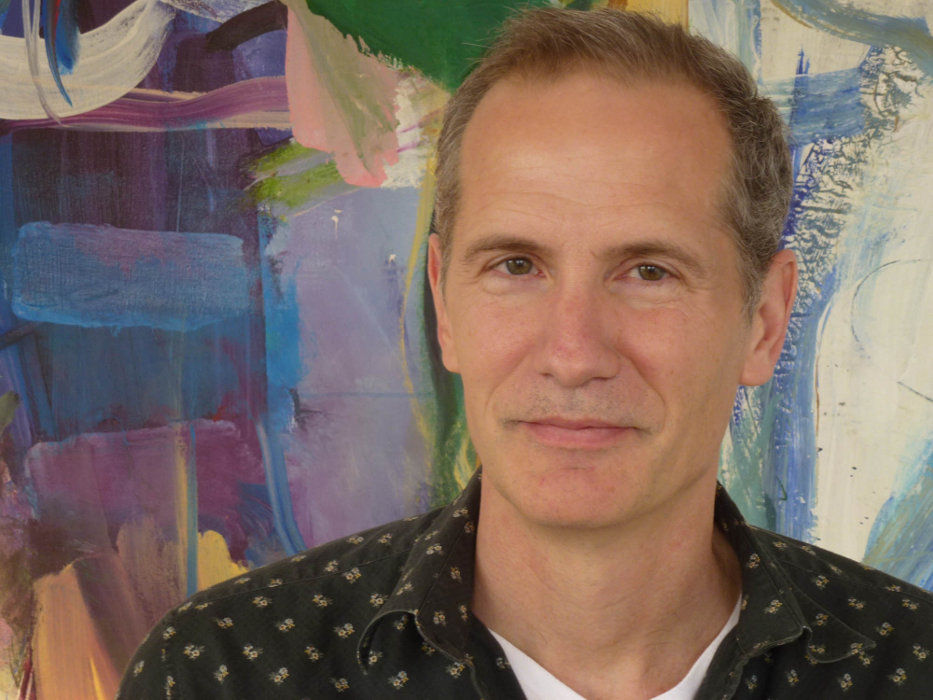
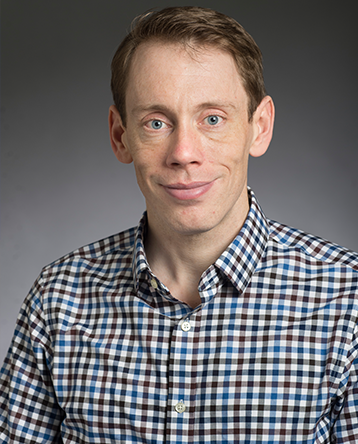
Robert MacCurdy is an Assistant Professor at the Department of Mechanical Engineering, University of Colorado Boulder . He leads the Matter Assembly Computation Lab (MACLab) focused on automating robot design and fabrication. His research bridges computational design and advanced manufacturing to create "robots that walk out of the printer." The lab develops tools like OpenVCAD , an open-source volumetric multi-material geometry compiler.
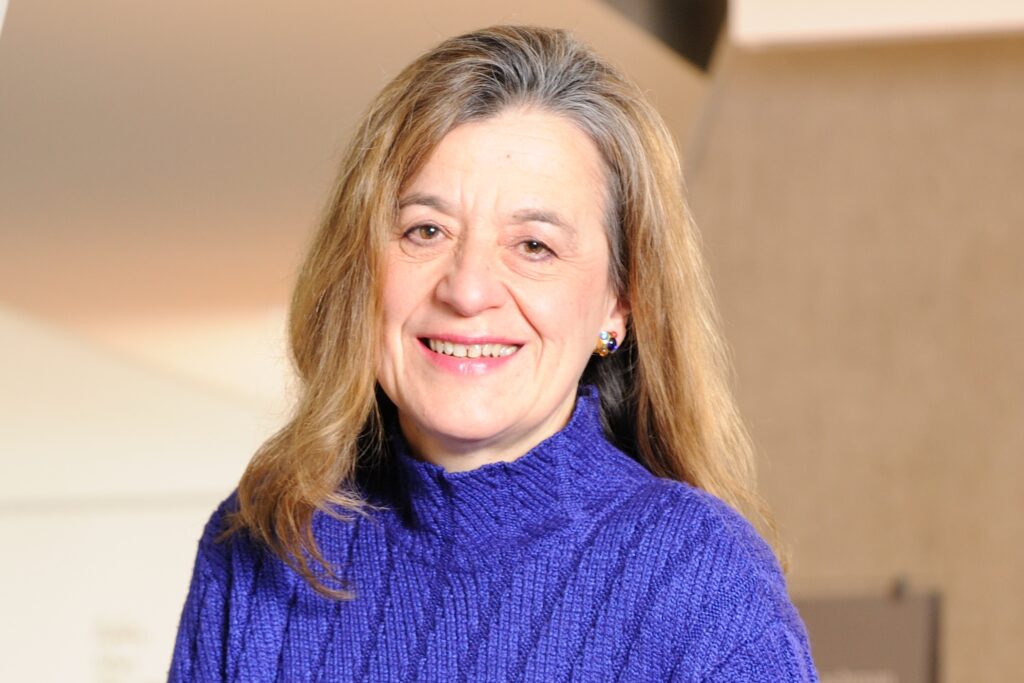
Richard D. Noble is a Research Professor in the Department of Chemistry at the University of Colorado Boulder. His research focuses on advanced membrane technologies for gas and liquid separations, with particular expertise in ionic liquids, liquid crystals, and the application of external fields for selective separations. He maintains an active laboratory in Cristol Chemistry (room 357) and collaborates extensively with Professor Doug Gin on many research projects. Noble received his BE and ME from Stevens Institute of Technology in 1968 and 1969 respectively, followed by a Ph.D. from the University of California, Davis in 1976. His educational background in engineering has provided a strong foundation for his research in chemical engineering and materials science. Professor Noble's research program centers on three interconnected areas. His primary focus is on ionic liquids for gas separations , where he evaluates various ionic liquids and complexation chemistry to tailor material properties to specific feed mixtures. He explores composite polymer/IL structures and incorporation of complexation chemistry and zeolites, and has developed specialized apparatus to measure gas solubility and diffusivity in ionic liquids. This work is conducted in collaboration with Professor Doug Gin. His second research thrust involves the use of external fields for selective separations . Noble studies how electric or light energy can enhance separation processes by changing binding affinity of complexing agents. His notable achievement is an electrochemical pump with no moving parts that produces pressures exceeding 20 atm, with applications in lab-on-a-chip and micro-scale devices. He also develops charged polymer structures for membrane separators with wide temperature and chemical stability. His third major area focuses on liquid crystals organized to form nanostructured polymer network films. These cross-linked stable films are evaluated for nanofiltration applications, particularly in water filtration including treatment of water from fracking operations. This work often intersects with his ionic liquids research, creating composite structures with potential applications in electrochemical pumps. Noble's publication record from 2017-2019 shows consistent focus on membrane technologies for separation processes, with increasing sophistication in membrane design incorporating ionic liquids, liquid crystals, and novel materials like pillar[5]arenes. His work demonstrates a clear trend toward addressing practical industrial challenges, particularly in natural gas purification (CO 2 /CH 4 separation) and environmental applications (treatment of fracking wastewater). His collaborations have produced high-impact work published in top journals including Nature Materials , Journal of Membrane Science , and Angewandte Chemie . Professor Noble has received numerous prestigious awards recognizing his contributions: AIChE Institute Service to Society Award (2005) Alfred T. and Betty E. Look Professor of Chemical Engineering (2005-present) Multiple Outstanding Graduate Teaching Awards from the Chemical Engineering Department (2006-2008) ACS Industrial & Engineering Chemistry Division Fellow (2007) CU Boulder Inventor of the Year (2008) Barrer Lecture at Penn State University (2008) Fellow at the Renewable and Sustainable Energy Institute (2009-2012) Robert L. Stearns Award from CU Alumni Association (2010) Chair d'Excellence Pierre de Fermat at Paul Sabatier University, Toulouse (2010) AIChE Institute Excellence in Industrial Gas Technology Award (2010) And numerous others through 2015 While specific grant details aren't provided, Noble's extensive publication record with multiple co-authors suggests active research mentoring and well-funded projects. His work on sophisticated apparatus and high-quality publications indicates substantial research support. His collaborations, especially with Doug Gin, suggest a strong research group environment focused on membrane science and separation technologies. Professor Noble's research operates at the intersection of chemistry, chemical engineering, and materials science. His laboratory includes facilities for membrane fabrication, gas separation testing, and characterization of novel materials. The development of specialized apparatus for measuring gas properties in ionic liquids suggests dedicated equipment for fundamental property measurements. His work on electrochemical pumps indicates capabilities in microfluidics and device fabrication, with the collaborative nature of his research suggesting a team approach to tackling complex separation challenges.
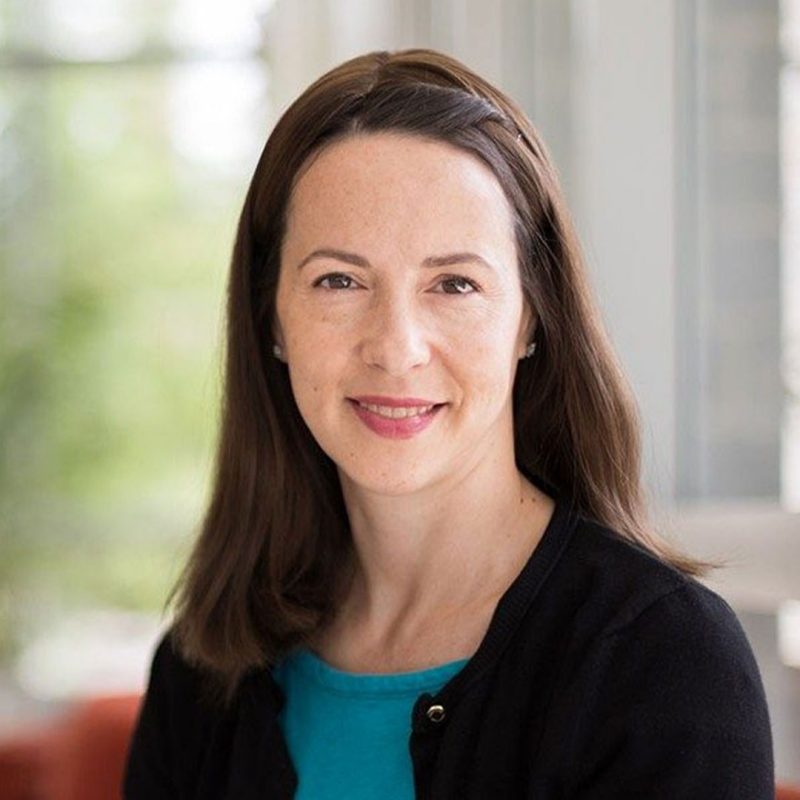
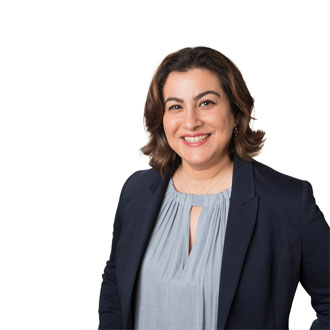
Dr. Yayun Du is an Assistant Professor in the Department of Electrical and Computer Engineering at Vanderbilt University School of Engineering. She holds a Ph.D. in Robotics and System Control (Minor: Solid Mechanics) from UCLA (2022) and was a postdoctoral scholar at Northwestern University's Rogers Group through 2024. Current faculty at Vanderbilt University Ph.D. from University of California, Los Angeles Postdoctoral experience at Northwestern University Her research integrates bioelectronics and robotics through three core directions: 1) Developing multimodal wearable/implantable sensors for health monitoring, 2) Creating human-in-the-loop interaction systems using brain-computer interfaces, and 3) Applying machine learning to medical environment robotics. She has deployed four sensor types across seven hospitals globally, serving users from neonates to elderly patients. Dr. Du's recent publications focus on wireless bioelectronic devices ( PNAS ), sustainable sensor materials ( ACS Sustainable Chemistry & Engineering ), and agricultural robotics ( ICRA , IROS ). She serves as Associate Editor for ICRA 2025 and has received two Best Paper Award final nominations at IROS 2021. Finalist - Best Paper Award in Agri-Robotics (IROS 2021) Finalist - Best Paper Award in Robot Mechanisms and Design (IROS 2021) As head of the Du Group, she leads interdisciplinary research with applications in both healthcare and agricultural contexts, collaborating with Vanderbilt Institute for Surgery and Engineering (VISE) and clinical partners. Her work emphasizes deployable systems that transition from academic research to real-world implementation in medical and industrial environments.
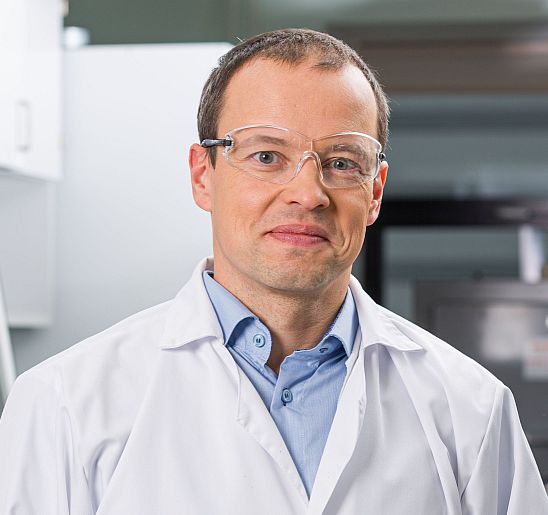
Asbjørn Moltke is a Postdoctoral Researcher at the Department of Electrical and Photonics Engineering at the Technical University of Denmark (DTU), working within the Fiber Sensors & Supercontinuum research group. His research is centered on advanced photonic technologies, including supercontinuum generation, ultrafast lasers, and nonlinear optical phenomena, with applications in renewable energy and biosensing. His research interests span nonlinear optics , fiber photonics , UV light generation , and laser-based material processing . He applies these technologies to areas such as solar cell fabrication , optical sensing , and metasurface engineering . His work contributes to UN Sustainable Development Goals related to clean energy and responsible innovation. The recent publications highlight a strong trend in developing high-power, low-noise UV and visible supercontinuum sources through pump modulation techniques, as well as their application in solar cell processing and biomolecular detection . These works reflect a multidisciplinary approach combining theoretical modeling, numerical simulation, and experimental validation in advanced photonic systems. No scientific awards were mentioned in the provided text. Asbjørn Moltke has been involved in significant research projects and has served as a supervisor in a PhD project focused on UV supercontinuum sources and metasurfaces. He has presented his work at international conferences, demonstrating active engagement in the scientific community. While no specific grants are listed, his participation in funded PhD projects indicates involvement in competitively supported research. He is affiliated with the Fiber Sensors & Supercontinuum group at DTU, a leading team in nonlinear fiber optics and advanced light source development. This team focuses on pushing the boundaries of supercontinuum technology for industrial and biomedical applications.
Dr. Cooper Harshbarger is a Lecturer at the Department of Health Sciences and Technology at ETH Zurich , Switzerland. His research bridges biomechanics and acoustofluidics, focusing on spinal surgery and microscale cell manipulation technologies. Email: cooper.harshbarger@hest.ethz.ch Research Interests : Dr. Harshbarger specializes in biomechanical analysis of spinal structures and acoustofluidic device development . His work explores: Biomechanics of the lumbar spine and osteoligamentous complexes Acoustically-driven microfluidic systems for medical diagnostics Cell focusing/trapping technologies using sharp-edge acoustofluidics Scientific Contributions : Recent publications highlight his dual expertise in spinal fusion biomechanics and microscale fluid control , with applications in cancer diagnostics and cell manipulation. Key technologies include BAW-based systems and programmable acoustofluidic chips.
Michael J. Shelley is the Lilian and George Lyttle Professor of Applied Mathematics and holds joint appointments in Mathematics, Neural Science, and Mechanical Engineering at New York University's Courant Institute of Mathematical Sciences. He also serves as Co-Director of the Applied Mathematics Laboratory and Director of the Center for Computational Biology at the Flatiron Institute. Education: PhD (Applied Mathematics) from the University of Arizona (1985), MS (Applied Mathematics) from the University of Arizona (1984), BA (Mathematics) from the University of Colorado (1981). Research: Focuses on complex phenomena in active matter, biophysics, and complex fluids. Key areas include fluid-structure interactions (e.g., swimming/flying mechanics), cytoskeletal dynamics, and collective behavior in biological systems. Collaborates closely with experimentalists through the Applied Math Lab and Flatiron Institute. Labs & Affiliations: Co-Director, Applied Mathematics Laboratory; Director, Center for Computational Biology (Simons Foundation); affiliated with NYU’s Courant Institute and Department of Mathematics. Notable Work: Models for microtubule-motor assemblies, active suspensions, and fluid-structure interactions. Pioneered computational frameworks for Stokes suspensions and fiber dynamics in viscous fluids.
João F. Mano is a Full Professor at the Department of Chemistry, University of Aveiro, and Director of the Doctoral Program on Biotechnology. He leads the COMPASS Research Group and serves as Vice-Director at CICECO - Aveiro Institute of Materials. His academic appointments include Invited Professor at University of Lorraine (France), Visiting Professor at KAIST (South Korea), and Adjunct Professor at Ajou University (South Korea). Education: PhD in Chemistry (1996, Technical University of Lisbon); D.Sc. in Tissue Engineering, Regenerative Medicine and Stem Cells (2012, University of Minho) Research Interests focus on Biomaterials for Regenerative Medicine , integrating Nanotechnology , Microtechnology , and Biofabrication . His group develops Bioinspired Materials using polymer chemistry, Decellularized Extracellular Matrix , and 3D Bioprinting to engineer Cell Microenvironments for therapeutic applications. Recent Publications highlight advancements in Human-Derived Hydrogels , Photopolymerizable Scaffolds , Magneto-Responsive Biomaterials , and Programmable Bioinks . Trends show emphasis on Organ-on-a-Chip integration, Smart Living Materials , and Green Bioprinting methodologies. Scientific Awards include: European Research Council Advanced Grants (2015, 2020) Fellow at IUPAC, European Academy of Sciences, and American Institute of Medical and Biological Engineering ERC Proof of Concept Grants Doctor Honoris Causa from University of Lorraine and Utrecht UNESCO Chair on Biomaterials George Winter Award (European Society for Biomaterials) Supervisions & Collaborations encompass 74+ MSc, 26+ PhD students, and 40+ postdocs. He co-founded METATISSUE and CELLULARIS Biomodels , and serves as Editor-in-Chief of Materials Today Bio .
Dr. Sajjad Bigham is an Associate Professor in the Department of Mechanical and Aerospace Engineering at North Carolina State University and serves as an Adjunct Associate Professor at Michigan Technological University. He holds a PhD in Mechanical Engineering from the University of Florida and directs the Energy-X Lab (Energy eXploration Laboratory), which focuses on high-impact research in energy science and technology. His research interests encompass: Advanced thermal management solutions including microscale heat transfer, boiling/condensation phenomena, and interfacial transport Energy-efficient systems for HVAC&R, desalination, and clean water production Development of micro/nano-engineered materials and devices for energy conversion/storage Sorption-based gas management and multiphase systems under extreme conditions Recent publications demonstrate strong focus on thermal management innovations (45%), sustainable energy systems (30%), and advanced materials applications (25%). Dominant themes include heat transfer enhancement techniques, energy-efficient appliance design, desalination technologies, and microscale phase-change phenomena, with increasing emphasis on additive manufacturing approaches. Dr. Bigham leads the Energy-X Lab research group, which tackles high-risk, high-reward problems across four thrust areas: Terrestrial and space life support systems Advanced thermal management Clean energy production Clean water supply The lab's mission is to improve energy efficiency, reliability, and economy across defense, environmental, and energy sectors.
Tarmo Tamm is a Researcher at the Intelligent Materials and Systems Lab, University of Tartu. His work focuses on conducting polymers, soft actuators, and biomaterials , with emphasis on applications in biomedical engineering, nanotechnology, and electrochemistry. He holds a primary affiliation with the University of Tartu and has authored/co-authored over 100 peer-reviewed articles since 2002. His research spans material characterization, actuator design, and polymer electrolyte systems. Key projects include development of biocompatible hydrogels (e.g., sea cucumber-derived materials), soft exoskeletons inspired by spider leg mechanics, and sustainable paper recycling processes . Tamm’s publications highlight interdisciplinary collaboration with institutions globally, addressing topics like ion mobility in PEDOT films, microbial interactions with silicone foams, and encapsulation techniques for biomedical actuators. His work often bridges fundamental material science with practical applications, such as energy storage systems and medical devices. Current research trends emphasize electrochemomechanical systems and bioinspired materials , with growing focus on sustainable materials engineering.
Klas Hjort is a Professor of Materials Science at Uppsala University's Ångström Laboratory , specializing in Microsystems Technology . He leads the microsystems technology program and has pioneered research in heterogeneous microsystems on stainless steel, flexible foils, and elastic substrates for biomedical applications and wireless sensor/actuator systems . Key projects: SSF robotic textiles , PERSIMMON smart patches Research themes: Microfluidic actuation , Liquid metal patterning , Stretchable electronics His recent publications focus on soft robotics , smart patches , and high-pressure microfluidic systems , with keywords spanning Microfluidics , Biomedical Engineering , and Stretchable Electronics . He collaborates extensively in robotic textiles , microvalve design , and liquid metal composites . Contact: klas.hjort@angstrom.uu.se
Virginia Polytechnic Institute and State UniversityUnited States
Anne Staples is an Associate Professor in the Department of Mechanical Engineering at Virginia Tech, leading the Laboratory for Fluid Dynamics in Nature (FINLAB). Her research focuses on fluid mechanics in biological systems, medical fluid dynamics, and bioinspired engineering, leveraging computational modeling and microfluidic technologies to innovate in healthcare and engineering. Education: B.S. in Mechanical and Aerospace Engineering, Cornell University (2000) M.Eng. in Mechanical and Aerospace Engineering, Princeton University (2001) Ph.D. in Mechanical and Aerospace Engineering, Princeton University (2006) Postdoctoral Researcher at the Naval Research Laboratory (2006–2008) Research Interests: Her work spans bioinspired microfluidics, medical device design, and fluid dynamics in biological systems. Notable projects include developing pulse-driven micropumps for drug delivery and studying insect respiratory systems to inform engineering solutions. Publications: Over 50 peer-reviewed articles, focusing on topics like microfluidic systems, insect-inspired flow control, and hemodialyzer modeling. Recent work emphasizes wearable drug delivery and biomechanical innovations. Awards & Service: NIH Trailblazer Award (2024) Virginia Tech Dean’s Fellow (2023–present) Editorial Board Member, PLOS ONE and Scientific Reports (2021–present) Fulbright Scholar (2016) Grants & Collaborations: Leads a NIH-funded project to develop lightweight drug delivery devices. Collaborates with statisticians and biomedical engineers to simulate and optimize prototypes. Active in interdisciplinary teams at Virginia Tech and Georgia Tech. Labs & Teams: Directs the FINLAB, which integrates computational modeling, experimental microfluidics, and biological principles to address challenges in healthcare and environmental engineering.
Anna C. Balazs is Distinguished Professor and John A. Swanson Chair of Engineering in the Department of Chemical Engineering at the University of Pittsburgh, with an adjunct appointment in Chemistry and visiting professorships at Scripps Research Institute, UT-Austin and Oxford University. In 2025 she receives the €10,000 Gutenberg Research Award from Johannes Gutenberg University Mainz (JGU) for her pioneering theoretical work on smart soft materials. She earned an A.B. in Physics from Bryn Mawr College (1975) and a Ph.D. in Materials Science from MIT (1981), followed by post-doctoral research at Brandeis, MIT and UMass. Research interests span theoretical and computational soft-matter physics, focusing on: Statistical-mechanical modelling of polymer blends and composites Self-oscillating and chemo-responsive hydrogels Active matter, enzyme-powered swimmers and self-propelling sheets Self-healing, shape-morphing and bio-inspired materials Computer simulation of colloidal and interfacial phenomena Recent publications (2023-2025) demonstrate a clear trend toward integrating chemistry, fluid mechanics and elasticity to create life-like, autonomous soft machines. Key contributions include: Harnessing enzyme pumps to drive macroscopic sheet locomotion Designing chemically communicating micro-post arrays Creating dissipative materials with programmable, hierarchical 3-D architectures Scientific awards include: Gutenberg Research Award 2025 Polymer Physics Prize, American Physical Society SF Boys-A. Rahman Award, Royal Society of Chemistry Langmuir Lectureship Award, American Chemical Society Election to the U.S. National Academy of Sciences (2021) She serves on the Advisory Board of the DOE-BES Materials Council and on editorial boards for Langmuir , Soft Matter and Polymer Reviews . Her group collaborates closely with experimental teams world-wide, including the DFG-NSF “Confine” partnership with JGU and the CoM2Life Cluster of Excellence initiative.
Associate Professor Sara Baratchi heads the Mechanobiology and Microfluidics Laboratory at the Baker Heart and Diabetes Institute and co-leads the Heart Attack Research Program. She holds academic appointments as a supervisor at RMIT University and the University of Melbourne, and is the Alice Baker and Eleanor Shaw Gender Equity Fellow. Her interdisciplinary work bridges engineering, immunology, and clinical science to address cardiovascular pathologies through innovative bioengineering approaches. Dr. Baratchi's research centers on mechanotransduction in vascular and immune cells, particularly how hemodynamic forces and extracellular matrix stiffness regulate cellular behavior in diseases like atherosclerosis and calcific aortic valve disease. She pioneers organ-on-a-chip platforms that replicate human vascular systems under pathological conditions, integrating microfluidics, single-cell omics, and patient-derived samples to develop ethical alternatives to animal testing and identify novel therapeutic targets. Her recent publications demonstrate a cohesive research trajectory focused on Piezo1-mediated mechanosensing, microfluidic device innovation, and the pathophysiological impact of altered hemodynamics. Key themes include endothelial cell responses to shear stress, substrate stiffness effects on vascular cells, and the development of dynamic flow systems for cardiovascular modeling, all aimed at translating mechanobiological insights into clinical interventions. Dr. Baratchi has received significant recognition including: Australian Vascular Biology Society Achievement and Career Development Award (2023) Alice Baker and Eleanor Shaw Gender Equity Fellowship (2023) ARC Discovery Early Career Researcher Award (2017-2020) Best Basic Research Award at Baker Institute (2020) RMIT University Established Researcher Award (2022) She has secured over $2.5 million in competitive funding from ARC and NHMRC, mentoring 20+ PhD researchers who now lead in academia and industry. As President Elect of the Australian Society for Mechanobiology and committee member for MicroTAS 2024-2025, she actively shapes the field through leadership and international collaboration. Her laboratory develops cutting-edge microfluidic platforms adopted globally, collaborating with institutions across 11+ disciplines. Current work focuses on dissecting how matrix stiffness and hemodynamic alterations in cardiovascular conditions drive pathological cellular crosstalk, aiming to establish foundational knowledge for non-invasive disease-modifying therapies.
Elliot Hui, Ph.D., is an Associate Professor in the Department of Biomedical Engineering at the University of California, Irvine (UCI), within the Samueli School of Engineering. His research focuses on biological microtechnology, including spatial cell biology, microscale tissue engineering, global health diagnostics, and microfluidic computing. He leads the Hui Lab, which develops tools for automating biochemical reactions, controlling cellular organization, and understanding tissue development dynamics. Key achievements include pioneering microfluidic logic systems for autonomous laboratory automation and creating novel cell culture platforms to study intercellular communication in tissues. His work bridges engineering and biology, addressing challenges in diagnostics and regenerative medicine. Notable contributions include the development of a programmable finite state machine for microfluidic control and a SLAS Fellowship awarded to his student Erik. Research Interests: Microfluidic devices, cell-cell interaction modeling, tissue engineering, and lab-on-a-chip systems. Labs/Teams: Hui Lab at UCI, specializing in microscale biological systems and automation. Publications span topics such as microfluidic computing architectures, tissue dissociation devices, and Bayesian experimental design. His work emphasizes applications in global health diagnostics and mechanistic studies of cellular processes.
Shawn Litster is a Professor in the Department of Mechanical Engineering at Carnegie Mellon University, where he leads cutting-edge research in sustainable energy conversion technologies. He is affiliated with the Wilton E. Scott Institute for Energy Innovation and serves as a Scott Institute Energy Fellow, contributing to major national initiatives in hydrogen and fuel cell systems. His work is supported by significant funding from the U.S. Department of Energy (DOE), ARPA-E, and the Office of Naval Research. Education: Ph.D. in Mechanical Engineering, Stanford University (2008) Master of Applied Sciences, University of Victoria (2005) Bachelor of Engineering, University of Victoria (2004) His research focuses on micro- and nanoscale transport phenomena in electrochemical energy systems such as fuel cells, batteries, and electrolyzers. Key interests include electrochemistry, multiphase flow in porous media, microfluidics, catalytic gasification, and computational fluid dynamics . He pioneers innovations in ionomer-free electrodes, high-oxygen-permeability materials, and low-iridium anodes to improve efficiency, durability, and cost-effectiveness. His recent publications (2021–2025) reveal a strong trend toward advanced diagnostics, operando characterization, machine learning integration, and multiscale modeling of fuel cell and electrolyzer systems. These works emphasize performance optimization, degradation analysis, and material innovation for heavy-duty and transportation applications. Scientific Awards: George Tallman Ladd Research Award, Carnegie Mellon University National Science Foundation CAREER Award Lieutenant Governor’s Silver Medal, University of Victoria Best Paper/Presentation Award, The Electrochemical Society Best Paper/Presentation Award, American Society of Mechanical Engineers (ASME) Litster has secured over $50 million in research funding as a sub-awardee in DOE hydrogen projects and led a $3.2M ARPA-E OPEN 2021 project on disruptive fuel cell electrodes. He is an inventor on two U.S. patents related to fuel cell design. He advises graduate students and leads the Laboratory for Transport Phenomena in Energy Systems , where his team develops novel materials and diagnostics for next-generation energy technologies.