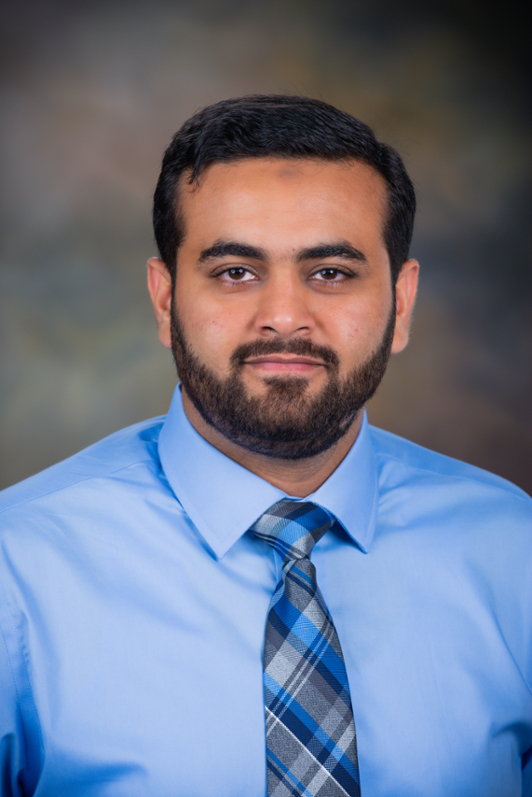
Mats Åström is a Professor of Environmental Geochemistry at the Faculty of Health and Life Sciences, Linnaeus University . His research focuses on geochemical processes in the Boreal Zone , particularly acid sulfate soils and estuarine/marine sediment chemistry, alongside secondary minerals and groundwater in bedrock fractures. He leads the Environmental Geochemistry Research Group and collaborates with the Linnaeus University Centre for Ecology and Evolution in Microbial model Systems (EEMiS) . Funded by Formas , The Swedish Research Council , Swedish Environmental Protection Agency , Swedish Nuclear Fuel and Waste Management Co , and the EU Botnia-Atlantica program Expert in KLIVA and STASIS projects under EU Interreg Botnia-Atlantica Research spans metal contamination (iron, aluminum, uranium, rare earth elements) in water resources, acid sulfate soil characterization , and biogeochemical cycling in deep terrestrial biosphere fracture systems. Key projects include Massiw (metal accumulation in the Baltic Sea), MinImpact (sulfidic soil stabilization), and studies on technology-critical elements (TCE) in soil-crop systems. His work integrates field studies, laboratory experiments, and geochemical modeling to address environmental risks from soil acidification and metal leaching. Recent publications (2023-2025) examine uranium redox cycling, manganese transport in estuaries, microbial community responses to temperature, and remediation strategies for acid sulfate soils. Collaborative studies with the Aspo Hard Rock Laboratory investigate rare earth element fractionation in deep fractures.