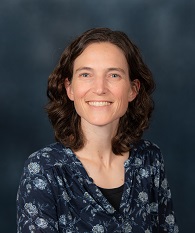
Wilfried Andlauer is a Professor at the Institute of Life Sciences within HES-SO Valais-Wallis School of Engineering. His research focuses on bioactive compounds , non-thermal food processing , and bioavailability studies , particularly in agricultural by-products like grape cane, walnut press cake, and Spirulina algae. He has developed advanced methods for solid-state fermentation , cold plasma decontamination , and bioactives fingerprinting . Key projects include optimizing microwave-assisted extraction for stilbenoids, analyzing iron absorption from insect flour , and developing microfluidic antioxidant assays . His work integrates nutraceutical research with practical applications in food safety and sustainable processing . Collaborations span Switzerland and Asia , with expertise in analytical chemistry and bioprocessing .
Patrick McNamara is an Associate Professor at the College of Engineering , Marquette University , specializing in the intersection of environmental engineering, antibiotic resistance, and wastewater treatment technologies. Ph.D., Civil Engineering, University of Minnesota (2012) M.S., Environmental and Water Resources Engineering, University of Texas at Austin (2008) B.S., Civil Engineering (Minor: Spanish for the Business Professions), Marquette University (2006) His research focuses on: Environmental antibiotic resistance dynamics PFAS mitigation via pyrolysis and electrochemical treatments Biosolids processing and reuse strategies Consumer chemical impacts on microbial water systems Recent publications analyze corrosion inhibitor effects on resistomes, QACs during pandemics, and electrochemical PFAS removal mechanisms. Grants from the National Science Foundation and industry partners fund his work on antibiotic resistance mitigation and contaminant removal processes. Scientific awards include: OCOE Outstanding Researcher Award (2022) Way Klingler Young Scholar Award (2018) Excellence in Review Award (2017) WEF Canham Graduate Studies Scholarship (2010) McNamara leads the McNamara Research Group , developing innovative treatment processes like electrocoagulation-peroxidation and pyrolysis systems. His work addresses: Activated sludge foaming challenges Greywater treatment optimization Stormwater resistome characterization UV-based resistance mitigation
Andrew R. Gibson is a Professor and Head of the Biomedical Applied Plasma Technology research group at Ruhr-Universität Bochum , Germany. His work bridges plasma physics with biomedical applications, using surface dielectric barrier discharges for environmental remediation and water treatment. He is affiliated with the Faculty of Electrical Engineering and Information Technology. Department: Biomedical Applied Plasma Technology Email: gibson@aept.rub.de Research interests focus on plasma chemistry, biomedical plasma technology, and environmental engineering. His team investigates reactive oxygen/nitrogen species (ROS/RNS) generation, gas-liquid interactions, and plasma-based pollution control systems. Recent publications (2025-2023) analyze flow field dynamics in DBDs, radical transport mechanisms in plasma-treated water, and advanced diagnostics for low-pressure inductively coupled plasmas. These studies often integrate experimental and computational approaches. Laboratory : Leads the Biomedical Applied Plasma Technology group, developing scalable plasma systems for VOC conversion and microbial inactivation (e.g., B. subtilis spores).
Onita Basu, Professor in the Department of Civil and Environmental Engineering at Carleton University's Faculty of Engineering and Design, specializes in water and wastewater treatment technologies. With a Ph.D. from the University of Waterloo, she leads the Basu Research Group, focusing on filtration/membrane bioreactors, biological removal of pharmaceuticals, and community-based water solutions in Tanzania. Her teaching includes courses like ENVE 3001 Water Treatment Principles and Design and graduate-level membrane processes. B.A.Sc., M.A.Sc. (University of British Columbia) Ph.D. (University of Waterloo) Professional Engineer (P.Eng.) Research Interests: Professor Basu investigates integrated water treatment systems, emphasizing membrane fouling control, nanoparticle disinfection mechanisms, and removal of recalcitrant organics. Her work bridges advanced technologies like ceramic ultrafiltration with practical implementations in low-resource settings through projects such as the Tanzania Water Hub. Recent Publications: Her 2025 studies on silver-doped zinc oxide for antimicrobial water treatment and PFAS removal strategies highlight emerging contaminant solutions, while 2024 work explores graphene oxide adsorption and climate change education programs. Earlier articles focus on membrane fouling, nanoparticle elution, and biofiltration optimization. Labs & Projects: The Basu Research Group operates pilot plants for membrane testing, biofiltration systems, and community engagement initiatives in Tanzania. They hosted Carleton's 3MT event in 2023 and collaborate with institutions like Humber College on NSERC-funded projects.
Kirk D. Dolan is a Professor at Michigan State University (MSU), holding joint appointments in the Department of Food Science and Human Nutrition (lead) and the Department of Biosystems & Agricultural Engineering within the College of Agriculture & Natural Resources. His research focuses on thermal processing modeling of foods and inverse problems in food science, utilizing advanced computational tools like MATLAB and COMSOL for parameter estimation. He actively contributes to food safety through extension work, including co-teaching the FDA-mandated Better Process Control School and HACCP courses. PhD, Agricultural Engineering, Michigan State University, 1989 MS, Agricultural Engineering, University of California, Davis, 1985 BS, Agricultural Engineering, University of Florida, 1983 Dolan’s research spans thermal processing technologies (canning, drying, aseptic processing), inverse problem solving, and statistical methods for food researchers. His recent publications emphasize antioxidant analysis, kinetic modeling, and computational approaches in food systems. Recent publications highlight advancements in parameter estimation for food processing, including studies on thermal conductivity in cherry pomace, starch viscosity models, and microbial inactivation dynamics. His work bridges computational methods with practical applications in food safety and quality preservation. 2019 CANR Camden Endowed Teacher/Scholar Award Dolan chairs the triennial Inverse Problems Symposia at MSU and co-teaches graduate courses like BE 835 (Modeling Methods in Biosystems Engineering). His extension work supports Michigan food entrepreneurs through FDA product registration assistance and industry training programs.
Dr. Cindy Gunawan is an Associate Professor at the University of Technology Sydney (UTS), leading the Biofunctional Nanomaterials Research Group within the ithree Institute. Her work focuses on antimicrobial resistance mechanisms, particularly bacterial adaptation to nanoparticles, and the development of novel antimicrobial technologies. She holds adjunct roles at the University of Sydney and UNSW. Gunawan earned her BEng (Honours Class I & University Medal) and PhD in Biotechnology from UNSW Sydney, followed by postdoctoral research at UNSW's Particle and Catalysis Research Group. Her research has attracted over AUD 1.6M in grants, including ARC and Australian Academy of Science funding. Key contributions include discovering bacterial resistance to nanosilver and pioneering studies on nanoparticle environmental impacts. Education: Bachelor of Engineering (Bioprocess Engineering, Honours Class I & University Medal), UNSW Sydney (2002) PhD in Biotechnology, UNSW Sydney (2006) Research Interests: Her interdisciplinary research spans nanobiotechnology, microbial adaptation to nanomaterials, and the development of smart antimicrobials. She investigates how nanoparticles interact with bacterial biofilms and their broader implications for public health and the environment. Recent work explores nanosilver resistance mechanisms, sonocatalytic bacteria eradication, and the neurodegenerative effects of air pollutants. Grants & Awards: ARC Discovery Project Fellowship Australian Academy of Science Fellowship Chancellor’s Postdoctoral Research Fellowship (UTS) International Postgraduate Research Scholarship (IPRS) Service & Media: Gunawan actively reviews for journals like Small , ACS Nano , and Environmental Science and Technology . Her work has been featured in Nature Nanotechnology and media outlets such as the Australian Research Council. She advocates for responsible nanoparticle regulation to mitigate resistance risks. Labs & Teams: Her lab at UTS integrates nanomaterial engineering, microbiology, and toxicology to address global challenges in antimicrobial resistance and environmental health.
Jennifer J. Perry is an Associate Professor of Food Microbiology at the University of Maine's School of Food and Agriculture. She holds a Ph.D. from The Ohio State University (2010). Her research focuses on microbial food spoilage mechanisms, non-thermal food safety interventions, probiotic delivery systems, and gut microbiome interactions. She teaches FSN 238 (Applied Food Microbiology and Sanitation) and FSN 438/439 (Food Microbiology/Laboratory). Dr. Perry investigates Salmonella contamination dynamics, ozone-based egg pasteurization, and the impact of dietary probiotics on gastrointestinal microbial communities. Her work emphasizes minimizing food quality degradation while enhancing safety. Recent studies explore novel methods for high-count probiotic incorporation in food products and the genomic responses of GI tract microbiota to dietary changes. Publications (2012–2014) highlight her work on egg safety, non-thermal technologies, and Salmonella thermal resistance under osmotic conditions. She is actively recruiting graduate students for projects involving food safety innovation, with stipend and tuition support available.
Pietro Spanu is a Professor of Molecular Plant Pathology at the Department of Life Sciences, Imperial College London, within the Faculty of Natural Sciences. His work focuses on understanding plant-pathogen interactions, particularly the genomics and molecular mechanisms of powdery mildews. He leads research into how pathogens manipulate host cellular processes and evade immune responses. Key affiliations include the Agri Futures Lab, Fungal Science Network, and Microbiome Network. His research interests span the genomics of powdery mildews, effector proteins, and host-pathogen communication via extracellular vesicles. He employs cutting-edge techniques like AI-guided discovery and transcriptomics to study pathogen virulence and host defense. Recent work highlights effector interference with endosomal complexes, RNA fragment roles in cross-kingdom signaling, and evolutionary dynamics of plant pathogens. Spanu’s contributions include groundbreaking studies on barley and wheat powdery mildews, revealing mechanisms behind fungal adaptation and virulence. His lab integrates molecular genetics, genomics, and computational biology to address agricultural challenges like crop disease resistance and food security. Collaborations span microbiome networks and interdisciplinary platforms like the Industrial Biotechnology Hub.
Christian Jenul is Lecturer in Molecular Microbiology at the University of Leicester's Department of Genetics and Genome Biology. He holds an MSc in Molecular Microbiology from the University of Graz and a PhD from the University of Zurich, where he studied natural product biosynthesis in Burkholderia cenocepacia. Education: PhD, University of Zurich MSc Molecular Microbiology, University of Graz BSc Molecular Biology, University of Graz His research examines enzyme-driven modification of natural products during polymicrobial infections, combining mass spectrometry, bacterial genetics, and infection models to understand microbial competition. Recent work focuses on staphylococcal enzymes that inactivate Pseudomonas siderophores, revealing mechanisms influencing pathogen fitness in co-infections. His publications demonstrate consistent application of chemical biology approaches to bacterial signaling and antimicrobial strategies. Scientific Awards: Postdoc Mobility Fellowship, Swiss National Science Foundation He leads an independent research group investigating bacterial communication systems and develops genetic tools to study metabolic interactions in infection contexts.
Elena Castell-Perez is a Professor at Texas A&M University's College of Agriculture & Life Sciences, Department of Biological and Agricultural Engineering. She holds a B.S. in Food Engineering from Campinas State University (1980), followed by an M.S. (1984) and Ph.D. (1990) in Agricultural Engineering from Michigan State University. Her research focuses on food safety technologies, including antimicrobial packaging systems, biomass pretreatment for bioenergy, and food irradiation applications. She is affiliated with Texas A&M AgriLife Research and Extension Service. Her work integrates nanotechnology (e.g., ZIF-8 nanoparticles) with food engineering to enhance packaging safety and develop sustainable materials. Key contributions include optimizing electron beam irradiation for pathogen decontamination and advancing predictive modeling for microbial contamination risks in fresh produce. She also explores CO₂ capture innovations for agricultural sustainability. Recent articles highlight advancements in antimicrobial delivery systems, 3D-printed biomass composites, and machine learning for food safety prediction. Her research spans food rheology, smart packaging, and waste reduction within the water-energy-food nexus. Dr. Castell-Perez collaborates on multidisciplinary projects involving food phantoms, Monte Carlo simulations for irradiation dosimetry, and agent-based modeling of microbial cross-contamination. Her labs focus on translating engineering principles into practical solutions for the food industry.
Wes Osburn is an Associate Professor in the Department of Animal Science at Texas A&M University, specializing in meat science. He holds a B.S. in Agricultural Education from Texas A&M (1981), an M.S. in Meat Science from Texas A&M (1992), and a Ph.D. in Animal Science from the University of Nebraska (1996). Before joining Texas A&M in 2004, he served as faculty at Michigan State University with a joint appointment in Animal Science and Food Science & Human Nutrition. His research focuses on processed meats, food safety, meat quality, and value-added products, collaborating with national/international meat processors. He coordinated MSU’s meat judging program and has extensive industry engagement. Osburn’s work addresses innovations in meat processing, packaging, and consumer perception of alternative curing systems. His research integrates food chemistry, microbiology, and sensory science to enhance meat product quality and safety.
Ali Demirci is a Professor in the Department of Agricultural and Biological Engineering at the College of Agricultural Sciences, Pennsylvania State University, where he leads research in food safety engineering and sustainable bioprocessing. His work bridges agricultural engineering with microbiology to develop innovative solutions for food safety and bioresource utilization. His research program focuses on three interconnected domains: Non-thermal Food Safety : Development and characterization of pulsed UV light, electrolyzed oxidizing water, and ozone for microbial inactivation on food surfaces and equipment Advanced Bioreactor Systems : Design of biofilm bioreactors for enhanced production of high-value compounds like menaquinone-7 and nisin using immobilized microbial cultures Waste Valorization : Conversion of agricultural byproducts (particularly distillers' dried grains) into biofuels, enzymes, and functional food ingredients through optimized fermentation processes Analysis of his 2022-2025 publications reveals a strategic research trajectory toward sustainable bioprocess intensification. His work increasingly integrates circular economy principles, focusing on non-sterile processing, waste stream utilization, and techno-economic feasibility. Key technological threads include biofilm reactor scalability, lignocellulosic enzyme optimization, and pulsed light decontamination systems for industrial implementation. Professional recognition includes being honored as part of the Penn State College of Agricultural Sciences faculty by a national society in October 2024, highlighting his contributions to agricultural engineering. Dr. Demirci's research program demonstrates strong industry relevance through development of practical technologies for food safety enhancement and agricultural waste conversion. His collaborations span microbiology, food science, and chemical engineering disciplines, with publications appearing in leading journals including Bioprocess and Biosystems Engineering, Journal of Food Engineering, and Food and Bioprocess Technology. Current projects focus on scaling biofilm reactor technologies and integrating first- and second-generation bioethanol production systems.
Dr. Rosalee Hellberg is an Associate Professor at Chapman University's Schmid College of Science and Technology, specializing in Food Science. Her work combines molecular biology and analytical chemistry to combat food fraud and ensure safety. Lewis & Clark College (BA) | Oregon State University (MS, PhD in Food Science & Technology) Research focuses on: DNA barcoding applications for species identification Food fraud detection in seafood and botanical products Pathogen detection using molecular techniques Labeling compliance in processed foods Development of rapid authentication methods Recent publications address seafood mislabeling patterns, ginseng supplement authenticity, and pathogen control through advanced spectroscopy. Awards include multiple recognitions for research and mentorship excellence. Her work bridges regulatory compliance, consumer protection, and food supply chain integrity through innovative molecular approaches. Key Scientific Awards: Wang-Fradkin Assistant Professorship Award (2015-2017) Institute of Food Technologists Emerging Leaders Network Award (2017) Mentorship of Undergraduate Research Award (2018-2019)
Dr. D. Grant Allen is a Professor and Frank Dottori Chair in Pulp and Paper Engineering at the University of Toronto's Department of Chemical Engineering and Applied Chemistry (Faculty of Applied Science and Engineering). He serves as Principal Investigator at the Bioprocess Engineering Lab and BioZone research center. His education includes a B.A.Sc. and M.A.Sc. from the University of Toronto, and a Ph.D. from the University of Waterloo. Dr. Allen's research focuses on environmental bioprocess engineering , with emphasis on: Microalgae cultivation for biofuels/chemicals using CO₂ and wastewater Advanced biological wastewater treatment and toxicity reduction Biosolids dewatering using novel bioflocculants and enzymatic methods Bioconversion of waste streams into value-added products Biofilm/floc microbiology and process optimization His publications demonstrate strong interdisciplinary trends in sustainable waste valorization, algal biotechnology, and advanced sludge treatment techniques, with consistent focus on industrial applications in pulp/paper and wastewater sectors. Awards & Honors: Sustained Excellence in Teaching Award (2022) Professor Diran Basmadjian Teacher of the Year Award Fellow: Chemical Institute of Canada, AAAS, Canadian Academy of Engineering, Engineering Institute of Canada LeSuer Memorial Award for Technical Excellence He currently advises graduate students and leads collaborative projects with industry/government partners. As Principal Investigator at BioZone, he coordinates interdisciplinary teams developing bioscience solutions for sustainability. Current projects include photocatalytic wastewater pretreatment and microfluidic carbon capture systems.
Gaston Courtade is an Associate Professor in Biopolymer Science at the Department of Biotechnology and Food Science, Faculty of Natural Sciences, Norwegian University of Science and Technology (NTNU). He leads research in protein dynamics and interactions between proteins and carbohydrates, focusing on lytic polysaccharide monooxygenases (LPMOs) and their structural-functional relationships. His research explores enzymatic mechanisms in biopolymer degradation, particularly through Characterization of LPMO activity on crystalline and non-crystalline substrates NMR and EPR spectroscopy for protein dynamics Role of carbohydrate-binding modules (CBMs) in enzyme efficiency Development of assays for plastic-degrading enzymes Redox chemistry in enzymatic catalysis His recent publications highlight trends in LPMO engineering , PET hydrolysis , protein expression systems , and oxidative stability of enzymes , with a strong emphasis on structural and functional analysis using advanced biophysical techniques.