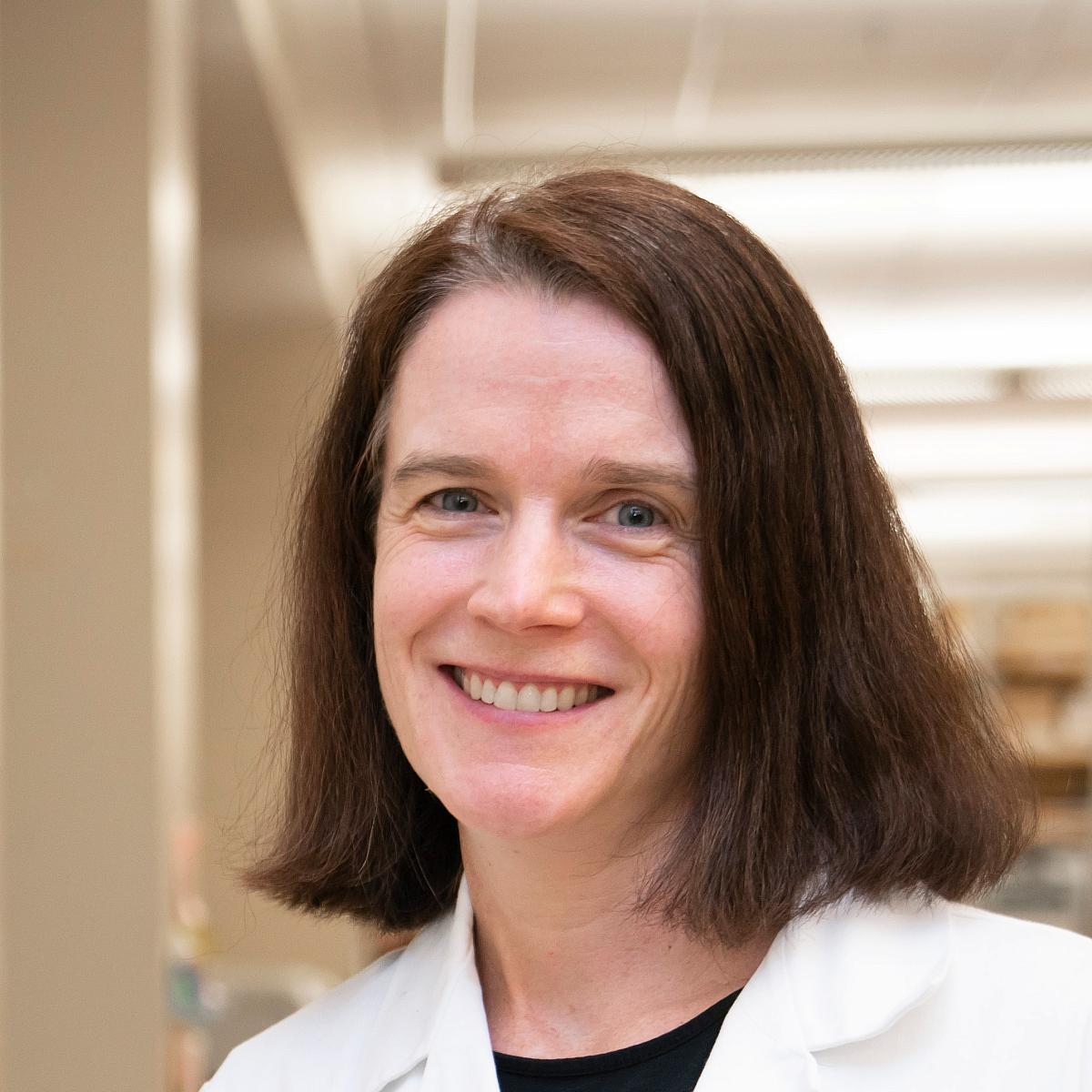
Professor Tom Wilkinson serves as a Professor of Respiratory Medicine at the University of Southampton , where he leads groundbreaking research in respiratory diseases and viral infections. His work integrates clinical, molecular, and artificial intelligence approaches to improve diagnosis and treatment of chronic respiratory conditions. Research Interests : Dr. Wilkinson's research focuses on Chronic Obstructive Pulmonary Disease (COPD) , viral exacerbations in respiratory illnesses , and AI-driven radiomic analysis . He also explores molecular mechanisms in severe pneumonia and digital health applications for chronic disease management. Publications & Projects : His recent work includes COPD biomarker development via SPECT-CT , mHealth engagement , and SARS-CoV-2 susceptibility . Projects like the UNIVERSAL Study (Sanofi, Janssen) and collaborations with the Medical Research Council and Wellcome Trust highlight his interdisciplinary approach. Scientific Awards : HC Roscoe Award (2013) Advising & Grants : He supervises PhD students including Martin Wesley Ruddock and Tommaso Geraldo Morelli , with funding from major institutions like GSK , AstraZeneca , and the European Union . His work bridges academic research with industry partnerships to translate findings into clinical practice.
Mitchell Lazar serves as Professor and Chief of the Division of Endocrinology, Diabetes & Metabolism within the Department of Medicine, while also directing the Institute of Diabetes, Obesity, and Metabolism. His leadership bridges clinical endocrinology and cutting-edge metabolic research, focusing on the molecular architecture of metabolic diseases. Dr. Lazar's research program centers on circadian-metabolic integration , with core expertise in nuclear receptor biology (particularly REV-ERB and PPARγ pathways), epigenetic regulation of metabolic genes, and inter-organ communication networks. His work demonstrates how disrupted circadian rhythms drive obesity, diabetes, and fatty liver disease through mechanisms involving hepatic fructose metabolism, adipose tissue thermogenesis, and neuroimmune crosstalk. Recent investigations highlight REV-ERB as a master regulator connecting biological clocks to metabolic homeostasis across liver, brain, and adipose tissues. Analysis of his recent publications (2023-2025) reveals three dominant trajectories: (1) circadian control of immune cell plasticity in metabolic tissues, (2) epigenomic memory in adipose adaptation to environmental stressors, and (3) neural regulation of feeding via vagal and hindbrain pathways. These studies consistently employ advanced techniques including tissue-specific genetic models, epigenomic profiling, and circadian transcriptomics to dissect chrono-metabolic pathways. As Director of the Institute of Diabetes, Obesity, and Metabolism, Dr. Lazar fosters interdisciplinary collaboration between basic scientists and clinicians. The institute serves as an incubator for translational research targeting metabolic diseases, with particular emphasis on circadian-based therapeutic strategies. Ongoing work explores time-restricted feeding interventions, nuclear receptor modulators, and tissue-specific clock resetting to combat metabolic syndrome.
PD Dr. Julia Maria Kröpfl is an Associate Professor at the University of Basel, holding multiple concurrent academic appointments across the Faculty of Medicine and Department of Sport, Exercise and Health (DSBG). She serves as a Lecturer in the Faculty of Medicine, Research Associate in the Department of Preventive Sports Medicine and Systems Physiology, Research Assistant (Admin) in the Department of Sport, Exercise and Health, Research Associate in the Department of Rehabilitative and Regenerative Sports Medicine, and Visiting Researcher in the Department of Biomedicine (FG Brink). Her research program centers on the molecular mechanisms of exercise physiology, with particular emphasis on stem and progenitor cell mobilization, microRNA pathways, and cardiovascular adaptations. Dr. Kröpfl has made significant contributions to understanding exercise-induced responses in heart failure patients, especially those with preserved ejection fraction (HFpEF), and has developed specialized exercise protocols for various patient populations. Her habilitation lecture in October 2024, titled 'Make your stem cells move: regeneration and disease management through physical exercise,' highlights her expertise in leveraging exercise for regenerative medicine approaches. Analysis of her 15 most recent publications reveals a strong focus on molecular exercise biology, particularly examining microRNA expression patterns (especially miR-21 and miR-126) and their role in mediating exercise benefits. Her research spans from basic molecular investigations to clinical trials, including the VascuFit studies examining vascular adaptations and the HIT-GLAUCOMA trial investigating exercise interventions for glaucoma patients. A recurring theme is identifying how specific exercise modalities can be optimized for different clinical conditions to maximize therapeutic benefits. Dr. Kröpfl appears to be actively involved in supervising doctoral candidates and participating in academic governance within her departments, though specific students are not named in the available information. Her research program bridges basic science and clinical application, with publications ranging from molecular studies of cellular mechanisms to randomized controlled trials of exercise interventions.
Dr. FÜSUN FAKILI is an Associate Professor at Gaziantep University Faculty of Medicine, Department of Pulmonary Diseases. With extensive clinical and academic experience in chest diseases, she has made significant contributions to pulmonary medicine, particularly in areas related to respiratory infections, lung cancer, and chronic respiratory conditions. Her work bridges clinical practice with research, focusing on improving diagnostic approaches and treatment outcomes for patients with pulmonary conditions. She actively participates in national and international medical societies and has served in various administrative roles within her institution. Dr. FAKILI's educational background includes: Medical License (1997-2003): Fırat University, Faculty of Medicine Medical Specialization (2015-2019): Gaziantep University, Faculty of Medicine Her research interests span multiple areas of pulmonary medicine with particular focus on respiratory infections including tuberculosis and COVID-19, lung cancer pathogenesis, chronic obstructive pulmonary disease (COPD), pulmonary hypertension, and sleep-related breathing disorders. She has conducted extensive research on microRNA biomarkers in lung diseases and has investigated the pulmonary manifestations of systemic conditions such as rheumatoid arthritis and sarcoidosis. Her work often examines the intersection of respiratory health with public health challenges, particularly during the pandemic period where she studied healthcare worker mental health, diagnostic delays in lung cancer, and long-term effects of COVID-19. Analysis of her recent publications reveals a strong emphasis on translational research connecting basic science with clinical applications. Her work on microRNA expression profiles in lung adenocarcinoma demonstrates her interest in molecular mechanisms of disease, while her numerous studies on COVID-19 reflect her responsiveness to emerging public health challenges. She frequently collaborates with multidisciplinary teams across Turkey, contributing to national registries and multicenter studies that address critical questions in pulmonary medicine. Dr. FAKILI has received recognition through her extensive publication record in high-impact journals including Chest, Respiratory Medicine, and Viruses. Her research has been supported by institutional grants and national research projects focusing on pulmonary diseases and pandemic response. As an educator, she has supervised one completed specialist thesis on microRNA biomarkers in malignant pleural effusions. She teaches numerous courses at both undergraduate and graduate levels, covering topics from basic respiratory physiology to specialized areas like lung cancer pathogenesis and pulmonary hypertension. She has also led research projects including "Expression Profile of microRNAs Associated with Apoptosis in Lung Adenocarcinoma" as principal investigator and contributed to the "Evaluation of Long-Term Outcomes of TURCOVID-19 Patients" study. Dr. FAKILI is actively involved in professional societies including the Turkish Thoracic Society (since 2005), European Respiratory Society (since 2010), Pulmonary Vascular Diseases Association (since 2020), and American Thoracic Society (since 2022). Her clinical work focuses on comprehensive pulmonary care with special expertise in complex respiratory conditions requiring multidisciplinary approaches.
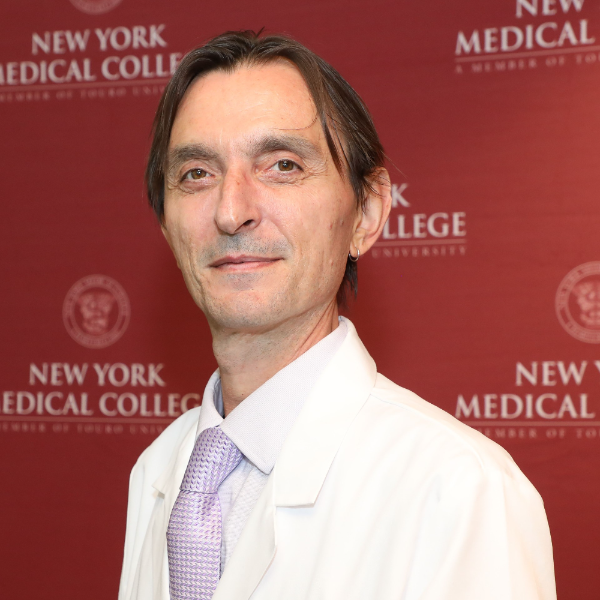
Marcello Rota, Ph.D. is an Associate Professor of Physiology at the Graduate School of Biomedical Sciences and School of Medicine at New York Medical College (NYMC). His research focuses on cellular alterations underlying heart disease and identification of corrective interventions to restore myocardial function. Dr. Rota's research expertise includes: Basic Cardiovascular Science Electromechanical Coupling Aging Heart Failure Signaling pathways activated following ischemic injury Electrical properties of cardiomyocytes in the aged heart Dr. Rota's extensive publication record demonstrates a consistent focus on cardiac physiology, particularly related to aging, metabolic syndrome, and heart failure. His work often employs experimental animal models to investigate molecular mechanisms underlying cardiac dysfunction. Key research trends include cAMP/PKA signaling pathways, cardiac sodium channel function, cellular senescence in diabetic conditions, and cardiac stem cell biology across the lifespan. Dr. Rota serves as Co-director of the Mammalian Physiology Course I and II at the Graduate School of Biomedical Sciences, and teaches in the Dental Physiology Course at Touro College of Dental Medicine, as well as the Fundamental Principles of Life and Cardiopulmonary Courses at the School of Medicine.
Rahul Bhowmick is a Researcher in the Department of Cellular and Molecular Medicine at the University of Copenhagen, working within the Molecular Aging Program and the Hickson Group. His research focuses on understanding how chromosomal instability impacts human disease, particularly studying genes that when mutated lead to defective genome maintenance and high rates of cancer, neurodegeneration, or infertility. His work centers on common fragile sites as a model for understanding how 'difficult-to-replicate' regions of the human genome affect propagation through successive cell divisions. A key contribution includes identifying ultra-fine anaphase bridges (UFBs) - DNA thread-like structures connecting separating sister chromatids during mitosis. These UFBs, coated with proteins like PICH and BLM helicase, are normally invisible due to lack of DNA dye staining but can be detected using specific antibodies. Bhowmick employs a multidisciplinary approach combining protein biochemistry, molecular and cell biology techniques, and high-resolution imaging of human cells. More recently, he has developed tools leveraging microfluidics and single molecule biophysical techniques to reconstitute in vitro steps in DNA metabolism. His research spans molecular biology, cell biology, and genetics with specific expertise in DNA replication, mitosis, genome stability, and chromosome maintenance. Analysis of his publications reveals a consistent focus on mechanisms of DNA replication during mitosis, transcription-replication conflicts, and their implications for cancer development. Chromosomal instability Genome maintenance DNA replication mechanisms Mitotic processes Cancer biology Bhowmick has published extensively in high-impact journals including Nature Communications, EMBO Journal, and Molecular Cell, demonstrating significant contributions to understanding the molecular basis of genome instability and its disease implications.
Lisa Frankel is an Associate Professor at the Biotech Research & Innovation Centre (BRIC) within the Faculty of Health and Medical Sciences at the University of Copenhagen. Her research is centered at the intersection of RNA biology and cellular stress mechanisms, specifically focusing on the role of microRNAs in cancer pathogenesis and autophagy regulation. She maintains an active laboratory investigating the molecular mechanisms linking RNA processing with cellular degradation pathways. Her educational background includes a B.Sc. in Biology (2004) and M.Sc. in Human Biology (2006), both from the University of Copenhagen. Her career trajectory shows continuous progression from Master Student (2005-2006) to Ph.D. Student (2006-) at BRIC, with research experience at the Danish Cancer Society. Dr. Frankel's research program primarily investigates microRNA regulation in cancer, with particular emphasis on identifying novel microRNA targets and understanding microRNA biogenesis. Her recent work has expanded into the intersection of RNA biology and autophagy, examining how ribosomal homeostasis is maintained during cellular stress responses and oncogene-induced senescence. Her laboratory employs cutting-edge molecular and cellular techniques to dissect these complex regulatory networks. Analysis of her recent publications reveals a strong research trajectory focused on the molecular mechanisms connecting RNA regulation with autophagy pathways in cancer contexts. Her work demonstrates increasing sophistication in connecting fundamental cellular processes like ribosome homeostasis with disease mechanisms, particularly in cancer biology. The progression from microRNA studies to more complex systems involving ribotoxic stress responses and autophagy regulation shows a maturing research program with significant translational potential. Dr. Frankel maintains active collaborations across multiple institutions, as evidenced by her co-authorship on papers with researchers from various international laboratories. Her work has garnered attention across multiple platforms, with significant readership on academic networks like Mendeley and engagement on social media platforms including X (formerly Twitter) and Bluesky. Her laboratory, situated within the Cell Stress and Survival research group at BRIC, focuses on the RNA and Autophagy unit, investigating fundamental cellular processes with implications for cancer therapeutics. The research environment at BRIC provides state-of-the-art facilities for molecular and cellular investigations into these critical biological pathways.
Magdalena Fossum serves as an Affiliated Researcher and Docent (Associate Professor) at Karolinska Institutet's Department of Women's and Children's Health, specifically within the Pediatric Oncology and Pediatric Surgery division. She leads the "Tissue engineering – Magdalena Fossum team" based at BioMedicum in Solna, Sweden, focusing on innovative tissue engineering solutions for pediatric surgical challenges. Her work bridges translational research and clinical practice, particularly in urological reconstructions. Docent, Karolinska Institutet, 2014 Doctor of Philosophy, Department of Women's and Children's Health, Karolinska Institutet, 2004 University Medical Degree, Karolinska Institutet, 1994 Dr. Fossum's research centers on tissue engineering applications for pediatric urological conditions, particularly bladder and urethral reconstructions for patients with hypospadias or small bladders. Her team has developed clinically applicable techniques using autologous cells cultured from bladder washings, eliminating the need for invasive harvesting procedures. Recent work explores microRNA roles in wound healing, single-stage surgical procedures, and animal model specificity in pediatric urology research. Her approach emphasizes creating patient-specific, three-dimensional transplants that avoid immune rejection while addressing complex congenital malformations. Analysis of Dr. Fossum's recent publications reveals a strong focus on translational tissue engineering, with increasing attention to molecular mechanisms (particularly microRNA), surgical technique refinement, and consideration of animal model relevance to human pediatric conditions. Her work spans basic science, preclinical models, and clinical applications, demonstrating a comprehensive research pipeline from bench to bedside. Dr. Fossum serves in editorial roles for several prominent journals including Journal of Pediatric Urology, where she contributes to shaping research standards in her field. Her collaborative approach is evident in numerous multi-center studies across European institutions, particularly in the areas of hypospadias care, bladder exstrophy, and congenital urological conditions. As leader of the Tissue Engineering research group within the Department of Women's and Children's Health, Dr. Fossum oversees a team developing innovative solutions for pediatric surgical reconstruction challenges. Her laboratory focuses on creating autologous tissue grafts that can be applied in single-stage procedures, significantly improving clinical outcomes for children requiring complex urological reconstructions.
Kimberley J. Evason is an Assistant Professor of Pathology at the University of Utah School of Medicine and heads the Hepatobiliary Pathology division. She directs a basic science research program at the Huntsman Cancer Institute , focusing on liver tumorigenesis mechanisms to develop improved therapies for hepatocellular carcinoma (HCC) . Her lab utilizes transgenic zebrafish models to study β-catenin-activated HCC and screen for druggable pathways. MD/PhD from Washington University in St. Louis Residency and fellowship at University of California, San Francisco (UCSF) Board Certified in Anatomic Pathology (American Board of Pathology) Research Interests include: Targeted therapies for β-catenin-activated HCC JNK and serotonergic antidepressants in liver tumor suppression Conserved genetic mechanisms in zebrafish and human HCC Lipid and mitochondrial metabolism in liver disease Zebrafish as a platform for chemical screening Epigenetic and transcriptional regulation in liver cancer Recent Publications highlight her work on: β-Catenin signaling in liver tumor development Novel therapeutic agents (e.g., amitriptyline, JNK inhibitors) Lysosomal biogenesis and metabolic dysregulation in HCC Role of microRNAs in inflammation and metabolic disease Scientific Awards : Damon Runyon Cancer Research Fellowship Award K08 award from NIH/NCI Lab Members : The Evason Lab employs zebrafish models to study liver cancer, with current members including Gabriel DeNiro (undergraduate student), Sharanya Kalasekar (postdoctoral fellow), Chloe Lim (undergraduate student), Liam O’Brien (technician), and Richard Smith (lab specialist).
Douglas Alan Marchuk is the James B. Duke Distinguished Professor of Molecular Genetics and Microbiology at Duke University, with additional appointments as Professor of Cell Biology and Director of the Duke University Program in Genetics and Genomics. He is a key member of the Duke Cancer Institute and has led groundbreaking research in vascular malformation genetics. Dr. Marchuk earned his Ph.D. from the University of Chicago (1985) and has secured major grants from the NIH, Department of Defense, and American Heart Association. His research focuses on the genetic basis of Cerebral Cavernous Malformations (CCM) , Hereditary Hemorrhagic Telangiectasia (HHT) , and Sturge Weber Syndrome (SWS) , revealing critical mechanistic insights into somatic mutations, two-hit pathogenesis, and signaling pathways like TGF-β and RhoA kinase. His recent publications highlight somatic mutations in GNAQ for SWS, PIK3CA in aggressive CCM, and modifier genes like RABEP2 in stroke outcomes. These studies leverage mouse models and cross-species approaches to validate therapeutic targets. Dr. Marchuk has received scientific grants from NIH (2015–2025), Department of Defense (2023–2026), and AHA (2022–2025), among others. His lab trains students and researchers in genetic mapping , mouse model development , and translational medicine .
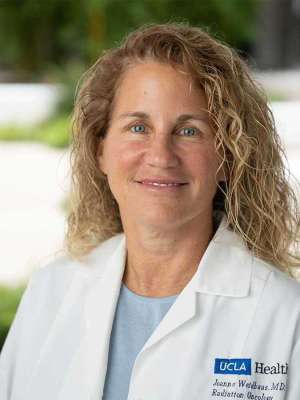
Joanne B. Weidhaas is a Professor at the David Geffen School of Medicine, UCLA in the Department of Radiation Oncology . Previously, she led Women's Health, Breast and Gynecological Services at Yale Cancer Center . Education : Yale University (undergraduate), Tufts University School of Medicine (MD, PhD), Stanford Business School (MS) Clinical Expertise : Radiation Oncology, Cancer Genetics, Molecular Diagnostics Her research focuses on microRNA biology and 3'UTR polymorphisms in cancer susceptibility and therapy response , particularly in breast, ovarian, and melanoma . She pioneered the concept of microRNA-based cancer therapeutics and SNP biomarkers like the KRAS-let-7 interaction . Key publications span microRNA in personalized medicine , radiation response prediction , and translational cancer models . Her work has been cited in PNAS, Cancer Research, and Nature -affiliated journals. Entrepreneurial contributions include co-founding MiraDX (molecular diagnostics) and founding MiraKind (non-profit cancer prevention research). She has secured NIH grant funding and holds multiple patents in the field.
Dr. Ariadna Forray is an Associate Professor of Psychiatry at Yale School of Medicine, where she leads the Center for Wellbeing of Women and Mothers. She also serves as Associate Dean and Director of the Office for Women in Medicine and Science, focusing on mentorship, leadership sponsorship, and policy development. Her research addresses substance use and psychiatric disorders in the perinatal period, with a focus on hormonal influences and novel interventions. She has conducted federally funded studies, including NIDA, NIMHD, and PCORI trials, on progesterone for smoking relapse, smartphone-based attentional bias modification, and models for obstetric provider support in opioid use disorder. 2025: Expanding Opioid Use Disorder treatment access via PCORI 2024: Placental methylome impacts of prenatal opioids 2023: Attentional retraining pilot for smoking relapse Dr. Forray's clinical work includes consultation-liaison psychiatry at Yale New Haven Hospital and directing the ACCESS Mental Health for Moms program. Her scientific contributions span reproductive psychiatry, health disparities, and integrated care models, with recognition through the 2004 APA Minority Student Summer Fellowship.
Douglas Stairs serves as an Associate Professor with dual appointments at Penn State University: in the Department of Pathology and Laboratory Medicine (Division of Experimental Pathology) and the Department of Neuroscience and Experimental Therapeutics. He is affiliated with the Penn State Cancer Institute and the Center for Cannabis and Natural Product Pharmaceuticals (CCNPP), focusing his research on understanding the molecular mechanisms of esophageal cancer initiation and progression. Dr. Stairs' research interests center on esophageal cancer biology, particularly examining the role of p120-catenin as a tumor suppressor, Barrett's Esophagus progression mechanisms, and molecular pathways involved in esophageal squamous cell carcinoma. His work spans molecular oncology, cancer genetics, and translational research with implications for early detection and prevention strategies. Analysis of his recent publications reveals a consistent focus on molecular mechanisms of esophageal carcinogenesis, with particular attention to p120-catenin signaling, Barrett's Esophagus progression to adenocarcinoma, and novel therapeutic approaches including nanoparticle-based delivery systems. His research bridges basic science with clinical applications, particularly in cancer interception and prevention. Dr. Stairs has secured significant research funding, including three National Cancer Institute grants focused on p120-catenin tumor suppressor activities in esophageal cancer. His collaborative research network spans multiple institutions, with particular emphasis on head and neck cancer research and chemoprevention strategies using natural compounds like black raspberry. His laboratory work integrates molecular biology techniques with animal models to investigate tissue renewal, differentiation pathways, and carcinogen effects in the esophagus and oral cavity. Current projects appear focused on developing novel therapeutic approaches for esophageal cancer prevention and treatment through molecular targeting and nanomedicine applications.
Christos Polytarchou is an Associate Professor in Health and Disease at the School of Science & Technology of Nottingham Trent University . His research focuses on the interplay between the genome, epigenome, and non-coding RNAs in inflammatory diseases and cancer . He teaches postgraduate and undergraduate courses in molecular biology, cancer signaling, and genetic technologies.
Dr. Barbara Buttin is a Clinical Associate Professor in the Department of Surgery at City of Hope National Medical Center, where she joined in September 2021. As a board-certified gynecologic oncologist, she evaluates and treats patients with various gynecologic malignancies including ovarian, cervical, uterine, vaginal and vulvar cancers. With over 15 years of experience in the field, Dr. Buttin has established herself as a leader in minimally invasive surgical techniques and gynecologic cancer research. Dr. Buttin received her medical degree from Drexel University College of Medicine (formerly Hahnemann University) in Philadelphia. She completed her residency in obstetrics and gynecology and fellowship in gynecologic oncology at Washington University School of Medicine in St. Louis, Missouri. Her extensive training has positioned her as an expert in complex gynecologic cancer surgeries and innovative treatment approaches. Dr. Buttin's research interests center on advancing treatment options for gynecologic cancer patients through innovative surgical techniques and clinical trials. She has a special interest in minimally invasive surgical techniques, including robotic surgery, having performed over 1,500 robotic cases. Her work also focuses on hyperthermic intraperitoneal chemotherapy (HIPEC) for ovarian cancer and developing evidence-informed supportive therapies to combat cancer-related side effects. Patient-focused care is central to her practice philosophy, with treatment plans tailored to the individualized needs of each patient. Her publication record spans from 2008 to 2020, demonstrating sustained research productivity in gynecologic oncology. The publications reveal a strong focus on molecular biomarkers (particularly SNCG), robotic surgery applications, targeted therapies for endometrial cancer, and innovative chemotherapy approaches for ovarian cancer. Her collaborative work with NRG Oncology and Gynecologic Oncology Group highlights her integration into national research networks. Dr. Buttin's scientific achievements have been recognized through numerous awards and appointments: 2017 Chicago Magazine's List of Top Cancer Doctors for Gynecologic Oncology 2014 Appointed Member of the Society of Gynecologic Oncology Policy, Quality and Outcomes Task Force 2013 Founder of the CDH Robotic Surgery Working Group Multiple Young Investigator and Translational Science Awards (2006-2011) Annual Outstanding Teacher Award recipient (2007-2011) from Northwestern Feinberg School of Medicine students Dr. Buttin is actively involved in medical education and professional development, having served on multiple committees for the Society of Gynecologic Oncologists. She is focused on growing City of Hope's clinical trials portfolio to expand treatment options for patients. Her professional memberships include Fellow of the American College of Obstetricians and Gynecologists and Full Member of the Society of Gynecologic Oncology. Patient reviews consistently highlight her exceptional communication skills, respect for patient perspectives, and thorough clinical approach, with an average rating of 4.8-4.9 across multiple metrics.