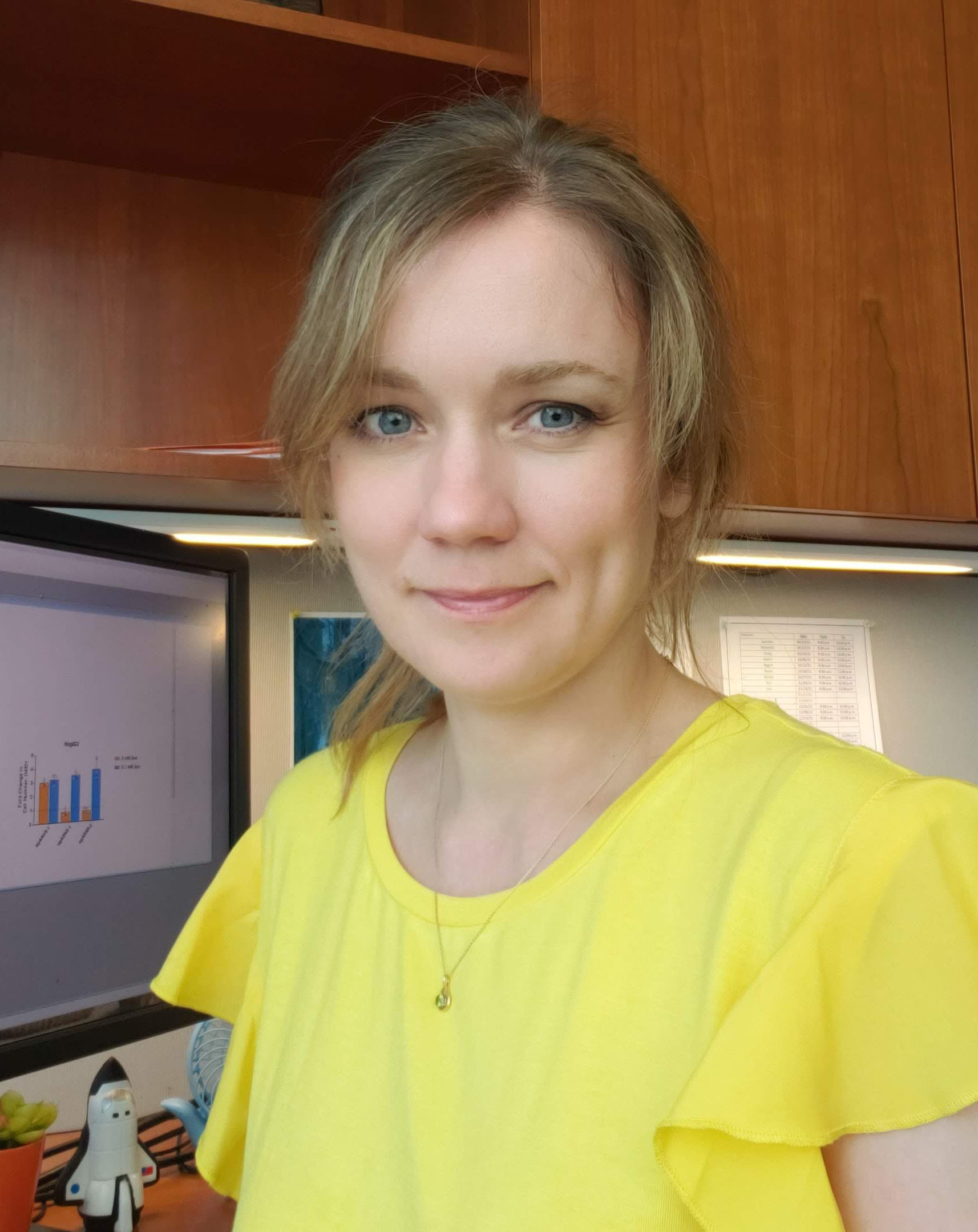
Natasha Pavlova is an Assistant Professor of Oncological Sciences and Biomedical Engineering at the University of Utah , where she investigates cancer metabolism, nutrient sensing, and tumor microenvironment dynamics. Her work focuses on how glutamine deficiency impacts tumor growth, tRNA charging, and polyglutamine tract regulation of cell fate. Education : B.S., University of Virginia; Ph.D., Harvard Medical School Her research explores: Glutamine depletion in tumors and its role in protein synthesis Polyglutamine tracts as amino acid availability sensors Metabolic adaptations enabling cancer progression under nutrient stress Development of in vivo polyglutamine-based reporters for amino acid deficits Single-cell tRNA charging analysis methods Her publications (2016–2025) span cancer metabolism, tRNA biology, and metabolic stress responses, with recent work addressing tumor-immune interactions and therapeutic strategies targeting nutrient availability. She is affiliated with the University of Utah's Molecular Biology Program and collaborates across cancer biology and metabolic disease research domains. Her lab develops innovative tools to profile amino acid availability in tumor ecosystems.
Professor Kevin Thurley is a faculty member at the Institute of Experimental Oncology within the Medical Faculty of the University of Bonn. His research focuses on chronic inflammation , intercellular communication , and systems biology , with particular emphasis on deciphering the regulatory mechanisms behind immune tolerance and therapeutic interventions. Key Research Goals: Developing an interdisciplinary framework for analyzing cell communication networks and optimizing targeted immunotherapies Methodological Expertise: Mathematical modeling of biological systems, computational analysis of signaling pathways, and experimental validation Research Themes: Thurley’s work systematically investigates how complex cellular interactions drive chronic inflammatory processes. His team specializes in response-time distribution modeling , cytokine signaling networks , and stochastic intracellular signaling analysis. This research has direct implications for autoimmune diseases , cancer immunology , and targeted therapy development . Collaborative Networks: As a member of TRA Life and Health, he collaborates with transdisciplinary teams across medicine, computational sciences, and experimental oncology. His research integrates with broader initiatives like the European Research Council -funded projects and DFG collaborative research centers. Scientific Contributions: Thurley has authored significant publications in Cell Systems , Nature Immunology , and PLoS Biology , including works on actin network assembly in neutrophils , circadian metabolic regulation , and adaptive immune cell communication .
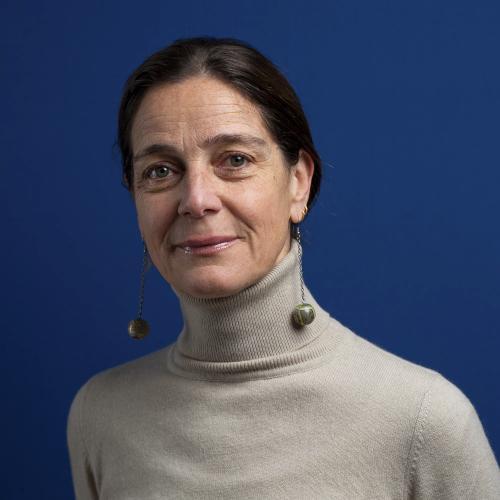
Hanne Hoffmann is an Assistant Professor in the Neuroscience Program at Michigan State University's College of Natural Science , with affiliations in the Genetics & Genome Sciences Program and Cell & Molecular Biology Program. She investigates molecular pathways linking circadian rhythms to reproductive physiology and health disorders. Focus on hypothalamic SCN as the body's pacemaker Impacts of light pollution and shiftwork on hormone release Develops novel mouse models for circadian-endocrine interactions Her research connects circadian dysregulation to endocrine disorders (diabetes, obesity, cardiovascular disease), mental health , and infertility , emphasizing translational relevance for 20% of the U.S. population affected by disrupted rhythms. Publications span 2011-2025, covering topics like: SCN transcription factor networks (Six3, Vax1, Otx2) Circadian control of GnRH neurons Placental chronobiology in preterm birth Light exposure effects on feline stress Chronopharmacology of oxytocin and GnRH
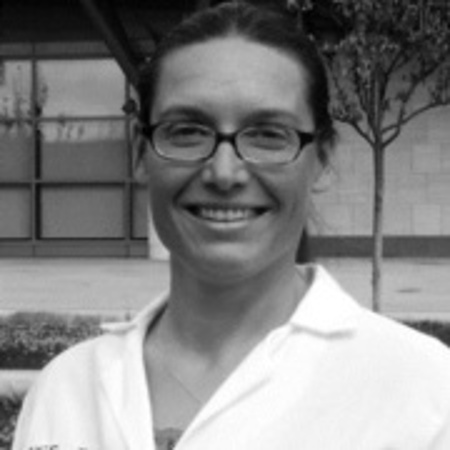
Anna Fassio is an Associate Professor at the University of Genoa , Department of Experimental Medicine (DIMES), focusing on physiology and neurobiology. She teaches courses in Physiology , Human Physiology , Neurobiology and Neurophysiology , and Computer Science (Bioengineering) across multiple Master's programs in Medicine, Biotechnology, and Physiotherapy. Research Interests : Brain plasticity, neuronal differentiation, epigenetic regulation, and physiological mechanisms in aging and disease. Her work explores transcription factor-driven stem cell differentiation, REST deletion in amblyopia treatment, glycolytic inhibition for neuronal hyperactivity, and V-ATPase dysfunction in neurological disorders. Teaching Roles : Coordinates courses in Physiology for Medicine and Surgery, Preventive and Adapted Physical Activity, and Biotechnology programs. Includes laboratory training for doctors in training and neurophysiology modules. Publications : Recent articles focus on neuronal plasticity in social regression, cerebellar climbing fiber dynamics, architectural impacts on emotion, and metabolic-epigenetic interactions in neurological disorders. Contact : Available for appointments via email at anna.fassio@unige.it and phone at +39 010 353 8189.
Tor Erik Rusten is an active Associate Professor at the Centre for Cancer Cell Reprogramming within the Faculty of Medicine at the University of Oslo. His research focuses on the intersection of autophagy, cancer biology, and tumor-host interactions, with particular expertise in Drosophila melanogaster models. Dr. Rusten's primary research interests center on autophagy mechanisms and their role in cancer development. His work investigates how cellular degradation processes like autophagy influence tumor growth, particularly through tumor-host interactions where cancer cells manipulate surrounding tissues for nutrients. He has made significant contributions to understanding selective autophagy pathways, organelle homeostasis, and the molecular mechanisms connecting autophagy to cancer progression. Analysis of his recent publications reveals a strong focus on the role of autophagy in tumor metabolism and host tissue wasting. His research demonstrates how tumors exploit autophagy pathways in host tissues to mobilize nutrients for their growth, with important implications for understanding cancer cachexia. His work spans from fundamental cellular mechanisms to translational applications in cancer therapy. Dr. Rusten leads the Tumor-Host Biology research group, which investigates the complex interactions between tumors and their surrounding environment. His laboratory combines Drosophila genetics with advanced imaging techniques and mammalian cell models to uncover fundamental principles of tumor biology that are conserved across species.
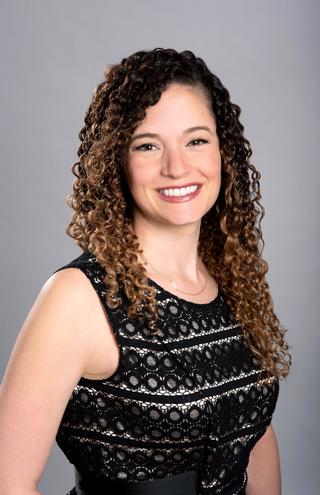
Alessandra L. Moore, M.D., serves as Assistant Professor in the Department of Surgery and joint appointment in the Department of Medicine at the University of Rochester Medical Center. As a surgical oncologist specializing in endocrine surgery, she provides advanced care for thyroid, parathyroid, and adrenal conditions across adult and pediatric populations, with clinical expertise in thyroidectomy, neck dissection, laparoscopic adrenalectomy, and minimally invasive parathyroid procedures. Her educational journey includes: Bachelor of Science with honors from Hobart and William Smith Colleges M.D. from University of Massachusetts Medical School (Clinical and Translational Research Pathway) General Surgery Residency at Brigham and Women's Hospital Endocrine Surgery Fellowship at Harvard Combined Endocrine Surgery Program Postdoctoral research at Stanford University on scarless wound healing Dr. Moore's research bridges clinical endocrine surgery with regenerative medicine, focusing on adrenal gland regeneration, wound healing mechanisms, DLK1+ progenitor cell aging, and novel treatments for pheochromocytoma/paraganglioma. Her lab maintains an endocrine tumor biorepository to accelerate translational discoveries while investigating pediatric endocrine disease therapies and patient-reported outcomes in parathyroid surgery. Analysis of her 24 publications (2018-2023) reveals two dominant research streams: clinical outcomes in thyroid/parathyroid/adrenal surgery (2021-2023) and fundamental fibroblast biology in wound regeneration (2018-2021). This dual focus exemplifies her surgeon-scientist approach to improving cancer care through regenerative techniques and evidence-based surgical innovation. Her scientific recognition includes: URMC PROActive Award (2024-2025) John A. Mannick MD Research Award (2018) Stanford Plastic Surgery Research Day Award (2018) Wound Healing Foundation Fellowship National Institutes of Health Pediatric Loan Repayment Program Leading The Moore Lab, Dr. Moore directs projects spanning adrenal regeneration, hypoparathyroidism treatments, and living adrenal cancer models. Her patient-centered philosophy emphasizes evidence-based individualized care, reflected in publications addressing mentorship for expectant residents and surgical decision-making. She actively contributes to clinical trials and maintains a tissue biorepository to advance endocrine disease understanding.
Isaac S. Harris is an Assistant Professor at the University of Rochester Medical Center's School of Medicine and Dentistry and Wilmot Cancer Institute, where he leads independent research since September 2019. He received his PhD from the University of Toronto under Dr. Tak Mak and pursued postdoctoral training at Harvard Medical School with Dr. Joan Brugge. Appointments: Department of Biomedical Genetics; Department of Pharmacology and Physiology Research Focus: Antioxidant biology in cancer, particularly glutathione (GSH) and redox regulation Technologies: Developer of Multifunctional Approach to Pharmacologic Screening (MAPS) Research Interests: Dr. Harris investigates how cancer cells exploit antioxidant systems like GSH for tumor initiation and progression. His lab combines in vivo mouse models with high-throughput pharmacologic screening to uncover metabolic vulnerabilities in cancer cells. Key projects explore: GSH's role in cancer initiation and protein homeostasis Redox signaling in tumor microenvironment Metabolic compensation pathways in antioxidant-deprived cancers Development of novel screening technologies (MAPS) Interactions between antioxidant pathways and cell death mechanisms Cross-talk between redox regulation and kinase signaling Publications & Technology: The Harris Lab has published extensively on GSH metabolism in cancer, including breakthrough studies on: Deubiquitinase inhibition as a therapeutic strategy Redox regulation of Th17 and regulatory T cells Cancer cell adaptation to antioxidant depletion Development of physiologic medium screening platforms Lab Members: Current researchers include graduate students Fatemeh Alimohammadi, Gloria Asantewaa, Marco Zocchi, and TashJaé Scales. Alumni include Hayley Chang (MD/PhD student) and technician Leo Schiller.
Sean N Avedissian, PharmD, MSc, PhD is an Associate Professor in the Department of Pharmacy Practice and Science at the University of Nebraska Medical Center's College of Pharmacy. His academic appointment focuses on pharmacokinetic research and teaching in infectious disease pharmacology. Dr. Avedissian's research interests center on pharmacokinetic modeling of antibiotics and antivirals in special populations, particularly those with HIV and critically-ill patients. His work encompasses developing pharmacokinetic models in both clinical and pre-clinical environments, investigating drug mass transit from plasma to other body compartments, and examining how patient-specific variables affect pharmacokinetics. His laboratory has been actively integrating with the HIV/TB research group to develop mathematical models describing the pharmacokinetics of HIV/TB drugs. Teaching activities include lecturing in Infectious Disease and Pharmacokinetics courses at the College of Pharmacy. His recent publications (2023-2025) demonstrate strong research productivity in antibiotic pharmacokinetics, antiviral CNS penetration, and modeling approaches for special populations. His scholarly output spans diverse areas including: Pharmacokinetic modeling in critically-ill patients Antibiotic and antiviral distribution in special populations Drug penetration across the blood-brain barrier Population pharmacokinetics in pediatric and HIV populations Mathematical modeling of drug distribution
Dr. Vinicia Campana Biancardi is an Associate Professor in the Department of Anatomy, Physiology and Pharmacology at Auburn University's College of Veterinary Medicine. Originally from Brazil, she joined Auburn University in March 2016 as an Assistant Professor and was promoted to Associate Professor in 2021. Her academic journey spans international institutions including the Federal University of Sao Paulo, Wright State University, University of Cincinnati, and Medical College of Georgia. Dr. Biancardi earned her B.S. in Pharmacy from the School of Pharmacy and Biochemistry of Espirito Santo in Brazil, followed by both her M.S. and Ph.D. degrees from the Federal University of Sao Paulo under Dr. Ruy Campos's supervision. During her Ph.D., she received a Brazilian government scholarship to train at Wright State University with Dr. Javier Stern, whom she later followed for postdoctoral work at the University of Cincinnati and Medical College of Georgia. Dr. Biancardi's research focuses on the neural mechanisms of cardiovascular control, particularly examining how the brain regulates blood pressure in both healthy and disease states. Her work centers on the hypothalamus and autonomic nervous system, with special emphasis on hypertension mechanisms. She investigates how circulating angiotensin II gains access to the brain during hypertension via blood-brain barrier disruption, and how this leads to neuroinflammation and autonomic dysfunction. Her laboratory employs a range of techniques including electrophysiology, neuroanatomy, molecular biology, and cardiovascular physiology in rodent models. Analysis of Dr. Biancardi's recent publications reveals a strong focus on the intersection of neuroscience and cardiovascular physiology, particularly examining neuroinflammation, blood-brain barrier integrity, and neural control of blood pressure in hypertension. Her work increasingly incorporates molecular mechanisms including Toll-like receptor 4 signaling, microRNA regulation, and cellular reprogramming approaches. A notable trend is her exploration of novel vascular pathways in the brain and their role in homeostatic control. Brazilian government scholarship during Ph.D. studies American Heart Association Scientist Development Grant Dr. Biancardi has secured significant research funding, including an American Heart Association Scientist Development Grant prior to joining Auburn University. Her laboratory investigates the neural mechanisms of hypertension, with particular focus on the role of the hypothalamus, autonomic control, and neuroinflammation. She collaborates extensively with researchers at Auburn University and beyond, contributing to the growing field of neurocardiovascular research. Dr. Biancardi leads a research laboratory within the Department of Anatomy, Physiology and Pharmacology at Auburn University's College of Veterinary Medicine. Her team investigates the neural mechanisms of cardiovascular control, with particular emphasis on how hypertension affects brain function and how the brain contributes to the development and maintenance of high blood pressure. Her laboratory employs multidisciplinary approaches to study neurovascular coupling, blood-brain barrier function, and neural signaling in cardiovascular regulation.
Chad Grueter, PhD, is an Associate Professor of Internal Medicine-Cardiovascular Medicine and Vice Chair for Research in the Department of Internal Medicine at the University of Iowa. His laboratory focuses on understanding transcriptional and posttranscriptional mechanisms disrupted in heart disease, particularly the role of the Mediator complex components (MED13, CDK8, MED1) in cardiac metabolism and heart failure. He holds affiliations with the Cardiovascular Research Center and Fraternal Order of Eagles Diabetes Research Center. Education: PhD in Molecular Physiology and Biophysics from Vanderbilt University (200?), followed by postdoctoral training at UT Southwestern Medical Center. Research interests include how the heart regulates whole-body metabolism through novel signaling pathways, such as those involving miR-208a and MED13. His work utilizes mutant mouse models, proteomic, and bioinformatic approaches to study cardiac transcriptional responses to stress. Recent studies highlight the interplay between cardiac signaling and systemic metabolism, with implications for obesity prevention and heart failure therapies. Selected publications span topics like PI3Kβ's dual roles in cardiac remodeling, Mediator complex subunit functions, and cardiac-secreted factors' metabolic effects. These studies collectively emphasize molecular mechanisms of heart disease and potential therapeutic targets. Dr. Grueter's lab actively investigates stress-adaptive transcription regulators (e.g., junctophilin-2) and the role of epigenetic modifications in cardiac dysfunction. His research bridges basic science and translational medicine, aiming to uncover novel pathways for clinical intervention.
Ali Vaziri-Gohar, PhD, is an Assistant Professor in the Department of Cancer Biology at Loyola University Chicago. His research focuses on metabolic dependencies in pancreatic cancer, particularly how tumor cells adapt to oxidative stress and nutrient limitations in the tumor microenvironment. He leads the Vaziri-Gohar Lab, which employs biochemistry, molecular biology, and mass spectrometry to develop novel targeted therapies. Education: BS in Biomedical Sciences (Shahid Beheshti University), MS in Biochemistry (Kerman University), PhD in Molecular Biology (New Mexico State University), Postdoctoral Fellowships at Thomas Jefferson University and Case Western Reserve University. Research interests include metabolic vulnerabilities, redox homeostasis, and drug resistance mechanisms. His lab investigates how metabolic reprogramming enables tumor survival, with recent work highlighting IDH1 inhibitors and glucose/glutamine dependency as therapeutic targets. Key findings include the role of citrate transport in ferroptosis resistance and the synergy of ketogenic diets with metabolic inhibitors. Publications span over 30 peer-reviewed articles, emphasizing pancreatic cancer metabolism, IDH1 signaling, and cancer-associated depression. The lab collaborates broadly, including with institutions like the Dana-Farber Cancer Institute and Thomas Jefferson University.
Francis Peterson, PhD is a Professor of Biochemistry at the Medical College of Wisconsin. He serves as NMR Facility Manager and leads the Small-Molecule Screening Team. His research focuses on chemokine structure-function relationships, protein engineering, and NMR-based drug discovery. Key areas include understanding chemokine-receptor interactions (e.g., CCL21/CCR7, CCL28), designing small molecule ligands, and developing therapies for autoimmune diseases like psoriasis. He has pioneered methods for fragment-based screening and structural studies of mitochondrial proteins. His work bridges basic biochemical research with translational applications in drug development. Education : PhD in Biochemistry (not explicitly stated in text). Research Interests : - Chemokine biology and dimerization mechanisms - NMR spectroscopy applications in drug discovery - Protein structure-function relationships - Mitochondrial dynamics (FIS1/DRP1) - Design of engineered proteins and biosensors - Small molecule ligand discovery Scientific Contributions : Over 30 peer-reviewed articles (2011–2023) covering structural biology, immunology, and medicinal chemistry. Active in developing novel assays (e.g., modified ELISA for chemokine dimers) and protein engineering approaches for therapeutic targets. Lab/Teams : Directs the NMR Facility and manages the Small-Molecule Screening Team, enabling collaborative research across departments. His lab integrates structural biology techniques with functional studies to address biomedical questions.
Wei Xu is a Professor in the Department of Oncology at the University of Wisconsin-Madison. His research focuses on epigenetic mechanisms regulating estrogen receptor (ER) signaling and histone arginine methylation in cancer progression, particularly breast cancer. He leads studies on CARM1/PRMT4 and its role in chromatin modifications, tumor metabolism, and therapeutic resistance. His work combines molecular biology, biochemistry, and mouse genetics to uncover mechanisms underlying cancer pathogenesis and develop targeted therapies. Education B.S., Beijing University, 1991 M.S., Institute of Biophysics (Academia Sinica), 1994 Ph.D., University of Iowa, 1999 Postdoctoral Training: The Salk Institute for Biological Sciences, 2000-2003 Research Interests Epigenetic regulation of ER signaling in breast cancer Role of histone arginine methylation in cancer Molecular mechanisms of mesenchymal stem cell differentiation Development of epigenetic drugs targeting CARM1 His lab investigates the CARM1-H3R17me2-Ctr9 axis in stem cell lineage commitment and osteogenesis, linking epigenetic changes to bone diseases like osteoporosis. Recent work highlights CARM1's role in metabolic reprogramming and its therapeutic potential in ER-positive and triple-negative breast cancers. Advising & Grants Current advisee: Kasey Mitchell (PhD in progress) NIH-funded studies on chromatin regulators and tumor metabolism Labs & Collaborations Operates a multidisciplinary lab integrating genomic approaches, mouse models, and chemical biology. Collaborates with teams studying tumor microenvironment dynamics and drug development for epigenetic targets.
Rachel Schiff, Ph.D., is a Professor at Baylor College of Medicine, affiliated with the Breast Center and the Dan L Duncan Comprehensive Cancer Center. Her research focuses on understanding the biology of ER-positive and HER2-positive breast cancers, developing targeted therapies, and identifying mechanisms of treatment resistance. Key research areas include estrogen receptor (ER) and HER2 signaling pathways, genomic and epigenomic alterations, and biomarker discovery for personalized medicine. She leads the Schiff-Osborne Lab, collaborating with clinicians and bioinformaticians to translate findings into clinical applications. Dr. Schiff’s work emphasizes preclinical models of therapy resistance, including CDK4/6 inhibitors and anti-HER2 therapies. Her lab investigates molecular mechanisms underlying resistance, such as FOXA1-driven transcriptional reprogramming, interferon signaling activation, and cross-talk between oncogenic pathways. Ongoing projects include developing biomarkers to predict response to targeted therapies and exploring combination treatments to overcome resistance. Her lab is equipped with advanced facilities, including state-of-the-art molecular biology tools and a large-scale animal care facility. Collaborative efforts with other institutions focus on integrating clinical specimens, OMICS data, and functional genomics to advance precision oncology. Dr. Schiff’s contributions have led to translational advancements, including new therapeutic strategies and biomarker-driven clinical trials.
Michael T. Lewis, Ph.D., is a Professor at Baylor College of Medicine, where he leads research at the Breast Center and Dan L Duncan Comprehensive Cancer Center. His laboratory specializes in normal mammary gland development and breast cancer pathogenesis, with particular expertise in cancer stem cells, hedgehog signaling pathways, and treatment resistance mechanisms. Research Focus: Molecular drivers of mammary development and carcinogenesis Cancer stem cell biology and therapeutic targeting Mechanisms of chemotherapy resistance in aggressive subtypes Patient-derived xenograft models for precision oncology Recent publications demonstrate a strong focus on triple-negative breast cancer biology, mitochondrial adaptation mechanisms, and innovative therapeutic approaches. Article analyses reveal consistent themes in DNA repair targeting, tumor metabolism, immunotherapy development, and computational pathology applications. Laboratory Resources: Advanced patient-derived xenograft platforms Single-cell genomics capabilities Mitochondrial imaging and analysis systems Collaborative networks including NCI PDXNet consortium