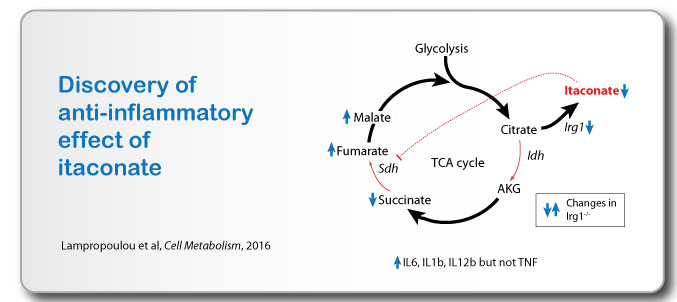
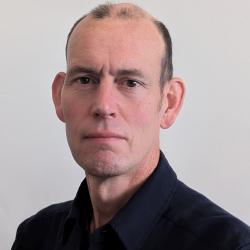
Maxim Artyomov is an Alumni Endowed Professor and Professor of Pathology and Immunology at Washington University School of Medicine , with affiliations to the Institute of Clinical and Translational Sciences (ICTS), Bursky Center for Human Immunology & Immunotherapy Programs (CHiiPs), and Siteman Cancer Center. His research spans Systems Immunology , Immunometabolism , and Cancer Immunology , focusing on integrating epigenetic, transcriptional, and metabolic regulation in immune cells. 2018 promoted to Associate Professor with Tenure 2017 awarded LEAP Inventor Challenge 2018 Unanue Prize for Innovative Research in Immunology Key research contributions include: Discovery of itaconate's anti-inflammatory role (2016) Metabolic reprogramming in macrophage polarization (2015) TREM2's function in microglial metabolic fitness (2017) Development of CORESH gene signature search engine (2025) His high-throughput omics pipelines enable cross-disciplinary analysis of immune responses in tuberculosis, Alzheimer's, and cancer. Notable collaborations include work with Schreiber's lab on immune checkpoint therapy (2018) and ITMO University on systems biology workshops (2017-2018). Awards and grants include the Unanue Prize (2018), LEAP Inventor Challenge (2017), and R01 grant from NIAID (2017). He mentors PhD/MSTP students and co-organizes international systems biology workshops.
Prof. Elisabeth Engel López leads the Biomaterials for Regenerative Therapies group at the Institute for Bioengineering of Catalonia (IBEC) and serves as a Professor at the Technical University of Catalonia. With over 80 publications in JCR journals, her work focuses on designing biomaterials and scaffolds for in vitro/in vivo regenerative medicine, emphasizing cellular response mechanisms and translational applications. Developing lactate-releasing systems for metabolic modulation Advancing 3D bioprinting for tissue-specific models Engineering angiogenic and osteogenic biomaterials Her research bridges fundamental studies with industrial partnerships, including pharmaceutical and biomedical device companies, and contributes to European collaborative projects. She received the Barcelona City Award for technological research and has delivered numerous invited lectures. Her group explores substrate stiffness, ion release, and microenvironmental cues to control cell behavior in cardiac, neural, and bone regeneration contexts.
Jing Fan is an Associate Professor of Medical Microbiology & Immunology at the University of Wisconsin-Madison and a metabolism investigator at the Morgridge Institute for Research. She serves as a faculty trainer in multiple graduate programs, including Cellular and Molecular Biology (CMB) and the Integrated Program in Biochemistry (IPiB). Education: PhD, 2014, Princeton University Her research focuses on metabolic reprogramming in immune and cancer cells, particularly macrophages and neutrophils during immune responses and tumor microenvironment interactions. She employs metabolomics, lipidomics, and fluxomics integrated with biochemical and genetic techniques. The 15 most recent publications highlight her lab's work on metabolic flexibility in neutrophils and macrophages nutrient utilization during immune activation epigenetic regulation by metabolic pathways metabolic interactions in tumor microenvironments systems-level metabolic flux analysis translational applications for immunotherapy . She leads the Fan Lab, which includes current team members such as graduate students Carlos Mellado Fritz, Nick Arp, and Jorgo Lika, alongside postdoctoral fellows James Votava and Julia Nunes. Alumni include PhD graduates Emily Britt (Thermo Fisher Scientific) and Gretchen Seim (Genentech), as well as MD/PhD graduate Laura Steenberge (University of Pittsburgh Residency).
Zhandong Liu is an Associate Professor at Baylor College of Medicine with joint appointments in the Department of Pediatrics and Department of Neurology . He serves as Chief of Computational Sciences at Texas Children's Hospital and co-directs the Quantitative & Computational Biosciences Graduate Program at Baylor. Education: B.S. in Computer Science, Nankai University (2001) M.S. in Computer Science, Wayne State University (2003) Ph.D. in Genomics and Computational Biology, University of Pennsylvania (2010) Dr. Liu's research integrates genomics , machine learning , and bioinformatics to advance understanding of neurological diseases. His work focuses on: Multi-omics data integration for disease mechanism discovery Development of cloud-based CRISPR analysis tools like CRISPRcloud Augmented reality platforms for biomedical data visualization Identification of disease genes through computational models Alternative splicing analysis in cancer and neurodegeneration Single-cell and spatial transcriptomics algorithms His recent publications emphasize Alzheimer's disease , MECP2 syndromes , and computational therapy prediction across multiple domains. Scientific awards include the 2018 Outstanding Service Award from the International Association for Intelligent Biology and Medicine. He has secured major grants from NIH, CPRIT, and NSF for projects including: NSF grant #199977 (2018-2020): Augmented reality therapy platforms CPRIT grant #RP170387 (2016-2019): Network-guided cancer analysis NIH #1R01AG057339 (2017-2022): Alzheimer's disease networks As head of the Liu Lab , he leads teams developing tools like: MARRVEL : Human-model organism gene variant integration CRISPRcloud : Secure CRISPR screen analysis platform CrypSplice : Cryptic splicing detection algorithm
Justin Milner, PhD, serves as Assistant Professor in the Department of Microbiology and Immunology at the University of North Carolina at Chapel Hill School of Medicine and is a member of the UNC Lineberger Comprehensive Cancer Center. His research develops novel approaches to enhance cancer immunotherapies through multi-omics and bioengineering techniques. Education: Postdoctoral Fellowship, UCSD PhD, UNC Chapel-Hill BS, UNC Chapel-Hill Dr. Milner's lab investigates molecular drivers of T cell differentiation and function within tumor microenvironments, utilizing cutting-edge genomics, bioengineering, and computational immunology. His work focuses on reprogramming T cell activity to overcome immunotherapy resistance in cancers, with particular emphasis on epigenetic regulation and metabolic adaptations of tumor-infiltrating lymphocytes. Recent projects explore hydrogel-based delivery systems for immunotherapeutics and transcriptional networks governing T cell exhaustion. Analysis of his 15 most recent publications reveals dominant themes in cancer immunotherapy enhancement, particularly through T cell engineering (7/15 articles), tumor microenvironment modulation (5/15), and computational approaches to T cell biology (3/15). Key methodologies include single-cell multi-omics, in vivo screening, and biomaterial-based drug delivery systems targeting solid tumors. Scientific Awards: NIH NCI K99/R00 Pathway to Independence Award V Foundation Scholar Award Lung Cancer Initiative Career Development Award UNC Lineberger Innovation Award Multiple institutional pilot awards including Hirschberg Foundation and Mary Kay Ash Awards Dr. Milner currently advises three graduate students and multiple postdoctoral researchers while leading an NIH-funded R01 project ($2.79 million) investigating epigenetic regulation of T cell exhaustion. His lab maintains active collaborations across computational medicine and pancreatic cancer research programs at UNC. The Milner Lab operates within the UNC Lineberger Comprehensive Cancer Center, utilizing core facilities for single-cell genomics, murine tumor modeling, and bioengineering. Current team includes seven researchers focused on T cell reprogramming strategies for solid tumor immunotherapy.
Dr. Albert Koulman is a Principal Research Associate at the University of Cambridge, affiliated with the Metabolic Research Laboratories (MRL) within the Institute of Metabolic Science. His work focuses on developing advanced analytical methods for metabolomics and lipidomics to understand metabolic processes in diseases. Department: Department of Clinical Biochemistry, University of Cambridge Key Roles: Scientific Director of the NIHR BRC Metabolomics and Lipidomics facility Research Interests 1. Metabolism in Pregnancy & Early Life: Collaborates with international teams to study lipid metabolism during pregnancy and infancy, developing biomarkers for gestational diabetes, infant nutrition, and childhood obesity risks. 2. Technological Innovations: Leads development of single-cell lipidomics and organelle-specific lipid profiling, establishing a full pipeline from sample preparation to bioinformatics. 3. Nutritional Biomarker Methodology: Specializes in dried blood spot applications for lipid analysis in clinical and population studies, supported by the MRC Epidemiology Unit. Article Trends Recent publications highlight his expertise in lipid metabolism across diseases (e.g., diabetes, melanoma, NAFLD). Key themes include sexual dimorphism in lipid biosynthesis, vitamin D dynamics during exercise, stromal lipid influences on cancer progression, and malnutrition recovery protocols. Methodological advancements (LC-MS/MS, single-cell analysis) and global health applications (Gambian maternal nutrition, pediatric rehabilitation) are recurring topics. Group Members & Collaborations Dr. Ben Jenkins (Analytical Chemist) Ms. Paulina Guevara Dominguez (Research Assistant) Ms. Nina van der Velde (MPhil Student) Collaborators: Sue Ozanne (Pregnancy Metabolism), MJFF (Parkinson’s research), MRC (Epidemiology Unit) Research Funding Biotechnology and Biological Sciences Research Council (BBSRC) JPI (Joint Programming Initiative) Michael J. Fox Foundation (MJFF) Medical Research Council (MRC) National Institute for Health and Care Research (NIHR)
Xiaochen He serves as an Instructor in the Department of Physiology & Biophysics at the University of Mississippi Medical Center's School of Medicine, where he focuses on cardiovascular research and teaching within this foundational medical science department. His research program centers on the intersection of cardiac pathophysiology and immunometabolism, with core interests including: Mechanisms of immune-mediated cardiac inflammation in heart failure Role of T cell subsets (Th17, γδ T, CD8+) in pressure overload models Molecular regulation by IL-12 family cytokines and metabolic enzymes (TIGAR, SIRT3) Endothelial dysfunction in cardiac hypertrophy and failure progression Therapeutic interventions targeting inflammatory pathways Analysis of Dr. He's recent publications (2022-2025) reveals a concentrated research trajectory investigating how specific immune pathways drive heart failure progression. His work consistently employs genetic mouse models to demonstrate that IL-12β inhibition, TIGAR deficiency, and selenium supplementation attenuate cardiac inflammation and dysfunction, while CD8+ T cell metabolic reprogramming exacerbates disease. Key discoveries include GPR174's role in Th17 differentiation and NK1.1 signaling's contribution to cardiopulmonary inflammation, establishing critical immune-metabolic axes in heart failure pathogenesis. No scientific awards were documented in the available profile information. Current departmental records indicate no graduate students are formally listed under Dr. He's mentorship, and no research grants are specified in the public profile. Details regarding laboratory infrastructure, research teams, or collaborative networks were not provided in the available institutional documentation.
Tohru Fukai is a Professor and holds the Barbara A. Schnuck Endowed Chair in Translational Medicine at the Medical College of Georgia, Augusta University, where he serves in the Department of Pharmacology and Toxicology. His research is centered at the Vascular Biology Center, where he leads a productive laboratory investigating the molecular mechanisms of oxidative stress and dysfunctional copper metabolism in cardiovascular and metabolic diseases. Dr. Fukai earned his MD in 1988 and PhD in Medical Science in 1995, both from Kyushu University in Japan. Following his medical and doctoral training, he completed postdoctoral fellowship at Emory University School of Medicine in Atlanta from 1995-1999. His research focuses on oxidative stress in cardiovascular and metabolic disease pathogenesis, particularly investigating the role of extracellular SOD (ecSOD, SOD3) and copper transport proteins. His lab has pioneered research on copper transport proteins CTR1, Atox1, and ATP7A in regulating vascular function, demonstrating their critical roles in hypertension, vascular remodeling, inflammatory angiogenesis, atherosclerosis, and diabetes. Notably, his team discovered that copper chaperone Atox1 functions as a copper-dependent transcription factor regulating cell proliferation and inflammatory responses. Analysis of Dr. Fukai's recent publications reveals a strong focus on the intersection of redox signaling, copper metabolism, and vascular function. His work increasingly explores how oxidative stress and copper transport mechanisms contribute to conditions like diabetes, atherosclerosis, Alzheimer's disease, and ischemic injury. A prominent theme across his recent work is the role of protein modifications (particularly sulfenylation and SUMOylation) in regulating vascular responses to oxidative stress, with significant implications for therapeutic interventions. Dr. Fukai's scientific achievements have been recognized with numerous awards including the Barbara A. Schnuck Endowed Chair in Translational Medicine (2017), World Science Leaders in Human Biology Program (2021), and multiple Circulation Research Reviewer Awards. He has served on editorial boards for prestigious journals including Scientific Reports, Journal of Molecular and Cellular Cardiology, and American Journal of Physiology-Heart and Circulatory Physiology. As a mentor, Dr. Fukai has advised numerous graduate students and postdoctoral fellows, including several who have received AHA awards and trainee recognition. He serves on various committees including the VBC post-doc evaluation committee and the CNVAMC Subcommittee for Research Safety. His lab has secured significant funding, including a recent $11.3 million NIH grant for vascular disease research. Dr. Fukai leads an active research group at the Vascular Biology Center comprising senior research associates, assistant research scientists, postdoctoral fellows, and graduate students working collaboratively on multiple projects related to copper transport, redox signaling, and vascular disease mechanisms. His lab has made seminal contributions to understanding how copper transport proteins function as key regulators of vascular antioxidant enzymes and as unexpected signaling molecules in inflammatory disease processes.
Professor Jim Haseloff is a faculty member at the University of Cambridge, serving as Head of the Synthetic Biology for Engineering Plant Growth Group within the Department of Plant Sciences, School of Biological Sciences. His research focuses on applying engineering principles to construct new genetic systems in plants, with particular emphasis on using Marchantia polymorpha as a model system for understanding and engineering plant growth and development. Professor Haseloff's research interests span synthetic biology, genetic circuit design, plant transformation technologies, and the development of low-cost tools for biological research. His laboratory develops novel DNA tools and imaging techniques for visualizing, manipulating, and modeling genetic interactions and morphogenesis in plants. His work bridges the gap between fundamental plant biology and applied engineering approaches to reprogram plant development and physiology. The lab has established Marchantia polymorpha as a simplified model system with a streamlined genome, haploid genetics, and an open form of development ideal for quantitative analysis. Analysis of Professor Haseloff's recent publications reveals a strong focus on advancing the Marchantia model system for synthetic biology applications. His work spans genetic tool development, chloroplast engineering, plant sensing technologies, and fundamental developmental processes. Notably, his research increasingly integrates low-cost sensing technologies with traditional plant biology, reflecting his commitment to making synthetic biology more accessible worldwide. Professor Haseloff is actively involved in several major initiatives including OpenPlant (promoting open technologies for plant synthetic biology), Biomaker (funding construction of low-cost devices for biology), and the Engineering Biology IRC. He has taught undergraduate courses on Plant and Microbial Sciences (NST PMS 1B), Plant Development (NST CDB 1B), and Synthetic Biology (NST PS 2), with extensive teaching materials publicly available online. His laboratory has pioneered techniques for cell-free expression systems that are 200-400 times cheaper than commercial versions, low-cost microreactors using 3D-printed components, and innovative in vivo plant sensing devices. The group has developed extensive resources for the plant synthetic biology community, including standardized DNA parts, microscopy techniques, and educational materials for no-code programming in biology.
G. Petur Nielsen, MD is a Professor of Pathology at Harvard Medical School and serves as Subspecialty Head, Bone and Soft Tissue Pathology at Massachusetts General Hospital . With a clinical focus on bone and soft tissue tumors, his expertise spans diagnostic pathology, molecular genetics of neoplasms, and ancillary testing applications. Research interests center on Pathology and biology of bone/soft tissue tumors Molecular genetics of bone and soft tissue neoplasms Chordoma and sarcoma research Epithelioid vascular tumor differentiation Mesenchymal tumors of the female genital tract His work includes landmark studies on tumor misdiagnosis rates, immunohistochemical profiling, and genomic analysis of chordomas. Scientific contributions appear in leading journals like Nature and American Journal of Surgical Pathology , with major emphasis on Molecular tumor classification Mutational signature analysis Translational oncology Diagnostic accuracy improvement Genomic instability mechanisms
Shyni Varghese is the Laszlo Ormandy Distinguished Professor of Orthopaedic Surgery at Duke University, with joint appointments in Mechanical Engineering & Materials Science and Biomedical Engineering. She directs the Varghese Lab, an interdisciplinary team focused on smart biomaterials, organ-on-chip models, rejuvenation therapies, and translational medical technologies. Her research bridges tissue engineering, regenerative medicine, and disease modeling to address bone healing, osteoarthritis, and age-related tissue degeneration. Education: Ph.D. in Chemistry/Materials Science, National Chemical Laboratory (India), 2002 Research spans four pillars: Smart Biomaterials : Engineered ECM mimetics, self-healing hydrogels, and stimuli-responsive systems for tissue regeneration. Miniature Organs : Organoid and organ-on-chip platforms (e.g., tumor-on-chip, lung alveolus models) to study disease mechanisms. Rejuvenation : Targeting cellular senescence, adenosine signaling, and inflammation to enhance aged tissue repair. Bench to Bedside : Translating technologies like 'bone bandages' and nanocarriers for fracture healing and osteoporosis. Recent publications emphasize orthopaedic repair (fracture healing, osteoarthritis), immunomodulation (macrophage reprogramming, immunotherapy), and advanced biomaterials (self-healing lubricants, cartilage-penetrating carriers). Studies frequently employ mouse models and microengineered platforms to dissect pain mechanisms, senescence, and tissue regeneration pathways. Dr. Varghese advises 10+ doctoral students and postdoctoral researchers. Her lab has pioneered innovations like 'DraBot' (environment-responsive soft robot) and 'cell pouch' xenotransplantation devices. Collaborative projects include NIH-funded work on bone radioprotection and NSF-supported biomaterial design. The Varghese Lab occupies the Duke Medical Science Research Building, fostering collaborations with clinicians and engineers. Current projects explore: Senolysis for neuroinflammation mitigation Adenosine-based therapies for bone loss 3D tumor models for immunotherapy screening
Kathryn E. Dickerson, M.D., M.S.C.S., is an Assistant Professor in the Department of Pediatrics at UT Southwestern Medical Center, specializing in the Division of Hematology and Oncology. She holds dual appointments as a 2015 Translational Research Scholar in the UTSW Center for Translational Medicine and as an NIH KL2 scholar. Her clinical focus is pediatric hematology, emphasizing bone marrow failure disorders, cancer predisposition syndromes, and thalassemia/dyserythropoietic anemias. Her research investigates epigenetic regulation of myeloid malignancies, clonal hematopoiesis in childhood cancer survivors, and molecular mechanisms underlying acute myeloid leukemia (AML), myelodysplastic syndromes (MDS), and myeloproliferative disorders (MPD). Education: Bachelor's in Biochemistry (Indiana University), minor in Spanish Medical degree (Indiana University School of Medicine) Masters of Science in Clinical Sciences (UT Southwestern Center for Translational Medicine) Training: Pediatric residency with research pathway (Ohio State University/Nationwide Children’s Hospital) Pediatric hematology-oncology fellowship (UT Southwestern) Dr. Dickerson’s research bridges basic science and clinical practice, leveraging CRISPR-based epigenetic editing, genomic analysis, and translational studies to understand disease mechanisms. Key projects include interrogating enhancer dysregulation in leukemia, studying metabolic reprogramming in cancers, and evaluating clonal hematopoiesis in survivors of childhood cancers. Her work has advanced understanding of EZH2’s role in AML and identified therapeutic vulnerabilities in myeloid malignancies. Awards: 2015 Translational Research Scholar (UTSW Center for Translational Medicine) NIH KL2 Career Development Award Grants/Initiatives: NIH-funded investigator-initiated study on clonal hematopoiesis Industry/consortia-sponsored trials for bone marrow failure and rare blood disorders She collaborates with the Children’s Research Institute and North American Pediatric Aplastic Anemia Consortium, contributing to clinical trials and translational initiatives. Her lab focuses on developing biomarkers for disease severity (e.g., immature platelet fraction in pediatric COVID-19) and therapeutic strategies targeting epigenetic dependencies in leukemia.
Noël J-M Raynal is a Professor in the Department of Pharmacology and Physiology at the Université de Montréal and a researcher at the CHU Sainte-Justine Research Center. His expertise lies in epigenetic pharmacology of cancer and drug discovery, particularly using 3D cell culture models to study pediatric and adult cancers. He has held senior research awards from the FRQS and has led multiple projects funded by CIHR, CRSNG, and others. His work focuses on developing novel therapies targeting epigenetic modifications in cancers like neuroblastoma, sarcomas, lung cancer, and triple-negative breast cancer. Education: Ph.D. in Biology (INRS-IAF, 2008), Postdoctoral training at MD Anderson Cancer Center and Temple University. Teaching roles include courses in pharmacology and physiology. Research affiliations: GRUM (University Research Group on Medicine), Azrieli Research Center at CHU Sainte-Justine Awards: Senior FRQS Scholar (2024–2028), Junior FRQS Awards (2016–2024) Supervised 15+ students in M.Sc. and Ph.D. programs, focusing on epigenetic drug discovery and 3D tumor modeling Active in grants: Over 20 projects funded by CIHR, FRQS, and industry partnerships Research highlights include repurposing drugs like disulfiram for neuroblastoma and developing CDK9 inhibitors. His lab innovates in 3D co-culture models to better mimic tumor environments and improve drug screening accuracy.
Anders Hofer is an Associate Professor and Docent in Medical Biochemistry at Umeå University's Department of Medical Biochemistry and Biophysics, serving as Director of Studies. His research focuses on nucleotide metabolism in pathogens and mammalian cells, with an emphasis on enzymes like ribonucleotide reductase and nucleoside kinases. His work targets pathogens such as Trypanosoma brucei (African sleeping sickness), Giardia intestinalis, and Borrelia burgdorferi (Lyme disease), aiming to develop drugs exploiting their metabolic vulnerabilities. His lab employs techniques like GEMMA analysis, mass photometry, and nucleotide quantification methods. Recent grants include a three-year strategic research grant from the Medical Faculty in 2023. Key projects include studying nucleotide salvage pathways in pathogens and developing adenosine analogues as antiparasitics. Collaborations span structural biology, enzymology, and drug discovery. His work addresses antibiotic resistance by targeting unique pathogen features.
Simbarashe Mazambani is an Assistant Professor of Instruction in the Department of Biological Sciences at the University of Texas at Dallas (UTD), affiliated with the School of Natural Sciences and Mathematics. His academic preparation includes a Ph.D. in Molecular and Cell Biology from UTD (2023), an M.S. in Biological Sciences from Texas A&M University-Commerce (2017), and a B.S. in Biological Sciences from the same institution (2014). Dr. Mazambani's research focuses on cancer metabolism, biochemistry, and functional genomics, with a particular emphasis on metabolic vulnerabilities in squamous cell carcinomas and the role of glucose-insulin signaling pathways in tumor growth. His work integrates oxidative stress mechanisms, epigenetic regulation, and xenobiotic detoxification pathways to elucidate cancer progression and therapeutic strategies. Notable publications include groundbreaking studies on targeting the glucose-insulin axis in head and neck squamous cell carcinoma, the role of Hedgehog signaling in lung adenocarcinoma suppression, and epigenetic control of breast cancer via xenobiotic pathways in agouti mouse models. His research spans disciplines such as oncology, cell signaling, and metabolic reprogramming, with implications for precision medicine and cancer therapy. Dr. Mazambani currently does not accept undergraduate or graduate students, focusing instead on instructional and research activities. His work is supported by experimental models and collaborative studies, though specific grants or lab affiliations are not detailed in the provided materials.