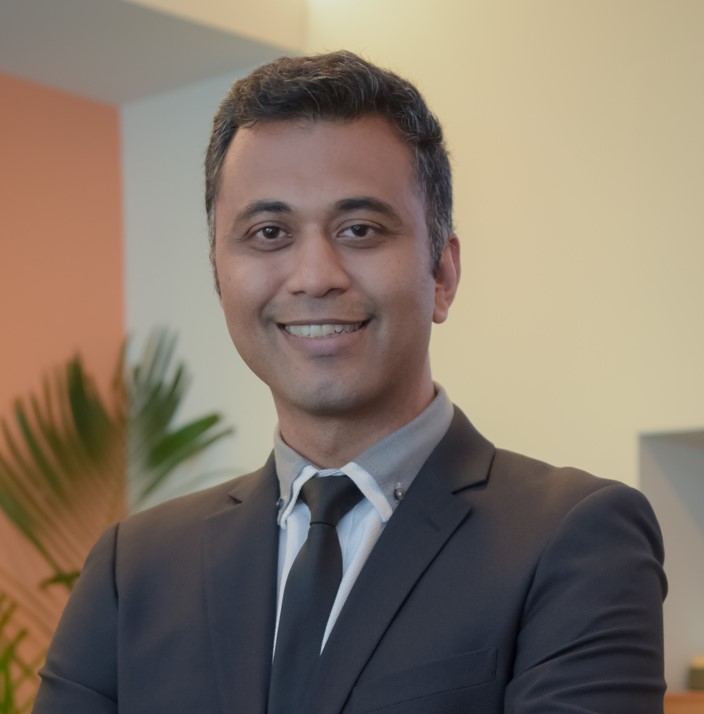
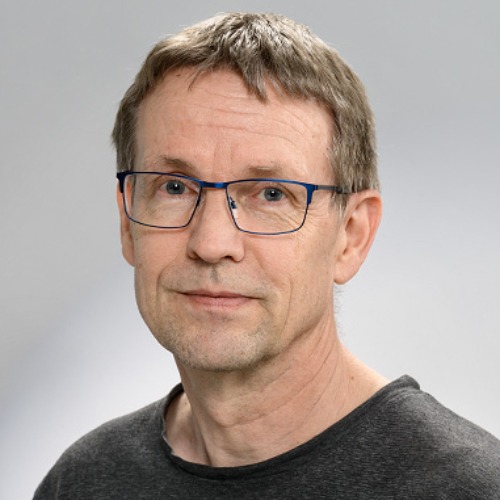
Shaju Jacob Pulikkotil is a tenured Professor at Rīga Stradiņš University (RSU), specializing in Oral Epidemiology and Biostatistics. With a PhD from the University of Madras and over two decades of teaching experience in dentistry, he bridges academic rigor with practical research. His work focuses on population-level studies in oral health, including case-control research on periodontitis in rural India and upcoming investigations into the Latvian oral microbiome. He actively contributes to public health strategies through grants secured for population studies, clinical trials, and stem cell research. Dr. Pulikkotil is passionate about education, offering courses on research methods and meta-analysis via Udemy, and serves as an academic coach fostering collaborative learning environments. His expertise spans statistical analysis techniques like network meta-analysis and systematic reviews. Beyond academia, he engages in cultural exchange through learning Latvian and exploring culinary traditions, embodying a lifelong learner’s ethos.
Dr Carolyn McIntyre is a Senior Lecturer at the School of Medical and Health Sciences, Edith Cowan University, affiliated with the Exercise Medicine Research Institute. Her research focuses on the role of exercise as medicine for cancer patients, particularly in lung cancer management and improving quality of life through physical activity interventions. Education: Master of Arts in Physical Education and Recreation, Canada (2005) Bachelor of Kinesiology with Honours (2002) Physical Education and Recreation (2011) Research Interests: Exercise interventions for cancer patients, including lung cancer and mesothelioma; physical activity determinants; and the impact of exercise on cancer survivorship. She explores how exercise improves outcomes such as muscle morphology, fatigue management, and quality of life in oncology settings. Grants & Awards: Recipient of National Cancer Institute of Canada Research Studentship Award (2008–2010) Alberta Heritage Foundation for Medical Research Studentship (2006–2009) Led projects totaling over $700,000 in grants, including studies on pleural diseases and exercise medicine. Labs & Collaborations: Collaborates with respiratory medicine and oncology teams at Sir Charles Gairdner Hospital and the Institute for Respiratory Health. Leads projects on pleural effusion management and exercise interventions for cancer patients.
Dr. Georgios Magkonis is a Senior Lecturer in Economics at the University of Portsmouth, affiliated with the Faculty of Business & Law and the School of Accounting, Economics and Finance. He holds a PhD in Economics from the University of Athens. His research focuses on monetary economics, applied macroeconometrics, and meta-analysis across economics and finance, with a particular interest in financial markets' shocks, central bank policies, and network analysis. He teaches modules in micro/macroeconomics, international finance, and econometrics, and is actively engaged in media commentary on his research topics. Dr. Magkonis’s work contributes to UN Sustainable Development Goals related to economic stability and global partnerships. His recent research explores international spillovers, oil price volatility, and Bitcoin market dynamics. He has collaborated on projects like the Women in STEM initiative, examining productivity and mobility in academic labor markets. His datasets, including studies on Eurozone inflation linkages and credit risk, are publicly accessible. Media coverage includes features in the LSE US-Centre and Latin America & Caribbean Centre.
Takaaki Kobayashi, MD, PhD, MPH is an Assistant Professor at the University of Kentucky in the Internal Medicine - Infectious Disease division. His academic focus spans infectious disease management, healthcare epidemiology, and AI applications in diagnostic medicine. Research Themes : Antibiotic optimization, vaccine efficacy, healthcare-associated infections, and AI-driven clinical decision support. Clinical Expertise : Complex infections (e.g., endocarditis, neurobrucellosis, mycotic aneurysms) and tropical diseases. Methodological Strengths : Systematic reviews, meta-analyses, and health economics modeling. His recent work examines mNGS applications , long COVID disparities , and SARS-CoV-2 reinfection dynamics . Publications emphasize diagnostic challenges, therapeutic biases, and pandemic response strategies.
Seppo Helisalmi is a Staff Scientist at the Institute of Clinical Medicine, School of Medicine, Faculty of Health Sciences, University of Eastern Finland. His research centers on neurodegenerative diseases, with a focus on Alzheimer's disease, frontotemporal dementia, and idiopathic normal pressure hydrocephalus. He employs genetic, metabolomic, and biomarker-driven approaches to investigate disease mechanisms and diagnostic strategies. Helisalmi's research interests span: Genetic Epidemiology : Genome-wide studies of Alzheimer's risk variants and their pathological implications. CSF Biomarkers : Validation of amyloid-β, tau, and TDP-43 as diagnostic and prognostic tools. Metabolic Dysregulation : Metabolite profiling in dementia progression and comorbidities like diabetes. His publications predominantly explore genetic and biomarker correlates of neurodegeneration. Recent works emphasize large-scale meta-analyses, population genetics in Finnish cohorts, and clinical trials (e.g., LipiDiDiet). A consistent focus is the interplay between genetic mutations (e.g., C9orf72 , SORL1 ) and biochemical pathways in dementia. He contributes to collaborative projects, including the Genome Center of Eastern Finland (GCEF) and UEF Brain Research Unit 2.0 , enhancing regional research infrastructure in neuroscience.
Yoon Loke is a Professor of Medicine & Pharmacology at the Norwich Medical School, University of East Anglia. He is affiliated with the Norwich Epidemiology Centre and Lifespan Health. His research focuses on adverse drug reactions, drug safety, and systematic reviews in clinical pharmacology. He holds academic qualifications including an MBBS (1990), MRCP (1993), and MD (2003). He leads the Module 13 (Emergency Care) for Year 5 medical students and chairs the NIHR HTA Elective and Emergency Specialist Care Panel. His research interests emphasize evaluating adverse effects of medications through meta-analyses, particularly in COPD therapies, thiazolidinediones, and inhaled drugs. He is a co-convenor of the Cochrane Adverse Effects Methods Group and has published extensively on drug safety methodologies. Awards include the Bruce Squires Award from the CMAJ (2011). Recent projects include optimizing sleep management in dementia patients and investigating anticholinergic drug risks. He has been widely cited in media for pandemic-related commentary, with extensive coverage in 2020. Grants: NIHR, Alzheimer's Society Teams: Cochrane Adverse Effects Methods Group, British Journal of Clinical Pharmacology editorial board Media Contributions: Over 950 media mentions in 2020 across global outlets
Mahmoud Amr, MD is an Assistant Professor in the Department of Internal Medicine at the University of Kentucky , specifically affiliated with the Internal Medicine - Hospital Medicine division. His work focuses on hematology, oncology, and cardiovascular medicine with a particular emphasis on malignant hematology, CAR T-cell therapy, and treatment outcomes in lymphoma patients. Research Focus: Dr. Amr's research spans hematology-oncology interfaces, including mantle cell lymphoma treatment regimens, CAR T-cell therapy efficacy, and managing complications like cytokine release syndrome. He also explores cardiovascular outcomes in acute coronary syndrome patients undergoing PCI, as well as infectious and surgical complications such as pylephlebitis and postoperative gastrointestinal issues. Article Trends: His publications highlight translational research in lymphoma treatment protocols, immunotherapy outcomes, and diagnostic challenges in rare conditions. Recent work emphasizes real-world data analysis and clinical practice improvements in hematologic malignancies. Awards/Grants: While specific awards are not listed, his affiliation with the University of Kentucky’s Gill Heart and Vascular Institute suggests potential collaborative research funding. No formal grants or student advisement details are provided in available texts. Labs/Teams: Active participation in multidisciplinary teams addressing complex cases in hematology, oncology, and critical care is indicated through his departmental affiliation and publication topics.
Michael S Harris, MD is an Associate Professor and Chief in the Department of Otolaryngology and Communication Sciences at the Medical College of Wisconsin. He maintains clinical practice at Froedtert Hospital, Children's Wisconsin, and the Zablocki VA Medical Center in Milwaukee, specializing in Otolaryngology and Neurotology with expertise in adult and pediatric hearing restoration and skull base disorders. His educational background includes: Doctor of Medicine (MD) from Medical College of Wisconsin (2009) Fellowship in Neuro-otology at The Ohio State University (2015-2017) Residency in Otolaryngology at Indiana University (2008-2015) Dr. Harris' research centers on speech perception in cochlear implant users, electrophysiologic monitoring during implant surgery, and vestibular/skull base disorders. His clinical work focuses on cochlear implants, bone-anchored hearing aids, brainstem implants, and surgical management of acoustic neuromas, Menière's disease, and facial nerve paralysis. He employs a team-based approach with audiologists and nurse practitioners to deliver personalized care through patient education and shared decision-making. Analysis of his 2024-2025 publications reveals dominant themes in cochlear implant outcomes (speech recognition, hearing preservation, rehabilitation), digital otoscopy innovation, Menière's disease therapeutics, and skull base tumor biomechanics. His collaborative research frequently involves multi-institutional teams addressing clinical prediction models, surgical techniques, and systematic reviews of hearing loss interventions. Dr. Harris serves as a board-certified specialist in Otolaryngology and Neurotology, treating patients across the lifespan from infants to seniors through clinics at Froedtert Hospital and Drexel Town Square Health Center. His practice philosophy emphasizes comprehensive assessment, clear communication of diagnoses in accessible terms, and ensuring patient comfort with treatment plans.
Anders Johan Nordahl-Hansen is a Professor at the Department of Education, ICT and Learning (PIL) at Østfold University College, leading the Development Learning and Psychological Processes (DeveLeP) research group. His work focuses on autism research, virtual reality interventions, and digital society applications for neurodevelopmental conditions. Head of Special Education section at Østfold University College PhD methodology course instructor Collaborations with Yale, Edinburgh, Karolinska, and UC Channel Islands Research spans autism-neurodiversity intersections , virtual reality social skills training , and internet-delivered depression treatments . Key projects include: Virtual reality interventions for autistic children Autism media representation analysis Internet-delivered ACT for depression Editorial roles include Frontiers in Digital Health and Acta Psychologica . Supervises PhD students in special education and autism research.
Patrick Broderick is a Lecturer in the Department of Social Sciences at Atlantic Technological University. His research focuses on evidence-based rehabilitation techniques for stroke patients and communication disorders. Broderick employs systematic reviews and meta-analyses to evaluate therapeutic interventions. His work examines: Motor function recovery through cross-education Complementary therapies like Pilates Sensory substitution for gait rehabilitation Minimally invasive treatments for vascular conditions His publications demonstrate consistent application of rigorous statistical methods to assess clinical outcomes. Research trends show strong emphasis on cost-effective interventions and quality-of-life metrics. He collaborates with multidisciplinary teams across healthcare fields but no specific labs or grants are detailed in available sources.
Mette Spliid Ludvigsen is Professor of Nursing Science at Nord University's Faculty of Nursing and Health Sciences, where she serves as Head of the PhD Program in Professional Science. With over 35 years of academic experience since her 1996 master's degree, she leads research initiatives focused on patient perspectives in transitional care across Norway and international collaborations. Her educational background includes a nursing degree (1987), Master of Nursing (1996), and PhD from Aarhus University (2009). This foundation supports her expertise in qualitative methodologies and nursing theory development. Ludvigsen's research centers on understanding user perspectives during transitions for patients with long-term illnesses, particularly examining person-centered care interventions through qualitative lenses. Her work integrates hermeneutic phenomenology with practical nursing applications, emphasizing patient participation in care transitions across diverse populations including neonates, adolescents, and older adults. Methodologically, she pioneers robust qualitative knowledge synthesis techniques including scoping reviews and meta-ethnographies. Her 15 most recent publications reveal a consistent focus on transitional care challenges, with growing emphasis on digital health interventions (eHealth for hemodialysis patients) and ethical dimensions of psychiatric care. Key trends include expanding qualitative evidence synthesis methodologies and cross-national collaborations addressing home death planning and chronic disease management. Member, European Academy of Nursing Sciences (FEANS) Scientific Committee Editorial Board Member, Global Qualitative Nursing Journal Research Group Member, 'Ethics, relationships and actions in nursing and health sciences' (Nord University) Ludvigsen actively supervises PhD and Master's students while leading the PRANSIT Research Group across Norway, Sweden, Faroe Islands, and Denmark. She currently co-advises a UK Medical Research Council-funded project (Better Methods Better Research, UKRI149) developing the PRISMA QES reporting guideline for qualitative knowledge summaries, demonstrating her international methodological leadership. Her research program maintains strong ties with clinical practice through collaborations with home care services and psychiatric residences. She directs Nord University's research infrastructure through the PhD program in Professional Science and coordinates the mandatory course PRO9014 on Professional Studies, while her 'Ethics, relationships and actions' research group provides the primary platform for her team's investigations into transitional care phenomena.
Marta Gerosa is a doctoral researcher at the Berlin School of Mind and Brain, affiliated with Humboldt-Universität zu Berlin and the Department of Neurology at the Max Planck Institute for Human Cognitive and Brain Sciences (MPI CBS) in Leipzig, Germany. She is a stipend-holder of the DAAD Research Scholarship and a member of the Mind-Body-Emotion research group. Academic Education: Doctoral candidate (2022–present), Berlin School of Mind and Brain (Humboldt-Universität zu Berlin & Charité – Universitätsmedizin Berlin) 2nd Level Degree in Biomedical Sciences (2019–2022), University School for Advanced Studies IUSS, Pavia, Italy M.Sc. in Psychology, Neuroscience and Human Sciences (2019–2021), University of Pavia & IUSS B.Sc. in Psychological Sciences (2016–2019), University of Pavia, Italy Her research focuses on bodily self-awareness, brain-body interactions, interoception, multisensory integration, sense of agency, decision-making, and post-stroke body representation disorders. She investigates how cardiorespiratory signals influence voluntary action and agency, methodological variability in interoception tasks, and neural mechanisms of emotion regulation and body ownership. Recent publications highlight her work in psychophysiology, methodological innovation, and clinical applications. She has contributed to systematic reviews on fear conditioning and meta-methods analyses of heartbeat counting tasks, alongside studies on neural asymmetry and graphic perseveration. Scientific Awards: DAAD Research Scholarship Marta also served as an academic tutor in Cognitive Neuroscience at the University of Pavia, Italy (2020–2022), teaching Basic Anatomy and Physiology of the Nervous System and Clinical Neuropsychology. She has participated in multiple research projects, including training at the Cognitive and Forensic Neuropsychology Lab, ASST Niguarda Hospital, Milan, and the ICoN Center in Pavia.
Dr. Supritha Aithal is a Senior Lecturer in Counselling and Psychotherapy & CAMH within the Faculty of Health, Social Care and Medicine at Edge Hill University. She holds a PhD from Edge Hill University (2020), focusing on dance movement psychotherapy for children with ASD and their caregivers, and is a Fellow of the Higher Education Academy (2019). Education: PhD: Contribution of Dance Movement Psychotherapy towards the Well-being of Children with ASD and their Caregivers (Edge Hill University, 2020) MA: Indian Classical Dance (Bharathidasan University, 2014) BSc: Speech Language Pathology and Audiology (University of Mysore, 2012) Her research focuses on arts-based interventions in healthcare, education, and community settings, with a particular emphasis on autism spectrum disorder (ASD), caregiver well-being, and systematic reviews. She has pioneered studies on dance movement psychotherapy’s role in enhancing mental health outcomes for marginalized groups. Key projects include investigations into digital psychotherapies for depression and arts-based interventions for workplace mental health. Her work contributes to UN Sustainable Development Goals related to education and mental health. Awards: American Dance Therapy Association Research Award (2022) Teaching: Leads modules in Contemporary Creative Approaches to Psychotherapy and previously contributed to Dance Education at Edge Hill’s Creative Arts Department. She collaborates internationally, co-editing the book Arts Therapies Research and Practice with Persons on the Autism Spectrum (2023), and engages in interdisciplinary research networks including Children and Young People Research Network and Inclusion, Diversity and Identity Research Network.
C. Sacerdote is an active researcher at the German Cancer Research Center (DKFZ), prominently contributing to the European Prospective Investigation into Cancer and Nutrition (EPIC) study, one of the largest cohort studies investigating the relationships between diet, lifestyle, environmental factors, and cancer incidence. With 194 publications documented in the DKFZ database, Sacerdote's work spans multiple areas of cancer epidemiology with particular focus on nutritional factors, socioeconomic determinants of health, and multimorbidity patterns. Research interests center on cancer epidemiology with emphasis on nutritional science, metabolic health, and public health implications of dietary patterns. Key areas include investigating how socioeconomic position influences multimorbidity of cancer and cardiometabolic diseases, examining the impacts of ultra-processed foods on environmental sustainability and health outcomes, and analyzing biomarkers related to cancer risk and progression. Recent work demonstrates particular expertise in studying food biodiversity, one-carbon metabolism nutrients, and the relationship between lifestyle factors and various cancer types including colorectal, prostate, breast, and ovarian cancers. The publication record shows consistent output with 10 papers already published or accepted in 2025 alone, indicating active ongoing research. These publications appear in high-impact journals including the Journal of Epidemiology and Community Health, Public Health Nutrition, International Journal of Cancer, and Cancer Epidemiology, Biomarkers & Prevention. Research methodology frequently employs prospective cohort designs, mediation analyses, and sophisticated statistical approaches to examine complex relationships between dietary patterns, biomarkers, and cancer outcomes across diverse European populations. While specific student mentorship information isn't available in the provided materials, the collaborative nature of the EPIC study suggests involvement in training junior researchers through this multinational consortium. The research has significant implications for public health policy regarding dietary recommendations, cancer prevention strategies, and understanding socioeconomic disparities in cancer outcomes.
Xenia Anastassiou-Hadjicharalambous is a Professor of Child Psychopathology at the University of Nicosia, Cyprus. She holds affiliations with the British Psychological Society, the American Psychological Association, and the European Brief Therapy Association. Her academic journey includes a BSc from Aristotle University (1994), MSc from Essex University (2000), and PhD from Glasgow Strathclyde University (2003). Her research focuses on empathy in conduct-disordered children, resilience-building interventions for at-risk youth, and pandemic mental health dynamics. She leads the ESTSS ADJUST Study, examining mental health trajectories across Europe during the COVID-19 crisis. Key areas include psychometric validation of mental health scales and longitudinal analysis of adjustment disorders. Dr. Anastassiou-Hadjicharalambous has contributed to 35+ peer-reviewed publications, with a focus on trauma, pediatric psychology, and crisis response. She serves on editorial boards of prominent psychology journals and advises on clinical interventions for OCD and PTSD. Her work bridges clinical practice and large-scale epidemiological studies, emphasizing culturally sensitive mental health frameworks.