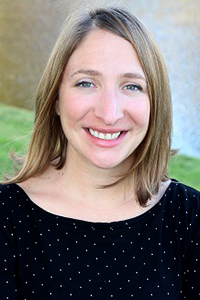
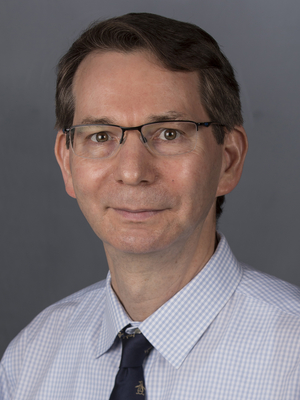
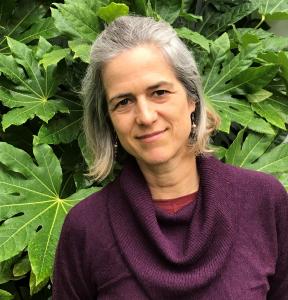
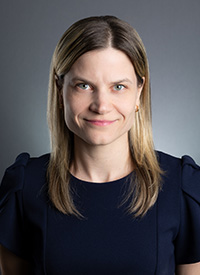
Dr Jessica Agnew-Blais is a Senior Lecturer in Psychology at Queen Mary University of London, affiliated with the School of Biological and Behavioural Sciences and the Centre for Brain and Behaviour. She can be reached at j.agnew-blais@qmul.ac.uk in Room 3.21 of the Fogg Building. Psychiatric epidemiology ADHD Women's mental health Developmental psychology Her research focuses on ADHD developmental trajectories across the lifespan, hormonal influences on women's ADHD functioning, and gene-environment interactions. Current projects include A Life Course Approach to Understanding ADHD Among Women (MRC-funded) and studies on gambling harms (GambleAware-funded). Recent publications examine: ADHD symptom decline trajectories Verbal memory impairments in ADHD Social isolation in ADHD populations Delayed ADHD diagnosis in women Covariate environmental factors in neurodevelopment She supervises PhD students Alexandria Bartley, Chiara Caserini, Anna Paul, and Amandine Sénéquier, and collaborates with researchers like Margherita Malanchini and Giorgia Michelini.
Professor Peter Catcheside is a distinguished sleep and respiratory physiologist at Flinders University's College of Medicine and Public Health, where he serves as a Full Member of both the Flinders Health and Medical Research Institute Sleep Health (formerly the Adelaide Institute for Sleep Health) and the Medical Device Research Institute within the College of Science and Engineering. Based in the Mark Oliphant Building's 6-bed sleep research facility in Bedford Park, South Australia, he maintains an active research program with over 265 research outputs spanning more than two decades. His primary research interests focus on obstructive sleep apnea, respiratory control mechanisms, arousal from sleep, environmental noise effects on sleep, upper airway neuromuscular control, cardiovascular disturbances related to sleep disorders, and circadian physiology. Professor Catcheside's work bridges clinical research with technical and computing expertise to investigate the mechanisms and consequences of disturbed breathing and sleep. His current research predominantly centers on improving treatments and diagnostic methods for sleep breathing disorders including obstructive sleep apnea, problem snoring, and central sleep apnea, as well as understanding how respiratory problems and environmental noise exposure affect sleep quality. Analysis of his 15 most recent publications reveals a strong emphasis on clinical applications of sleep research, with particular focus on sleep apnea diagnostics and treatment, cardiovascular consequences of sleep-disordered breathing, circadian rhythm analysis, and the relationship between sleep quality and various health outcomes including diabetes and athletic performance. His research employs sophisticated methodologies including polysomnography, advanced data modeling, and physiological measurements. Over 265 research outputs with consistent publication record through 2025 6877 total citations reflecting significant impact in the field 47 h-index demonstrating substantial scholarly influence Active supervision of students across multiple disciplines including Medicine, Physiology, Engineering, and Psychology Professor Catcheside has completed principal supervisions in Physiology (3) and associate supervisions across Medicine (3), Physiology (3), Engineering (2), and Psychology (1). His research program contributes to multiple UN Sustainable Development Goals, particularly in health and wellbeing. His work combines sleep and respiratory physiology measurements with circadian and cardiovascular physiology expertise to address complex questions in sleep medicine.
Professor Ami Eidels is a Professor in the School of Psychological Sciences at the University of Newcastle, Australia. She specializes in cognitive psychology with a focus on information processing models, cognitive workload, and human-machine interaction. Her research bridges theoretical cognitive science with applied settings, particularly in defense and industry contexts. Professor Eidels completed her PhD in Cognitive Psychology at Tel Aviv University under the supervision of Professor Daniel Algom. She then pursued post-doctoral training in Mathematical Psychology at Indiana University with Professor James Townsend before joining the faculty at the University of Newcastle. Her research program centers on understanding how humans process and combine information from multiple sources, with particular emphasis on how cognitive workload affects processing efficiency and system capacity. Professor Eidels and her team conduct laboratory experiments, develop cognitive models, and apply systems factorial technology to analyze human performance. A significant portion of her recent work focuses on human-human and human-bot team performance, examining how collaboration and competition affect cognitive efficiency in team settings. Her approach integrates cognitive modeling with machine learning techniques to scale up traditional laboratory findings to more complex, real-world scenarios. Analysis of Professor Eidels' recent publications reveals a strong focus on cognitive workload measurement and human-machine interaction. Her work demonstrates consistent application of systems factorial technology across diverse domains including visual search, numeral recognition, team performance, and interface design. A notable trend is the expansion of cognitive modeling approaches to examine team dynamics, particularly how humans interact with AI systems. Her research increasingly addresses practical applications in areas such as aviation safety, user interface design, and cognitive assessment in neurodevelopmental conditions. Professor Eidels actively supervises students and collaborates with researchers across disciplines. Her work with defense and industry partners indicates applied research with real-world implications for system design and human performance optimization. While specific grant details are not provided in the available information, her extensive publication record and collaborative projects suggest significant research funding support. Her laboratory work encompasses both traditional cognitive experiments and innovative applications of cognitive science to practical problems. The integration of cognitive modeling with real-world applications represents a distinctive feature of her research program, allowing theoretical insights to inform practical solutions for human performance challenges.
Jeffrey L. Winters is a Professor of Laboratory Medicine and Pathology at the Mayo College of Medicine . He serves as Chair of the Division of Transfusion Medicine and Associate Program Director of the Mayo Clinic Transfusion Medicine/Blood Banking Fellowship Program. As Medical Director of the Therapeutic Apheresis Treatment Unit (performing 3,000 annual procedures), his clinical leadership spans transfusion medicine, apheresis therapies, and blood banking operations. Education: MD (University of Kentucky College of Medicine, 1993, with High Distinction); Anatomic/Clinical Pathology Residency (University of Kentucky); Transfusion Medicine/Blood Banking Fellowship (Mayo Clinic, 1999) Certifications: American Board of Pathology (Anatomic Pathology, Clinical Pathology, Blood Banking/Transfusion Medicine) His research focuses on therapeutic apheresis applications , including: Immune modulation in cancer immunotherapy Coagulation profiles in infectious disease (e.g., COVID-19 convalescent plasma) Drug-induced thrombotic microangiopathies Autoimmune hemolytic anemia treatment protocols Recent publications highlight his work in plasma exchange for ICU patients and directed blood donation ethics. He leads the Mayo Clinic Enterprise Apheresis Working Group and chairs AABB Biotherapies Advisory Group. Scientific honors include: Mayo Clinic Excellence Through Teamwork Award (2022) Memorial Blood Centers Dr. Herbert F. Polesky Award (2021) Francis Morrison Award & Lecture (2019) Multiple Clinical Pathology Teacher of the Year awards (2005, 2009, 2011) He serves on the Board of Directors for AABB and as Editor-in-Chief for the Journal of Clinical Apheresis . His professional memberships encompass American Society for Apheresis (past president), College of American Pathologists, and American Association of Blood Banks.
Professor David Williams is a leading academic in Developmental Psychology at the University of Kent , serving as Acting Director of the Division of Human Social Sciences. His research bridges developmental psychopathology, autism spectrum disorder (ASD), and cognitive neuroscience. Research Interests include understanding the neuro-cognitive bases of ASD and specific language impairments, with a focus on Episodic and Prospective Memory Metacognition and Mindreading Inner Speech Mechanisms Comorbidity in Developmental Disorders Scientific Recognition includes the 2010 Young Investigator Award from the International Society for Autism Research. He has supervised numerous students, including Mahsa Barzy Katie Carpenter Louise Malkin on topics like humor production in ASD and referential communication. Key Grants highlight his leadership in major projects, such as an ESRC grant (£661,196, 2022-2025) on autism and gender incongruence, and a Leverhulme Trust grant (£225,482, 2015-2019) on self-in-fictional-worlds in ASD.
Braxton D. Mitchell is a Professor in the Department of Medicine at the University of Maryland School of Medicine, with secondary appointments in Epidemiology & Public Health. He serves as Vice Chair for Research in the Division of Endocrinology, Diabetes & Nutrition. Princeton University, B.A. in Psychology, 1978 University of Michigan, M.P.H. in Epidemiology, 1982 University of Michigan, Ph.D. in Epidemiology, 1987 University of Texas Health Science Center, Postdoctoral Fellowship in Epidemiology, 1991 Dr. Mitchell is a leading genetic epidemiologist with over 25 years of continuous NIH funding. His research focuses on the genetic architecture of cardiometabolic diseases (type 2 diabetes, cardiovascular disease, obesity), osteoporosis, osteoarthritis, and ischemic stroke, particularly in the Old Order Amish population. He integrates whole-genome sequencing, -omics data, and lifestyle interactions to identify rare genetic variants affecting disease risk. Dr. Mitchell's publications highlight his work on genetic variants (e.g., APOC3, ABCG8), cardiometabolic health , stroke genetics , and Amish population studies . His collaborations span the Stroke Genetics Network (SiGN), Osteoarthritis Initiative, and Amish Connectome Project. Klare Memorial Scholarship, University of Michigan (1982) Diabetes Epidemiology Training Grant, University of Michigan (1984-87) Modan Award (2000) Faculty Mentor Awards, University of Maryland School of Medicine (2006, 2011, 2012) Chairman’s Special Achievement Award, University of Maryland (2016) Dr. Mitchell mentors numerous students, fellows, and junior faculty, and leads or collaborates on NIH-funded projects totaling over $5 million in active grants. He co-directs genomics cores for the Mid-Atlantic NORC and Baltimore DRC and serves on scientific review boards for NIH and Walter Reed Medical Center.
Henri Tiedge, PhD , is a Professor at the Department of Physiology and Pharmacology within SUNY Downstate Medical Center . His research focuses on regulatory brain cytoplasmic (BC) RNAs , particularly their role in translational control mechanisms at neuronal synapses and their implications in neurological disorders and tumor biology . Institutional Affiliation: SUNY Downstate Medical Center (College of Medicine, Physiology and Pharmacology) Academic Rank: Professor Research Domains: RNA Biology, Synaptic Plasticity, Neurodegeneration, Oncology Dr. Tiedge investigates how BC1 and BC200 RNAs regulate local protein synthesis in dendrites through interactions with eukaryotic initiation factors (eIF4A/B) . His work demonstrates that BC RNA dysregulation leads to neuronal hyperexcitability , epileptogenesis , and cognitive dysfunction , with therapeutic applications in neuropsychiatric lupus using RNA decoys. He also explores BC RNA expression in germ cells and tumors , aiming to develop diagnostic/prognostic tools for cancer. Key publications include studies on RNA transport via hnRNP A2 and Purα , autoantibody-induced RNA displacement , and cross-talk between BC RNAs and FMRP in fragile X syndrome. His work has been supported by NIH grants NS046769 and DA026110 .
Dr. Gayathri Pandey is an Assistant Professor in the Department of Psychiatry & Behavioral Sciences at SUNY Downstate Health Sciences University. She specializes in social neuroscience, focusing on the interplay between social relationships, brain function, and mental health across the lifespan, with a particular emphasis on alcohol use disorders and resilience mechanisms. NIH-sponsored TRANSPORT fellowship recipient First PRODiG faculty in Psychiatry & Behavioral Sciences K01 award from NIA/NIAAA Co-investigator on multiple R01 and U01 grants Her research integrates biopsychosocial approaches to examine familial risk factors, neurocognitive biomarkers, and social-environmental influences on mental health. She has received recognition for her work on parent-child bonding's protective role in neurocognitive health among high-risk offspring, featured in Psychology Today , Neuroscience News , and the Thriving Minds podcast. Dr. Pandey's interdisciplinary training spans clinical psychology, neuroscience & education, and social & personality psychology. She employs advanced neuroimaging techniques, polygenic risk scores, and machine learning to analyze developmental trajectories of resilience and risk in substance use disorders. Principal Investigator for K01-AA030610 (2024-2029): Interplay of parenting, genetics, and brain function in alcohol use disorder Co-Investigator for COGA (Collaborative Study on the Genetics of Alcoholism) and other NIH-funded projects
Jacquelyn L. Meyers is an Associate Professor of Psychiatry at SUNY Downstate Health Sciences University, where she leads research at the Henri Begleiter Neurodynamics Laboratory within the Department of Psychiatry and Behavioral Sciences. She serves as Project Leader for the Collaborative Study on the Genetics of Alcoholism (COGA)'s Brain Function project and holds leadership roles in the Psychiatric Genomics Consortium (Substance Use Disorder-PTSD) and ENIGMA-EEG working group. Postdoctoral Research Fellowship (Psychiatric Epidemiology), Columbia University Ph.D. (Human and Molecular Genetics), Virginia Institute of Psychiatric and Behavioral Genetics, Virginia Commonwealth University B.S. (Psychology), Florida State University Meyers has developed an interdisciplinary research program examining the confluence of psycho-social risk, genetic, and neurodevelopmental factors for substance use and psychiatric disorders in diverse populations. Her work integrates epidemiology, genomics, and neurocognitive markers of addiction, with particular focus on how polygenic risk scores interact with environmental factors like trauma exposure. She has pioneered studies on polygenic risk score x trauma interactions in substance use disorders and has published extensively in high-impact journals including Molecular Psychiatry, JAMA Psychiatry, and JAACAP. Meyers' publication record demonstrates a clear trajectory from foundational genetic studies of alcohol use disorder toward increasingly sophisticated integrative approaches that combine genomic data with neurophysiological measures (particularly EEG), clinical assessments, and environmental factors. Her recent work focuses on the genetic comorbidity between PTSD and substance use disorders, leveraging large-scale genomic data to identify shared biological pathways. K01 award (NIDA) NARSAD Early Investigator award (Brain and Behavior Foundation) Multiple R01 grants from NIH (NIAAA, NIDA and NIMH) Meyers has successfully mentored numerous researchers through her role as Principal Investigator on multiple NIH-funded projects. Her current research portfolio includes significant investigations into how the COVID-19 pandemic has impacted substance use behaviors among individuals with alcohol use disorder, with particular attention to genetic and neural vulnerabilities. She leads several projects that integrate social determinants of health with biological markers to better understand substance use disorder trajectories. Meyers directs the Henri Begleiter Neurodynamics Laboratory, which employs advanced neuroimaging, electrophysiological, and genomic techniques to investigate the neural mechanisms underlying addiction. Her team collaborates extensively with the COGA consortium and other large-scale genomic initiatives to identify biological markers that can inform prevention and treatment strategies for substance use disorders.
Jonathan Perk, MD, PhD, serves as Clinical Associate Professor of Neurology and Neurology Residency Program Director at Maimonides Medical Center, specializing in Neuromuscular Medicine with board certifications from ABPN (Neurology and Neuromuscular Medicine) and AANEM (EMG/electrodiagnostic medicine). His academic credentials include: Medical Degree: Hebrew University of Jerusalem PhD in Genomic Imprinting and Gene Regulation: Hebrew University of Jerusalem Research Fellowship in Stem cells and tumorigenesis: Memorial Sloan-Kettering Cancer Center Residency: New York Presbyterian Hospital and Weill Cornell Medical College Fellowship in EMG/Neuromuscular Medicine: Columbia Presbyterian Hospital Dr. Perk's research concentrates on neuromuscular disorders and electrodiagnostic techniques (EMG), with clinical expertise spanning diagnostic and therapeutic applications in peripheral nerve and muscle diseases. As Residency Program Director, he oversees comprehensive training for neurology residents while maintaining active patient care at Maimonides Medical Center. Fluent in Hebrew and Spanish, he integrates multilingual capabilities into patient care and medical education. His dual MD/PhD background informs a translational approach to neuromuscular disorders, bridging genomic research with clinical practice.
Jon M. Houck is an Associate Professor of Translational Neuroscience at the University of New Mexico and a Research Associate Professor at the Center on Alcoholism, Substance Abuse, and Addictions (CASAA) . His work integrates neuroimaging (MEG, fMRI) with behavioral therapy to study mechanisms of behavior change in substance use disorders and schizophrenia . Dr. Houck has developed MEG-based neuroimaging protocols to investigate motivational interviewing efficacy and neuromodulation for alcohol treatment. Research Interests : Translational neuroscience, neurobiological mechanisms of behavior change, neuroimaging (MEG/fMRI), psychotherapy process research, substance use disorders, schizophrenia, neuromodulation. Publications : 15+ peer-reviewed articles spanning 2015–2024, focusing on motivational interviewing , brain connectivity in schizophrenia, adolescent addiction , and neuroimaging methods . Contributions : Pioneering dynamic functional network connectivity analysis in schizophrenia, client language modeling for addiction treatment outcomes, and test-retest reliability assessments in clinical populations. Affiliation : University of New Mexico, CASAA, with collaborations across neuroimaging , addiction science , and clinical psychology disciplines.
Dr. Thomas Pollak is a Senior Clinical Lecturer at the Institute of Psychiatry, Psychology and Neuroscience (IoPPN) at King's College London and an Honorary Consultant Neuropsychiatrist at South London and Maudsley NHS Foundation Trust. He has been affiliated with King's since 2004 and has held his current academic position since 2015. Pollak is a leading researcher in immunopsychiatry, with a focus on autoimmune encephalitis and its psychiatric manifestations, and co-runs a specialized clinic for patients with autoimmune neurological disorders at King's College Hospital. Dr. Pollak completed his academic training with a BA in Psychology from Corpus Christi College, University of Oxford, followed by an MBBS in Medicine from King's College London. He obtained his MRCPsych certification from the Royal College of Psychiatrists and completed an MSc in Clinical Neurology from University College London. His diverse educational background spanning psychology, medicine, psychiatry, and neurology uniquely positions him at the intersection of these fields. Dr. Pollak's primary research interests lie at the intersection of immunology and psychiatry, with specific focus on autoimmune encephalitis, particularly as it manifests as psychosis. He investigates the neuroimmunological basis of psychiatric disease, with emphasis on autoantibodies that cause autoimmune encephalitis. His work aims to improve early detection of autoimmune psychosis and elucidate brain mechanisms by which immune responses produce neuropsychiatric symptoms. He also studies immunological effects of psychotropic drugs, mental illness risk factors on immune function, infections in psychiatry, long COVID mechanisms, glutamatergic abnormalities in psychosis, and organic presentations in neuropsychiatry. Recently, he has developed research interests in the neuroscience and phenomenology of meditation and contemplative practices. Analysis of Dr. Pollak's recent publications reveals a strong emphasis on autoimmune mechanisms in psychiatric disorders, particularly focusing on autoimmune encephalitis and its psychiatric manifestations. His work spans clinical studies, systematic reviews, and innovative methodological approaches to understanding the immune-psychiatry interface. A significant portion of his recent work addresses the neuropsychiatric sequelae of COVID-19, reflecting the pandemic's impact on research priorities. His publications demonstrate interdisciplinary collaboration across psychiatry, neurology, immunology, and rheumatology, highlighting the transdisciplinary nature of modern immunopsychiatry research. Wellcome Trust Clinical Research Fellowship (2015) NIHR Clinical Lectureship (2019) Dr. Pollak actively mentors trainees and students, serving as a personal/pastoral tutor and dissertation supervisor on the MSc Clinical Neuropsychiatry program. He has led the King's Neuropsychiatry Meetings since 2015, described as the world's largest such seminar series. His grant portfolio includes the Wellcome Trust-funded Immune Mechanisms of Antipsychotic Treatment Response (IMAT) study, where he serves as co-Investigator and clinical lead. He also leads or co-leads several other research projects including ADAPT (investigating exercise interventions for rheumatology patients), a Rosetrees Trust project on long-COVID-19's effects on the brain, and the COPE-EMBRACE project on coping with stress after encephalitis. Dr. Pollak co-leads the King's Neuropsychiatry Research and Education Group (NREG) with Dr. Tim Nicholson, which serves as an interdisciplinary platform for neuropsychiatry research. He has established and co-runs a joint multidisciplinary clinic at King's College Hospital dedicated to assessing and managing patients with autoimmune encephalitis and other CNS autoimmune disorders, as well as a neuropsychiatry-led long COVID clinic. His research group employs neuroimaging and neuroimmunological methods to characterize the significance of autoantibodies in psychiatric conditions, with the ultimate goal of improving clinical recognition and outcomes for patients with immune-mediated neuropsychiatric disorders.
Melissa Redford is a Professor in the Department of Linguistics at the University of Oregon's College of Arts and Sciences. Her research focuses on suprasegmental sound patterns, speech planning and production, and child language acquisition. She leads the Spoken Language Research Laboratories (SLRL) at the University of Oregon, where she investigates the developmental aspects of speech motor control and prosodic structure. University: University of Oregon School: College of Arts and Sciences Department: Department of Linguistics Email: redford@uoregon.edu Dr. Redford's research program aims to develop a psychologically-plausible and biologically-sensible framework for understanding spoken language production. Key areas include the acquisition of articulatory timing skills, the relationship between phrase-level representations and planning processes, and the coordination of language and breathing during speaking. Her work challenges existing theories by emphasizing the developmental structuring of linguistic representations. Analysis of her recent publications reveals ongoing focus on prosodic development, coarticulation, and speech motor control across child and adult speech. Themes include the role of cognitive load in speech production, cross-linguistic rhythm acquisition, and the integration of acoustic theories with perceptual and motor processes. She employs methods ranging from computational modeling to audiovisual speech analysis. As an advisor, Dr. Redford oversees graduate student research in the Department of Linguistics. She also contributes to the University of Oregon's academic community through her leadership of the Spoken Language Research Laboratories, which employs interdisciplinary approaches to studying speech production and perception.
Karolina M. Lempert serves as Assistant Professor in the Psychology Department at Adelphi University's Gordon F. Derner School of Psychology. Her research investigates decision-making mechanisms using neuroimaging, pupillometry, behavioral experiments, and computational modeling, with emphasis on how memory and emotion influence choices between immediate and delayed rewards. Her educational background includes a Ph.D. in Psychology from New York University (2016) and a B.A. in Psychology from Harvard University (2009). Dr. Lempert's research focuses on temporal discounting and intertemporal choice , examining how episodic memory and emotional states impact decisions involving trade-offs between smaller immediate and larger delayed rewards. Her work bridges cognitive neuroscience and behavioral economics, with significant implications for understanding psychiatric conditions like addiction and OCD. She employs innovative methodologies including pupillometry and computational modeling to uncover neural mechanisms underlying decision processes across diverse populations. Analysis of her 15 most recent publications (2017-2024) reveals concentrated research on temporal discounting across clinical populations (OCD, addiction, anxiety disorders) and aging cohorts. Her work demonstrates consistent integration of neurocognitive methods with behavioral paradigms, showing how memory systems modulate reward valuation. Key trends include cross-national clinical studies, aging-related cognitive decline investigations, and stress-decision interaction analyses. Her scientific honors include: Association for Psychological Science Rising Star Award (2021) Ruth L. Kirschstein National Research Service Award Fellowship (2017) Douglas H. & Katharine Fryer Thesis Fellowship (2016) National Science Foundation Graduate Research Fellowship (2013) Dr. Lempert actively supervises doctoral students through thesis committees and the Emerging Scholars Program. She serves on the Research Standards and Neuroscience Committees at Derner School of Psychology, chairs the Scholarship & Creative Works Conference Committee, and holds leadership roles including Board Member of the Society for Neuroeconomics (2022-2025) and Program Committee Chair for their conference (2023-2025). Her Lempert Lab conducts cutting-edge research on decision neuroscience with significant international collaborations like the Global OCD Study.
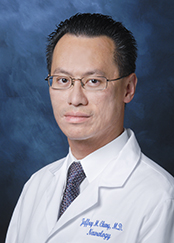
Jeffrey M. Chung, MD, FAAN is an Associate Professor of Neurology at Cedars-Sinai Medical Center. He serves as Director of both the Epilepsy Program and the Neurophysiology Laboratory since 2013. His clinical practice focuses on epilepsy and neurophysiology, with 26 years of experience in neurology and clinical neurophysiology. Northwestern University Medical School (1999) - MD Evanston Hospital (2000) - Internship UCLA (2003) - Residency UCLA (2005) - Fellowship Dr. Chung's research explores epilepsy mechanisms, neural signal processing , multi-modal probabilistic mapping for surgical outcomes, and device-oriented therapies . His recent publications focus on theta phase precession in memory , single-neuron correlates of seizures , and neuroimaging in post-stroke conditions . He leads clinical trials on novel anti-seizure agents and neuromodulation techniques. Circle of Friends – Grateful Patient Donation Honoree (Cedars-Sinai) Southern California Super Doctors (Los Angeles Magazine) Falks Medical Scholar (Arthritis Foundation) Golden Apple Teaching Award (Cedars-Sinai) Dr. Chung directs the Epilepsy Program and Neurophysiology Laboratory at Cedars-Sinai, while also mentoring through journal clubs and clinical teaching. He has received multiple industry grants from companies like Marinus Pharmaceuticals and Vertex Pharmaceuticals for trials on treatment-resistant epilepsy. His work bridges clinical care with neurophysiological research and advanced neural signal processing .