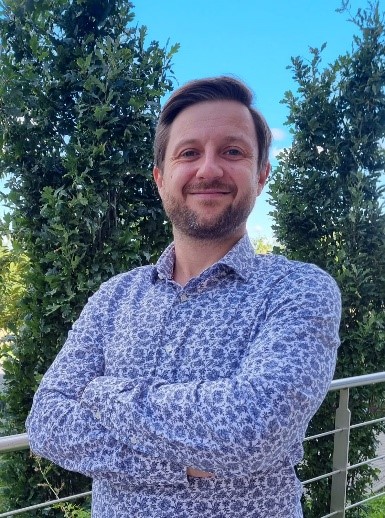
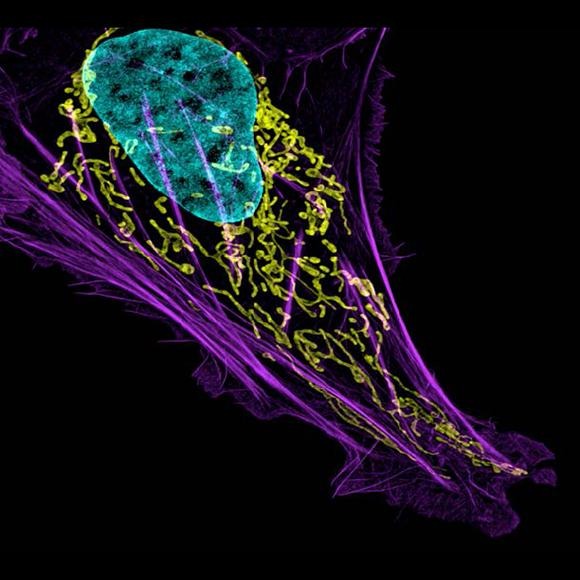
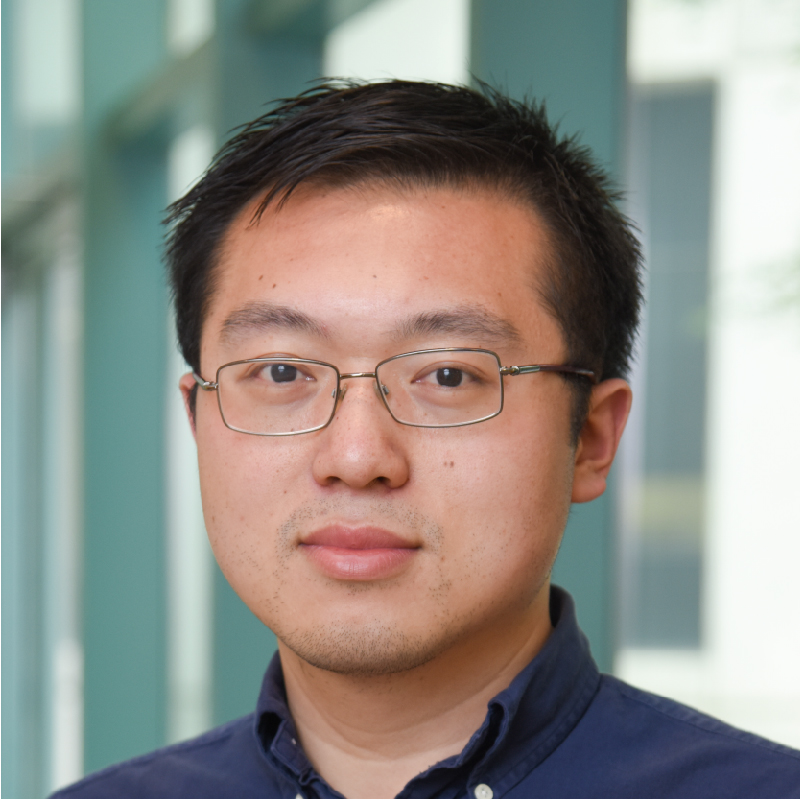
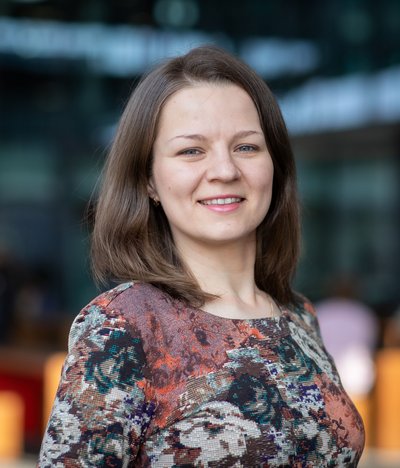
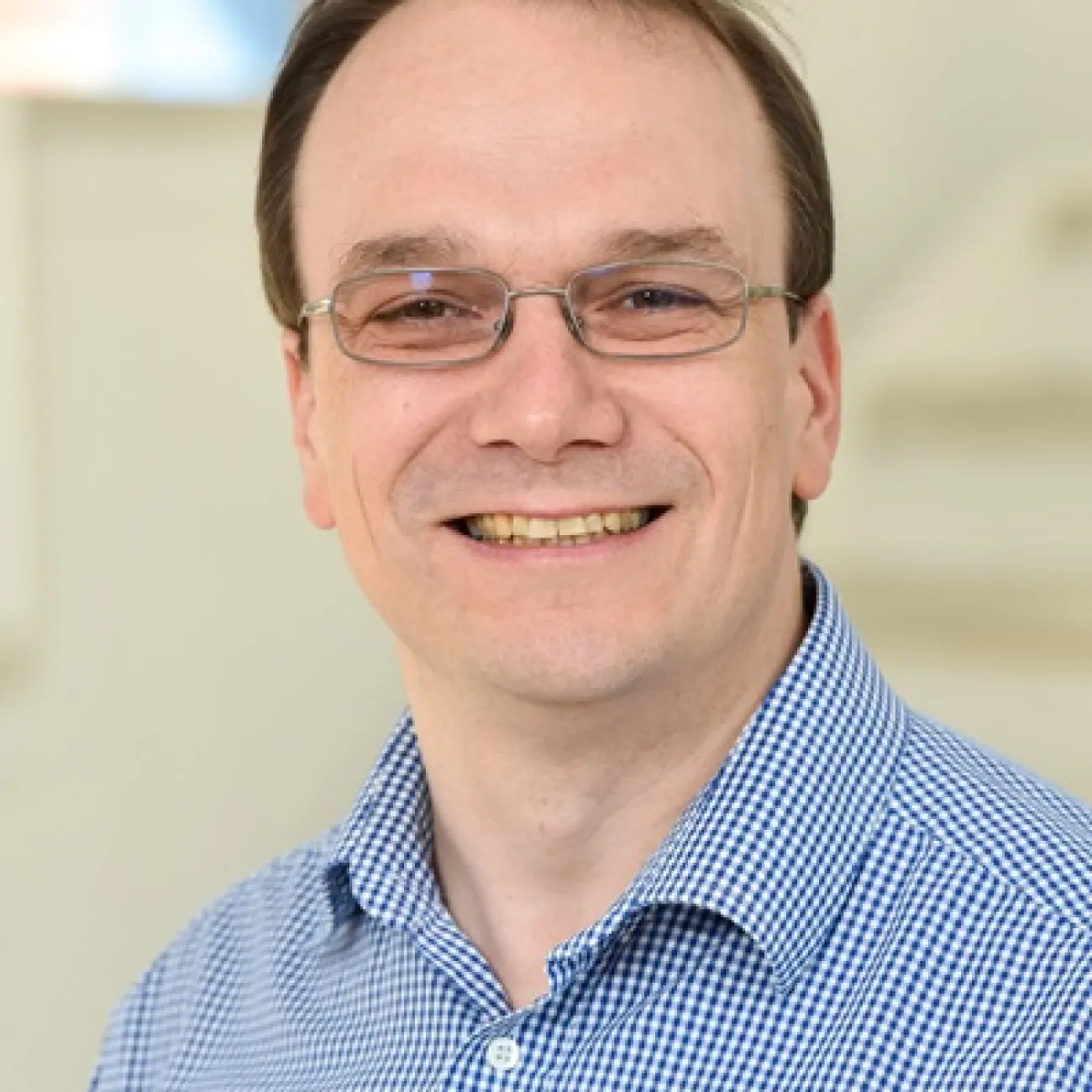
Dr David Gershlick is a Sir Henry Dale Fellow and Principal Investigator at the Cambridge Institute for Medical Research (CIMR), University of Cambridge, specializing in secretory pathway machinery within the Department of Clinical Biochemistry. His research investigates cellular compartmentalization mechanisms and their critical role in neurodegenerative disorders. His work centers on Membrane Trafficking , Organelle Biology , and Rare Genetic Diseases , examining how protein sorting defects cause Parkinson's and Alzheimer's diseases. Utilizing subcellular proteomics, single-molecule tracking, and genetic models, his lab explores vesicular trafficking, lysosomal dynamics, and adaptor complex functions across cancer, metabolic disorders, and neurodegeneration. Analysis of recent publications reveals dominant themes in Rab GTPase regulation, amyloid processing, and phase separation in secretory granule formation. His research bridges fundamental cell biology with translational insights into disease mechanisms, particularly highlighting trafficking defects in prostate cancer and leptin secretion deficiencies. Dr Gershlick holds the prestigious Sir Henry Dale Fellowship and receives major funding from the Wellcome Trust and Royal Society. Sir Henry Dale Fellowship He supervises PhD students and leads a research team including Eleanor Fox, Marie Pereira, Daniele Stalder, and Georgia Miller. His laboratory at CIMR leverages advanced microscopy and proteomics facilities to investigate membrane trafficking pathways, with consultancy services available for industry partnerships. Based at the Cambridge Institute for Medical Research, his group operates within CIMR's strategic themes of Membrane Trafficking and Organelle Biology, utilizing core facilities for flow cytometry, super-resolution microscopy, and structural biology to advance understanding of cellular organization in health and disease.