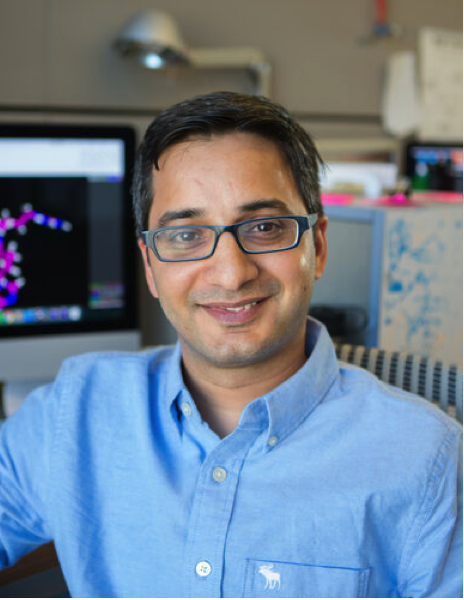
Gaurav Bhardwaj is an Assistant Professor in the Department of Medicinal Chemistry at the University of Washington School of Pharmacy. He is affiliated with the Institute for Protein Design and leads the Bhardwaj Lab, focusing on computational and experimental tools for peptide-based therapeutics. Education: B.Tech in Biotechnology, GGS Indraprastha University, Delhi PhD in Integrative Biosciences, Pennsylvania State University Postdoctoral work at University of California, Davis and University of Washington, Seattle His research spans computational peptide design , structural biology , and drug discovery , targeting challenges in membrane permeability , oral bioavailability , and blood-brain barrier traversal . Current projects address antibiotic resistance, chronic pain, and neurodegenerative disorders. Recent publications highlight de novo macrocycle design , AlphaFold-based modeling , and cyclic peptide libraries , emphasizing computational methods and deep learning applications in drug design. His work integrates molecular biophysics and structural validation to enhance therapeutic efficacy. The Bhardwaj Lab promotes diversity and offers opportunities for undergraduate researchers, graduate students, postdoctoral fellows, and technicians, with a focus on interdisciplinary collaboration at the interface of chemistry, biology, and computational sciences.
Ana Marcela serves as an Assistant Professor in the Department of Agrochemistry and Environment at Miguel Hernández University of Elche, Spain. She conducts research within the Structure-function relationships in membrane proteins group at the Ion Channels: Structure & Function Laboratory (Lab 2.9), focusing on biophysical characterization of membrane proteins and ion channels. Her research spans Membrane Proteins, Ion Channels, Biophysics, Biochemistry, Lipid-Protein Interactions, and Structural Biology. She employs advanced fluorescence methodologies including homo-FRET, time-resolved spectroscopy, and equilibrium binding studies to investigate conformational dynamics in potassium channels (particularly KcsA), lipid modulation of channel function, and intrinsically disordered proteins like NUPR1 and PADI4. Her work bridges fundamental biophysics with cancer biology through studies of lipid-enzyme interactions. Analysis of her 2021-2025 publications reveals consistent focus on ion channel dynamics, with particular emphasis on selectivity filter mechanisms, gating cycles, and lipid-protein interactions. Key themes include pH-induced conformational changes in potassium channels, anionic phospholipid effects on channel inactivation, and biophysical characterization of cancer-related enzymes like PADI4 using structural and biochemical approaches. No scientific awards were mentioned in the provided information. No information regarding student advisees or research grants was provided in the source material, though her active teaching role in pharmacy programs indicates ongoing academic supervision responsibilities. She maintains active research operations within the Ion Channels: Structure & Function Laboratory (Lab 2.9), collaborating with the Structure-function relationships in membrane proteins research group while utilizing specialized fluorescence methodologies for membrane protein characterization.
Dr. Jonas Biehler is a Research Fellow at the Chair of Numerical Mechanics within the Institute for Computational Mechanics at the Technical University of Munich (TUM). His work focuses on computational methods for biomechanical systems, with expertise in uncertainty quantification, high-performance computing, and machine learning applications in respiratory and cardiovascular modeling. Education: PhD in Mechanical Engineering, Technical University of Munich, 2016 His primary research spans Computational Biomechanics, Computational Solid Mechanics, and Experimental Biomechanics, with specialization in Inverse Problems and Uncertainty Quantification. He integrates High-performance parallel computing with Machine Learning and Bayesian Optimization to advance Respiratory Mechanics and Semantic Segmentation of medical images. His methodologies address complex challenges in patient-specific modeling where experimental validation is constrained. Analysis of his 2021-2025 publications reveals dominant themes in respiratory system modeling (35%), uncertainty quantification frameworks (30%), and cardiovascular biomechanics (25%). Key trends include the development of open-source tools like QUEENS for solver-independent analyses, physics-informed machine learning for drug delivery optimization, and multi-fidelity approaches that reduce computational costs by 40-60% in large-scale simulations. His work increasingly bridges computational models with clinical applications in ARDS and pulmonary fibrosis. No scientific awards were documented in the provided materials. Dr. Biehler has supervised 15+ student projects with emphasis on methodological innovation and experimental validation: Deep Neural Networks as Surrogate Models for Uncertainty Quantification Multi-Level Monte Carlo Schemes for Uncertainty Quantification Experimental and Numerical Analysis of Nonlinear Anisotropic Polymer Membranes Uncertainty Quantification for Human Respiratory System Models Biaxial Measurement of Porcine Aorta Mechanical Properties He operates within the LNM (Lehrstuhl für Numerische Mechanik) research ecosystem at TUM, which maintains high-performance computing clusters and biomechanics testing facilities. The group collaborates extensively with clinical partners at Klinikum rechts der Isar on translational projects involving abdominal aortic aneurysms and respiratory mechanics, with current efforts focused on integrating real-time patient data into computational frameworks.
Chiara Zurzolo, MD PhD, is a Professor and heads both the Membrane Trafficking and Pathogenesis Unit and the Department of Cell Biology and Infection at the Institut Pasteur in Paris. She began her academic career in 1995 as a Professor of Cell Biology at Naples University Federico II, where she also graduated, before moving to the Institut Pasteur in 2003. Dr. Zurzolo's research has made seminal contributions to understanding protein trafficking mechanisms and neurodegenerative diseases. Her laboratory uncovered the intracellular site of prion conversion and demonstrated that prion dissemination occurs through Tunneling Nanotubes (TNTs), a novel mechanism of direct intercellular communication. She has further proposed that TNTs play a critical role in the spreading of various amyloidogenic proteins in the brain, making them a potential therapeutic target for neurodegenerative diseases. Her work focuses on several key areas: the mechanism of sorting of GPI-anchored proteins in polarized cells, the role of TNTs in neurodegenerative disease progression, and the involvement of TNTs in tumor networking and therapy resistance. Her research integrates advanced microscopy techniques, proteomics, and cell biology approaches to unravel the structure and function of TNTs both in vitro and in vivo. Dr. Zurzolo's publication record demonstrates consistent leadership in the field of intercellular communication through tunneling nanotubes. Her recent work has expanded to include applications in viral spread (including SARS-CoV-2), cancer biology, and developmental processes. The interdisciplinary nature of her research connects cell biology, neuroscience, and pathology, with implications for understanding and treating multiple disease conditions. Proteomic analysis of tunneling nanotubes structure and regulation Mechanisms of GPI-anchored protein sorting in polarized epithelial cells Role of lysosomes in the transfer of pathological protein aggregates through tunneling nanotubes Tunneling nanotubes in tumor networking, heterogeneity, and therapy resistance Dr. Zurzolo leads a multidisciplinary research team including postdoctoral fellows, PhD students, and research engineers who contribute to her various projects. Her laboratory has developed innovative tools such as CellWalker, a computational pipeline for morphological analysis of microscopy images, demonstrating her commitment to methodological advancement alongside biological discovery.
Christopher Goodchild, Ph.D., serves as Associate Professor in the Biology Department at the University of Central Oklahoma, where he joined in 2020 following a postdoctoral position at Virginia Tech. His research integrates molecular physiology with whole-organism ecology to assess environmental contaminant impacts. His educational background: Ph.D. in Integrative Biology, Oklahoma State University (2019) M.S. in Marine Sciences, University of New England (2014) B.S. in Zoology and Biomedical Sciences, University of Oklahoma (2011) As an ecotoxicologist and ecological physiologist, Dr. Goodchild investigates links between molecular stress responses and fitness-related traits using interdisciplinary approaches spanning cellular physiology, bioenergetics, immunology, and behavior. His work primarily focuses on avian and aquatic systems exposed to contaminants like crude oil, triclosan, and lead, with emphasis on developing biomarkers for ecological hazard assessment. Analysis of his 2015-2020 publications reveals consistent investigation of contaminant effects across taxa, with strong emphasis on avian models (particularly zebra finches) and freshwater mussels. Key themes include biomarker development for oxidative stress, disruption of immune function by petroleum compounds, and behavioral-physiological trade-offs in energy allocation under environmental stress. Dr. Goodchild's scientific awards are not specified in the provided information. He maintains an active undergraduate mentoring program with demonstrable success: Jeff Krall: Accepted into University of Colorado Biochemistry PhD program Taryn Smith: Presented research at Society of Integrative and Comparative Biology conference K. Grisham & L.M. Schmidt: Published as undergraduate co-authors on multiple papers His mentees have transitioned successfully into molecular biology, veterinary medicine, and healthcare graduate programs. While specific grants aren't detailed, his active research program on contaminants suggests ongoing external funding. Dr. Goodchild leads the Ecotoxicology and Wildlife Physiology lab, which employs integrative methodologies to study how environmental stressors impact wildlife physiology and behavior across multiple biological scales.
Mattias Sköld serves as an Adjunct Lecturer at Karolinska Institutet's Department of Neuroscience and Associate Professor of Neurosurgery at Uppsala University, concurrently functioning as Senior Consultant Neurosurgeon at Akademiska Sjukhuset Uppsala and Senior Researcher in Neuroscience. His academic credentials include: M.D. from Karolinska Institutet (2003) Ph.D. in Neuroscience from Karolinska Institutet (2004) Medical Internship at Karolinska University Hospital (2004-2006) Neurosurgery residency at Akademiska Sjukhuset Uppsala (2006, 2012-2019) Sköld's research investigates traumatic nervous system injuries through methodologies ranging from in vitro cavitation models to animal studies, with military medicine applications forming a critical focus. His work examines blast-induced trauma mechanisms, neural regeneration pathways, and molecular responses to high-energy injuries, particularly emphasizing VEGF signaling and inflammatory cascades in neural repair processes. Analysis of his 15 most recent publications reveals consistent exploration of blast injury modeling frameworks, peripheral nerve regeneration techniques using biomaterials, and temporal gene expression patterns following neural trauma across military and civilian contexts. No scientific awards are documented in the provided materials. He supervises Ph.D. students in both basic neuroscience and clinical neurosurgery domains. Current research is supported by Swedish Research Council grants including "Novel strategies for nervous tissue regeneration" (2020-2023) and previously "Targeted anti-inflammatory treatment in traumatic brain injuries" (2009-2010). Sköld leads Karolinska Institutet's Experimental Traumatology Research Unit and contributes to multiple NATO human factors and medicine task groups focused on brain injury modeling standards and combat casualty care performance metrics.
Nils Joakim K. Færgeman is a Professor and director of the molecular metabolism and metabolomics unit at the Department of Biochemistry and Molecular Biology, University of Southern Denmark. He has held this position since 2012, following his promotion from Associate Professor (2003-2012) and Research Assistant Professor (2000-2003) at the same institution. His educational background includes: Ph.D. degree in molecular and cellular biology from Odense University (1997) "Organization and Leadership" from University of Southern Denmark (2002) "Project Strategies and Leadership" from University of Southern Denmark (2003) Pedagogical training course (adjunktpædagoikum) from University of Southern Denmark (2003) Research leadership-education from Copenhagen Business School (2006-2007) Professor Færgeman's research focuses on how metazoans sense environmental and genomic alterations and adapt their metabolism to maintain cellular homeostasis, promote survival, and achieve balanced growth. His work spans lipid metabolism, systems biology, endocrine diseases, obesity research, and molecular mechanisms of metabolic regulation. His laboratory employs a multidisciplinary approach combining genomics, proteomics, and metabolomics to uncover novel metabolic regulatory mechanisms, with particular emphasis on lipid-related pathways and their implications for human health. His recent scholarly output demonstrates a strong focus on metabolic regulation, particularly in the context of obesity, diabetes, and lipid metabolism. His work frequently examines the molecular mechanisms underlying metabolic adaptation, with increasing attention to translational applications of basic metabolic research. His notable recognition includes: Best Teacher Award, Science Faculty, University of Southern Denmark (2009) 2nd Best Poster, Danish Society for Neuroscience Annual Meeting (2018) Professor Færgeman has extensive experience supervising students, having served as principal supervisor since 2003 for 4 postdocs, 14 PhD students, 19 MSc students, and 38 BSc students. His research has been consistently funded since 2003 through multiple grants from The Danish Research Councils, Novo Nordisk Foundation, Carlsberg Foundation, Danish Diabetes Association, and the Lundbeck Foundation. He has participated in numerous large research consortia funded by The Danish Council for Strategic Research, NordForsk, and NIH. He directs the molecular metabolism and metabolomics unit at the Department of Biochemistry and Molecular Biology, which employs systems biology approaches to investigate metabolic regulation. His research group maintains active collaborations with institutions across Denmark and internationally, particularly in the Nordic region, focusing on lipid research, metabolomics, and metabolic disease mechanisms.
Dr. Ayan Mukherjee (Assistant Professor Grade I) is affiliated with the School of Chemistry at IISER Thiruvananthapuram . He holds a Ph.D. in Organic & Medicinal Chemistry from CSIR-Indian Institute of Chemical Biology (2013-2019) and completed postdoctoral training at Baylor College of Medicine (2022-2024) and University of Manitoba (2021-2022). His academic journey includes an M.Sc. from IIT Madras (2011-2013) and a B.Sc. (Hons) in Chemistry from University of Calcutta (2008-2011). Ph.D.: CSIR-Indian Institute of Chemical Biology (2013-2019) M.Sc.: Indian Institute of Technology Madras (2011-2013) B.Sc. (Hons): University of Calcutta (2008-2011) Dr. Mukherjee's research focuses on organic synthesis and medicinal chemistry , particularly addressing antimicrobial resistance through innovative therapeutic strategies. His work combines computational drug discovery with experimental synthesis to develop novel antibiotics and adjuvants that enhance existing therapies against multidrug-resistant pathogens like ESKAPE species. Recent publications highlight advancements in PROTAC development , TLR7/9 antagonism , and chemical transformation techniques . Research trends from his articles include modular assembly for targeted protein degradation, TLR modulation for anti-inflammatory applications, and innovative approaches to antibiotic adjuvants. These studies demonstrate a consistent emphasis on translational chemistry bridging mechanistic insights with clinical relevance. Dr. Mukherjee actively recruits dedicated students for Ph.D. and M.Sc. project positions. Eligible candidates must hold an M.Sc. in Chemistry with interest in organic chemistry, or possess national fellowships like CSIR/UGC, INSPIRE, or equivalent.
Dr. Manfred Maitz serves as a Research Fellow and Group Leader at the Leibniz Institute of Polymer Research Dresden (IPF), specifically within the Max Bergmann Center of Biomaterials under the Division Polymer Biomaterials Science. He holds a secondary appointment as Guest Professor at Southwest Jiaotong University's School of Materials Science and Engineering in Chengdu, China, where he conducts annual research stays. His career spans institutions in Würzburg, Ulm, Magdeburg, Dresden, and Chengdu since the early 2000s. Dr. Maitz's research centers on hemocompatible surfaces for blood-contacting medical devices, with focus on feedback-responsive materials that regulate blood coagulation and inflammatory responses. His work targets critical applications including vascular stents, artificial heart valves, hemodialysis membranes, and extracorporeal circulation tubings. Recent publications demonstrate leadership in developing FXa-responsive hydrogels , heparin-releasing coatings , and platelet-mimetic surfaces that dynamically interact with blood components. Analysis of his 15 most recent articles (2023-2025) reveals dominant themes in stimuli-responsive anticoagulation , biomimetic surface engineering , and blood-material interaction mechanisms . His team frequently employs hydrogel-based delivery systems triggered by coagulation factors, with increasing focus on cancer-biomaterial interfaces and advanced in vitro blood models . Methodologically, his work bridges polymer chemistry, surface science, and translational hematology. As a recognized expert, he participates in the WTR (Working Group on Thrombosis and Hemostasis Research) at IPF and maintains active memberships in major societies including the Society for Biomaterials, German Society for Biomaterials, American Heart Association, and International Society on Thrombosis and Haemostasis. While specific awards aren't documented in the source material, his sustained leadership in high-impact journals like Nature Communications , Biomaterials , and Advanced Science underscores significant contributions to the field. Dr. Maitz's collaborative network spans Germany, China, and international institutions, with frequent co-authorship on vascular biomaterial projects. His group develops specialized in vitro blood flow models and hemocompatibility testing platforms that address limitations of static assays. Current work emphasizes clinical translation of responsive coatings for neurovascular implants and pancreatic cancer microenvironment modeling.
Dr. Piotr Mariusz Kuta is a researcher at the Institute of Clinical Chemistry and Laboratory Medicine at the University Medical Center Hamburg-Eppendorf (UKE). With a substantial publication record spanning from 2019 to 2024, he contributes significantly to the fields of clinical chemistry, hematology, and laboratory medicine. His research primarily focuses on coagulation disorders, thrombosis mechanisms, and diagnostic approaches in various clinical contexts. Dr. Kuta's research interests center around the intricate mechanisms of blood coagulation, particularly in the context of various disease states. His work spans from basic science investigations of coagulation pathways to clinical applications in cardiovascular disease, infectious diseases, and hematological disorders. He has made significant contributions to understanding the relationship between coagulation abnormalities and conditions such as COVID-19, malaria, periodontitis, and various hematological malignancies. His research often involves multi-center collaborations and large cohort studies, demonstrating his integration within the broader scientific community. Analysis of his publication trends reveals a strong focus on coagulation diagnostics and disorders, with particular emphasis on Factor VII deficiency, von Willebrand syndrome, and the role of coagulation factors in various disease states. His work bridges basic science and clinical applications, contributing to both diagnostic approaches and therapeutic considerations in hemostasis and thrombosis. Notably, he has contributed to the Hamburg City Health Study COVID programme, examining multi-organ effects of SARS-CoV-2 infection. Dr. Kuta has collaborated extensively with researchers across multiple disciplines, including cardiology, nephrology, infectious diseases, and psychiatry, reflecting the interdisciplinary nature of modern clinical chemistry research. His work has appeared in high-impact journals such as Nature Communications, European Heart Journal, and Journal of Thrombosis and Thrombolysis, indicating the significance and recognition of his contributions to the field.
Naoto Hoshi, PhD, is an Associate Professor in the Department of Physiology & Biophysics at the University of California, Irvine (UCI) School of Medicine. His research focuses on molecular mechanisms of ion channel regulation, particularly KCNQ (M-type) potassium channels, calmodulin dynamics, and kinase/phosphatase interactions. Research Themes: Neuronal excitability and epilepsy Protein phosphorylation in channel function Calmodulin and PIP2 signaling Modulation by endogenous compounds (e.g., DHEAS, hydrogen sulfide) His work has revealed how CK2 and PP1 anchored to KCNQ2 complexes dynamically regulate channel activity, impacting memory consolidation and seizure pathology. Collaborative studies span neurology, reproductive physiology, and cardiovascular research. Grants: R01 NS49119 (NIH/NINDS) T32 HD007430 (NIH/NICHD) R01 NS067288 (NIH/NINDS) Dr. Hoshi's lab employs advanced electrophysiology, molecular biology, and pharmacology to investigate channelopathies and develop novel neuromodulatory therapies.
Dr. Amparo Monfort is a researcher at the Institut de Recerca i Tecnologia Agroalimentàries (IRTA) and affiliated with the Centre de Recerca en Agrigenòmica (CRAG) . She specializes in Rosaceae genomics with a focus on strawberry and melon species. Genomics and Biotechnology Program member Expert in resistance gene mapping and functional genomics Research Interests : Genetic analysis of disease resistance (powdery mildew, anthracnose) Development of genomic tools for polyploid crops Functional characterization of fruit quality traits Comparative genomics across Rosaceae species Transposable element analysis in plant genomes Key Publications Trends : Focus on GWAS for strawberry resistance, SSR marker development, resistance gene homologs in melon, and polyploid genomic resources. Works bridge Arabidopsis model systems with applied crop improvement. Scientific Contributions : Development of NIL collections for trait analysis Creation of high-density SNP arrays for strawberry Elucidation of melon resistance gene clusters Advancing polyploid genomic prediction models Collaborative Networks : Works with international teams across Spain, Italy, USA, and Sweden. Collaborates on projects involving strawberry, melon, peach, and Rubus species.
Zheng-Jiang Zhu is a Professor at the Shanghai Institute of Organic Chemistry (SIOC), Chinese Academy of Sciences, within the Interdisciplinary Research Center on Biology and Chemistry (IRCBC) . Since 2013, he has led a research program focused on advanced mass-spectrometry technologies and their application to metabolomics, lipidomics, and systems biology. Education and Training PhD in Chemistry, University of Massachusetts Amherst, 2006–2011 BS in Chemistry, Nanjing University, 2002–2006 Post-doctoral Research Associate, Scripps Research Institute, 2011–2013 Research Interests Professor Zhu’s research integrates cutting-edge mass spectrometry , ion mobility spectrometry , and bioinformatics to address fundamental questions in metabolism , aging , and neurodegeneration . His group develops novel analytical workflows, software tools, and databases that enable high-throughput, high-coverage profiling of metabolites and lipids in complex biological systems. Specific areas of focus include: Stable-isotope tracing metabolomics for mapping metabolic fluxes across tissues Lipid transport and remodeling at subcellular resolution Machine-learning-assisted metabolite annotation and structural elucidation Biomarker discovery for early cancer diagnosis and aging interventions Scientific Output & Impact Over the past decade, Zhu has authored more than 78 peer-reviewed publications in leading journals such as Nature Communications , Analytical Chemistry , Science Advances , and Nature Chemistry . His 2025 papers alone address tissue-specific fatty-acid biosynthesis, AI-driven metabolite annotation, organellar lipid trafficking, and the anti-aging role of citrulline in macrophages. These works collectively advance both technological frontiers and biological understanding, positioning his laboratory at the forefront of integrated multi-omics research. Software & Databases AllCCS2 – A curated atlas of collision cross-section values for small molecules Met4DX – A unified data-processing platform for multidimensional untargeted metabolomics LipidIMMS Analyzer – Integrative tools for ion-mobility-based lipidomics MetFlow – Interactive workflow for metabolomics data cleaning and differential analysis Collaborations & Funding Zhu’s research is supported by multiple national grants and extensive collaborations with clinicians and industry partners. His group routinely engages in peer review for over 20 high-impact journals, reflecting the community’s recognition of his expertise in analytical chemistry and systems biology.
Craig B. Wilen, MD, PhD, serves as an Associate Professor in both Laboratory Medicine and Immunobiology at Yale School of Medicine. He holds dual appointments as Associate Professor of Laboratory Medicine (primary tenure) and Associate Professor on Term in Immunobiology. Dr. Wilen also serves as Medical Director of the Immune Monitoring Core Facility and is affiliated with multiple Yale research centers including the Center for Infection and Immunity, Center for RNA Science and Medicine, Human and Translational Immunology Program, and Yale Cancer Center. Dr. Wilen's educational background includes an AB in Biology and Economics from Washington University in St. Louis (2006), followed by combined MD/PhD training at the University of Pennsylvania Perelman School of Medicine (PhD 2011, MD 2013). He completed residency training in Clinical Pathology at Barnes-Jewish Hospital in St. Louis (2016) and conducted postdoctoral studies in the laboratory of Herbert 'Skip' Virgin at Washington University School of Medicine. His research focuses on host-pathogen interactions of RNA viruses, particularly coronavirus and norovirus. Dr. Wilen discovered CD300lf as the first receptor for norovirus and identified intestinal tuft cells as the physiologic target cell for mouse norovirus infection. Current work in the Wilen Lab investigates mechanisms of immunity and pathogenesis for noroviruses, coronaviruses, and pre-emergent viruses with pandemic potential. His research employs cutting-edge approaches including genome-wide CRISPR screens, animal models, and human tissue studies to understand viral entry, immune evasion, and pathogenesis. Analysis of Dr. Wilen's recent publications (2023-2025) reveals consistent focus on viral pathogenesis mechanisms across multiple RNA virus families. His work bridges basic virology with translational applications, examining viral receptors, host immune responses, and potential therapeutic interventions. The publications demonstrate strong collaborative networks across Yale and with external institutions, particularly in the areas of norovirus persistence mechanisms and coronavirus host interactions. Young Faculty Award 2024 from DARPA Odyssey Award 2023 & 2022 from Smith Family Foundation Young Physician-Scientist Award 2021 from American Society for Clinical Investigation Robert E. Leet and Clara Guthrie Patterson Trust Mentored Research Award 2020 Dr. Wilen leads an active research program through the Wilen Lab at Yale School of Medicine, where his team investigates viral pathogenesis and immunity. As Medical Director of the Immune Monitoring Core Facility, he oversees critical infrastructure for immunological research at Yale. His laboratory maintains strong connections with clinical departments while pursuing fundamental questions about how viruses interact with host cells and immune systems. The lab's work has significant implications for developing improved diagnostics, therapeutics, and vaccines for viral diseases.
Eduardo Rios is a Professor in the Department of Physiology & Biophysics at Rush Medical College, Rush University. He serves as Director of the Section of Cellular Signaling within the department and has maintained an active research program focused on muscle physiology for several decades. His research primarily investigates calcium signaling in skeletal and cardiac muscle , with particular emphasis on excitation-contraction coupling mechanisms. Dr. Rios has pioneered work on calcium sparks, the fundamental units of calcium release in muscle cells, and has made significant contributions to understanding how calcium release is controlled in both normal and pathological conditions. Analysis of his recent publications reveals a strong focus on calcium dynamics in muscle diseases, particularly malignant hyperthermia, and the connection between calcium signaling and metabolic disorders like diabetes. His work spans from fundamental biophysical mechanisms to clinical applications, demonstrating a translational approach to muscle physiology research. M.E.R.I.T., NIAMS/Nat'l Institutes of Health USA (1996-2006) Mentor of the year, Rush University (2013) Dr. Rios has maintained a productive laboratory investigating the molecular mechanisms of calcium release in muscle, with his work cited extensively across muscle physiology, cardiology, and related fields. His research has implications for understanding both normal muscle function and various muscle pathologies.