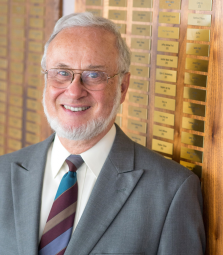
Stephen M. Pizer, Kenan Distinguished Professor at the University of North Carolina at Chapel Hill (UNC), is a pioneering figure in medical imaging and computer vision. Affiliated with the Departments of Computer Science, Radiation Oncology, Radiology, and Biomedical Engineering, he founded and leads UNC’s Medical Image Display & Analysis Group. His research spans over 50 years, focusing on medical image processing, shape analysis, and 3D visualization. PhD in Computer Science from Harvard (1967) Member of Massachusetts General Hospital’s Physics Research Laboratory (1962–1973) Co-founder and Chairman of the Board, Morphormics, Inc. His work includes probability on shape/appearance models, segmentation, interactive 3D graphics, and human vision. With over 290 publications, he has significantly influenced medical imaging, computer graphics, and biomedical engineering. Scientific Awards: Fellow of the MICCAI Society Prior leadership roles include Associate Editor of the IEEE Transactions on Medical Imaging, underscoring his impact in the field.
Prof. Dr.-Ing. Jürgen Teich is a full Professor and Chair for Hardware-Software Co-Design at the Department of Computer Science, Friedrich Alexander University Erlangen-Nuremberg (FAU). He serves as Head of Department Computer Science and Vice Dean of the Technical Faculty since August 2024, and has been Speaker of the FAU Research Center Embedded System Initiative (FAU ESI) since 2023. His educational background includes: Diploma degree in Electrical Engineering, University of Kaiserslautern (1989) Dr.-Ing. degree in Electrical Engineering, University of Saarland (1993) Habilitation (PD Dr.-Ing.) entitled "Synthesis and Optimization of Digital Hardware/Software Systems" (1996) Prof. Teich's research focuses on Embedded Systems , Invasive Computing , Hardware-Software Co-Design , and Reconfigurable Computing . His work spans from theoretical foundations to practical implementations, with particular emphasis on resource-constrained systems, many-core architectures, and energy-efficient computing. He has pioneered research in invasive computing paradigms that enable more efficient use of many-core processors by allowing applications to dynamically claim resources. His recent publications reveal a strong trend toward energy-efficient AI deployment on embedded devices , security of embedded systems , and novel memory technologies . There's a clear focus on practical implementations of machine learning on microcontrollers (TinyML), hardware acceleration for data processing, and innovative approaches to power management in self-powered systems. Among his notable scientific awards are: IEEE Fellow (since 2018) Member of Academia Europaea, Section Informatics (since 2011) Member of the National Academy of Science and Engineering (acatech) (since 2018) Member of the German Society of Humboldtians (since 2021) Prof. Teich has been Principal Investigator for numerous DFG-funded projects including SFB/Transregio 89 "Invasive Computing" (2010-2022), SFB 694, and multiple priority programs. He has coordinated large collaborative research efforts across Germany and internationally, with significant funding from DFG and other sources. His research group has produced influential work in embedded systems design and co-design methodologies. He leads the Hardware-Software Co-Design research group at FAU, which focuses on innovative approaches to embedded system design, invasive computing architectures, and efficient implementation of machine learning on resource-constrained devices. The group maintains strong collaborations with industry partners including Intel, Xilinx, and automotive companies.
Suren Jayasuriya is an Associate Professor at Arizona State University's The GAME School, with joint appointments in the School of Electrical, Computer and Energy Engineering (ECEE) and the Department of Arts, Media and Engineering (AME). He is also an Affiliate Faculty Member at the Mary Lou Fulton College for Teaching and Learning Innovation. His lab, the Imaging Lyceum, focuses on transdisciplinary research bridging computational imaging, computer vision, sensors, and STEAM education. Education Ph.D. Electrical and Computer Engineering, Cornell University (2017) M.S. Electrical and Computer Engineering, Cornell University (2015) B.S. Mathematics, University of Pittsburgh (2012) B.A. Philosophy, University of Pittsburgh (2012) Research Focus Dr. Jayasuriya's work integrates optics, computational photography, and machine learning to develop novel imaging systems. His research spans: Computational cameras and light transport analysis Atmospheric turbulence modeling and video restoration Neural volumetric reconstruction for sonar/radar STEAM education frameworks for K-12 teachers Philosophical aspects of imaging and representation His lab emphasizes interdisciplinary collaboration across engineering, arts, and humanities. Publication Trends Recent publications demonstrate strong focus on computational imaging (45%), AI/ML applications (30%), and educational technology (25%). Dominant themes include turbulence mitigation in videos, neural rendering for sonar/radar, sensor fusion, and AI curriculum development for middle schools. Work frequently appears in top venues like CVPR, SIGGRAPH, and IEEE Transactions. Awards Image Electronics Technology Excellence Award (IIEEJ, 2021) Best Demo Awards: IEEE ICCP 2019, MIRU 2018 Best Paper Award: IEEE ICCP 2014 ASEE Diversity Paper Finalist (2020) Teaching Honors: Fulton Top 5% Award (2019, 2021), ASU Game Changing Faculty (2021) Teaching & Advising Teaches graduate/undergraduate courses including Machine Vision (EEE 515), Minds and Machines (AME 400), and thesis supervision. Leads NSF-funded projects on computational imaging education and AI teacher training. Mentors students through the Imaging Lyceum lab with projects spanning optics, philosophy, and educational technology. Lab & Collaborations Directs the Imaging Lyceum, emphasizing Aristotle-inspired collaborative research. The lab works on: computational cameras, STEAM education, sensor development, and philosophical inquiries into imaging. Collaborates with Carnegie Mellon Robotics Institute and international partners. Funded by NSF, NEH, and industrial partners for projects in sonar imaging, heat resiliency sensing, and educational AI.
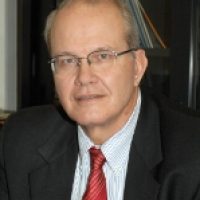
James Lacefield is a Professor in both the Department of Electrical and Computer Engineering and the Department of Medical Biophysics at Western University. He serves as Director of the School of Biomedical Engineering and maintains his research laboratory in the Amit Chakma Engineering Building. His academic appointments span multiple disciplines, reflecting the interdisciplinary nature of his work in biomedical ultrasound imaging. Dr. Lacefield earned his Ph.D. and B.S.E. in Biomedical Engineering from Duke University. His educational background established the foundation for his current research program that bridges engineering principles with medical applications. His research focuses on the physical acoustics and signal processing aspects of ultrasound imaging, with particular emphasis on quantitative vascular imaging applications. Dr. Lacefield's laboratory develops novel methods for color Doppler, power Doppler, and contrast-enhanced ultrasound imaging, with primary applications in cancer research. Current projects include optimization of high-resolution ultrasound systems for tumor vascular characterization and development of methods to quantify spatial blood flow distribution in tumors. Analysis of his recent publications reveals a strong focus on quantitative ultrasound techniques for cancer applications, with particular attention to tumor perfusion assessment using contrast-enhanced ultrasound. His work demonstrates increasing sophistication in speckle analysis methods to improve the reliability of perfusion measurements in preclinical tumor models. Associate Editor, IEEE Transactions on Ultrasonics, Ferroelectrics, and Frequency Control Member, Council of Chairs of Bioengineering and Biomedical Engineering Member, College of Reviewers, Canadian Institutes of Health Research Dr. Lacefield maintains active collaborations with multiple research groups including the Imaging Research Laboratories at Robarts Research Institute. His professional activities include editorial work for major ultrasound journals and participation in national review panels for biomedical research funding.
Lori Passmore is a Research Fellow at the Medical Research Council Laboratory of Molecular Biology (MRC-LMB), part of the University of Cambridge's School of Clinical Medicine. Her work focuses on understanding the molecular mechanisms of multi-protein complexes involved in gene expression regulation and DNA repair. Studied pre-mRNA 3′-end processing via the Cleavage and Polyadenylation Factor (CPF) complex Investigated DNA crosslink repair through the Fanconi Anemia pathway Developed cryo-EM methodologies for structural analysis Her laboratory employs a hybrid approach combining electron cryo-microscopy , X-ray crystallography, biochemical assays, and genetic techniques to elucidate complex architectures and functional dynamics. Notable discoveries include structural insights into the FANCD2-FANCI complex and mechanisms of poly(A) tail length regulation. Current research spans topics such as: 3′-end processing coordination mRNA deadenylation pathways DNA replication stress responses Protein complex assembly principles Lori Passmore's group includes trainees and staff studying these fundamental biological processes. Their work contributes to understanding gene regulation, RNA metabolism, and DNA repair mechanisms critical for preventing diseases like cancer.
Prof. Kwang W. Oh is a tenured Professor at the Department of Electrical Engineering and Department of Biomedical Engineering within the School of Engineering and Applied Sciences at University at Buffalo (SUNY at Buffalo) . He serves as the Director of Graduate Studies in Electrical Engineering and Director of SMALL (Sensors and MicroActuators Learning Lab) . His academic journey includes PhD and MS in Electrical and Computer Engineering from University of Cincinnati (2001, 1997) and BS in Physics from Chonbuk National University (1995). Prof. Oh's research expertise lies at the intersection of microfluidics , BioMEMS , and lab-on-a-chip technologies. His lab has pioneered vacuum-driven microfluidic devices , PDMS-based systems , droplet manipulation , and chemical-free fabrication techniques . His work enables point-of-care diagnostics , single cell analysis , and wearable medical sensors , with significant contributions to sample-to-answer nanosystems and world-to-chip interfacing . The scientific awards section highlights his excellence in teaching and research: SUNY Chancellor's Award for Excellence in Teaching (2020) Meyerson Award for Undergraduate Teaching (2019) Qualcomm Faculty Award (2019) Senior Teacher of the Year (2017) Royal Society of Chemistry's Emerging Investigators (2013) Samsung Electronics' CEO Honor (2003) His lab has produced numerous PhD and MS students including Dr. Anyang Wang (2020), Dr. Nikhila Nyayapathi (2020), Mr. Liam Christie (2021), and Dr. Domin Koh (2019). As a conference chair , he has organized symposia at NanoTech (2012-2026) and served as editorial board member for Sensors , Micromachines , and Biomedical Engineering Letters .
Professor Charlotte Stagg is based at the Nuffield Department of Clinical Neurosciences (NDCN) within the University of Oxford . She serves as Associate Director of the Oxford Centre for Integrative Neuroimaging and holds a Beale Fellow in Medicine position at St Hilda's College. Her research focuses on the physiological mechanisms of motor learning and stroke recovery, utilizing multimodal neuroimaging and brain stimulation techniques. Research Interests : GABA signaling, neuroplasticity, transcranial ultrasound, stroke neurorehabilitation Techniques : 7T MRI, MEG, non-invasive brain stimulation, neurochemistry Selected Scientific Awards : Wellcome Trust Senior Research Fellow Beale Fellow in Medicine, St Hilda's College Collaborations : Leads the Physiological Neuroimaging Group (PiNG), part of the Neuroplastics Collaborative Network with groups led by Heidi Johansen-Berg and Jacinta O'Shea. Current advisees include DPhil student Birtan Demirel and visiting researchers from HEC Montréal and The University of Manchester.
George Vasilakopoulos is a Professor in the Department of Digital Systems at the University of Piraeus , where he also serves as Vice-Chancellor for Academic Affairs and Personnel. By law, he is President of the Quality Assurance Unit (MODIP) and the Employment and Career Structure (DASTA) of the university, overseeing the development of modern information systems. He earned his PhD from the University of London and has held leadership roles including Department President, Director of Postgraduate Programs, and Scientific Director of the Digital Health Services Laboratory. PhD: University of London Current Roles: Vice-Chancellor, Department of Digital Systems Professor Labs: Digital Health Services Laboratory His research focuses on Health Informatics , Cloud Computing , and Medical Data Security , with key contributions to: Emergency healthcare process automation Privacy-preserving personal health record systems Context-aware authorization models Cloud-based medical service frameworks Machine learning in clinical data analysis Interoperable health information systems The trends in his 15 most recent articles (2010-2015) reveal a consistent emphasis on integrating cloud infrastructure , semantic technologies , and mobile platforms to enhance emergency care, chronic disease management, and patient data security. His work bridges biomedical engineering , software architecture , and public health policy . He has held advisory roles for the Minister of Health on IT issues, served on hospital boards, and contributed to national committees for healthcare technology standards. His professional activities include project evaluation for Greek and European research programs and authoring three books on health informatics.
Ziming Zhang is an Assistant Professor in the Department of Electrical and Computer Engineering at Worcester Polytechnic Institute (WPI) , with additional affiliations in Data Science and Robotics Engineering. He previously held research roles at Mitsubishi Electric Research Laboratories (MERL) and Boston University. PhD in Computing (2013) from Oxford Brookes University , UK MS in Computing Science (2010) from Simon Fraser University , CA BS in Computer Science and Technology (2005) from Northeastern University , China Research interests span computer vision , machine learning , and their applications in point cloud processing , medical imaging , autonomous driving , and IoT . He leads the Vision, Intelligence, and System Laboratory (VISLab) at WPI. Recent publications focus on 3D reconstruction , hyperbolic learning , and robust classifiers . Awards include the R&D100 Award 2018 and NSF funding for data-efficient deep learning. PhD Students: Yecheng Lyu (co-supervised), Guojun Wu (co-supervised), Hangrui Zhang, Xuechu Yu Master's Students: Yun Yue, Yuping Shao Visiting Scholars: Fangzhou Lin His lab partners with industry and academic institutions, focusing on autonomous systems , robotics , and scientific imaging projects.
Desmond Elliott is an Associate Professor and Villum Young Investigator at the Department of Computer Science, University of Copenhagen. His research focuses on vision-language models, multilingual and multimodal processing, with particular emphasis on tokenization-free language modeling approaches. He leads a research group actively working on pixel language models and cross-lingual multimodal understanding. University of Copenhagen, Department of Computer Science Villum Young Investigator Associate Editor for JAIR (2025-2028) Senior Area Chair for ACL 2025 Elliott's research spans vision-language integration, multilingual NLP, and multimodal machine learning. His work explores how language models can operate directly on visual pixels without traditional tokenization, enabling more seamless integration of vision and language processing. He investigates compositional generalization in multimodal systems, retrieval-augmented image captioning, and cross-lingual transfer in vision-language tasks. His group develops methods for low-resource language processing and creates benchmarks for evaluating multimodal systems across diverse cultural contexts. His recent publications demonstrate strong trends in pixel-based language modeling, synthetic dataset generation through retrieval augmentation, and multilingual vision-language processing. The work spans theoretical advances in model architectures and practical applications in areas like medical text analysis, food culture understanding, and social media content moderation. His research often bridges computer vision and natural language processing with a focus on making these technologies accessible across diverse languages and cultures. Best Paper Honorable Mention at CVPR Visual Concepts Workshop 2025 Best Long Paper Award at EMNLP 2021 Area Chair Favourite paper at COLING 2018 Elliott actively supervises student projects in BSc and MSc programs related to his research interests. His research has received substantial funding from Google (2024-2025), Facebook (2022-2024), Villum Foundation (2021-2026), Novo Nordisk Foundation (2019-2024), and European Union (2023-2026). He regularly recruits postdocs for projects including the Danish Foundation Models project and the Responsible AI for the People Project. His group holds regular meetings on Tuesdays from 13:00-14:00 in IF G.03, with an active mailing list for announcements. The research environment appears collaborative, with frequent co-authorship across institutions and regular participation in major NLP and computer vision conferences.
Jennifer E Miller is an Associate Professor of Medicine (General Internal Medicine) and Biomedical Informatics & Data Science at Yale School of Medicine. She serves as Co-Director of the Program for Biomedical Ethics and holds leadership positions including Director of the Good Pharma Scorecard (an index that ranks pharmaceutical companies on bioethical performance) and Founder of Bioethics International. Her academic appointments reflect her interdisciplinary expertise spanning clinical medicine, ethics, and data science. Dr. Miller's research program focuses on critical ethical dimensions of biomedical innovation, with particular emphasis on ethics, equity and governance in drug, vaccine, and medical device research, development, and accessibility. She specializes in developing metrics to enhance accountability and social responsibility in the pharmaceutical industry. Her work examines clinical trial diversity, international research ethics, healthcare data sharing, and the implementation of ethical frameworks in medical product development. Through the Good Pharma Scorecard initiative, she has created a systematic approach to evaluating pharmaceutical company performance across multiple ethical dimensions including clinical trial transparency, diversity in research participation, and access to medicines. Analysis of Dr. Miller's recent publications (2021-2025) reveals a strong thematic focus on diversity and equity in clinical research, with particular attention to demographic representation in trials, ethical considerations in international trial site selection, and equitable access to newly approved drugs and vaccines. Her work bridges bioethics, health policy, and data science, creating measurable frameworks for assessing ethical performance in the pharmaceutical industry. The interdisciplinary nature of her research connects clinical medicine, public health, and corporate accountability, with direct implications for regulatory policy and industry practice. Appointment to World Economic Forum Center for the Fourth Industrial Revolution, Precision Medicine Council (2019) Appointment to World Economic Forum Biotechnology Council (2018) Appointment to World Economic Forum Futures Council (2017) Appointment to World Economic Forum Human Enhancement Working Group (2017) Fellow at Foundation Brocher for Ethical Issues in Global Population Health (2014) As Director of the Good Pharma Scorecard and Founder of Bioethics International, Dr. Miller leads initiatives that connect academic research with practical applications in industry ethics. Her work involves collaboration with pharmaceutical companies, regulatory agencies, and patient advocacy groups to develop and implement ethical standards in biomedical innovation. Through editorial roles at journals including Nature Medicine, The BMJ, and JAMA, she influences discourse on research ethics and scientific integrity. Dr. Miller is actively involved in advising and mentorship through her academic appointments at Yale, where she contributes to training the next generation of researchers in biomedical ethics and data science.
Paul J Benkeser is a Professor and Senior Associate Chair in the Wallace H. Coulter Department of Biomedical Engineering at the Georgia Institute of Technology and Emory University. He has been a member of the Georgia Tech faculty since 1985 and was a founding faculty member of the Coulter Department in 1998, serving as its first associate chair for undergraduate studies. Education: BS in Electrical Engineering from Purdue University MS in Electrical Engineering from University of Illinois at Urbana-Champaign PhD in Electrical Engineering from University of Illinois at Urbana-Champaign Research Interests: Dr. Benkeser's work spans biomedical engineering education, ultrasound applications in medicine, biomedical signal/image processing, cancer biology, and regenerative medicine. After initial research in therapeutic/diagnostic ultrasound, he shifted focus to enhancing undergraduate curricula through problem-driven learning and global experiential opportunities. Grants: His initiatives have received funding from the National Institutes of Health (NIH), National Science Foundation (NSF), Department of Veterans Affairs, and Whitaker Foundation. Professional Activities: An active ABET participant since 2002, he has served as program evaluator, EAC Commissioner, and board delegate. His affiliations include: American Institute for Medical and Biological Engineering Biomedical Engineering Society American Society for Engineering Education Senior member of IEEE
Zenun Kastrati is an Associate Professor at the Department of Informatics, Linnaeus University. His research focuses on Artificial Intelligence, Natural Language Processing, Machine Learning, Semantic Web, Sentiment Analysis, and Learning Technologies. He contributes to the Data-driven Business Innovation (DBI) and Interaction Design Research Groups, leading projects like Forest 4.0, RAPID, and IGNITE. His recent work involves Explainable AI, medical imaging, and multilingual NLP. Ph.D. in Computer Science (NTNU, 2018) Master's in Computer Science (EU TEMPUS Programme) Previous Lecturer/Researcher at University of Prishtina His research spans AI applications in medical diagnostics , NLP , sentiment analysis , and semantic technologies . Key projects include Forest 4.0 (environment monitoring) and RAPID (online education in Pakistan). Publications highlight his expertise in deep learning , transformer models , and context-aware systems . Recent publications demonstrate trends in Explainable AI (XAI) for healthcare, medical imaging techniques, and multilingual NLP frameworks. Other work explores social media analytics , student feedback analysis , and pedagogical document classification . Zenun's teaching includes Fundamentals of Programming , Object-Oriented Programming , Web Applications , Data Analytics , and Adaptive Web courses at BSc and MSc levels.
Daniel J. Müller is a Full Professor of Biophysics at ETH Zurich's Department of Biosystems Science and Engineering since 2010. He served as Head of the Department (2021-2024) and co-directs the NCCR Molecular Systems Engineering (since 2014) and Basel Research Center for Child Health (BRCCH, since 2024). Education: Physics Diploma (Technical University of Berlin, 1993), PhD in Biophysics (University of Basel, 1997), Habilitation in Biophysics (University of Basel, 2000). Müller's research pioneers bionanotechnological tools for quantifying molecular interactions in living systems. His group develops single-molecule force spectroscopy and multiparametric nanoscopic imaging to study cellular mechanics, membrane protein dynamics, and neuronal reprogramming, revealing fundamental biological processes at molecular resolution. Key awards include the EBSA NanoTemper Award (2025), Honorary Professorship from Heidelberg University (2023), Humboldt Research Award (2022), EMBO Membership (2016), and Marsilius Medal (2019). He mentors students through courses like 'Nanomachines of the Cell' and leads major initiatives including the NCCR (30+ research groups) and BRCCH. His 2023 Roche partnership advances translational bioengineering for next-generation medical solutions. Müller directs the Biophysics research group at ETH Zurich, driving innovation in molecular systems engineering through collaborations with institutions like the Max Planck Society and University of Basel.
Professor Lyudmila Mihaylova is a distinguished academic at the University of Sheffield's School of Electrical and Electronic Engineering, where she holds the position of Professor of Signal Processing and Control. She has established herself as a leading researcher in the fields of signal processing, Bayesian methods, and autonomous systems, with significant contributions to particle filtering techniques for intelligent transportation systems. Her work bridges theoretical developments with practical applications across multiple domains including transportation, healthcare, and industrial automation. Prof. Mihaylova's research interests center on nonlinear filtering, sequential Monte Carlo methods, statistical signal processing, and sensor data fusion. Her work spans both theoretical advancements and practical implementations, with particular focus on high-dimensional problems including vehicular traffic flow estimation, image processing, and localization in sensor networks. She has extensive experience with various image modalities such as optical, thermal, LIDAR, SAR, and hyperspectral imaging. Her group actively develops novel methods for autonomous intelligent systems focusing on sensing, tracking, decision making, and machine learning applications. Analysis of Prof. Mihaylova's recent publications reveals a strong trend toward uncertainty quantification in machine learning models, particularly for safety-critical applications. Her work increasingly integrates traditional signal processing techniques with modern deep learning approaches, with applications spanning sewer inspection robotics, medical diagnostics (particularly sleep apnea detection), UAV swarm tracking, industrial manufacturing, and autonomous vehicle systems. A significant portion of her recent research focuses on developing robust methods that can handle incomplete or outlier-corrupted data while providing reliable uncertainty estimates. Among her notable professional achievements: President of the International Society of Information Fusion (ISIF) Senior member of the IEEE Signal Processing Society Associate Editor for IEEE Transactions on Aerospace and Electronic Systems Associate Editor for Elsevier Signal Processing Journal Prof. Mihaylova has successfully mentored numerous PhD students and postdoctoral researchers, many of whom have gone on to prominent academic and industry positions. Her research has been supported by major funding bodies including EPSRC, EU, MOD/DSTL, and industry partners, with recent projects including 'Protecting Environments with UAV Swarms' (InnovateUK, 2022-2024), 'ShiRAS: Towards Safe and Reliable Autonomy in Sensor Driven Systems' (NSF-EPSRC, 2019-2023), and 'Confident safety integration for Cobots' (Lloyd's Register Foundation, 2019-2020). Her research group follows a collaborative approach with the philosophy 'We share knowledge, we grow.' Prof. Mihaylova maintains active research collaborations with institutions worldwide and has held previous academic positions at Lancaster University (2006-2013) and University of Bristol (2004-2006), along with research visiting positions at the University of Ghent, Katholic University of Leuven, and the Bulgarian Academy of Sciences.