Roles & Affiliations Professor of Computer Science and Fellow of St. Michael's College at the University of Toronto. Leads research in computational linguistics, natural language processing, and logic programming. Maintains affiliations with the Computational Linguistics group at Toronto and serves on the editorial board of Linguistics & Philosophy . Research Interests Typed Feature Logic and Grammar Development Parsing/Generation Algorithms for Free-Word-Order Languages Substructural Logics (e.g., Lambek Calculus) Finite-State Methods and Speech Summarization Constraint Logic Programming (ALE System) Teaching Teaches courses including Natural Language Computing , Computational Linguistics , and Programming Languages . Recent courses span academic years 2023–2024. Projects & Contributions Principal developer of the Attribute Logic Engine (ALE) , a constraint logic programming system. Organized the 2019 Mathematics of Language (MOL) conference.
Bianca Schroeder is a Full Professor and Canada Research Chair in the Computer Science Department at the University of Toronto, with a joint appointment as Associate Department Chair in the Computer and Mathematical Sciences Department at the University of Toronto Scarborough. She leads the computer systems and networks research group and previously completed postdoctoral research at Carnegie Mellon University under Garth Gibson, following her doctorate from Carnegie Mellon supervised by Mor Harchol-Balter. Her research focuses on the design, implementation, and analysis of large-scale computer systems, with particular emphasis on storage systems, data centers, system reliability, and resource allocation. She applies techniques from statistics, machine learning, and data mining to solve real-world problems in collaboration with industry partners including Microsoft, Google, and NetApp. Her work combines empirical analysis of production systems with innovative solutions for enhancing reliability and efficiency. Schroeder's publications demonstrate a consistent focus on understanding system failures through large-scale field studies, developing practical solutions for storage reliability, and optimizing resource management in data-intensive environments. Her research spans hardware reliability (DRAM errors, disk failures), storage systems, data center management, and scheduling algorithms. Major Scientific Awards: Sloan Research Fellow Outstanding Young Canadian Computer Science Prize Ontario Early Researcher Award NSERC Accelerator Award Two-time IBM PhD Fellowship winner Five best paper awards and two Test of Time Awards She actively recruits graduate students for projects in data center technologies, storage systems, and reliability engineering. Her research is supported by the Canada Research Chair program and industry partnerships. She has chaired multiple prestigious conferences including Usenix FAST'14 and ACM Sigmetrics'14.
Nisarg Shah is an Associate Professor in the Department of Computer Science at the University of Toronto, part of the Theory Group. He also serves as a Research Lead at the Schwartz Reisman Institute for Technology and Society and a Faculty Affiliate at the Vector Institute for Artificial Intelligence. His research focuses on developing theoretical foundations for AI systems, particularly in algorithmic fairness, social choice theory, game theory, and mechanism design. He co-developed Spliddit.org, a not-for-profit platform aiding fair decision-making for over 250,000 users. Shah's work bridges computer science with economics, political science, and cognitive psychology. Recent research emphasizes fairness in AI across domains like voting, resource allocation, and recommendation systems. His 2025 AAAI paper on distortion minimization received an Outstanding Paper Award, and his 2016 work on maximum Nash welfare won the 2024 Kalai Prize. He has supervised numerous collaborative projects in fair division, public policy, and multi-agent systems. Key affiliations include Vector Institute (AI), Schwartz Reisman Institute (Society-Impact Technology), and the Theory Group (Computer Science). His research portfolio spans over 80 publications in top venues like AAAI, NeurIPS, EC, and IJCAI, addressing both foundational theory and practical applications of fair and strategic AI systems.
Mehrdad Pirnia is a Continuing Lecturer in the Department of Management Science and Engineering at the University of Waterloo. His research focuses on power systems, renewable energy integration, microgrid optimization, and stochastic modeling. He holds an academic appointment in the Faculty of Engineering. His work emphasizes energy management systems, optimal power flow solutions, and the application of advanced mathematical techniques like affine arithmetic and stochastic optimization. Key research areas include hybrid AC-DC grids, low-emission microgrids for remote communities, and privacy-preserving frameworks for multi-microgrid networks. He has contributed to understanding the impacts of distributed energy storage, renewable integration challenges, and pandemic effects on electricity markets. Notable projects involve geographic information-based optimization for multi-microgrid planning, constraint-guided neural networks for power flow solutions, and analyzing nonconvex market dynamics. His studies often bridge theoretical models with real-world applications in Canadian contexts, such as northern electrification and hydrogen feasibility assessments. Pirnia's publications span over a decade, addressing topics from transmission line constraints to policy implications of feed-in-tariffs. His research consistently integrates technical innovation with socio-economic considerations, aiming to enhance grid resilience and sustainability.
Karan Sher Singh is a Professor in the Department of Computer Science at the University of Toronto, affiliated with the Dynamic Graphics Project (DGP) laboratory. His research focuses on interactive computer graphics, human-computer interaction, and artificial intelligence, with applications in sketch-based interfaces, character animation, and immersive technologies like AR/VR. He has pioneered tools such as Meshmixer, CrossShade, and JALI Research, which have been adopted in industries including film (e.g., Weta Digital’s Avatar: The Way of Water) and gaming (Cyberpunk 2077). Education and Background: Completed his PhD in 1994, working on early virtual teleconferencing systems at ATR. His work bridges artistic expression, technical innovation, and perceptual principles to create intuitive design tools. Research Interests: Sketch and sculpt interfaces for 3D modeling and design Facial and character animation (INCA) for films and games Mathematical surface representations for conceptual design Augmented/VR storytelling and immersive environments (e.g., JanusXR) Artistic projection and non-photorealistic rendering Recent Work Trends: Articles from 2016–2023 emphasize VR/AR interaction, immersive design tools, and anatomically based animation. His research often integrates HCI principles with geometric algorithms to address challenges in freehand sketching, mid-air gestures, and musculoskeletal modeling. Awards and Recognitions: Best Paper Awards at SBIM (2008, 2012, 2014) Technology Transfer Awards from MITACS NCE (2003–2012) VFX Oscar-winning contribution via Weta Digital Advising and Industry: Supervised over 20 graduate students, many contributing to tech companies like Pixar, Google, and EA. Co-founded JALI Research, JanusVR, and collaborated with industry leaders such as SideFX, NVIDIA, and NVIDIA. Labs and Teams: Leads the DGP lab, fostering cross-disciplinary projects between academia and industry. Active in developing open-source tools like JanusXR and Meshmixer.
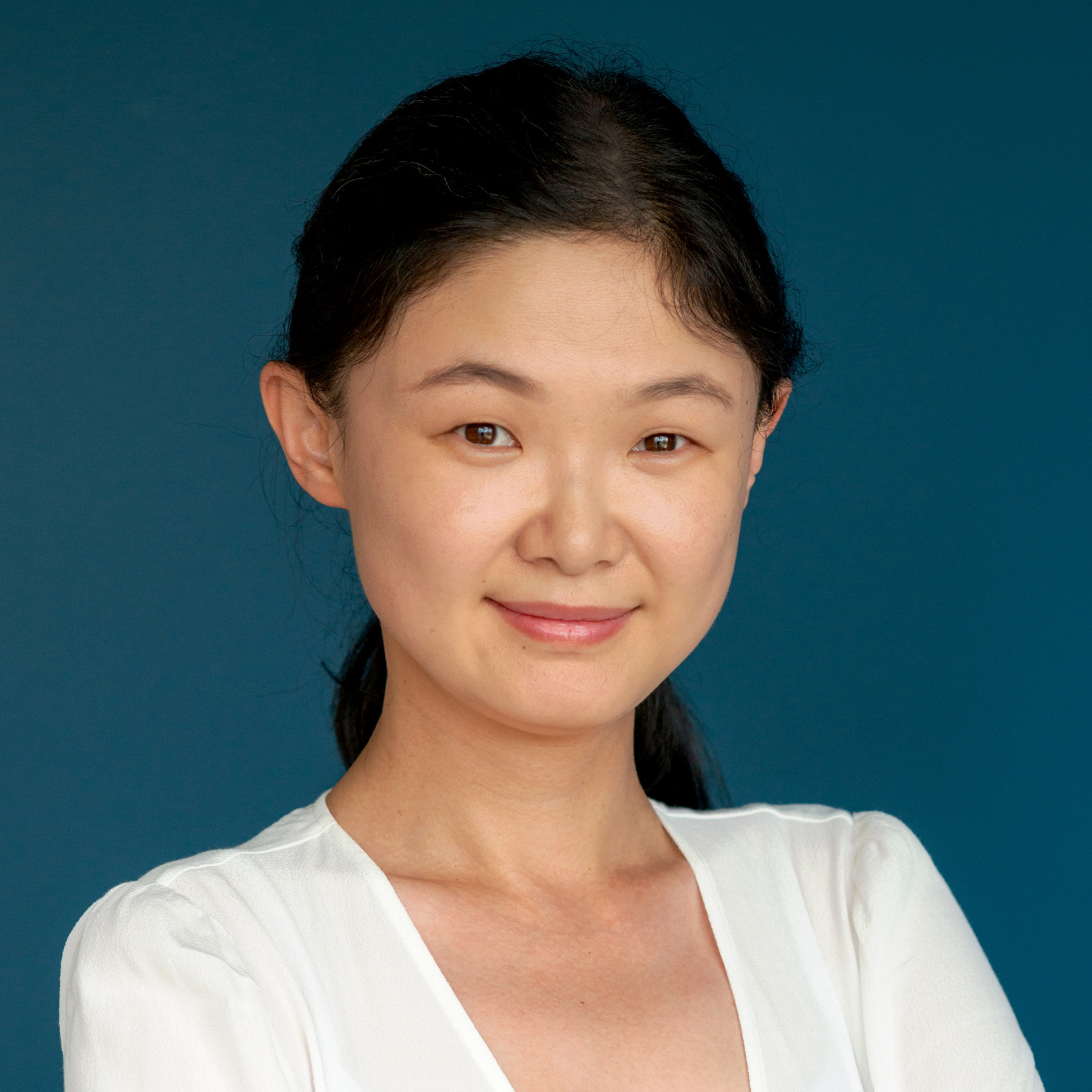
Ningning Xie is an Assistant Professor in the Department of Computer Science at the University of Toronto. She holds a part-time Research Scientist position at Google DeepMind and is a Faculty Affiliate at the Schwartz Reisman Institute. Previously, she was a Research Associate at the University of Cambridge and earned her Ph.D. from the University of Hong Kong and B.S. from Zhejiang University. Her research focuses on foundational aspects of programming languages, including functional programming, type systems, logics, and their applications in broader domains. Key areas include algebraic effect handlers, staged compilation, type inference, and parallel computing. She has contributed to systems like MacoCaml and Perceus, and her work has been recognized with ACM SIGPLAN Distinguished Paper Awards and the Cambridge Hall of Fame Award. Dr. Xie co-chairs the Haskell Symposium 2025 and serves on committees for major programming language conferences (PLDI, ICFP, etc.). She actively organizes workshops and tutorials, including invited keynotes at Lambda Days and ZuriHac 2024. Her service roles include moderating the Types Forum and steering committees for Haskell and PLMW. Her academic contributions span over 25 peer-reviewed publications, with a focus on practical implementations and formal proofs. She advises students through her research group and emphasizes generative programming techniques in her teaching.
Alice Gao is an Assistant Professor, Teaching Stream in the Department of Computer Science at the University of Toronto, specializing in teaching advanced undergraduate courses on artificial intelligence and machine learning. She holds a Ph.D. in Computer Science from Harvard University and completed a postdoc at the University of British Columbia. Her research focuses on computer science education, particularly time management and AI pedagogy, as well as game theory and AI-driven game simulations. She co-leads projects on AI agent design for games like Hanabi, Othello, and Gomoku, and explores academic procrastination strategies through systematic literature reviews. Education: Ph.D. in Computer Science, Harvard University (2014) Postdoc, University of British Columbia (2014-2016) Bachelor’s in Computer Science and Mathematics, University of British Columbia Research Interests: AI and Machine Learning Education Game Theory Applications in AI CS Education Challenges Academic Time Management Her publications span CS education, game theory, and pandemic impacts on learning. She has received recognition for her doctoral work, including runner-up awards for her dissertation. She advises numerous undergraduate research projects and serves as a TA coordinator and committee member in the department. Her work bridges educational theory and practical implementation through interactive tools and pedagogical frameworks.
Marc Aucoin is a Professor and Associate Chair, Operations in the Department of Chemical Engineering at the University of Waterloo. His research focuses on biochemical engineering, particularly in virus propagation, vaccine production, and bioprocess development using cell culture platforms like insect and mammalian cells. He leads the Applied Virus and Complex Biologics Bioprocessing Research Lab and collaborates with organizations such as the Centre for Bioengineering and Biotechnology and the Waterloo Institute for Nanotechnology. Key achievements include advancements in CRISPR-Cas9 applications for viral vector engineering and contributions to antiviral surface technologies. Education: PhD (Ecole Polytechnique de Montreal, 2007), MEng (University of Waterloo, 2003), BEng (University of Waterloo, 2000) Affiliations: Cross-appointed in the Schools of Optometry, Pharmacy, and multiple departments in the Faculty of Science Research interests include viral vector engineering, bioprocess optimization, and synthetic biology. He advises the university's iGEM team and teaches courses such as CHE 180 (Chemical Engineering Design Studio) and CHE 660 (Principles of Biochemical Engineering). Notable awards include multiple Faculty of Engineering Distinguished Performance Awards for teaching and scholarship. Lab Highlights: Focus on vaccine development, virus-like particle production, and biologics manufacturing. Collaborations with industry on virus inactivation and stability.
Andrew Heunis is a Professor at the University of Waterloo, cross-appointed with the Department of Statistics and Actuarial Sciences. He holds a BSc from the University of the Witwatersrand (Johannesburg) and an MSc from Imperial College, London. His research focuses on stochastic algorithms, system identification, nonlinear filtering, and stochastic differential equations. His work integrates advanced probability theory with applications in control systems, financial mathematics, and signal processing. Recent research emphasizes theoretical foundations of nonlinear filtering and stochastic optimization, with contributions to portfolio optimization and convergence analysis of stochastic algorithms. He has supervised numerous PhD and MASc theses, including studies on mean-variance portfolio optimization, stochastic control, and quantum annealing. Current students include Dian Zhu (PhD), Pradeep Ramchandani (PhD), and Alisa Tazhitdinova (MASc). Teaching responsibilities include courses on stochastic processes, linear systems, and probability theory at both undergraduate and graduate levels. Technical reports include work on convex duality in constrained portfolio optimization, extending his research into financial applications. No scientific awards are listed in the provided information.
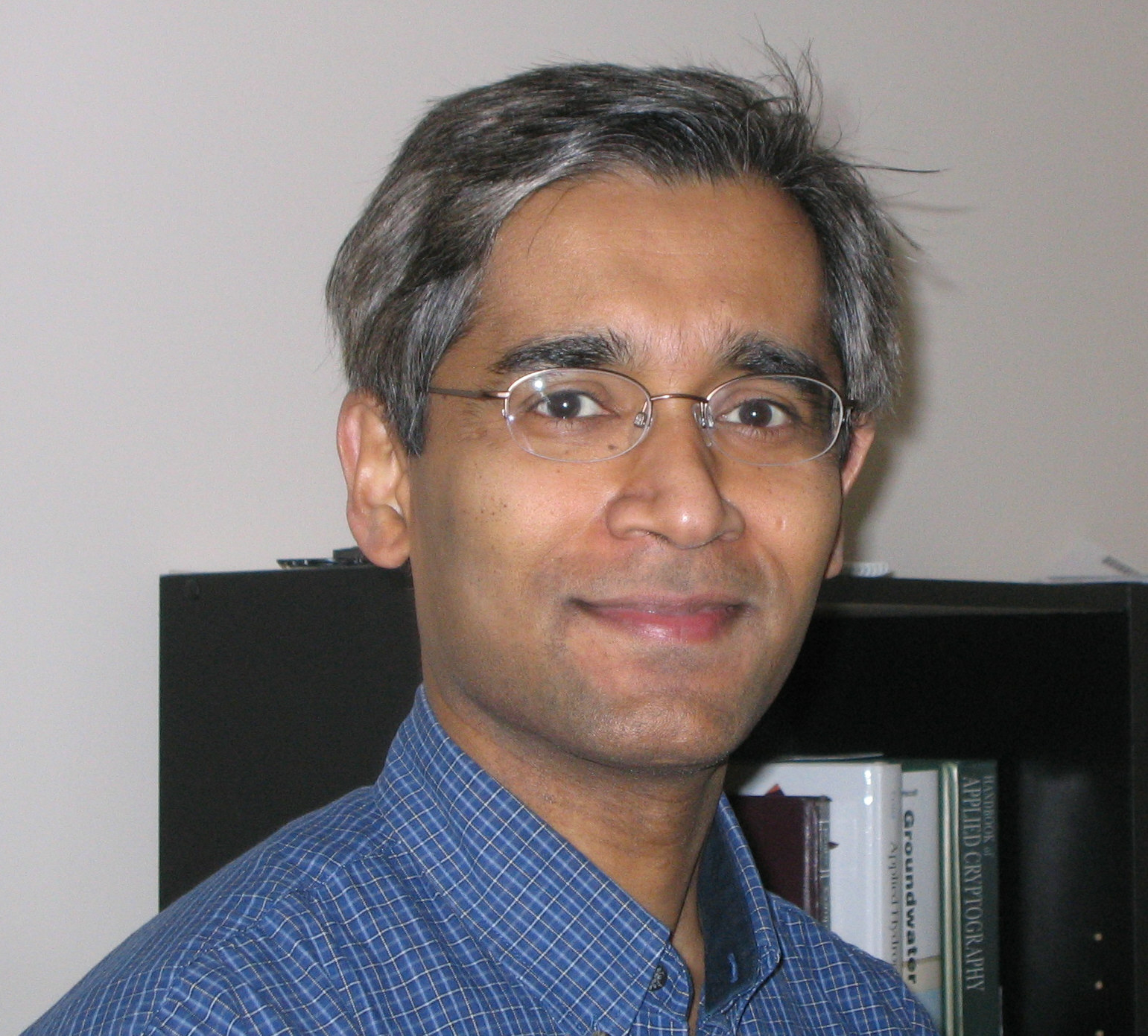
M. Anwar Hasan is a Professor in the Department of Electrical and Computer Engineering at the University of Waterloo, where he has been a faculty member since January 1993. He was promoted to Associate Professor with tenure in 1998 and to full Professor in 2002. At Waterloo, he is also a member of the Centre for Applied Cryptographic Research, the Center for Wireless Communications, and the VLSI Research group. He previously spent 1992 as a post-doctoral fellow at the University of Victoria. Dr. Hasan received his B.Sc. and M.Sc. degrees in electrical and electronic engineering and computer engineering, respectively, from the Bangladesh University of Engineering and Technology in 1986 and 1988. He earned his Ph.D. in electrical engineering from the University of Victoria in 1992. His research focuses on cryptographic computations and embedded systems, dependable and secure computing, computer and network security, and computer arithmetic and architecture. His work has particularly emphasized efficient implementations of cryptographic algorithms, especially elliptic curve cryptography, with attention to side-channel attack resistance and fault tolerance. He has made significant contributions to finite field arithmetic, which forms the mathematical foundation for many cryptographic systems. Dr. Hasan's recent publications demonstrate continued leadership in cryptography, with work spanning traditional cryptographic implementations, post-quantum cryptography (particularly isogeny-based approaches), blockchain applications, secure multi-party computation, and hardware optimization for cryptographic operations. His research maintains a strong focus on both theoretical foundations and practical implementations. Raihan Memorial Gold Medal President's Research Scholarship (awarded four times at University of Victoria) Faculty of Engineering Distinguished Performance Award (2000) Outstanding Performance Award (2004) As a member of the Centre for Applied Cryptographic Research, Dr. Hasan has led numerous research projects in cryptographic hardware and software implementations. He served as an associate editor of the IEEE Transactions on Computers from 2000 to 2004 and has been involved in program and executive committees for several conferences. His research has been supported by various grants that have enabled him to supervise numerous graduate students and postdoctoral fellows, though specific grant details are not provided in the source material. Dr. Hasan's laboratory work has focused on implementing efficient and secure cryptographic systems, particularly examining side-channel attacks and developing countermeasures. His research team has produced numerous technical reports through the Centre for Applied Cryptographic Research (CACR) at Waterloo, demonstrating a sustained research program in cryptographic engineering.
Mario Ghossoub is an Associate Professor and Sun Life Research Fellow at the University of Waterloo, specializing in Actuarial Science. His research focuses on optimal risk-sharing mechanisms, reinsurance markets, game-theoretic models of insurance, and behavioral economics. He investigates topics such as Pareto optimality, distortion risk measures, and decision-making under uncertainty, particularly in contexts involving heterogeneous beliefs and risk preferences. Key research areas include multi-armed bandit problems under mean-variance frameworks, Nash equilibria in large reinsurance markets, and the design of efficient peer-to-peer insurance systems. His work bridges actuarial science with economics, finance, and decision theory to address challenges in risk management, contractual design, and market efficiency. Recent contributions analyze counter-monotonic risk allocations, robust distortion risk measures, and Stackelberg equilibria in multi-agent systems. His articles often explore the interplay between behavioral biases (e.g., rank-dependent utility) and traditional actuarial principles, with applications to flood risk management and decentralized exchange markets. While no specific scientific awards are listed, his extensive publication record reflects significant contributions to theoretical and applied aspects of risk and insurance. His work is characterized by rigorous mathematical modeling and relevance to practical policy design in financial and insurance sectors.
Jean-Lou De Carufel is an Assistant Professor at the University of Ottawa's School of Computer Science and Electrical Engineering. His research focuses on algorithmic geometry, graph theory, routing in networks, and analysis of algorithms. He holds a Ph.D., M.Sc., and B.Math from the University of Laval. His work explores theoretical foundations in computational geometry and graph algorithms, with applications in network design and optimization. Education: Ph.D. in Computer Science, Université Laval M.Sc. in Computer Science, Université Laval B.Math. in Mathematics, Université Laval Research interests include routing protocols in geometric networks, graph algorithms for planar and temporal graphs, and computational geometry problems such as shortest path computation and spanner construction. His recent work emphasizes theoretical advancements in graph theory, with a focus on dynamic systems like periodic temporal graphs and fault-tolerant spanners. He has contributed to understanding cop-number problems in graph theory and algorithmic solutions for geometric optimization tasks.
Emad Gad is an Associate Professor at the School of Computer Science and Electrical Engineering, University of Ottawa. He holds a PhD and specializes in numerical methods for circuit simulation, model order reduction, and high-order integration techniques. His research focuses on developing stable and efficient algorithms for transient analysis of nonlinear circuits, antenna-circuit co-simulation, and electromagnetic field interactions. Key research interests include Laplace transform inversion methods, parameterized reduced-order modeling, and statistical analysis of RF and microwave circuits. He has contributed extensively to parallel simulation techniques, stability analysis of power converters, and automated modeling of high-frequency systems. His work emphasizes interdisciplinary applications in electrical engineering, combining numerical analysis with practical circuit design challenges. Notable trends in his publications involve enhancing computational efficiency through innovative interpolation and clustering algorithms. No scientific awards or grants are explicitly mentioned. Advising records are not provided in the text. His research group likely focuses on advanced simulation tools for modern electronic systems.
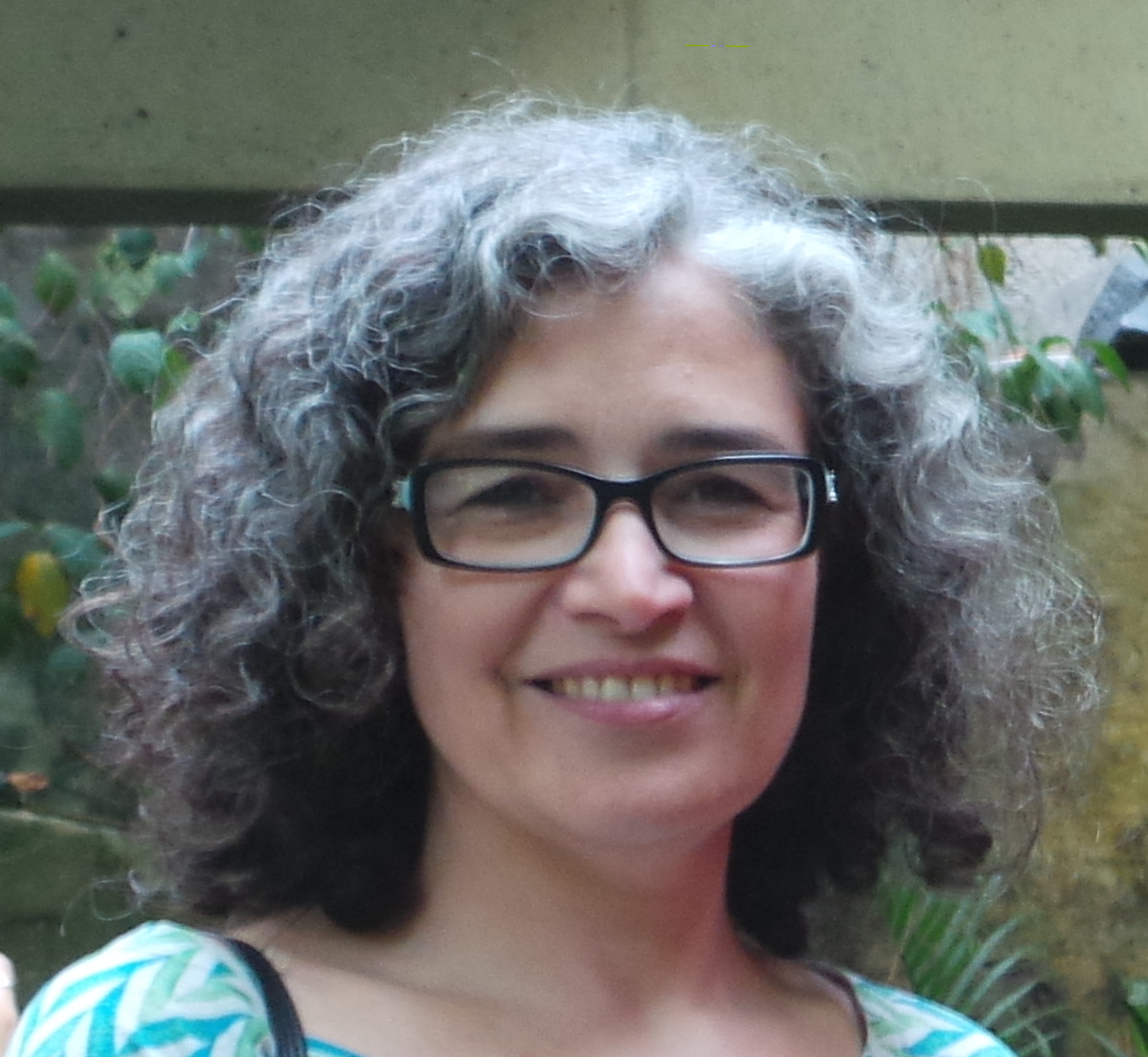
Lucia Moura is a Full Professor at the School of Electrical Engineering and Computer Science, University of Ottawa, holding positions since 2000. She specializes in combinatorial algorithms, combinatorics, and their applications in coding theory and cryptography. Her roles include editorial board member of the Journal of Combinatorial Designs and Fellow of the Institute of Combinatorics and its Applications (ICA). Education: Ph.D. and M.Sc. from the University of Toronto. Past roles include NSERC Postdoctoral Researcher at the University of Toronto and The Fields Institute. Research focuses on combinatorial designs, covering arrays, and algorithms. She leads projects in cybersecurity, including contributions to pandemic screening via combinatorial group testing. Supervised over 20 graduate students in computer science, mathematics, and engineering. Awards: ICA Fellowship (2019). Active in organizing conferences like LATIN 2026 and CanaDAM 2025. Teaches courses on combinatorial algorithms and optimization.
Tet Yeap is an Associate Professor at the School of Electrical Engineering and Computer Science at the University of Ottawa. He serves as the Associate Director of Graduate Programs in Systems Science and works in STE 5025. His research focuses on Internet of Things (IoT) , Neural Networks , and VLSI Electric and Electronic Systems . Email: tyeap@uOttawa.ca Phone: 613-562-5800 ext. 6219 Dr. Yeap's recent research explores IoT architectures for smart farming, federated learning in agricultural contexts, and adversarial robustness in neural networks. His work also investigates visible light communication and BLDC motor control security . His publications demonstrate expertise in machine learning for environmental monitoring, predictive maintenance in IoT systems, and VLSI design . Key subfields include nitrous oxide emission modeling , associative memory networks , and secure communication protocols . Current advisees include PhD student Kalonji H Kalala . Dr. Yeap's work spans both theoretical and applied domains in electrical engineering and computer science.