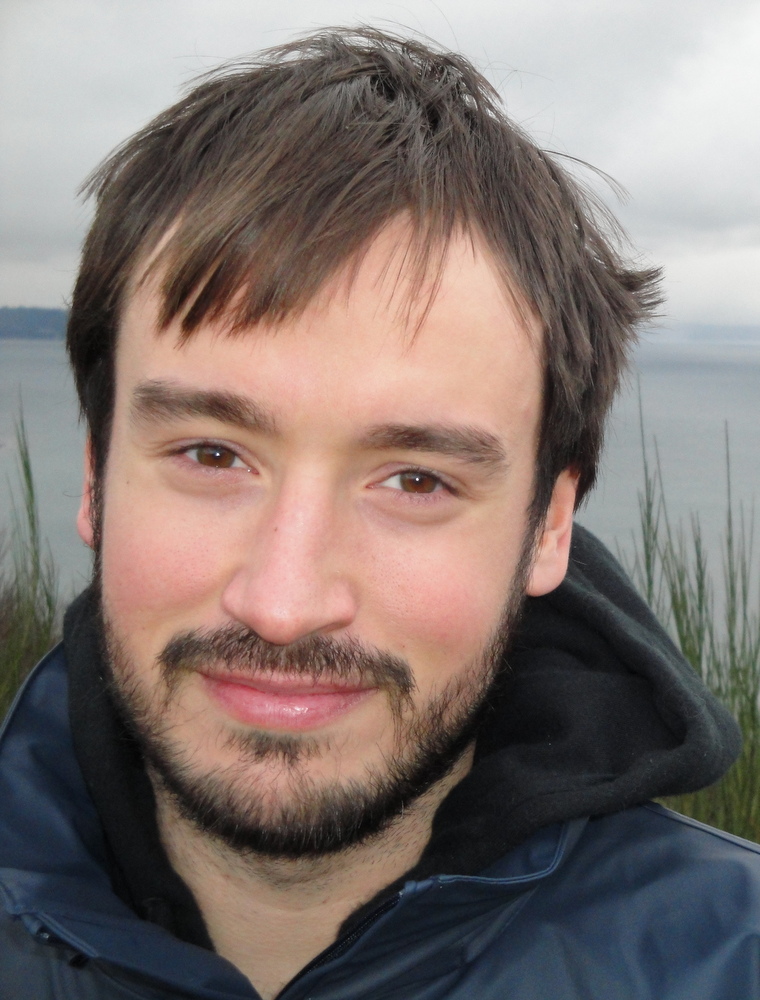
Milentije Luković is an Associate Professor in the Department of Physics and Materials at the Faculty of Technical Sciences, University of Kragujevac. With a PhD in Physical Sciences from the University of Belgrade, his academic career spans from elementary school teaching to his current university position. His professional journey includes teaching physics at various educational levels before joining the Faculty of Technical Sciences in Čačak in 2014, where he progressed from Assistant to Associate Professor by 2025. Dr. Luković's research primarily focuses on applied physics, particularly in materials science with emphasis on magnetic materials, composite structures, and electrochemical systems. His work spans theoretical modeling, experimental physics, and physics education. He has made significant contributions to understanding magnetic properties of ferrite-titanate composites, electrocatalysis for fuel cells, and hydrogen adsorption in nuclear materials. His expertise extends to developing measurement techniques and educational tools for physics instruction. Luković's publication record shows a consistent output in high-impact journals across physics, materials science, and engineering disciplines. His research demonstrates a progression from fundamental physics education tools toward more complex materials characterization and modeling. The predominant themes in his work include magnetic materials characterization, experimental physics education tools, and computational approaches to materials science problems. His recent publications (2023-2025) show increasing focus on mathematical modeling of material properties and advanced characterization techniques. Reviewer for the scientific journal "The Physics Teacher" Author of the book "Collection of solved problems in physics using applications in the Mathematica software package" (2023) Holds a patent for a "Random number generator based on the use a Geiger-Muller counter with a transparent glass tube and a semiconductor laser diode" (2022) Dr. Luković maintains active research collaborations within Serbia and internationally, as evidenced by his conference presentations and co-authored publications. His work bridges theoretical physics, experimental materials science, and practical educational applications, demonstrating versatility across academic domains. His educational efforts include developing didactic laboratory equipment and computational approaches to physics education using Mathematica software.