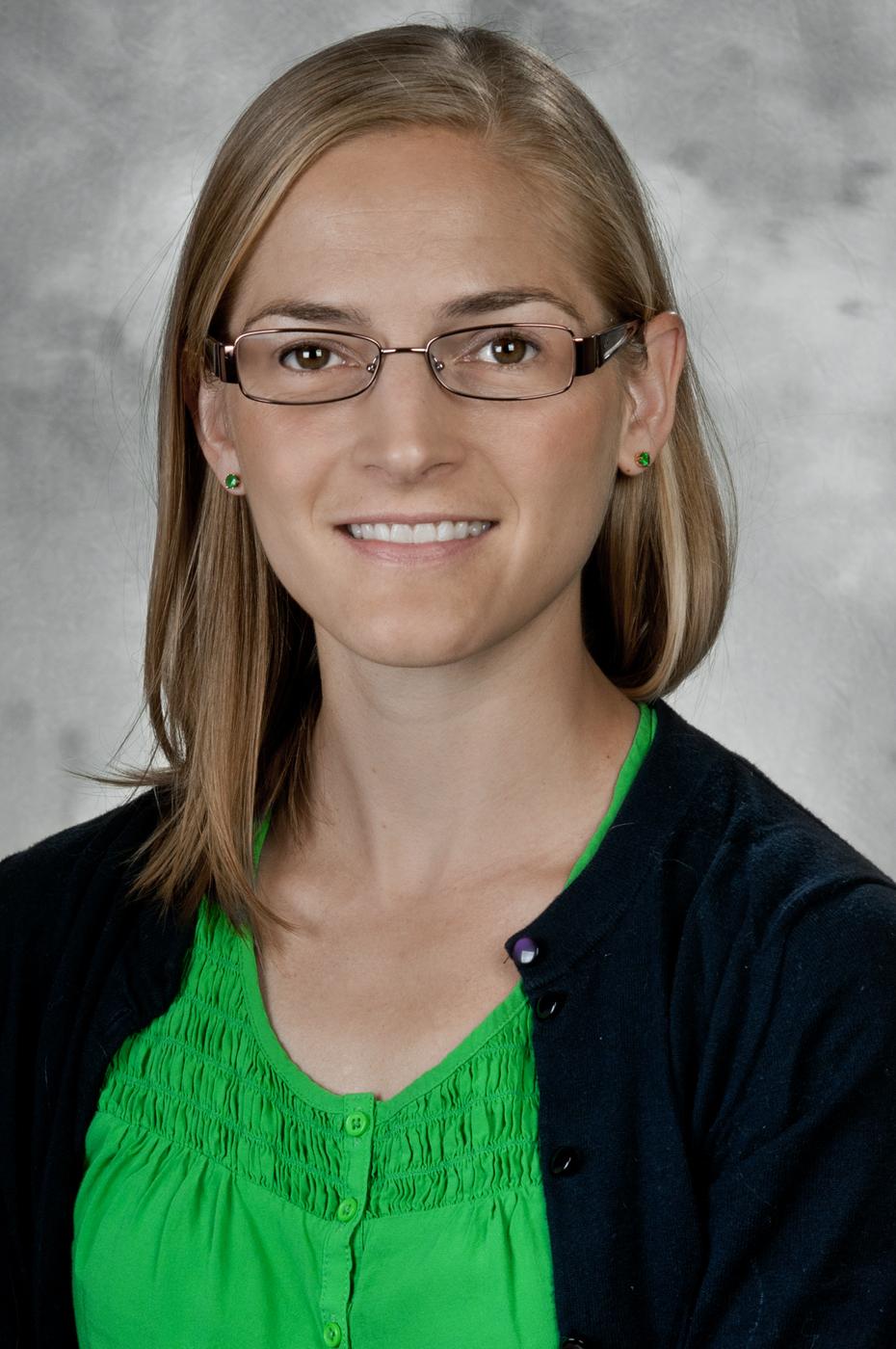
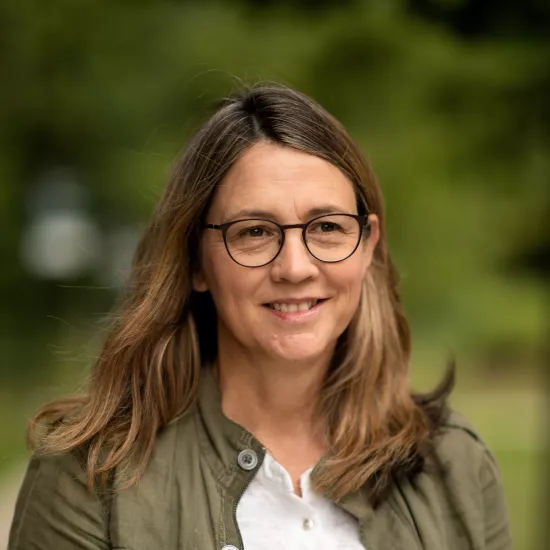
Carina Mallard is Professor of Experimental Perinatal Brain Injury Research and Pro-Vice-Chancellor at the University of Gothenburg since July 2023, where she oversees research infrastructure and chairs the Research Board. She previously served as Deputy Vice-Chancellor (2021–2023) and Head of Core Facilities (2018–2021). Her academic career began with a Physiology degree from Lund University and a PhD in Pediatrics at the University of Auckland (1995), followed by a professorship appointment in 2006. Her research focuses on perinatal brain injury , particularly in premature infants , investigating neuroinflammatory mechanisms maternal dietary interventions neurovascular unit dynamics microglia activation long-term consequences of maternal obesity . Recent publications highlight her work on neonatal rodent models , transcriptomic profiling , and anti-inflammatory therapies . Key themes include RNA degradation , mitochondrial protection , and immune-neurovascular interactions . She has supervised 20 doctoral students since 2004 and collaborates internationally with institutions like King's College London. Contact details include two institutional emails and physical addresses across Gothenburg's biomedical campuses. Her leadership roles span research strategy, doctoral education, and EU-level scientific initiatives.
Marina von Keyserlingk is a Professor in Applied Biology within the Faculty of Land and Food Systems at the University of British Columbia (UBC). She serves as Director of the UBC Dairy Education and Research Centre and leads the renowned UBC Animal Welfare Program, one of the largest and most respected animal welfare science programs globally. Her work has significantly influenced dairy farming practices worldwide, particularly in the areas of dairy cow and calf welfare. Dr. von Keyserlingk's research focuses on animal behavior, housing, and management practices and how these contribute to the health and welfare of dairy cattle. Her work spans multiple dimensions of animal welfare science, including: Dairy cattle behavior and cognition Cow-calf separation practices Pain assessment and management in farm animals Public perceptions of farm animal welfare Alternative dairy farming systems Welfare assessment methodologies Her most recent research examines pain responses in calves, lameness assessment techniques, effects of environmental enrichment on calf cognition, and public attitudes toward dairy farming practices. This work demonstrates a strong trend toward integrating scientific assessment of animal welfare with public values and perceptions, recognizing that sustainable animal agriculture must address both scientific and societal concerns. Dr. von Keyserlingk has received numerous prestigious awards for her contributions to dairy science and animal welfare: Elanco Award for Excellence in Dairy Science (2013) Metacam Bovine Welfare Award (2013) Canadian Animal Industries Award in Extension & Public Service (2012) 26th Annual World Buiatrics Congress Keynote Speaker (2010) She has supervised numerous graduate students, including Dr. Lexis Ly who recently completed her PhD in 2025. Dr. von Keyserlingk also teaches undergraduate courses including "Animals and Society" and "Research Methods in Applied Animal Biology." Her research program has secured significant funding that supports multiple postdoctoral fellows, graduate students, and research staff working within the UBC Animal Welfare Program. The UBC Animal Welfare Program, which she helps lead, is currently recruiting PhD students interested in improving the lives of dairy cattle and the people who care for them. The program continues to be at the forefront of animal welfare science, conducting research that has practical applications for improving animal care worldwide.
Manuel R. Amieva is a Professor at Stanford University School of Medicine , holding joint appointments in Pediatrics - Infectious Diseases and Microbiology & Immunology . He is also a member of the Maternal & Child Health Research Institute (MCHRI) . His clinical practice at Stanford Medicine Children's Health focuses on pediatric infectious diseases. Education: Medical Education: Stanford University School of Medicine (1997) Fellowship: Stanford University Pediatric Infectious Disease Fellowship (2004) Internship & Residency: Stanford Health Care at Lucile Packard Children's Hospital (1998-1999) Dr. Amieva's research investigates host-pathogen interactions at epithelial barriers, with specific expertise in Helicobacter pylori , Listeria monocytogenes , Salmonella enterica , and Staphylococcus aureus . His lab develops innovative organoid culture systems with controlled polarity to study microbial colonization and oncogenic mechanisms. Key discoveries include: H. pylori's manipulation of epithelial junctions via the CagA protein Listeria's exploitation of cell extrusion sites for invasion Staphylococcus toxin interactions with adherens junctions Gastric stem cell activation by pathogens Recent publication trends show continued leadership in infectious disease mechanisms (2020-2025), with a focus on: Pathogen-specific epithelial breach strategies Organoid modeling of viral/bacterial interactions Redox-dependent host factor regulation Single-cell spatial transcriptomic analyses Multi-institutional educational frameworks His scientific collaborations span disciplines including: Gastric cancer genomics initiatives COVID-19 lung infection models Stem cell-microbe interactions Medical education reform projects Dr. Amieva maintains active clinical research while mentoring students in both the Microbiology & Immunology and Pediatrics programs. His lab at Stanford employs advanced 3D confocal microscopy and organ-on-a-chip technologies to visualize epithelial colonization dynamics.
Margaret Bublitz is Associate Professor at Brown University with joint appointments in the Department of Psychiatry and Human Behavior , Department of Medicine , and Department of Obstetrics and Gynecology . She holds secondary appointments at the School of Public Health as Senior Investigator and Behavioral and Social Sciences faculty member. Dr. Bublitz earned her PhD in Clinical Psychology (2010) from the University of British Columbia, followed by postdoctoral training in Cardiovascular Behavioral Medicine at Brown Medical School. Her research focuses on: Psychological stress pathways to adverse perinatal outcomes Maternal childhood maltreatment effects on neurobiology Mindfulness interventions for hypertension and preterm birth prevention Her 15 most recent publications demonstrate expertise in perinatal mental health , sleep-disordered breathing , HPA axis regulation , and fetal neurodevelopment , with significant collaborations in neuroendocrinology and maternal-infant health disparities . Scientific recognition includes: 2024-2025 Global Fulbright Scholarship 2022 Brown Early Career Research Achievement Award Multiple NIH and foundation grants exceeding $6 million Bublitz leads NIH-funded projects examining mechanisms of mindfulness training (R01HL157288) and serves as mentor in the MORPHE Trial for digital maternal health innovations. She is a licensed psychologist and active member of Brown's Stress, Trauma and Resilience (STAR) Institute and Mindfulness Center .
Jessica Illuzzi is the Deputy Dean for Education and Harold W. Jockers Professor of Medical Education at the Yale School of Medicine, where she is also a Professor in the Department of Obstetrics, Gynecology, and Reproductive Sciences. She plays a pivotal role in medical education leadership, curriculum development, and accreditation efforts, while maintaining an active research program in maternal and neonatal health. Harvard University, AB in Biochemical Sciences (1994) Harvard Medical School, MD (1998) Yale School of Graduate Studies, MS in Epidemiology (2006) Residency in Obstetrics and Gynecology, Yale-New Haven Hospital (2002) Her research focuses on the impact of obstetric interventions on maternal and neonatal outcomes, especially among low-risk women. Key areas include cesarean section, vaginal birth after cesarean (VBAC), group B streptococcus prophylaxis, and innovative maternity care models. She has led studies on labor management, health disparities, and quality improvement in obstetric care. Recent publications highlight trends in racial and ethnic disparities in maternal outcomes, validation of VBAC prediction tools, neonatal resuscitation guidelines, and integrated maternal-child care models in Haiti. Her work spans clinical epidemiology, health services research, and digital health interventions in obstetrics. Hellman Award (2017) Leah Lowenstein Award (2010) Roy M. Pitkin Award (2010) Bohmfalk Award (2007) Association of Professors of Gynecology and Obstetrics Teaching Award (2006) Dr. Illuzzi has been a strong advocate for medical education reform and student mentorship. She previously served as clerkship director and curriculum director, and has played key roles in Yale’s curriculum redesign and LCME reaccreditation. She has also led quality improvement initiatives in labor care and contributed to national guidelines on neonatal resuscitation. Her collaborative research network includes frequent co-authors such as Xiao Xu and Katherine Harper Campbell.
Professor Khin Than Win is a leading academic in health informatics and digital health at the University of Wollongong (UOW), holding appointments as Professor in the School of Computing and Information Technology, Head of Postgraduate Studies, and Deputy Head (Research). She also serves as Academic Program Director for UOW's Master of Health Informatics and Graduate Certificate in Health Analytics programs. Her research focuses on applying information technology to healthcare, particularly in behavior change support systems, persuasive technology, and ethical AI applications. She has supervised over 20 PhD students and holds leadership roles including Deputy Chair of UOW's Health and Medical Research Ethics Committee, and membership in international committees like the Persuasive Technology Steering Committee. Education: MBBS from Rangoon University, Master's and PhD in IT from Assumption University (Bangkok) and UOW (Australia) Research Interests: Health data analytics, AI in healthcare, privacy/security of health systems Leadership: Program/General Chair roles at ACIS and Persuasive Technology conferences Awards: Best Paper Awards (2023, 2018) Her extensive funding portfolio includes ARC grants and NHMRC projects, totaling over 24 funded initiatives. Current research explores blockchain in medical passports, AI ethics, and culturally tailored health interventions.
Ricardo Sabates is a Professor of Education and International Development at the University of Cambridge, affiliated with the Faculty of Education and the Research for Equitable Access and Learning (REAL) Centre . He is a Fellow at Hughes Hall and serves as Deputy Director of Research at the Faculty of Education. His career spans institutions including the University of Sussex, Institute of Education London, and Hughes Hall, Cambridge. PhD in Development (University of Wisconsin-Madison, USA) MSc in Economics (University of Wisconsin-Madison, USA) BA Honours (ITAM, Mexico) Ricardo is a development economist with expertise in educational inequalities , particularly in low-income countries. His work focuses on quantitative methods , maternal education impacts , and equity in educational access and learning . He collaborates with international agencies such as the OECD , UNICEF , UNESCO UIS , DFID , and the World Bank . His recent research trends include large-scale educational reform in Ethiopia , community-school participation in India , disability and learning outcomes , and teacher effectiveness in Africa . Projects often involve experimental/quasi-experimental designs and policy evaluation in Ethiopia, Ghana, India, Pakistan, Rwanda, and Tanzania. Ricardo also supervises postgraduate doctoral and masters students and contributes to core research training courses at Cambridge. He is actively involved in multiproject collaborations funded by the DFID-ESRC , MasterCard Foundation , and CAMFED , addressing topics like girls' secondary education , teacher effectiveness , and equity in educational interventions .
Jeremy Dahl is a Professor of Radiology (Pediatric Radiology) at Stanford University School of Medicine. He directs the Ultrasound Imaging & Instrumentation Lab and serves as Director of Research Academic Affairs in the Department of Radiology since 2020. He holds multiple affiliations across Stanford including Bio-X, the Cardiovascular Institute, Wu Tsai Human Performance Alliance, Maternal & Child Health Research Institute, Stanford Cancer Institute, and Wu Tsai Neurosciences Institute. Dr. Dahl received his B.S. in Electrical Engineering from the University of Cincinnati (1999) and Ph.D. in Biomedical Engineering from Duke University (2004). His research focuses on developing ultrasonic beamforming and image reconstruction methods for diagnostic imaging applications, particularly techniques that generate high-quality images in difficult-to-image patients. His laboratory specializes in B-mode and Doppler imaging techniques that utilize additional information from ultrasonic wavefields to improve image quality and develop real-time imaging systems for clinical applications including cardiac, liver, and fetal imaging. Dr. Dahl's research has led to significant advancements in ultrasound molecular imaging platforms, sound speed estimation, aberration correction, and reverberation noise suppression. His work often bridges engineering innovation with clinical applications for cancer detection and other diseases. His recent publications demonstrate strong focus on machine learning applications in ultrasound, distributed aberration correction, and molecular imaging techniques. Fellow, American Institute of Ultrasound in Medicine (2021) Senior Member, Institute of Electrical and Electronics Engineers (2020) Distinguished Investigator Award, The Academy for Radiology & Biomedical Imaging Research (2018) Outstanding Paper Award, IEEE Ultrasonics, Ferroelectrics, and Frequency Control Society (2011) Dr. Dahl serves in editorial roles for major journals including IEEE Transactions on Medical Imaging (2017-2024) and IEEE Transactions on Ultrasonics, Ferroelectrics, and Frequency Control (2013-Present). His laboratory has successfully translated numerous innovations into clinical applications, with multiple patents including recent developments in pulsed focused ultrasound therapy and speed of sound quantification.
Tinnakorn Chaiworapongsa, M.D., is a Professor and Director of the Maternal-Fetal Medicine Fellowship Program at Wayne State University School of Medicine's Department of Obstetrics and Gynecology. His primary affiliations include leadership in perinatal research and clinical education at Detroit Medical Center/Wayne State University. Education: M.D. from Chulalongkorn University, Bangkok, Thailand (1988) Residency in Obstetrics and Gynecology at Pramongkutklao Hospital, Mahidol University (1994) Research Fellowship at Perinatology Research Branch, NICHD/NIH (2000-2003) Clinical Fellowship in Maternal-Fetal Medicine at Wayne State University (2007-2010) Research Focus: Dr. Chaiworapongsa investigates angiogenic/anti-angiogenic imbalances in obstetrical syndromes, biomarkers for preeclampsia and preterm labor, mechanisms of fetal death, and angiogenesis in recurrent pregnancy loss. His work bridges molecular pathophysiology with clinical diagnostics. Professional Leadership: Previously served as Director of the Biomarker Unit at NICHD/NIH (2011-2015) and Section Head for Biomarkers of Great Obstetrical Syndromes. Current role emphasizes fellowship training and translational research. Awards: March of Dimes Award for Prematurity Research (2010) Multiple Research Excellence Awards from Wayne State University (2008, 2009) Frederick Zuspan Awards from ISSHP (2008, 2014) Young Investigator and Poster Awards from obstetrics societies
Tracey Galloway is an Associate Professor in the Department of Anthropology at the University of Toronto Mississauga (UTM), where she conducts critical research on Indigenous health disparities and policy interventions in northern Canada. Her work bridges medical anthropology, public health, and community-based participatory research to address systemic inequities affecting circumpolar populations. Education: PhD, McMaster University, 2008 MA (institution unspecified) BA (institution unspecified) BScN (institution unspecified) Dr. Galloway's research program centers on chronic disease risk assessment and health system improvement in Indigenous communities, with specific expertise in nutrition transition, food security, child growth patterns, and public health policy evaluation. She examines the impact of federal programs like Nutrition North Canada while developing community-led solutions for health equity. Her methodological approach combines quantitative analysis of health outcomes with qualitative community engagement, emphasizing Indigenous research sovereignty and decolonizing methodologies. Her publication record reveals consistent thematic focus across 15 recent articles, demonstrating interdisciplinary collaboration between anthropology, epidemiology, and health economics. Key trends include rigorous evaluation of colonial impacts on Indigenous food systems, innovative analysis of subsidy program effectiveness, and centering Indigenous patient experiences in healthcare design. Her work consistently prioritizes community-defined research questions and actionable policy recommendations. Dr. Galloway actively mentors graduate students including Darci Belmore, Carly Checholik, Neda Maki, and Hiliary Monteith, guiding research on Indigenous health determinants and policy interventions. While specific grant details aren't publicly enumerated, her collaborative projects involve partnerships with Indigenous communities across Northern Canada and interdisciplinary teams addressing complex health system challenges. She maintains strong community partnerships for her applied research, particularly in Nunavut and Northwestern Ontario, working directly with Anishinabeck and Inuit communities to translate findings into culturally safe health initiatives and policy reforms that address the root causes of health inequities.
Matthias Parey is a Professor in the Department of Economics at the University of Surrey. He holds additional roles as a Research Fellow at the Institute for Fiscal Studies (IFS) and the Institute for the Study of Labor (IZA), a Researcher at the ESRC Research Centre on Micro-Social Change (MiSoC), and a Research Associate at ZEW. His research spans Labour economics Economics of education Micro-econometrics Inequality Economics of innovation . His recent publications analyze high-skilled migration selection, trade shocks, cannabis market size estimation, and gasoline demand elasticity. He has contributed to journals like Review of Economics and Statistics , Economica , and Journal of the European Economic Association . Scientific awards include fellowships at IFS and IZA. His work on trade shocks examines gender-specific labor supply responses to Chinese import competition, while his cannabis market research introduces a forensic economics approach using legal inputs. Earlier studies focus on maternal education impacts on child development and the long-term labor market effects of Erasmus student exchanges.
Catherine Anne Brown is a Professor at the Faculty of Law, University of Calgary with extensive international experience, having held visiting professorships at Stanford University (as a Fulbright Fellow), University of Toronto, UCLA, McGeorge School of Law, and Whittier Law School. Her expertise spans taxation, international trade law, and estate planning across multiple jurisdictions. Her research focuses on the critical intersection of tax and trade agreements, particularly how non-discrimination principles operate within services trade frameworks. Current work examines tax treaty mechanisms for addressing discriminatory practices in cross-border commerce, building on her 2017 monograph "Tax Discrimination and Trade in Services". She actively explores evolving regulatory challenges in digital services taxation and international compliance. Professor Brown's scholarship demonstrates consistent engagement with practical legal applications, bridging academic theory and professional practice through textbooks, treatises, and policy-oriented analyses. Her publications reveal progressive specialization in tax-trade interfaces while maintaining foundational contributions to estate planning education. Her distinguished career has been recognized through: Lifetime Achievement Award (Canadian Tax Foundation, 2017) Doug Sherbaniuk Award for Distinguished Writing (Canadian Tax Foundation, 2014) Award for Distinguished Service in Legal Scholarship (Law Society of Alberta/Canadian Bar Association, 2011) Widdifield Award for estate planning scholarship (2006, 2012) Induction into the International Academy of Estate and Trust Law (2012) As an educator, she directed the Business Clinical program until 2014, providing practical training in business law applications. She maintains active professional engagement through appointments to the NAFTA Chapter 19 roster (2018), STEP Canada's Public Policy Committee (2016), and the Canada Revenue Agency's Offshore Compliance Advisory Committee (2016), while serving on the Legal Education Society of Alberta's Board of Directors.
Maria Fitzpatrick is Professor in Cornell University's Department of Policy Analysis and Management and Director of the Cornell Institute for Public Affairs. A Research Associate at the National Bureau of Economic Research, she holds a Ph.D. from the University of Virginia (2008) and specializes in child/family policy and education economics. Research examines early childhood education impacts, teacher compensation and retirement systems, child maltreatment reporting, and incarceration effects on families. Notable studies analyze universal pre-kindergarten programs, teacher pension reforms, and maternal incarceration's impact on birth outcomes. Current projects investigate child welfare decision-making algorithms and prison visitation policies. Fellowships include the Henry Luce Foundation/ACLS Early Career Fellowship and postdoctoral positions at Stanford's Institute for Economic Policy Research. She has advised government agencies including the Australian Prudential Regulation Authority and Queensland Rail.
Julia Lawton is Professor of Health & Social Science at the Usher Institute , University of Edinburgh, where she leads the Edinburgh Qualitative Health Research Group (EQual) . Her work focuses on improving healthcare delivery through qualitative research, particularly in chronic condition self-management and health inequalities. Education: PhD and BA in Social Anthropology from University of Cambridge Research Themes: Diabetes self-management, health technology adoption, inequities in healthcare access, process evaluations of complex interventions Key Projects: UNBIASED (diabetes technology disparities), REDUCE (diabetic foot ulcers), CL4P-CF (cystic fibrosis-related diabetes), AiDAPT (pregnancy diabetes management) Her recent publications highlight innovations in diabetes care, including closed-loop systems, structured education, and addressing disparities in technology access for underserved populations. She collaborates extensively with NHS entities and international institutions.
Michael Lampson is Professor of Biology at the University of Pennsylvania's School of Arts and Sciences, with secondary appointments in the Department of Cell and Developmental Biology. He serves as faculty in the Cell and Molecular Biology (CAMB) and Biochemistry and Molecular Biophysics (BMB) Graduate Groups, and is affiliated with the American Society for Cell Biology (ASCB). Ph.D., Cornell University, Weill Medical College, 2002 AB, Harvard College, 1994 Dr. Lampson's research program focuses on fundamental mechanisms of chromosome biology, with particular emphasis on cell division, centromere inheritance, and meiotic drive. His lab investigates how selfish genetic elements can violate Mendel's First Law through meiotic drive, the stability of centromere chromatin through the germline, and the role of repetitive satellite DNA in chromosome segregation. Using innovative approaches including mouse model systems, optogenetic tools, and biochemical techniques, his work bridges cell biology, genetics, and evolutionary biology to address questions with implications for reproductive biology, cancer, and genetic inheritance. Analysis of Dr. Lampson's recent publications reveals a strong focus on the intersection of centromere biology, meiotic drive, and chromosome segregation mechanisms. His work increasingly incorporates computational approaches alongside experimental systems to study evolutionary aspects of centromere function. The research demonstrates consistent innovation in methodology, particularly in developing optogenetic tools for precise manipulation of cellular processes. Key themes include the role of satellite DNA variation, mechanisms of non-Mendelian inheritance, and the stability of chromatin structures through cell division and development. Searle Scholar Award American Association for the Advancement of Science (AAAS) fellow Dr. Lampson's research is supported by multiple NIH grants including from NIGMS, NHGRI, NICHD, and NCI, as well as University of Pennsylvania funding sources including the University Research Foundation, Abramson Cancer Center, and several specialized research centers. He collaborates extensively with researchers across disciplines, including Ben Black (Biochemistry), Dennis Discher (Chemical Engineering), Dave Chenoweth (Chemistry), and Roger Greenberg (Cancer Biology), reflecting the interdisciplinary nature of his work. His lab has trained numerous graduate students and postdocs who have gone on to successful careers in academia and industry. The Lampson Lab maintains state-of-the-art facilities for cell biological, genetic, and biochemical research, with specialized equipment for live-cell imaging, optogenetic manipulation, and mouse genetics. The lab fosters a collaborative environment that bridges molecular, cellular, and evolutionary perspectives on chromosome biology.