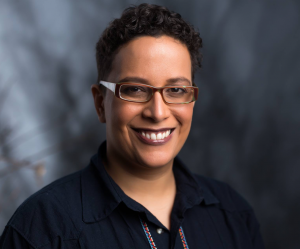
Eberechukwu Onukwugha is a Professor in the Department of Pharmaceutical Health Services Research at the University of Maryland School of Pharmacy, where she also serves as the Executive Director of the Pharmaceutical Research Computing center and Program Director of the PhD program in PHSR. She holds a PhD in Economics from Virginia Tech and completed a postdoctoral fellowship in pharmacoeconomics at the University of Maryland. University: University of Maryland School of Pharmacy School: School of Pharmacy Department: Department of Pharmaceutical Health Services Research Academic Rank: Professor Her research focuses on pharmacoeconomics, health disparities, medical decision-making, and cost-effectiveness analysis, particularly in oncology and cardiovascular disease. She employs advanced statistical and econometric methods to evaluate healthcare interventions and disparities in treatment access and outcomes. The most recent articles demonstrate a strong trend in health economics, observational study methodology, and disparities research, particularly in cancer care. Her work frequently uses large datasets like SEER-Medicare to assess treatment patterns, costs, and survival outcomes. Key themes include the economic burden of chronic diseases, pharmacogenetics, and the impact of social determinants on health outcomes. Contributed Research Award: Best New Investigator Podium Presentation, ISPOR 2006 Contributed Research Award: Best Podium Presentation, ISPOR 2009 Best Student Podium Presentation, ISPOR 2013 Lee B. Lusted Student Prize, Society for Medical Decision Making, 2013 Foreword: Big Data and Health Disparities Research, 2017 Dr. Onukwugha has successfully mentored PhD students including Candice Yong and Jinani Jayasekera, and has secured significant research funding as Principal Investigator from the American Cancer Society, AHRQ, NIH, and pharmaceutical partners. Her editorial roles at PharmacoEconomics and Ethnicity & Disease reflect her leadership in the field. She is actively involved in professional service, including advisory roles and program leadership within the School of Pharmacy. She leads the Pharmaceutical Research Computing center, which supports data-intensive health services research, and her work bridges economics, epidemiology, and clinical practice to inform policy and improve patient care.